





Antique Parlour Games Table
An antique parlour games table is a dedicated piece of social furniture designed for nineteenth-century entertainment, offering folding surfaces, fitted compartments, and traditional gaming boards.
Antique Parlour Games Table
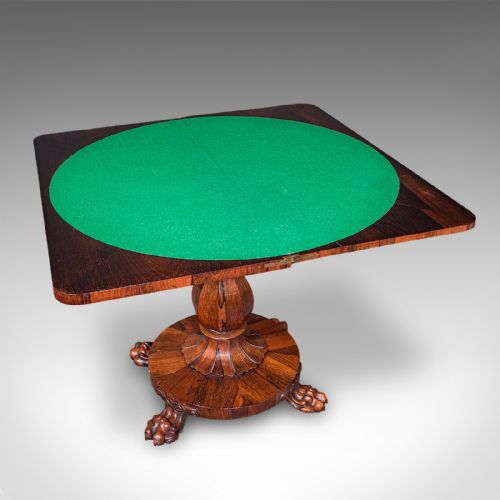
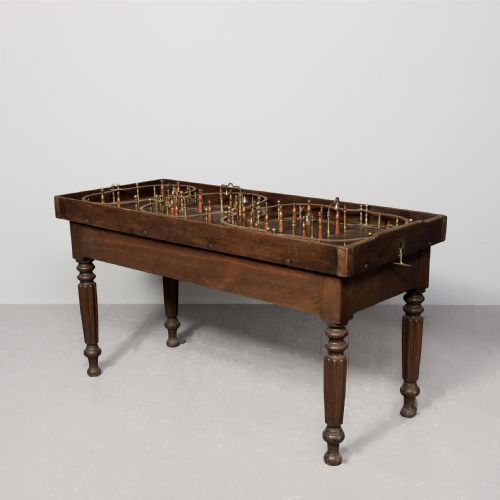
An antique parlour games table serves as the focal point for domestic entertainment and social gaming within the historic home. When you search for an antique parlour games table, you encounter diverse forms ranging from dedicated bagatelle and golf game tables to fold-over card surfaces and fitted oak organiser boxes.
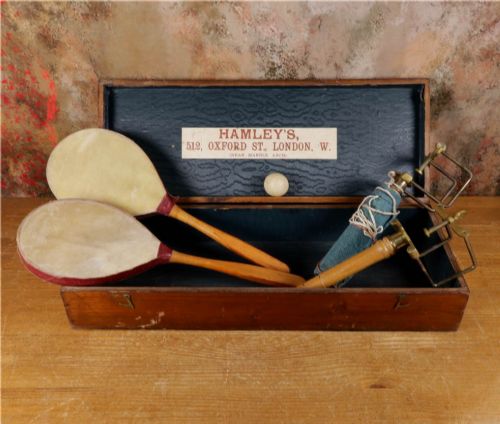
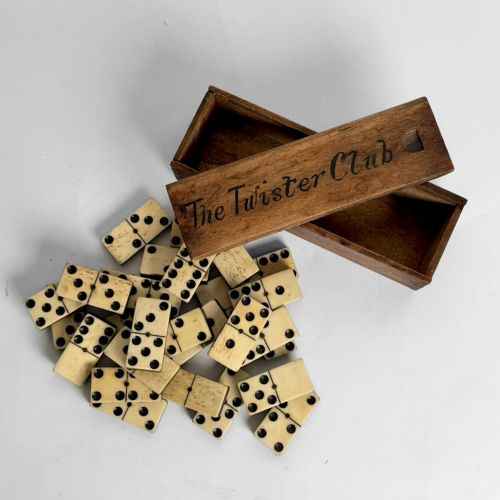
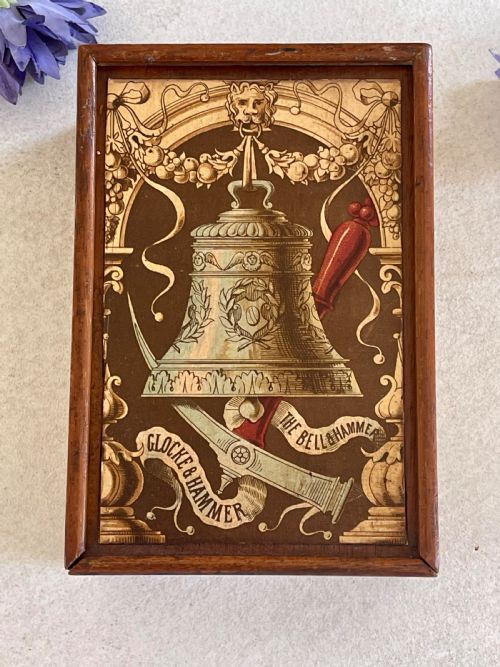
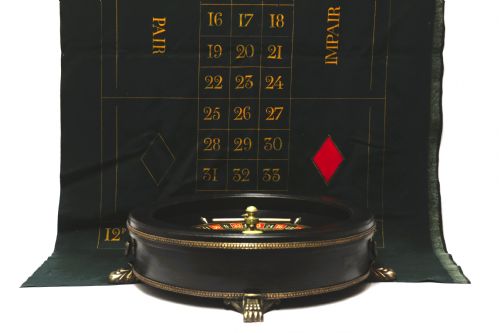
The pieces appearing on this page span the Georgian, Victorian, and Edwardian eras, encompassing William IV, George IV, and Napoleon III styles. Alongside substantial freestanding tables, the selection includes portable boxed sets for table tennis, croquet, and skittles, alongside individual accessories like dominoes and roulette wheels.
Constructed primarily from timber and specialised materials, these items reflect the leisure pursuits of nineteenth-century country houses and town residences. They combine functional utility for specific pastimes with the cabinet-making standards of their respective periods.
Materials and construction methods
Makers utilised dense timbers such as mahogany, oak, rosewood, and pine to construct both the main furniture frames and the portable storage boxes. These woods were chosen for structural durability and finished to highlight natural grain patterns.
Specialised components incorporate brass hardware, bone gaming pieces, vellum, cotton, and fitted felt table cloths for roulette and card play. Portable sets feature custom-built wooden cases designed to keep miniature sports equipment and game sets organised.
Listings feature nineteenth-century items spanning Georgian, Victorian, and Edwardian periods, constructed from mahogany, oak, pine, brass, and bone.
Distinctions in craftsmanship and survival
The degree of preservation in original playing surfaces, such as felt cloths, folding hinges, and interior partitions, defines the standing of individual items. Complete sets retaining their original boxes, instructions, and playing pieces hold greater integrity than adapted or incomplete examples.
The selection of primary timbers and the precision of the cabinet work, particularly in fold-over mechanisms and fitted compartments, separate standard production pieces from finer examples. Maker attribution through branded stamps or original retail labels further distinguishes specific items.
Jaques And Hamleys Gossima·F H Ayres Ltd London
The Antique Parlour Games Table Glossary
- Bagatelle
- A cue sport related to billiards, played on a board with holes and wooden pins. Tables designed for this game feature folding or freestanding wooden frames.
- Fold Over
- A table top construction method where the surface hinges open to reveal a baize-lined playing area or concealed storage well underneath.
- Baize
- A coarse woollen woven fabric resembling felt, traditionally used to line the playing surfaces of card and gaming tables to cushion dice and pieces.
- Squails
- A nineteenth-century table game where players flick wooden discs across a cloth towards a target. Equipment typically survives in fitted wooden boxes.
- Boxed Set
- A self-contained collection of gaming apparatus housed in a dedicated wooden container with sliding lids or hinged closures.
Antique Parlour Games Table: Frequently Asked Questions
What games were played on these tables?
Nineteenth-century households enjoyed a wide variety of pastimes, ranging from card games on fold-over tables to active floor and table sports like bagatelle, skittles, and table tennis. Many tables and boxes were dedicated to specific games, while others provided general surfaces for cards and board games.
Portable boxed sets allowed families to bring croquet, dominoes, and squails into the parlour during winter months or evening gatherings. This diversity means surviving pieces include both heavy furniture and compact storage chests.
How do I date a games table?
Dating relies on stylistic markers associated with periods such as George IV, William IV, and Victorian eras, alongside construction techniques and material choices. Mahogany and rosewood are common in earlier nineteenth-century pieces, while oak frequently appears in country house utility boxes.
Makers' stamps, trade labels, and associated accessories like bone dominoes or early ping pong sets help narrow the production era. Comparing the mechanical hinges and joinery to dated examples provides further chronological context.
Were these tables used daily?
Parlour games formed a central part of middle and upper-class social life in the nineteenth century, making these tables frequent participants in evening entertainment. Fold-over card tables doubled as side tables when not in use, while dedicated game tables were brought out for specific social occasions.
This regular domestic use accounts for the varying states of wear found on playing surfaces and baize linings. Many surviving pieces show the gentle patina of active household enjoyment.
How should I care for a wooden games table?
Preserving these pieces involves maintaining stable indoor humidity levels to protect historic timber, veneer, and internal wooden mechanisms. Regular dusting with a soft, dry cloth prevents particulate accumulation without introducing moisture to sensitive surfaces.
Original finishes and felt or vellum playing areas should be kept out of direct sunlight to prevent fading. Avoid using modern chemical polishes, relying instead on traditional wax appropriate for antique cabinet work.