
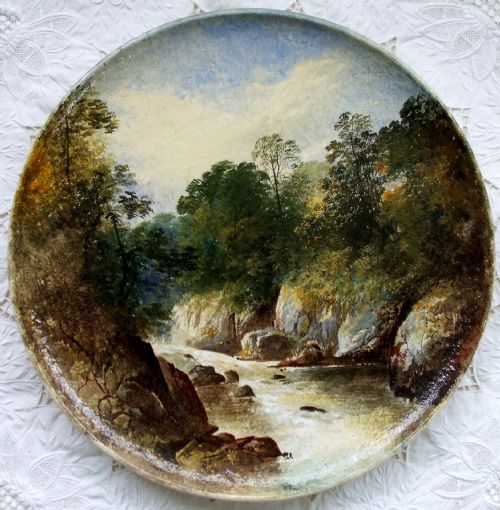


Victorian Painted Wall Plaques
These victorian painted wall plaques bring together the finest hand-painted porcelain, cast iron, and earthenware from the nineteenth century for interior display.
Victorian Painted Wall Plaques
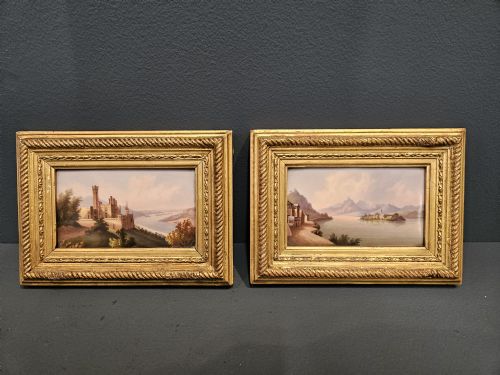
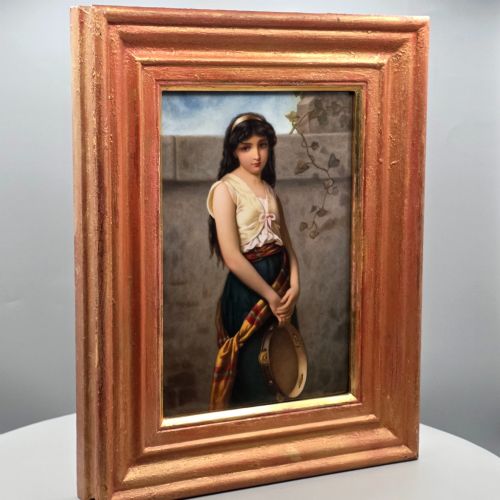
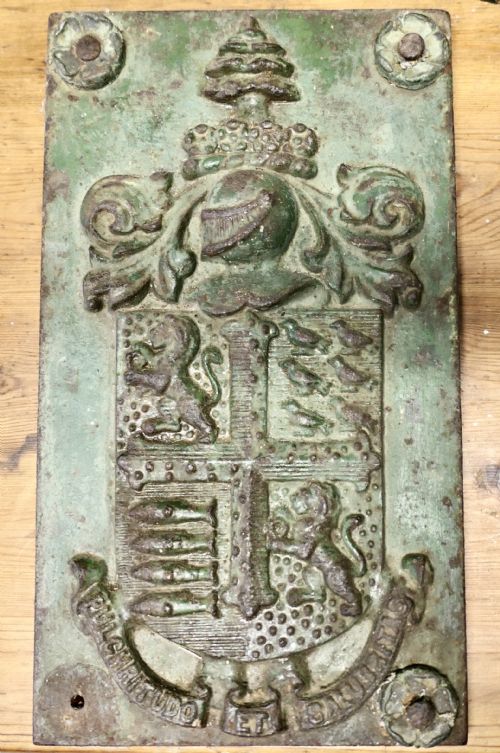
When you search for victorian painted wall plaques, you encounter a diverse gathering of nineteenth-century decorative pieces designed specifically for hanging on walls. These objects span from delicate porcelain portrait plaques and cabinet plates to robust cast iron armorials and painted metal signs.
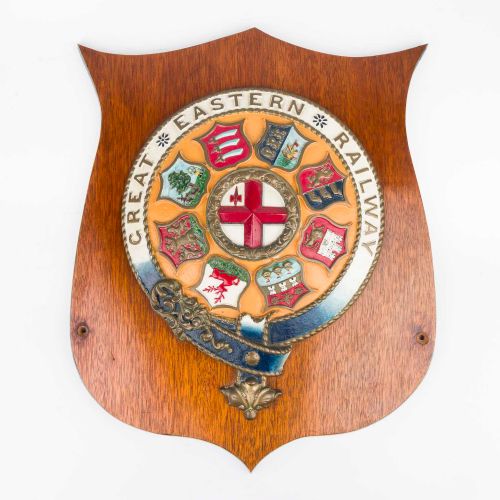
The selection on this page leans heavily towards porcelain panels painted with landscapes or portraits, alongside heavy cast iron coats of arms and railway signs. You also find earthenware, terracotta reliefs, and painted wood or toleware originating from Victorian Britain and wider European workshops.
How they were made
The makers of these pieces utilised a variety of rigid supports, casting iron and terracotta into architectural and heraldic reliefs, or shaping fine porcelain, earthenware, and slate for delicate surface painting. Painters then applied mineral colours and enamels directly onto the glazed or prepared surfaces, often firing the porcelain multiple times to fix the pigments.
Many items incorporate auxiliary materials such as carved wooden frames, ormolu mounts, and gilt accents to enhance their presentation on a wall. Structural signage and architectural pieces rely on heavy cast iron and painted pine, finished with protective oil-based paints designed to endure.
Materials recorded include paint, porcelain, enamel, earthenware, glaze, cast iron, and gold leaf.
What varies in quality
The distinction between standard commercial output and a masterwork lies chiefly in the execution of the painting and the crispness of the moulding. Hand-painted porcelain plaques signed by known artists or executed after master painters display superior brushwork, precise shading, and depth that ordinary transfer-printed or hastily decorated wares lack.
Material substance and framing also determine the tier of a piece, with heavy, well-cast iron armorials and original carved or ormolu frames standing apart from plain utilitarian panels. The preservation of the original painted surface, free from extensive repainting, dictates the historical integrity of the object.
Royal Bonn·Copeland Pottery·Ernst Wahliss·KPM·Royal Worcester
The Victorian Painted Wall Plaques Glossary
- Porcelain plaque
- A flat tablet of fine translucent ceramic fired at high temperatures, providing a smooth white ground for detailed miniature painting.
- Cast iron
- An iron-carbon alloy poured into moulds to create rigid, heavy objects with sharp relief details, commonly used for coats of arms and signs.
- Toleware
- Metalware, typically iron or steel, coated with a dark lacquer or paint and frequently decorated with hand-painted motifs.
- Armorial
- A design displaying heraldic bearings or a coat of arms, often cast in iron or painted on panels to signify civic or familial identity.
- Cabinet plate
- A decorative ceramic plate intended for display on a wall or within a cabinet rather than for practical dining use.
Victorian Painted Wall Plaques: Frequently Asked Questions
What are victorian painted wall plaques?
These pieces are decorative items produced during the nineteenth century, intended to be mounted on interior or exterior walls for display.
They encompass a wide variety of materials, including hand-painted porcelain panels, cast iron armorials, terracotta reliefs, and painted wooden signs.
How were these plaques used?
Homeowners and institutions used them primarily to display artistic scenes, family crests, railway information, or religious texts.
Many functioned as decorative art within reception rooms, while others served as civic markers or railway and street signage.
How do I live with them?
Displaying these objects requires secure wall fixings, particularly for heavy cast iron pieces and large porcelain plaques in ormolu frames.
Keep them away from direct sunlight and damp environments to protect the painted surfaces and prevent corrosion on the metal elements.
How do I tell periods apart?
Distinguishing the exact period involves examining the specific material composition, framing styles, and manufacturing techniques recorded in the piece.
Earlier nineteenth-century items often feature hand-mixed mineral colours and heavier frames, while late-century and Edwardian examples shift towards industrial signage and distinct factory marks.