
Victorian Painted Table
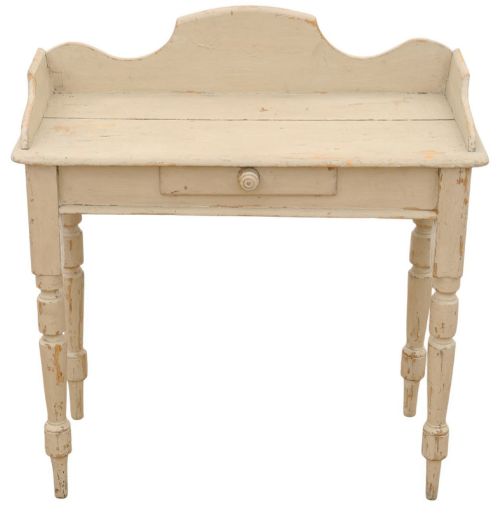
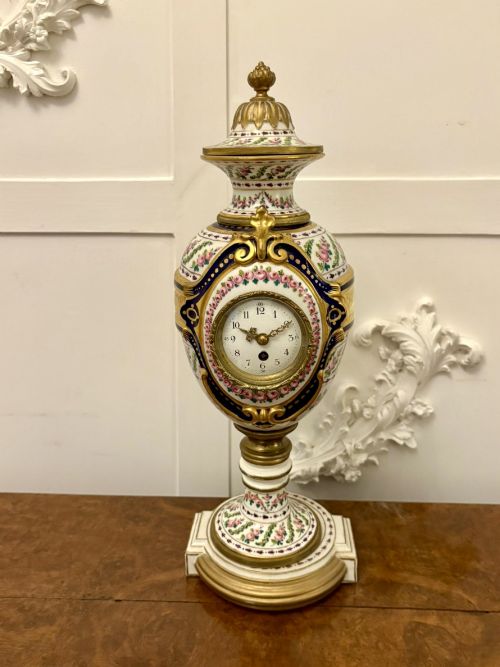
When you want a victorian painted table, you are looking at nineteenth-century wooden furniture decorated with brushed colour, lacquer or applied motifs.
Victorian Painted Table
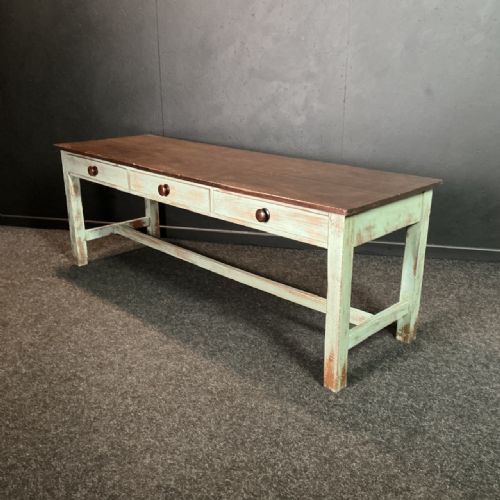
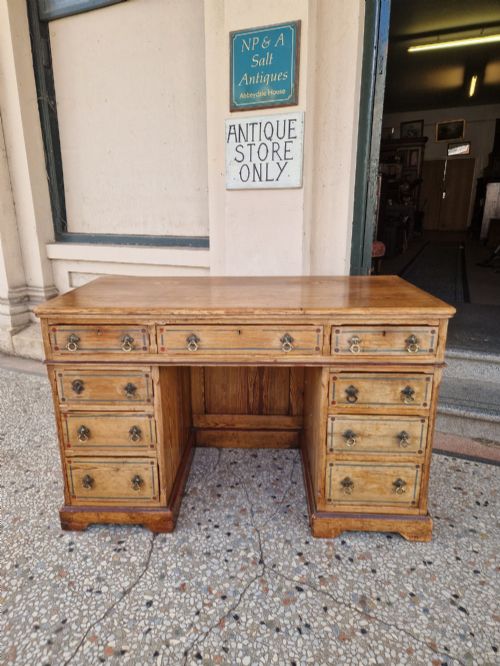
A victorian painted table spans practical household items such as kitchen prep tables, dairy boards, writing desks, and dressing tables alongside decorative occasional and side tables.
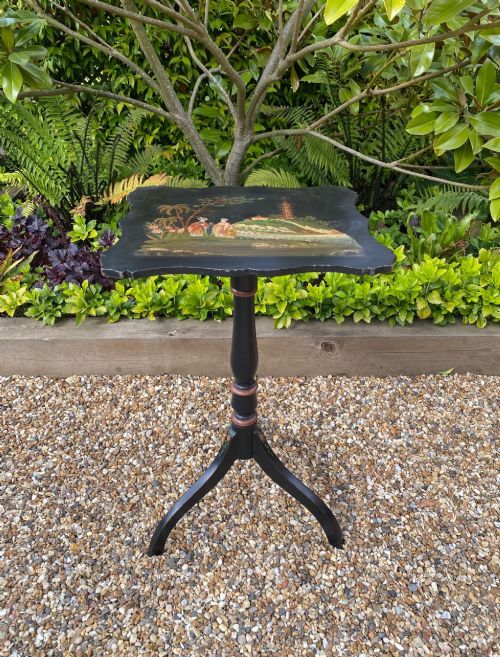
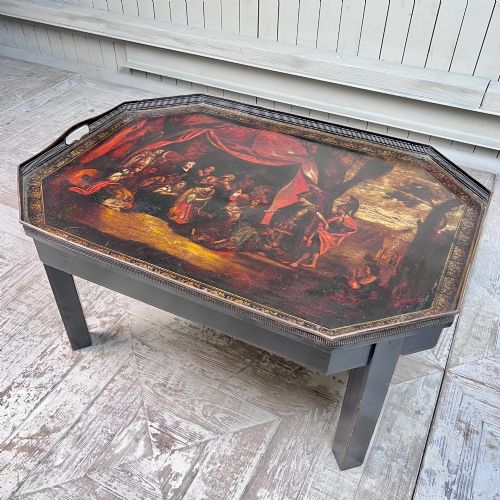
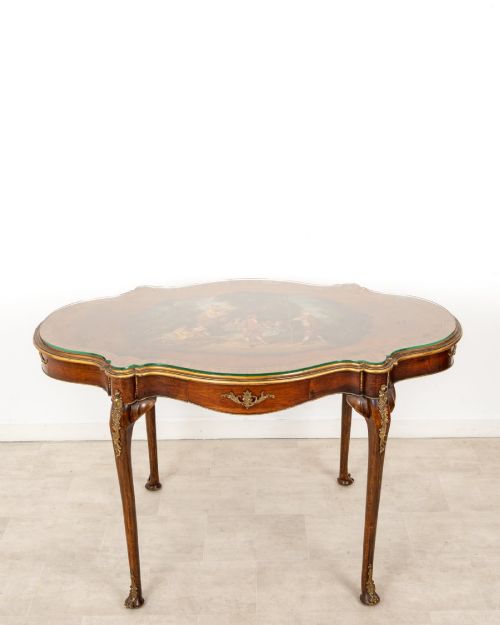
Makers utilised native softwoods like pine alongside satinwood, oak, and birch, frequently applying decorative schemes that range from rustic country farmhouse finishes to ornate Chinoiserie and French Rococo Revival styles.
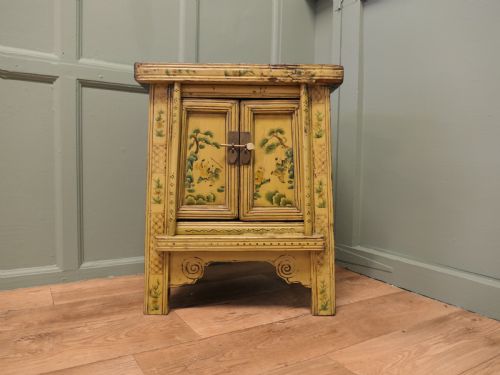
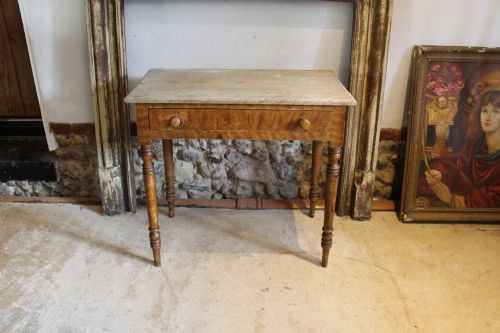
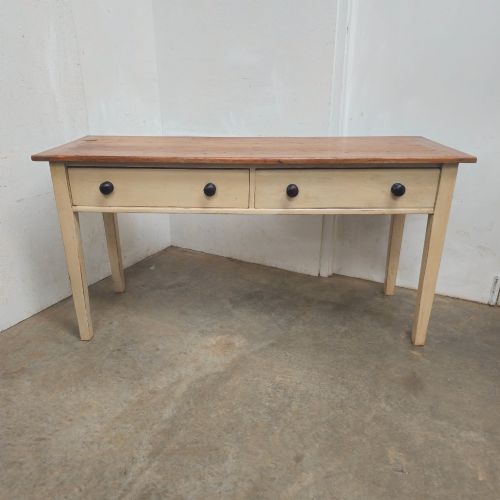
The version most commonly met on this page is the painted pine side or writing table, often showing traces of later or original surface decoration from the nineteenth century.
Materials and Techniques
Carpenters constructed the structural carcases primarily from pine, oak, or birch, employing traditional joinery methods before applying layers of surface finish.
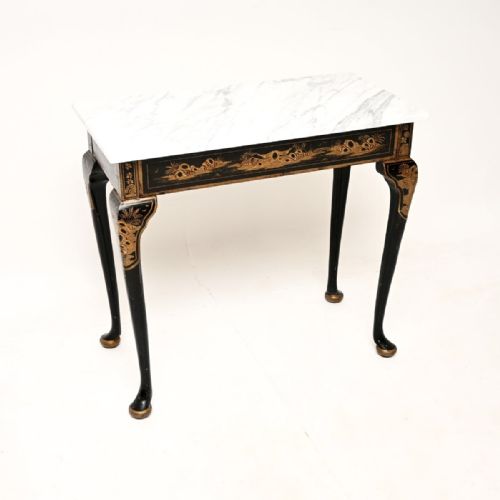
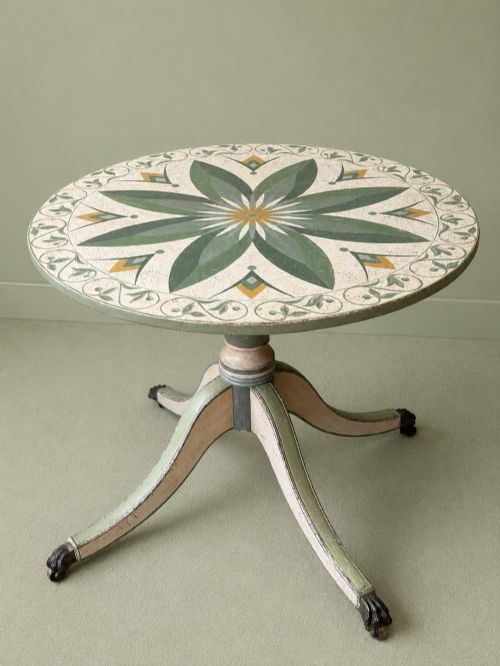
Surfaces received treatments of oil paint, scumble, lacquer, or Japanning, sometimes incorporating hand-painted floral garlands, gilding, or mother-of-pearl inlay.
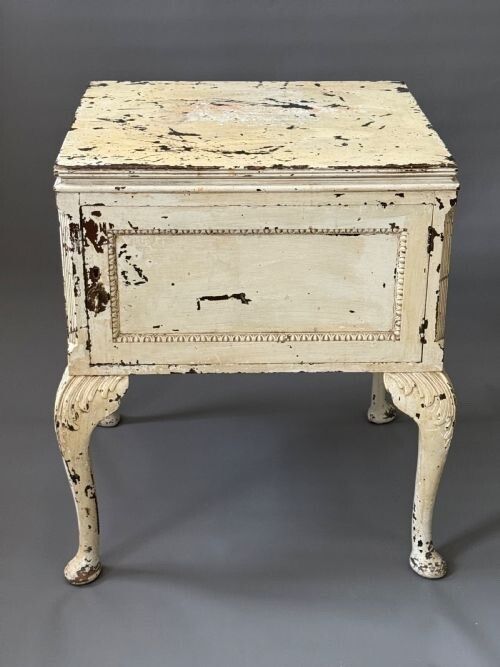
Many pieces display layered histories where later paint covers earlier wood or where original decorative schemes survive beneath protective wax.
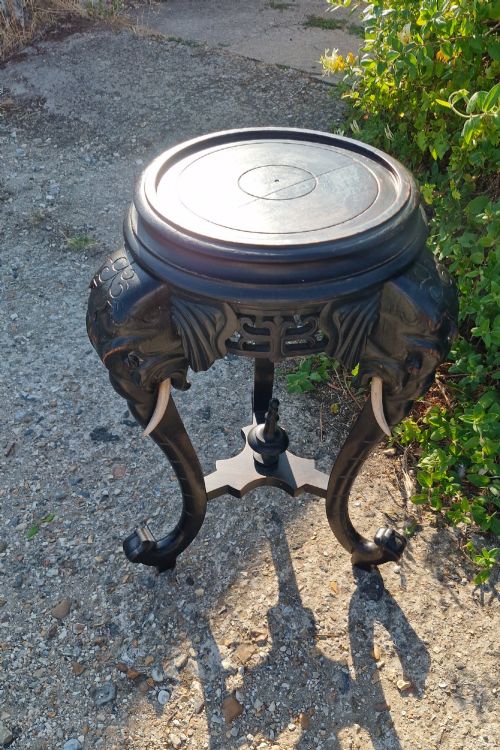
Elephant tables complete with painted wooden tusks occasionally wander into nineteenth-century domestic listings.
Evaluating the Pieces
Quality rests upon the integrity of the underlying timber construction and the survival rate of the original decorative painted surface.
Pieces retaining their first decorative scheme or untouched period scumble command greater interest than items subjected to repeated repainting over decades of domestic use.
The Victorian Painted Table Glossary
- Scumble
- A translucent or broken layer of opaque colour brushed over a lighter ground to create mottled or textured grain effects. This technique gained popularity on nineteenth-century pine furniture to simulate costlier timbers.
- Chinoiserie
- European artistic interpretations of Chinese and East Asian decorative motifs. These designs appear in hand-painted landscape scenes and gilded details on lacquer surfaces.
- Cricket table
- A small, lightweight three-legged table with a round top, traditionally constructed in pine or oak for stability on uneven floors. Country houses utilised them as versatile side furniture.
- Pembroke table
- A table featuring two hinged drop leaves on opposing sides supported by folding brackets. They served flexibly as writing or breakfast tables in nineteenth-century interiors.
Victorian Painted Table: Frequently Asked Questions
Are these tables suitable for daily kitchen use?
Many pine and dairy tables originated as working surfaces in nineteenth-century homes and handle everyday tasks well. Care must be taken to protect original painted finishes from moisture and heat.
Unpainted scrub tops offer a practical surface for regular dining, while delicate lacquered occasional pieces suit dry reception rooms better.
How can I tell original paint from later coats?
Original nineteenth-century surfaces exhibit uniform wear patterns, craquelure, and integration with the underlying timber expansion. Close inspection under magnification reveals layers of dirt settled into the microscopic cracks of aged paint.
Later repainting often feels flat, lacks the patina of age, or conceals modern hardware beneath the pigment.
What is the difference between side tables and occasional tables?
Side tables typically stood against walls to hold lamps, clocks, or books, featuring sturdy construction with drawers or lower shelves. Occasional tables were lighter, movable items brought out into rooms as needed for tea or writing.
Both categories frequently received painted or lacquered decoration to complement Victorian drawing-room aesthetics.
How do I care for a painted wooden surface?
Dust surfaces regularly with a soft, dry cloth and avoid commercial polishes containing silicone or harsh solvents. Keep wooden furniture away from direct sunlight and radiators to prevent paint cracking and timber shrinkage.
Wax should be applied sparingly only if the specific finish type permits it.