
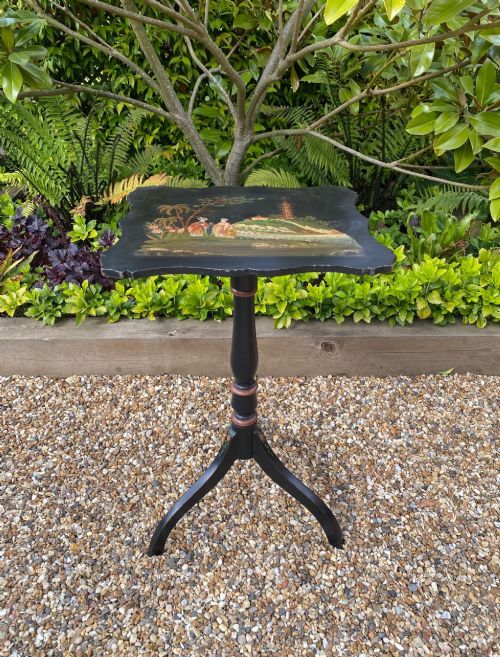
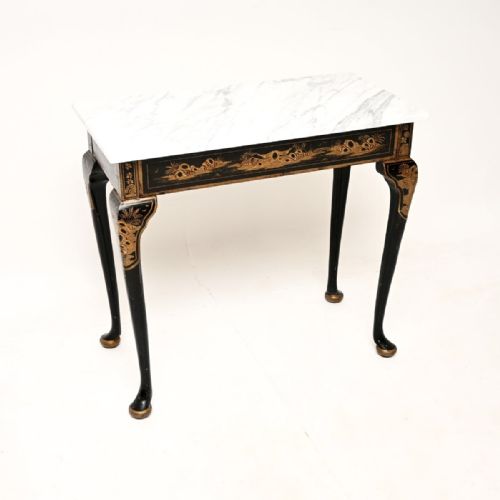
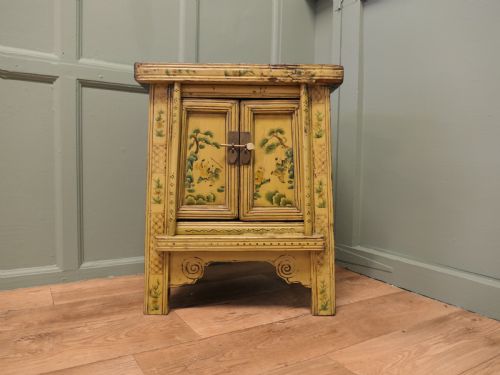
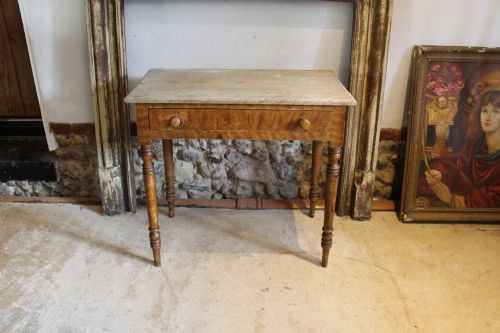
Victorian Painted Side Table
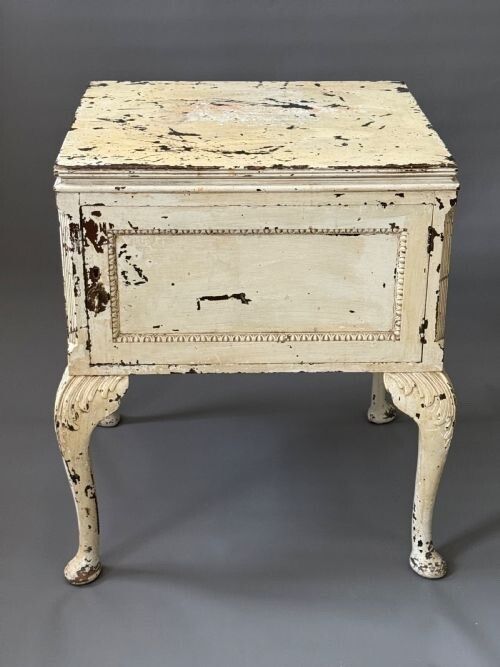
A victorian painted side table brings functional charm and decorative colour to a room through varied nineteenth-century timbers and applied finishes.
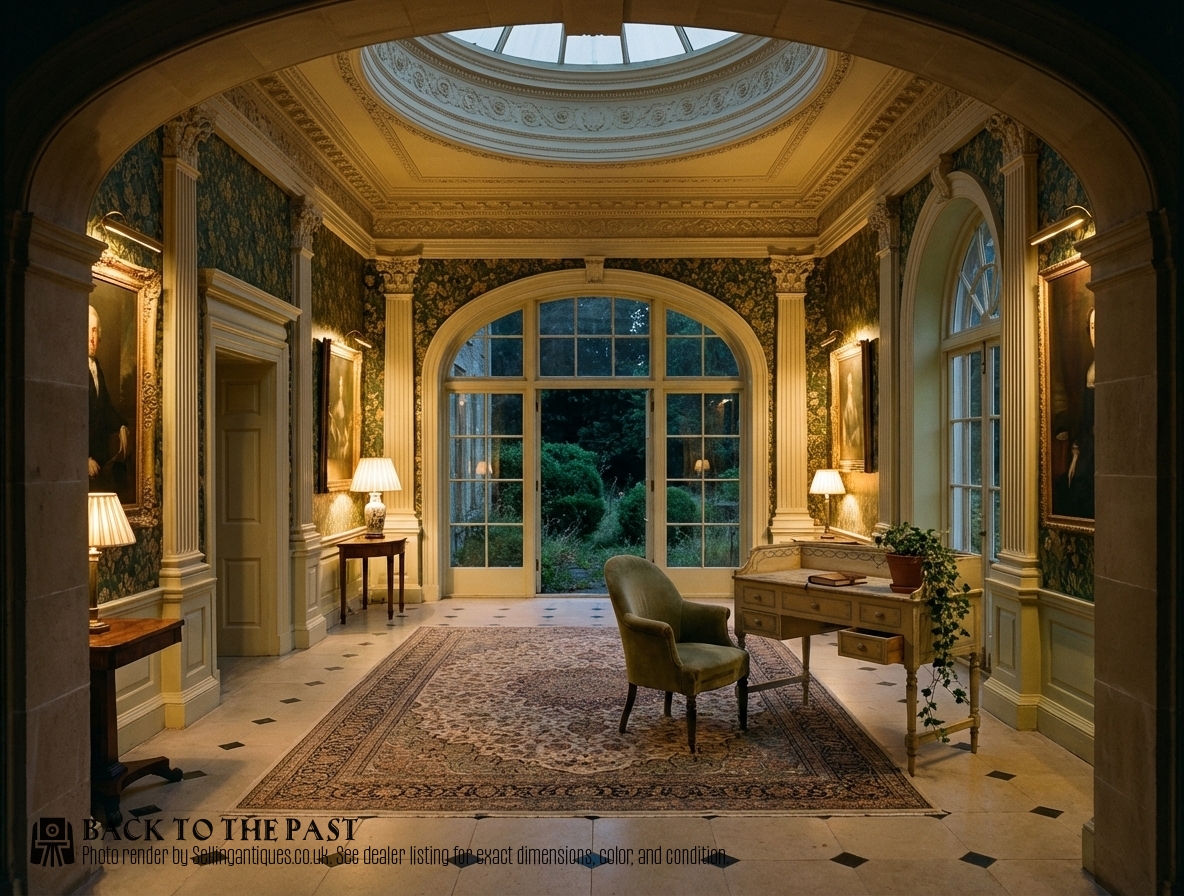
Victorian Painted Side Table
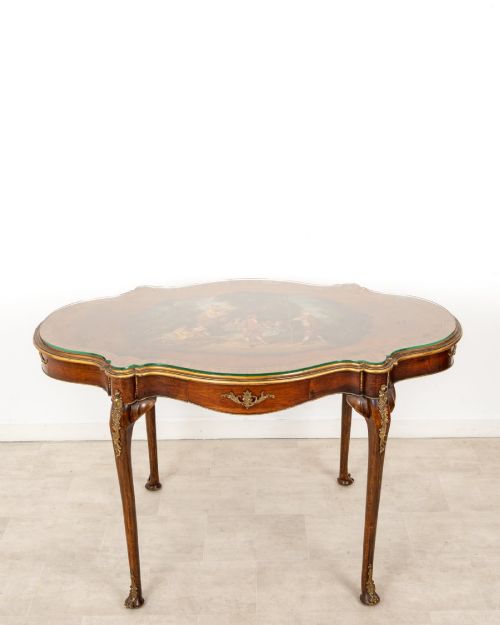
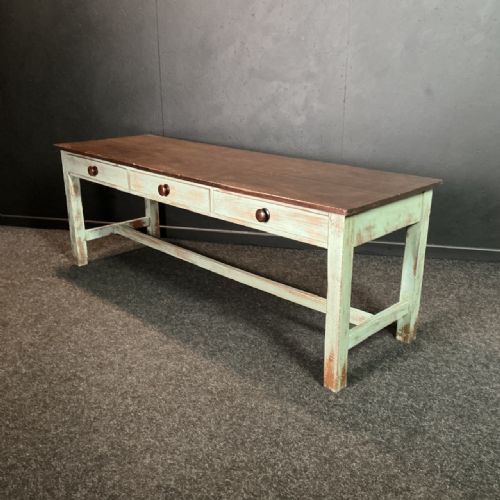
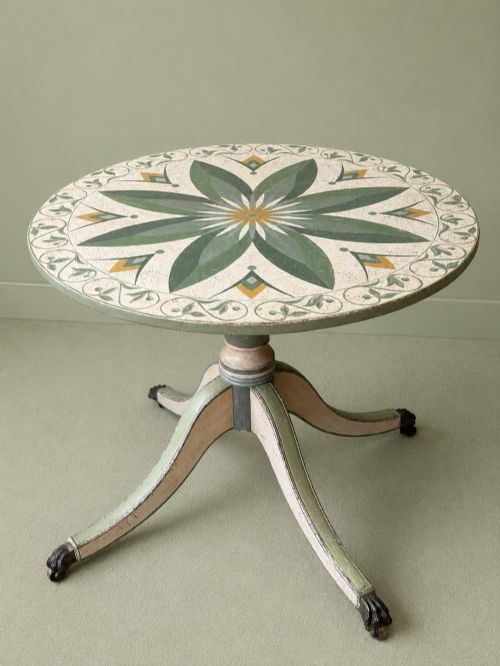
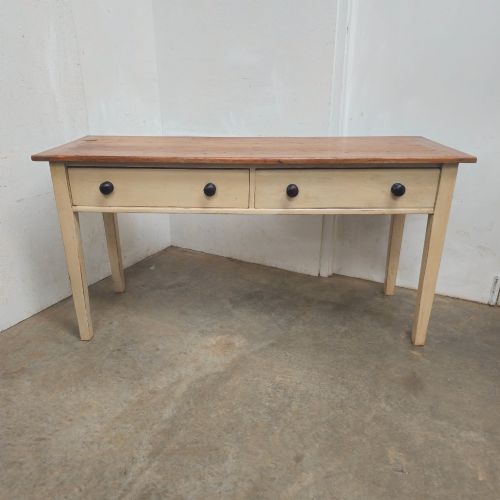
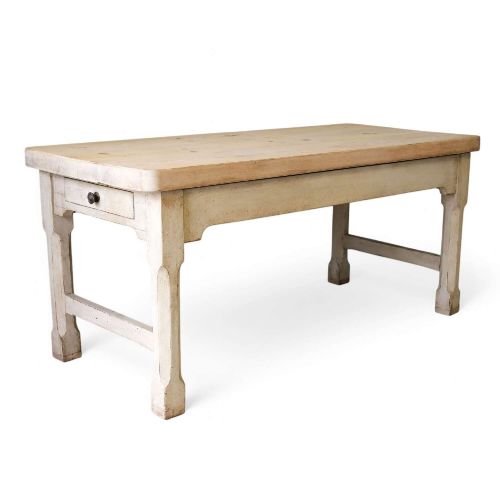
A victorian painted side table encompasses versatile small furniture forms designed for domestic use, frequently appearing as pine or hardwood occasional tables, writing desks, and bedside cabinets.
The pieces originate across the nineteenth century, including specific decades such as the eighteen-eighties and eighteen-seventies, alongside broader Victorian and Edwardian periods.
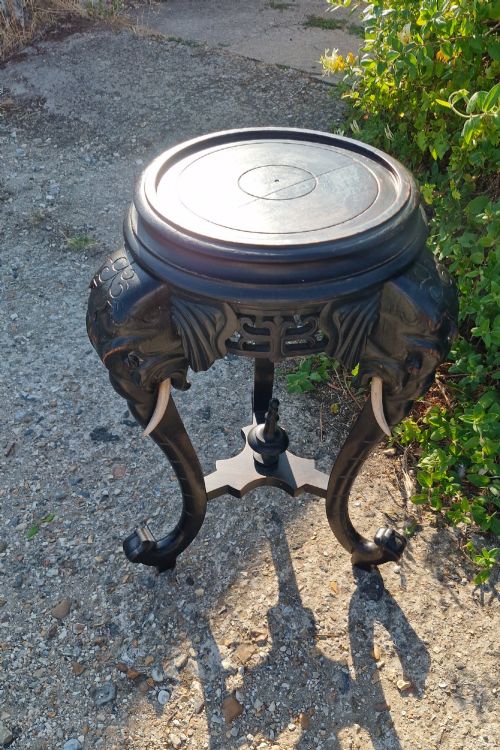
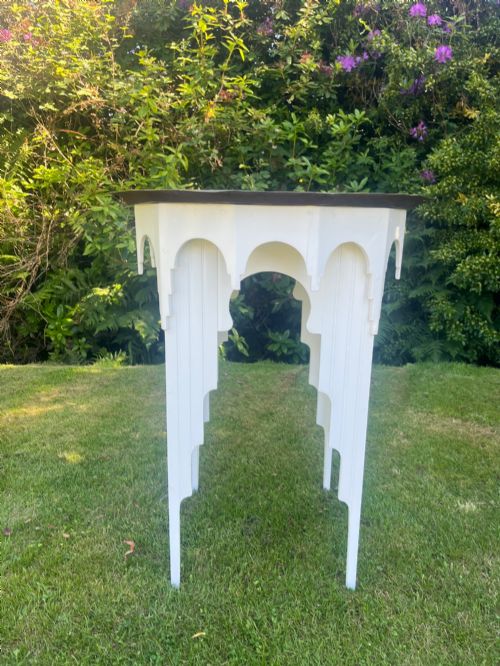
Makers and workshops constructed these items in styles ranging from English country house utility to decorative Chinoiserie, Louis XV, and Gothic tastes.
Materials and Technique
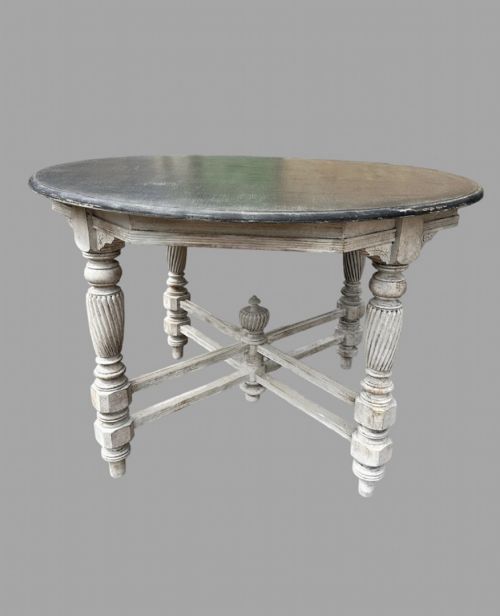
Carpenters utilised solid timbers such as pine, oak, birch, and mahogany as foundations for these tables, employing sturdy joinery like X-frames, pedestals, and turned legs.
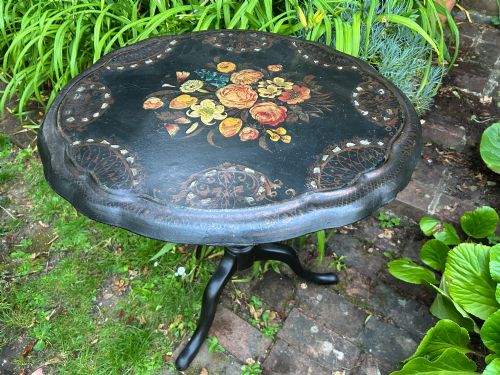
Surfaces received decorative treatments involving oil paint, lacquer, gilt, or scumble, with some examples displaying later applied decoration or vernacular coloured finishes over older wood.
Victorian Painted Side Table Retail Price Guide 2026
Typical asking prices for victorian painted side table among the pieces listed under this phrase on Sellingantiques today, from the lower quarter to the upper quarter. They describe what is for sale here now, not the wider market.
The inventory records vernacular country pieces alongside formal Chinoiserie and Gothic taste tables dating across the nineteenth century.
Quality and Finish
The distinction between tiers rests upon the survival of original surface finishes, where untouched early paint or intricate hand-painted Chinoiserie decoration elevates a piece above later re-paintings.
Cabinetmaking standards reveal themselves in the selection of secondary timbers, drawer construction, and the crispness of carved details like those found on Gothic or polished satinwood examples.
Heal & Sons
The Victorian Painted Side Table Glossary
- Scumble
- A translucent or broken colour layer dragged over a lighter opaque base to simulate grain or texture. This technique creates mottled, aged effects found on nineteenth-century surfaces.
- Chinoiserie
- European decorative style imitating Chinese artistic traditions. It appears on lacquerwork and painted furniture with motifs of landscapes and figures.
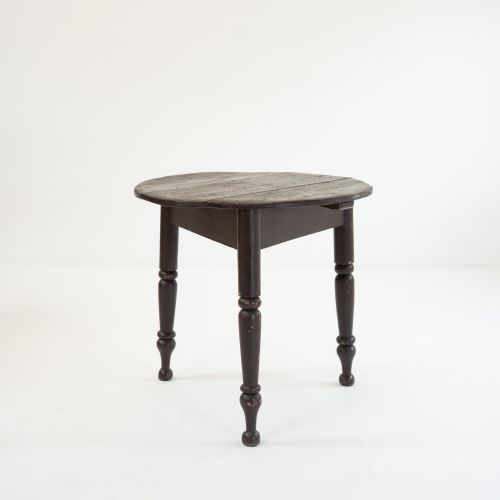
- Cricket table
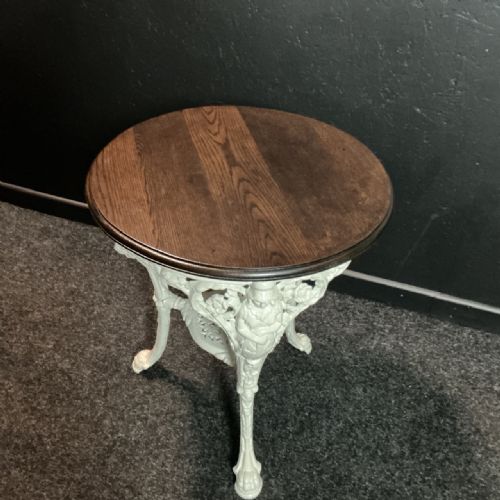
- A small three-legged round table with a wooden top and pegged joints. These sturdy vernacular pieces suited uneven flagstone floors.
- Tilt top
- A table mechanism allowing the surface to pivot vertically for storage. This clever space-saving design became popular in the Victorian era.
- Toleware
- Enamelled and painted sheet metal items. Tables incorporating this material often display distinctive dark grounds with floral or gilt decoration.
Victorian Painted Side Table: Frequently Asked Questions
What is a victorian painted side table used for?
These tables served practical domestic functions in bedrooms, parlours, and hallways as surfaces for lamps, writing materials, or decorative objects. Their modest proportions allowed them to fit into corners and beside seating.
Today, owners utilise them similarly in modern interiors, relying on their compact footprints and distinctive painted finishes to add character to living spaces.
How do I identify original paint?
Original paint shows natural wear, craquelure, and integration with the timber beneath that aligns with nineteenth-century methods. Subsequent layers often sit heavily over hardware or fill carved details without matching underlying wear patterns.
Close inspection under natural light reveals whether decorative motifs belong to the primary construction period or represent later embellishment.
Are these tables solid wood?
Most pieces feature solid woods such as pine, oak, birch, or mahogany, reflecting the standard carpentry practices of the Victorian period. Secondary timbers might appear inside drawer linings or beneath top boards.
Construction methods rely on traditional joinery rather than modern adhesives, ensuring the structural stability of the frame.
How do I care for antique painted surfaces?
Protect painted and lacquered finishes by keeping tables away from direct sunlight and fluctuating heat sources that cause wood movement. Dust gently with a dry, soft cloth without applying modern chemical polishes.
Maintaining stable indoor humidity preserves both the timber substrate and the delicate decorative paint layers above.