

Victorian Painted Porcelain
Victorian painted porcelain spans domestic tea services, decorative plaques and garniture clocks decorated with hand-painted botanicals, ornithological studies and landscapes.
Victorian Painted Porcelain
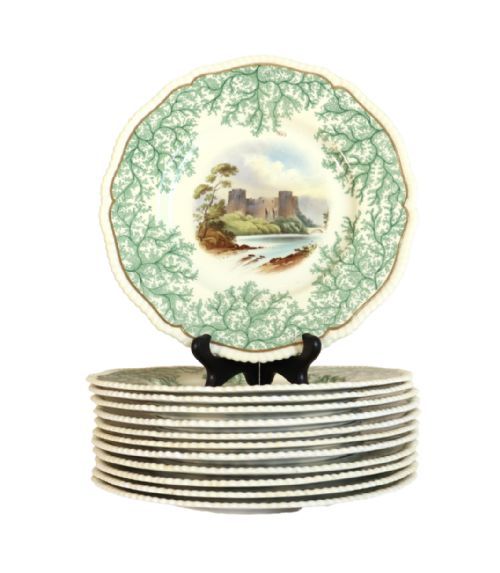
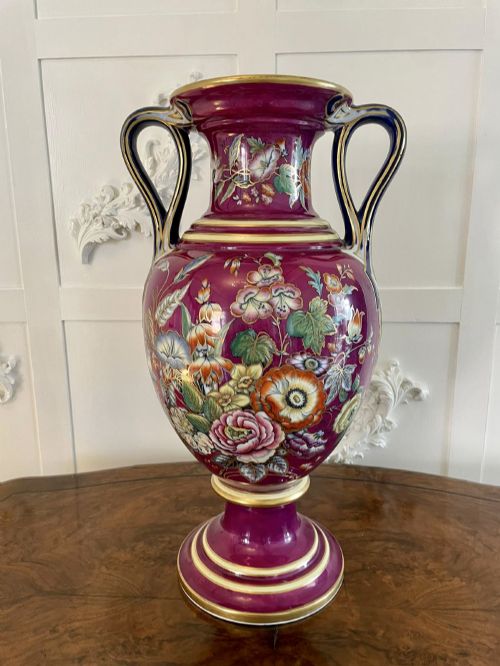
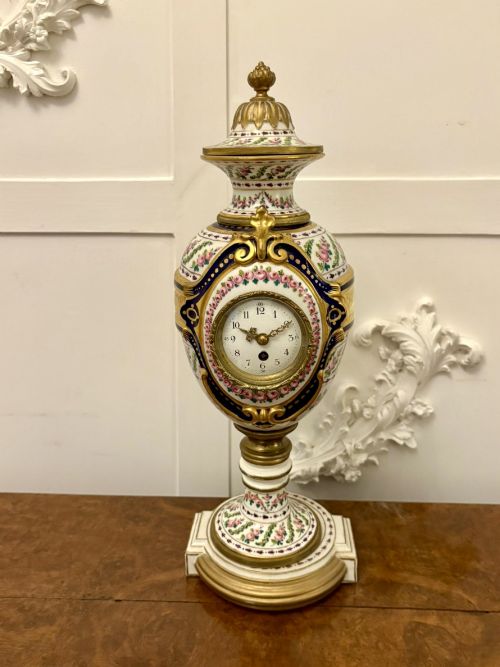
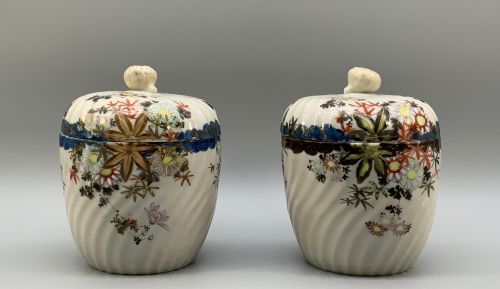
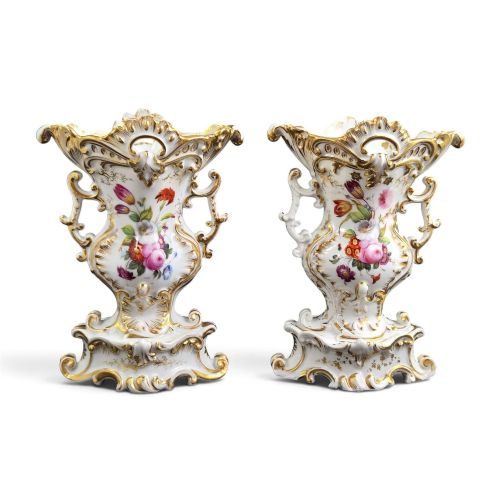
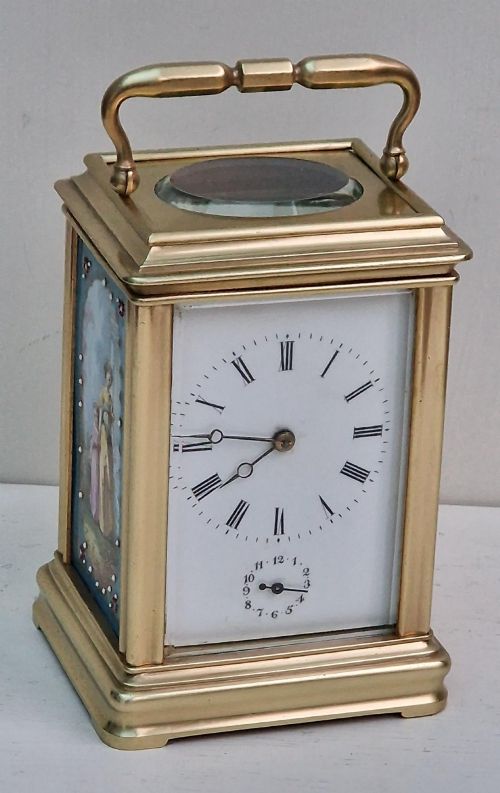
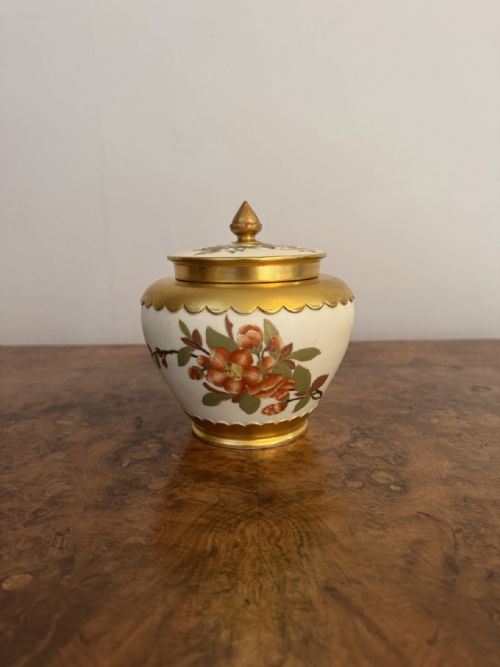
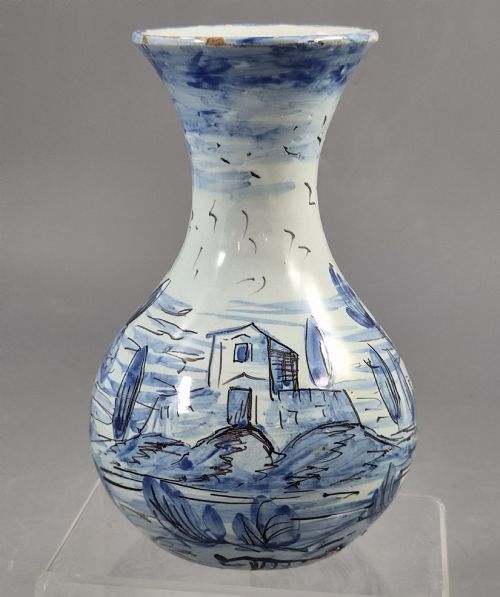
When searching for victorian painted porcelain, buyers encounter a diverse array of domestic and decorative objects produced during the nineteenth century. The selection ranges from functional tablewares such as dessert plates, coffee sets and mugs to ornamental items including cabinet vases, urns, mantle clocks and wall plaques.
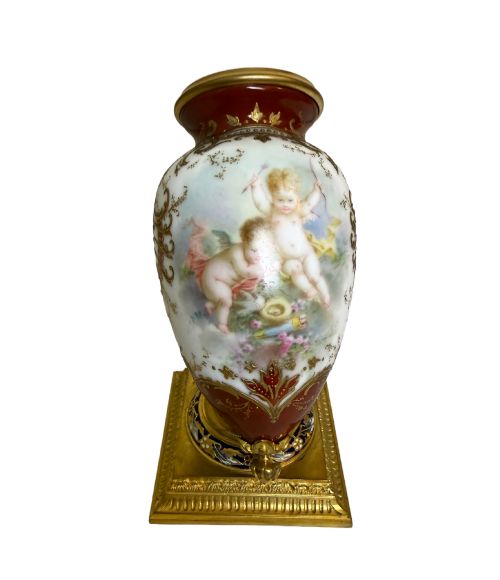
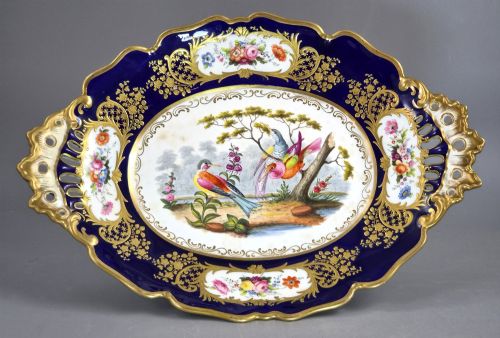
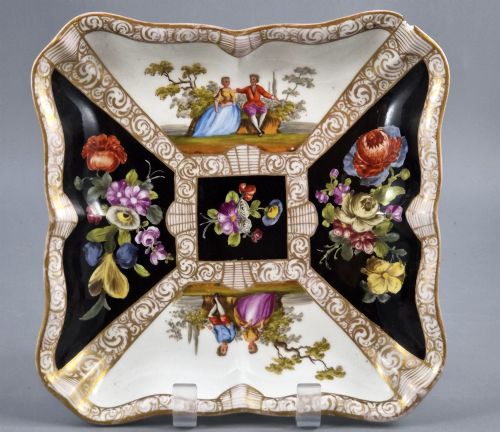
Continental factories and English potteries alike produced these decorated ceramic pieces, often combining delicate painted motifs with gilded accents or bronze mounts. Surviving examples frequently showcase naturalistic subjects like birds, flowers and insects alongside classical figures and landscape scenes.
The objects serve as tangible records of nineteenth-century ceramic artistry, reflecting shifting tastes from rococo revival flourishes to aesthetic movement restraint. Collectors meet everything from miniature portrait panels to large decorative chargers across this category.
How they were made
Makers shaped porcelain bodies from fine ceramic pastes before firing them in kilns to achieve a hard, vitrified base. Artisans then applied colourful enamel pigments by hand, frequently incorporating gold leaf and heavy gilding to highlight rims, handles and structural borders.
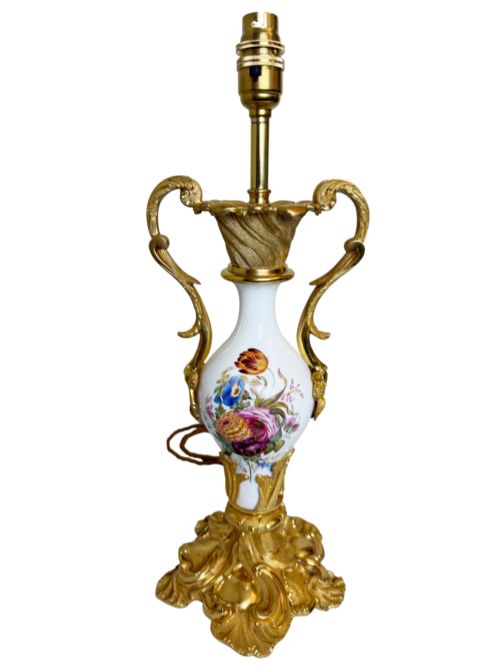
Many pieces incorporate metalwork components alongside the ceramic body, utilising gilt bronze, ormolu mounts and brass clock mechanisms. Glaze treatments seal the painted surfaces, protecting the detailed miniature brushwork applied by factory artists and independent decorators.
Victorian porcelain walkers combined gentle morning strolls with hidden utility by concealing ivory-handled swords inside walking sticks.
What varies in quality
Quality in these ceramics rests primarily upon the precision and artistic merit of the hand-painted decoration. Finely rendered botanical or ornithological subjects executed with subtle tonal shading distinguish superior cabinet pieces from standard commercial wares.
The integration of the porcelain body with mounts of gilt bronze or ormolu dictates overall refinement in complex objects like mantle clocks and garnitures. Weight, crispness of moulding in the ceramic paste, and the richness of the gilding further separate standard production from exceptional examples.
Sevres·Jacob Petit·Royal Worcester·Meissen·Sitzendorf·Minton·Volkstedt Rudolstadt Factory
The Victorian Painted Porcelain Glossary
- Ormolu
- Gilded bronze mounts used extensively to frame and elevate nineteenth-century porcelain clock cases, urns and decorative vessels. This decorative technique adds architectural weight to fragile ceramic forms.
- Garniture
- A matching set of three or more ornamental vases or urns designed to sit together on a mantlepiece or sideboard. These symmetrical groupings were immensely popular in Victorian drawing rooms.
- Moon flask
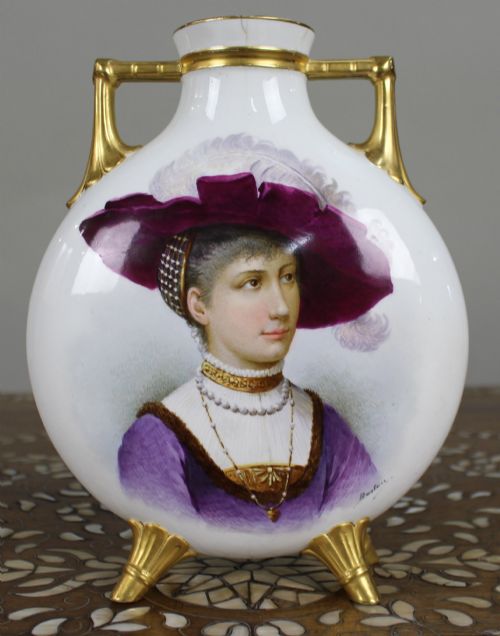
- A flattened, circular pilgrim-flask form with a narrow neck and small loop handles, often resting on an integrated foot. Potters utilised this distinct shape as a canvas for elaborate floral or landscape painting.
- Porcelaneous
- A semi-vitrified ceramic body that sits between standard earthenware and true porcelain in density and composition. Staffordshire and English potteries frequently utilised this robust material for large vases and jugs.
- Ground colour
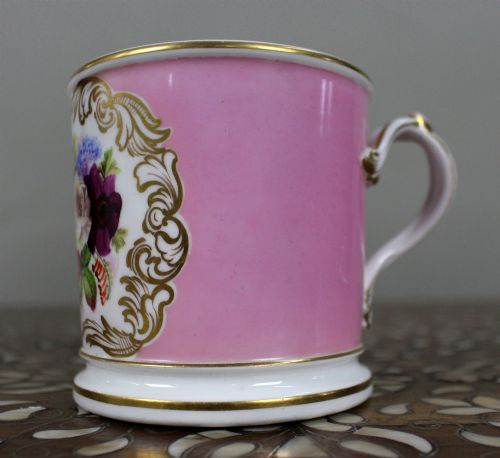
- The predominant background hue applied to a ceramic piece before secondary painting takes place. Collector markets prize specific ground shades like rose pompadour or cobalt blue for their visual impact.
Victorian Painted Porcelain: Frequently Asked Questions
What is victorian painted porcelain?
Victorian painted porcelain encompasses nineteenth-century ceramic objects featuring hand-applied enamel decoration, ranging from utilitarian tableware to decorative mantel clocks and cabinet plaques.
These pieces reflect the artistic output of major European factories and English potteries during an era of significant stylistic evolution.
How were these painted pieces used?
Many items fulfilled dual roles as functional domestic objects and decorative display pieces in nineteenth-century interiors. Dessert services, tea sets and mugs saw actual use, while plaques, urns and clock garnitures served strictly aesthetic purposes in the drawing room.
Smaller items like scent bottles and desk sets combined personal utility with miniature artistry.
How do I identify different periods?
Identifying the period relies on observing stylistic shifts, such as the exuberant scrolls of rococo revival pieces versus the flattened asymmetry of later aesthetic movement designs. Factory marks, impressed ciphers and registration numbers stamped into the ceramic base provide concrete chronological clues.
Associated metal mounts and handwriting styles on painted panels also help narrow down the date of manufacture.
How do I care for antique porcelain?
Preserving these ceramics requires gentle handling away from direct sunlight to protect delicate enamel colours and fragile gilt highlights from fading. Dusting should be done dry with a soft, clean brush rather than washing, particularly on pieces with exposed hand-painted surfaces.
Items mounted with gilt bronze or brass clock mechanisms benefit from stable humidity levels to prevent corrosion.