
Victorian Painted Pine Cabinet
A victorian painted pine cabinet brings domestic utility and coloured warmth together, offering honest storage shaped by the nineteenth century.
Victorian Painted Pine Cabinet
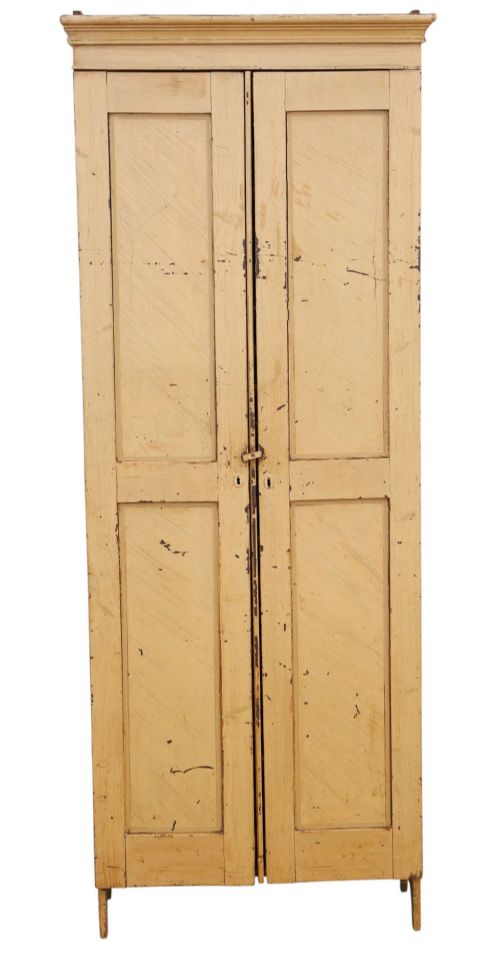
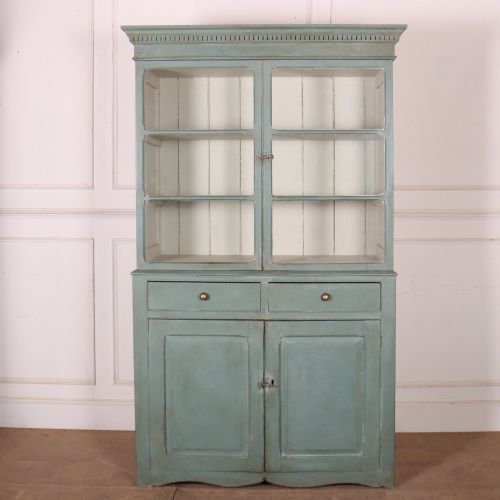
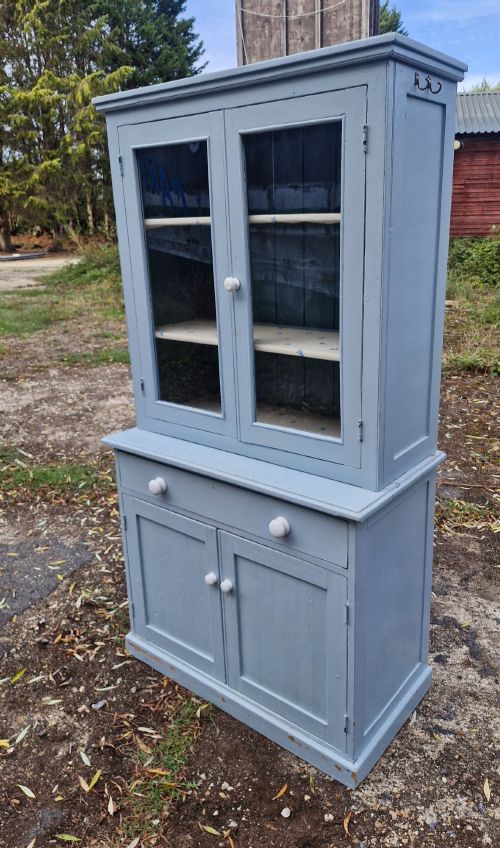
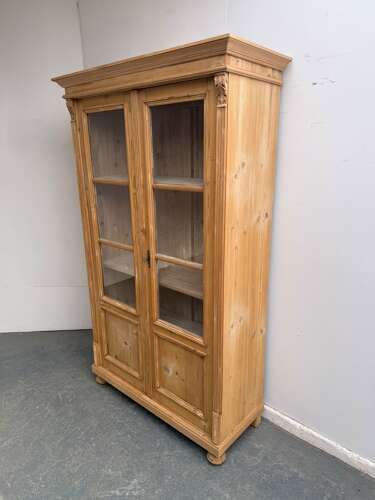
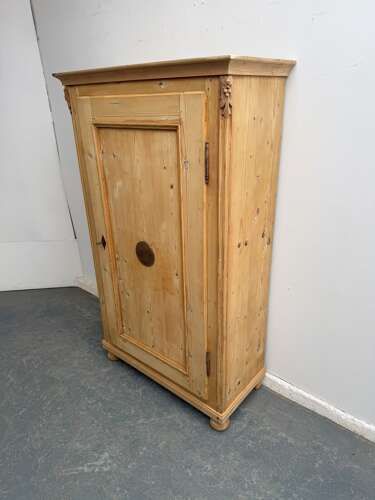
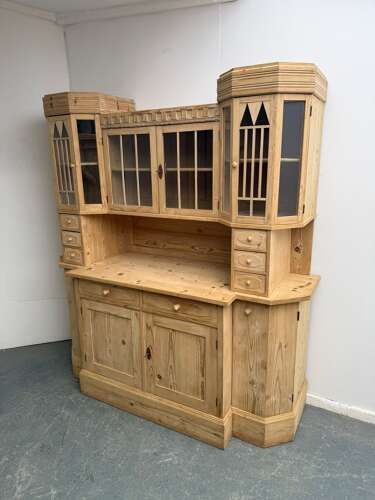
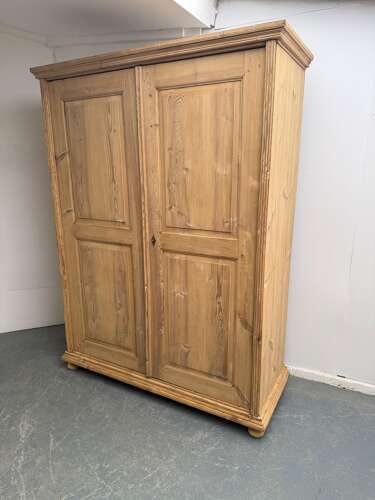
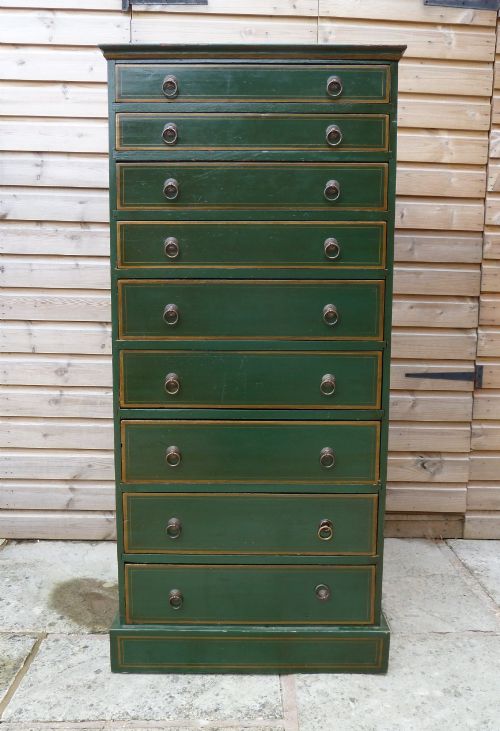
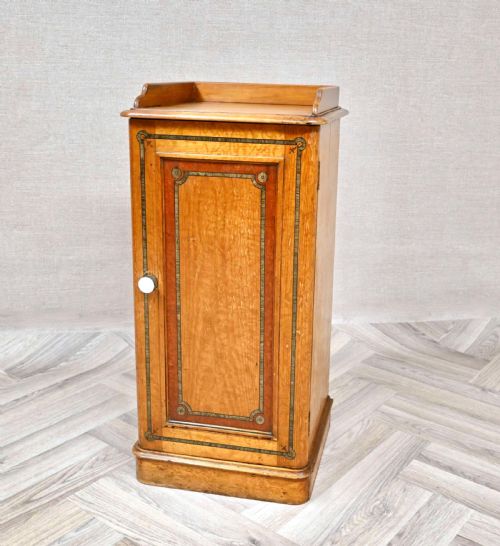
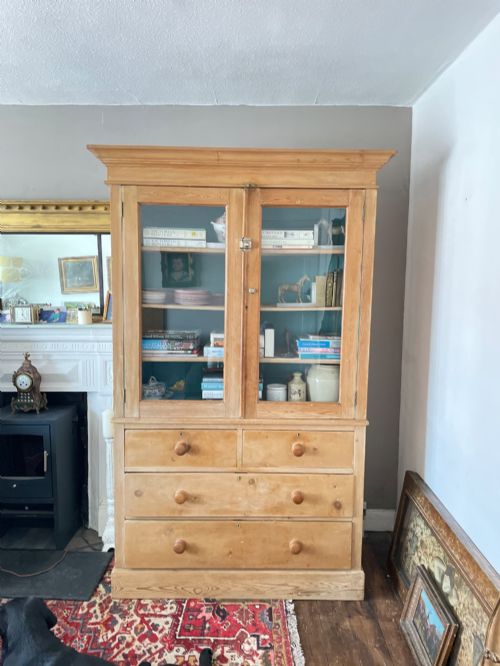
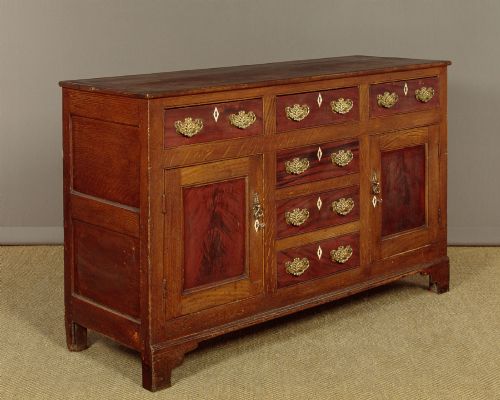
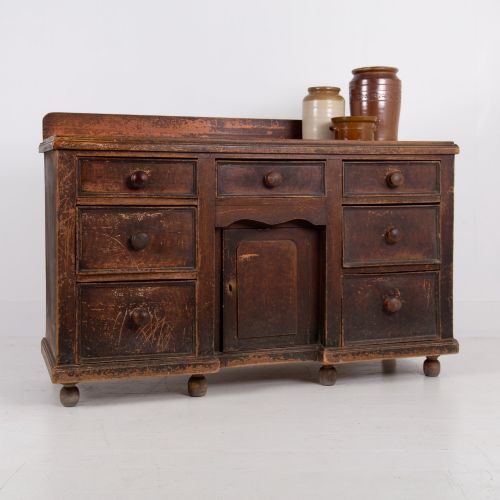
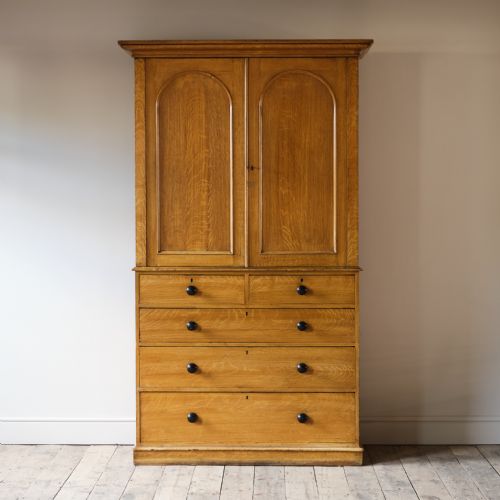
A victorian painted pine cabinet encompasses a broad family of utilitarian furniture, ranging from compact bedside cupboards and glazed display cases to tall housekeepers cupboards and kitchen dressers. The pieces recorded here predominantly hail from the nineteenth century, with Victorian and Edwardian examples joined by rustic farmhouse, Scottish country, and Arts and Crafts variations.
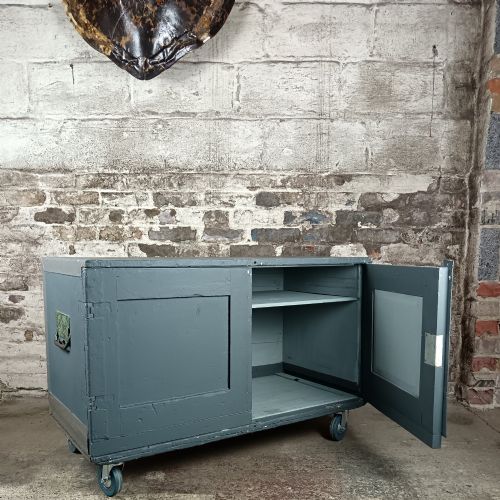
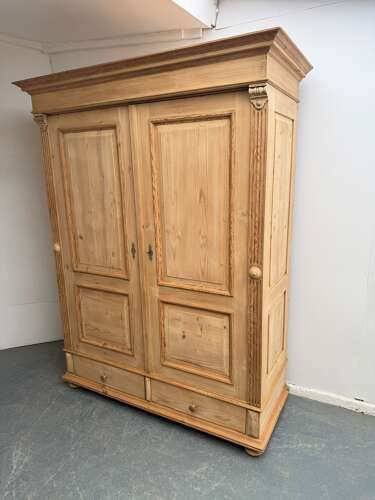
Buyers seeking a victorian painted pine cabinet will most frequently encounter two-door storage cupboards, wardrobe presses, and kitchen base units designed for practical utility. These forms reflect the straightforward storage needs of nineteenth-century households, executed in soft wood and finished with surface coats that range from original historic paint to later decorative treatments.
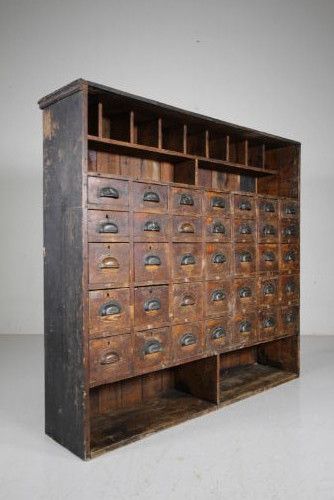
Regional diversity shapes the selection, with English and Scottish country workshops producing sturdy carcases intended for hard daily use. Alongside these, specific pieces like chapel cupboards, shop haberdashers cabinets, and campaign transport cases demonstrate how pine served commercial and institutional settings just as reliably as the domestic scullery.
Materials and Construction
Construction relies primarily on pine timbers, selected for abundance and workability, joined with iron, brass, or cast iron hardware such as hinges, handles, and ventilation grilles. Glazed variants incorporate fitted glass panels to upper doors, while select pieces feature marble tops or delicate hand-painted floral decoration upon ebonised or coloured ground.
Surfaces exhibit traditional decorative techniques, notably scumble painting, original historic oil or water-based paint layers, and waxed finishes applied over bare wood. Joinery methods of the period utilise pegged mortise and tenon frames, dovetailed drawer construction, and panelled doors with fielded or arched detailing.
The listings show nineteenth-century pine furniture finished in original paint, scumble glaze, and plain wax across kitchen dressers, bedside cupboards, and tall storage presses.
Evaluating the Pieces
Quality in these items rests upon the integrity of the original carcase construction and the survival of authentic surface finishes. Pieces retaining their original paint layers or distinct scumble decoration command greater interest than those stripped down or repeatedly repainted over generations.
Proportion and scale distinguish finer examples from standard utility furniture, particularly where architectural elements like arched panel doors, glazed upper sections, or carefully fitted interior shelving remain intact. The balance between robust utilitarian strength and refined detailing marks the distinction across the range.
The Victorian Painted Pine Cabinet Glossary
- Pine
- A soft timber widely utilised for nineteenth-century domestic furniture due to its availability and ease of working. It forms the structural carcase of almost every piece listed.
- Scumble paint
- A decorative graining or patterning technique applied over a base coat using translucent glazes. It imitated more expensive hardwoods like oak or walnut on utility furniture.
- Housekeepers cupboard
- A large tall storage piece traditionally used for linens and provisions in large country houses. They frequently feature upper and lower cupboard sections.
- Fielded panel
- A wooden door or wall insert with bevelled edges that sit within a grooved frame. This construction method allows the timber to expand and contract safely with humidity changes.
- Haberdashers cabinet
- A shop display and storage unit fitted with numerous small drawers or glass fronts. They were built for merchants to organise small textiles and notions.
Victorian Painted Pine Cabinet: Frequently Asked Questions
What is a scumble painted finish?
Scumble painting involves applying a translucent tinted glaze over a solid base colour, then manipulating the wet top layer with combs or rags to simulate richer timber grains. It was a popular nineteenth-century method for giving modest pine furniture a more decorative appearance.
Surviving scumble work provides a distinct visual texture that distinguishes genuine period surface treatments from plain modern coats.
How were these cabinets originally used?
These pieces served practical storage roles across Victorian homes, institutions, and shops, holding linens, kitchen provisions, dry goods, or clothing. Larger dresser bases and housekeepers cupboards worked in sculleries and pantries, while smaller bedside cabinets sat in bedrooms.
Their robust construction was built for heavy daily labour rather than formal display, reflecting the domestic routines of the era.
Are painted finishes original?
Many pieces retain historic layers of paint, whilst others show evidence of being stripped or repainted over decades of domestic service. Original paint often exhibits natural wear, craquelure, and subtle tonal variations from age.
Listings specify whether a piece retains its original paint or is presented stripped and waxed for finishing.
How do I care for antique pine furniture?
Antique pine responds best to stable indoor humidity and gentle cleaning with a soft, dry cloth rather than modern chemical polishes. Waxed surfaces benefit from occasional applications of traditional beeswax to nourish the soft timber.
Keeping pieces away from direct heat sources prevents the pine carcase from drying out and splitting.
What is a knockdown wardrobe?
Knockdown wardrobes were built with pegged or bolted joints that allowed the main carcase to be completely dismantled for transport and reassembly. This clever engineering was essential for moving large furniture up narrow staircases in period homes.
Such pieces retain their original dismantling mechanism, combining practical modular design with solid nineteenth-century construction.