
Victorian Painted Armoire
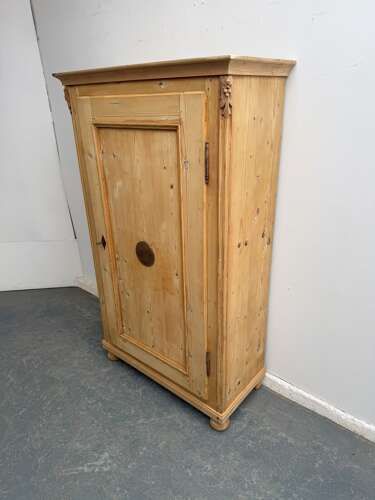
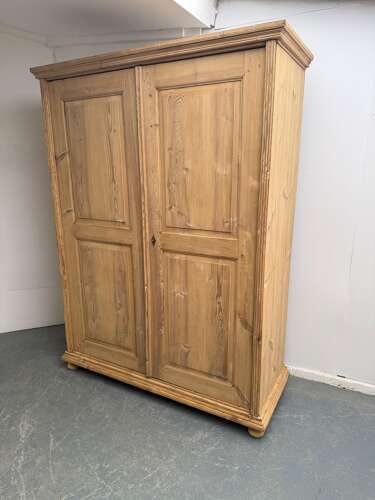
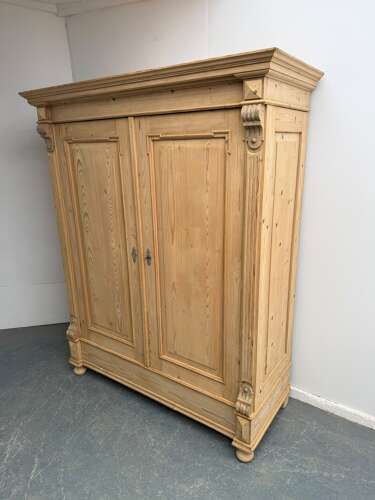
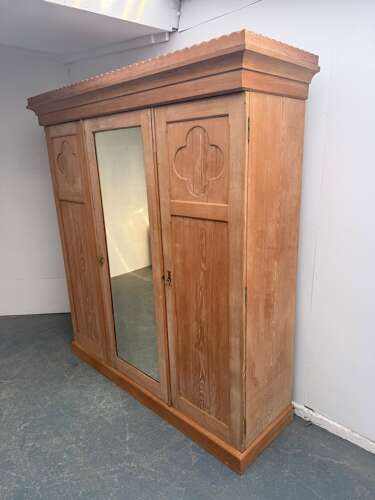
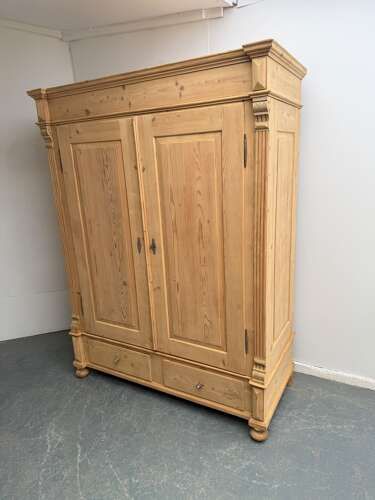
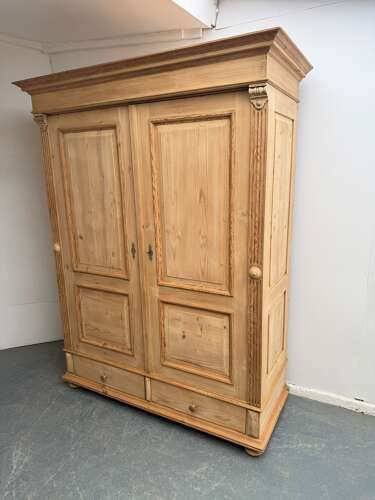
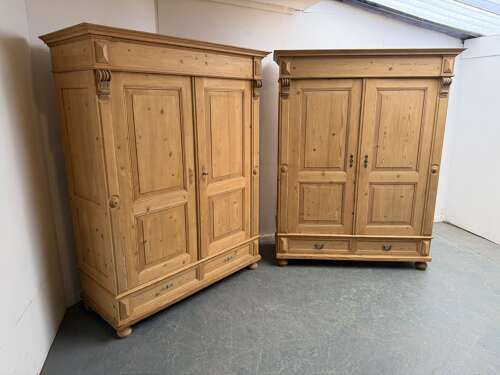
A victorian painted armoire brings period character and substantial storage into a room through generous proportions and surface colour.
Victorian Painted Armoire
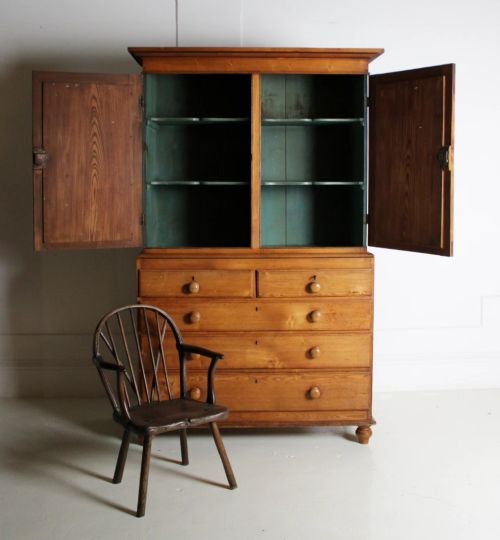
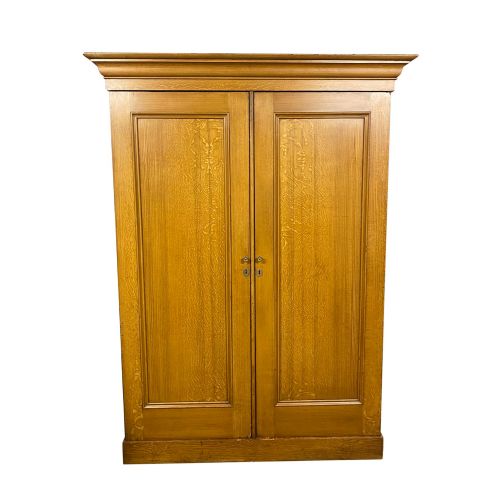
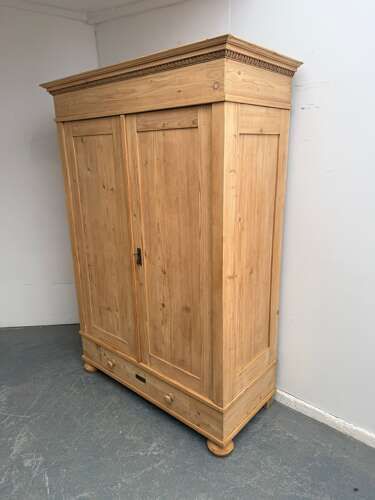
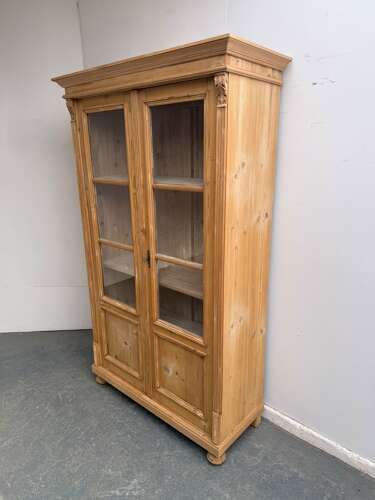
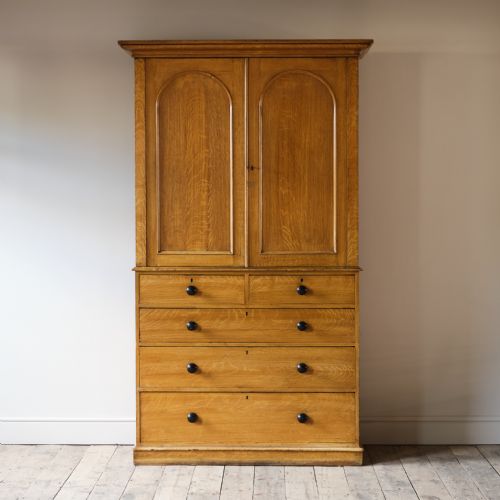
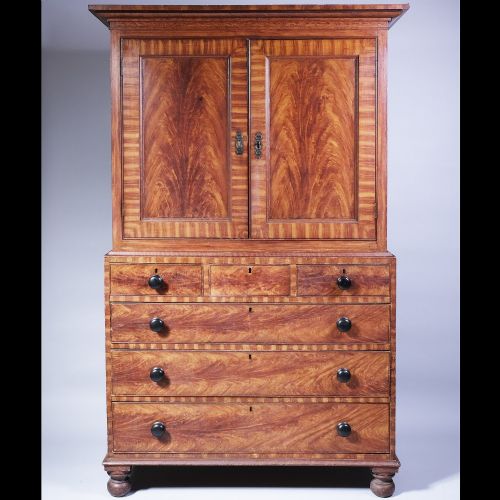
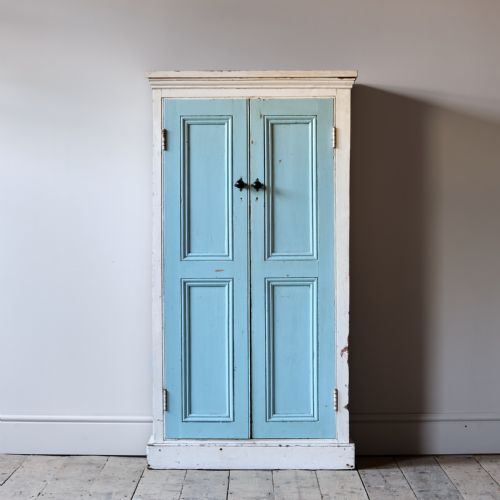
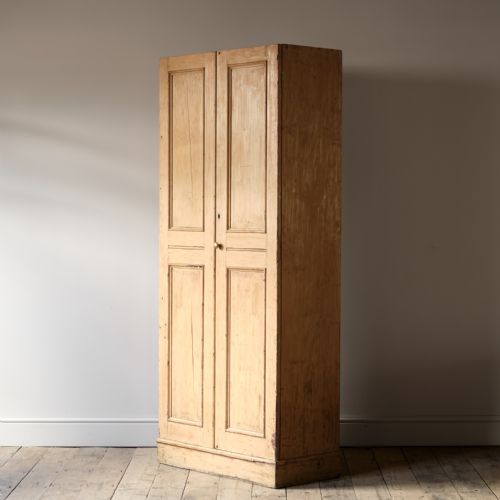
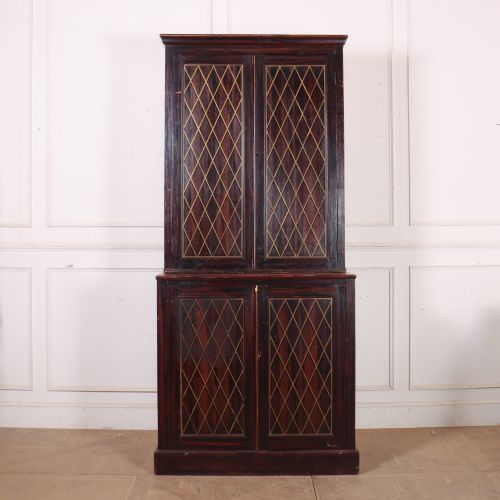
A victorian painted armoire encompasses large freestanding storage pieces such as knockdown wardrobes, linen presses, compactums, and housekeepers cupboards. Most examples found here date from the nineteenth century into the early twentieth century, spanning Victorian and Arts and Crafts periods.
The form typically serves as a primary bedroom wardrobe or a large utility cupboard, designed to dismantle into manageable sections for transport or remain as solid one-piece cabinets. Buyers select these tall wooden cupboards to combine practical hanging space and shelving with decorative painted finishes.
English country workshops and continental makers produced these functional storage units in substantial softwoods like pine, often finished in original scumble paint, folk art motifs, or later decorative colour coats.
How They Were Made
Constructed predominantly from solid pine, ash, and other timbers, these pieces utilise traditional joinery methods including panelled doors, pegged frames, and moulded cornices. Many larger wardrobes employ knockdown construction with metal or wooden fastenings so the heavy frames could be assembled within domestic chambers.
Surfaces receive decorative treatments such as scumble glaze to imitate figured oak, flat oil paint, or folk art decoration over wood. Iron hinges, brass handles, and glass panels complete the structural and functional hardware.
Some nineteenth-century housekeepers guarded their cupboards so fiercely they kept the key on a heavy iron ring tucked inside their apron pockets.
What Varies in Quality
The distinction between standard utility furniture and finer examples lies in the integrity of the original timber and the survival of untouched decorative surfaces. Pieces retaining genuine scumble glaze or early folk paint hold greater material interest than those stripped down or repeatedly repainted.
Proportion and construction detail also separate ordinary workshop output from superior pieces, seen in arched door panels, carved mouldings, and clever interior configurations like adjustable shelving or combined drawers.
The Victorian Painted Armoire Glossary
- Armoire
- A large upright cupboard or wardrobe used primarily for clothing storage. These tall cabinets often feature single or double doors enclosing hanging space and shelves.
- Knockdown
- A piece of furniture engineered to dismantle into separate panels, cornices, and bases for easy transport. This method was essential for moving massive wardrobes up narrow staircases.
- Scumble
- A translucent glaze applied over a base coat and manipulated with combs or rags to simulate the grain of expensive hardwoods like oak. It is a defining decorative finish on nineteenth-century country furniture.
- Linen Press
- A tall storage cupboard featuring upper sliding trays or shelves for textiles and lower drawers for bulkier garments. They provide versatile compartmentalised storage.
- Compactum
- A fitted wardrobe divided internally into dedicated sections for hanging clothes, sliding trays, and small drawers. This multi-purpose design maximises storage efficiency within a single footprint.
Victorian Painted Armoire: Frequently Asked Questions
How do I dismantle a knockdown wardrobe?
Most nineteenth-century knockdown wardrobes rely on internal wooden pegs, bolts, or wedge systems that hold the cornice, base, and sides together. Carefully remove any loose internal fittings before releasing the vertical joints to separate the panels.
Having two people supports the heavy pine sides during disassembly to prevent strain on the original joints and mouldings.
Are these wardrobes suitable for modern hangers?
Many older wardrobes feature shallower internal depths than modern closets because historical clothing requirements differed from today. You may need to check the front-to-back clearance inside before hanging standard contemporary garments.
Some pieces easily accommodate modern rails, while others function best with traditional shelving or shorter hanging items.
How do I care for original painted surfaces?
Preserve delicate scumble glazes and old paint finishes by dusting with a dry microfibre cloth and avoiding harsh chemical cleaning agents. Keep the timber away from direct heat sources and strong sunlight to prevent the painted coating from drying out or flaking.
Applying a gentle microcrystalline wax can protect stable painted pine, but test any product on a hidden area first.
What is the difference between an armoire and a linen press?
An armoire is primarily designed with vertical hanging space behind tall doors for coats and dresses. A linen press traditionally incorporates horizontal sliding trays or shelves in the upper section for folded textiles.
Both forms often share similar exterior dimensions and grand cornices while serving distinct internal storage purposes.