
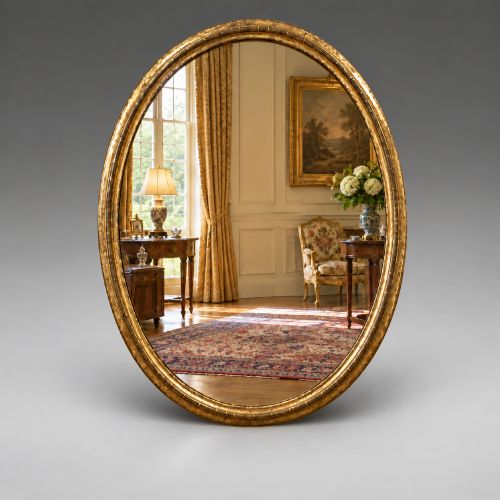
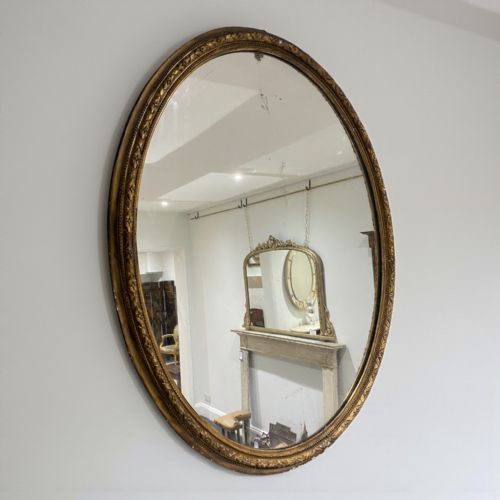
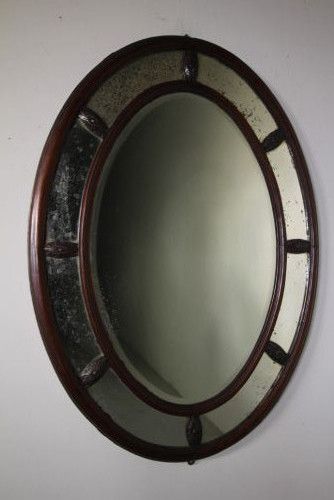
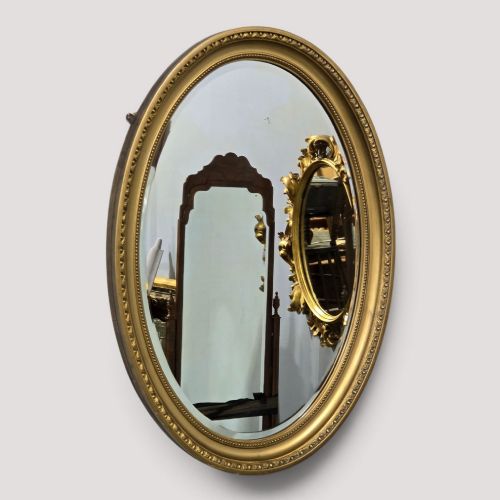

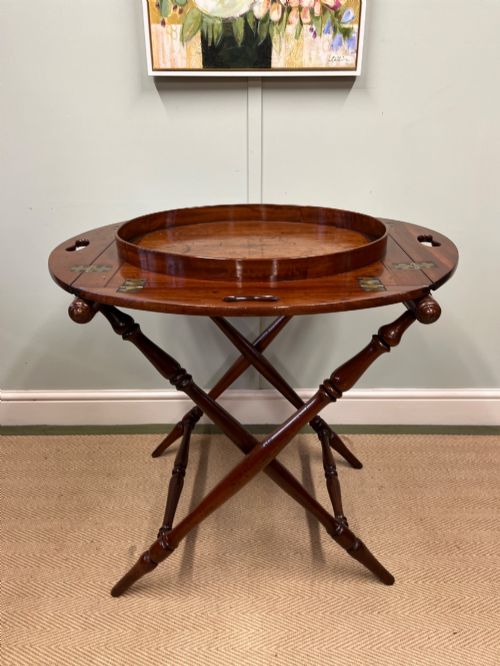
Victorian Oval Frame
A victorian oval frame brings curving nineteenth-century elegance to a room, enclosing mirrors, paintings, and portraits with distinctive scrolled and moulded profiles.
Victorian Oval Frame
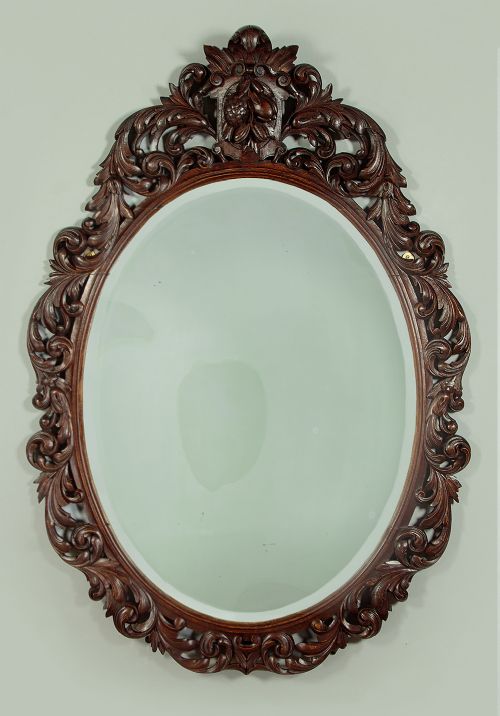
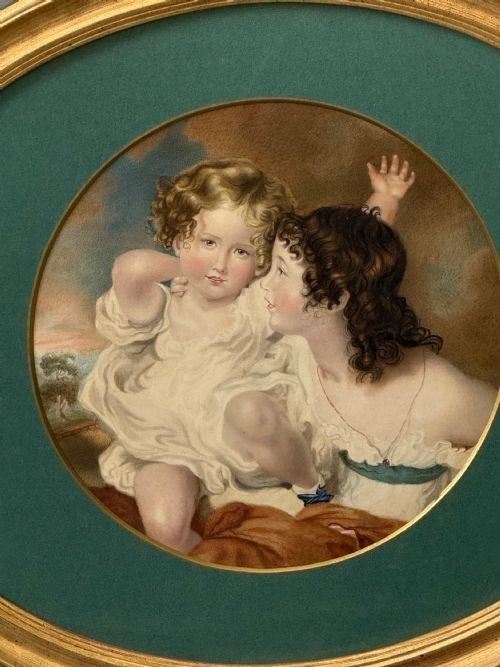
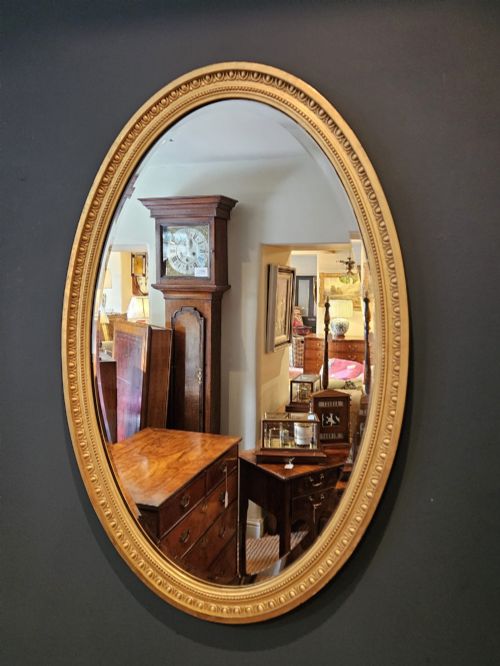
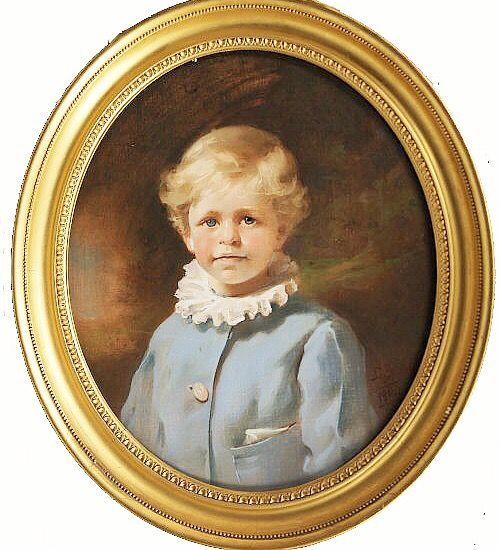
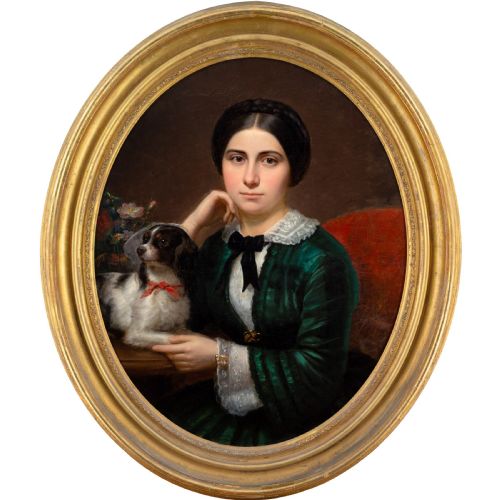
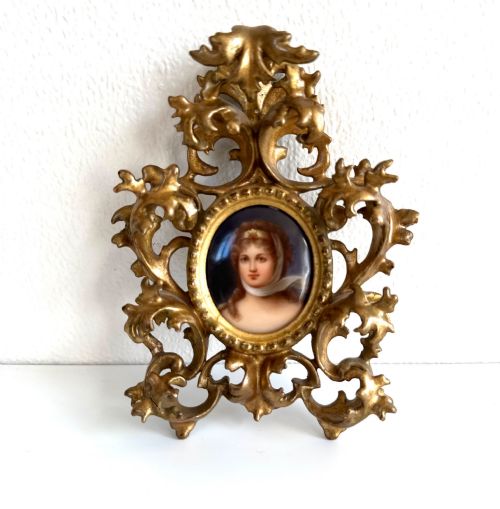
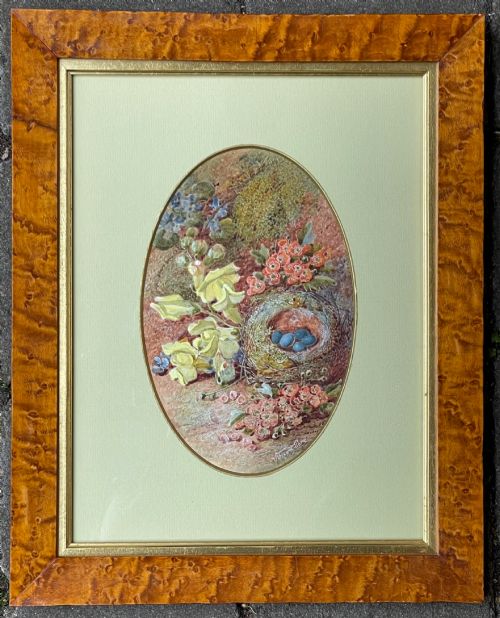
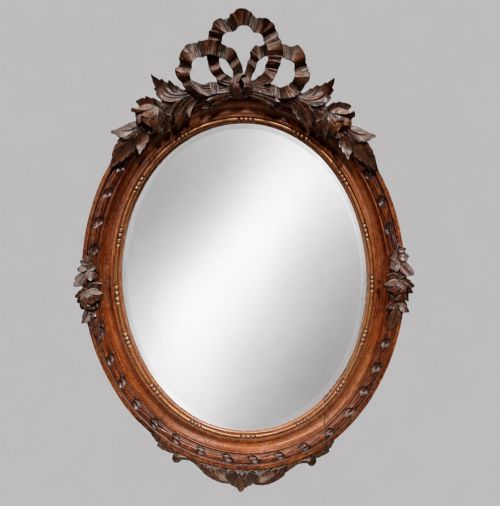
A victorian oval frame encompasses both functional wall mirrors and protective surrounds for portraits, watercolours, and oils. The selection spans robust country house mahogany, ebonised timber, and ornate gilt gesso creations designed to catch the light.
Mirrors and picture enclosures from this period serve as focal points in domestic interiors. The curved format softens angular wall spaces and provides a traditional contrast to rectangular furnishings.
Most examples found here originate from the nineteenth century, including Victorian, Edwardian, and late nineteenth-century revivals. They range from compact tabletop and miniature cases to large wall-hanging pieces.
How they were made
Carved timber and composite materials form the backbone of these pieces, with gesso applied over wood to build up intricate surface decoration. Artisans shaped giltwood, mahogany, oak, and brass into sweeping curved profiles.
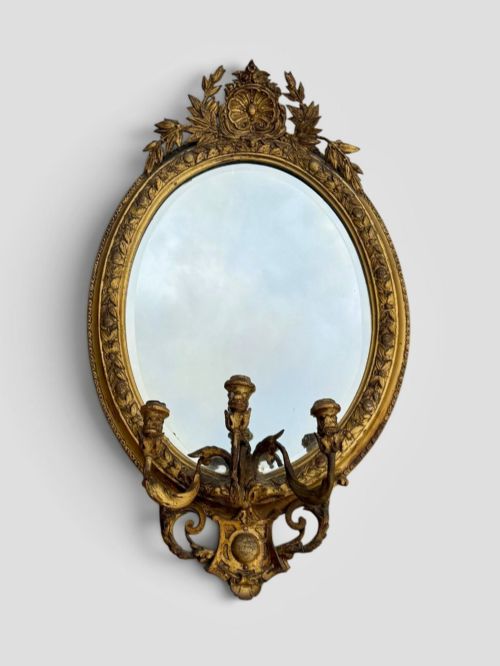
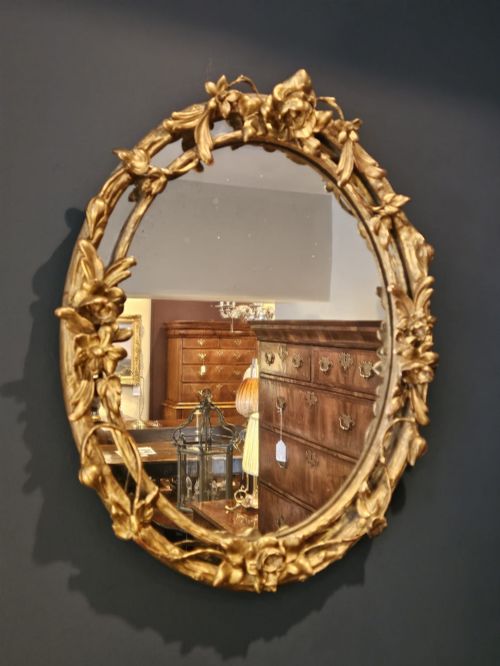
Gilding techniques involved applying thin gold leaf or bronze paint over prepared gesso grounds, often complemented by deep box mounts, velvet linings, and secure glass glazing.
Several Victorian pieces double as deep glazed boxes, originally designed to keep delicate keepsakes safe behind glass.
What varies in quality
The depth of carving and the crispness of moulded ornament dictate the standard of execution. Superior items display hand-carved detail in the wood and refined application of gesso rather than simple cast repetition.
Material selection also separates the ordinary from the exceptional, visible in the weight of the timber, the integration of parcel-gilt highlights, and the preservation of original gilding and glass.
Dumini Leopoldo·Vincent Clare·Michelangelo Meucci
The Victorian Oval Frame Glossary
- Gesso
- A plaster-like mixture applied to wood surfaces as a base for moulding and gilding. It allows craftsmen to carve intricate relief patterns before applying gold leaf.
- Giltwood
- Timber coated with gold leaf or gold paint. This finish creates a reflective and decorative surface popular in nineteenth-century interiors.
- Girandole
- A branched wall-mounted fixture or mirror fitted with candle holders. The reflective glass multiplies the candlelight within the room.
- Patera
- A circular ornamental bas-relief resembling a classical libation dish. These motifs often accent the corners or borders of nineteenth-century frames.
- Ebonised
- Wood treated to imitate ebony through staining or painting. This dark finish provides a sharp contrast to parcel-gilt details.
Victorian Oval Frame: Frequently Asked Questions
How do I hang a heavy victorian oval frame safely?
Heavy frames require sturdy wall fixings anchored directly into masonry or wall studs to support the substantial weight of wood and glass. Utilising a two-point hanging system distributes the load evenly and keeps the piece secure.
Ensure the hanging wire or brackets attached to the back match or exceed the weight of the object. Professional mirror fixings prevent shifting over time.
Can I polish the gilt surface of an old frame?
Original gilt surfaces require minimal intervention because aggressive cleaning strips away thin layers of gold leaf or gilt paint. Dusting gently with a soft, dry brush is usually sufficient for maintenance.
Avoid chemical polishes and water on antique gesso and giltwood, as moisture causes the underlying plaster to soften and flake away.
What is the difference between a mirror frame and a picture frame?
Mirror frames are constructed to hold heavy glass plates, often featuring deeper rebate depths and robust internal bracing. Picture frames generally house lighter canvas, paper, or panel artworks.
Many nineteenth-century surrounds were adapted over time, switching between portrait paintings and mirrors depending on domestic fashions.
How do I date a curved nineteenth-century frame?
Dating relies on examining the construction materials, joinery at the reverse, and the style of the gesso ornamentation. Victorian pieces often display hand-mixed gesso formulations and specific fastening methods.
Comparing the decorative motifs, such as rococo revival scrolls or aesthetic movement ebonising, helps narrow the decade of production.