

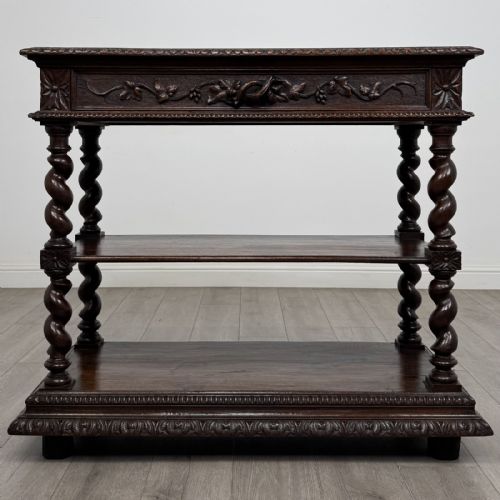
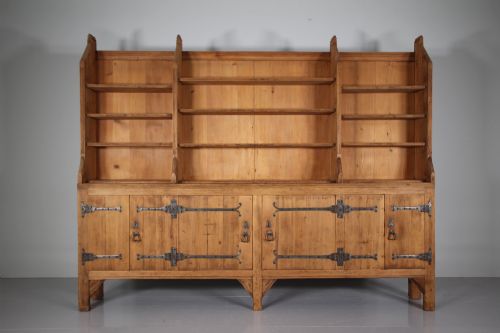

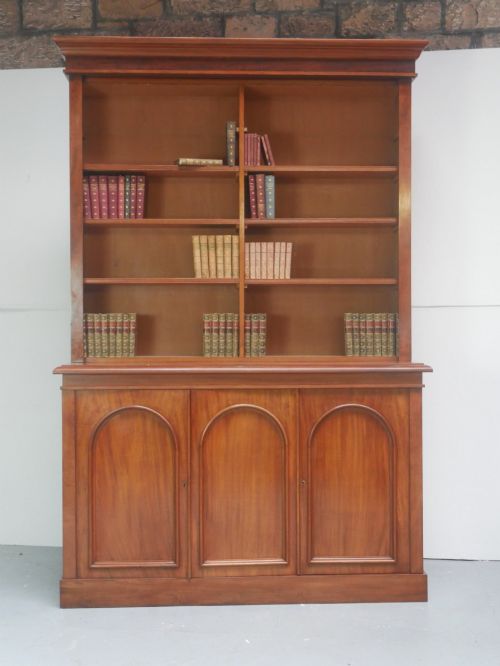
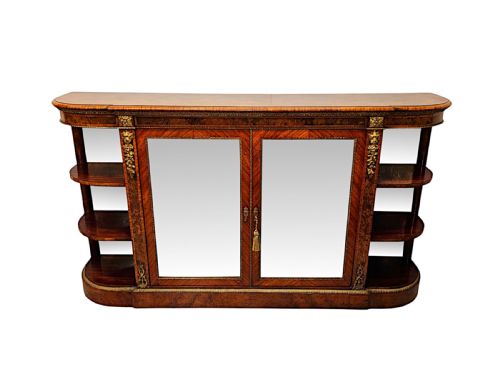



Victorian Open Dresser
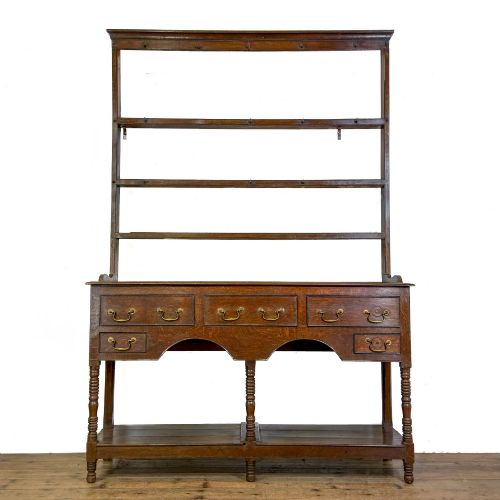
A victorian open dresser brings honest working timber and practical open display straight from the farmhouse kitchen into the modern home.
Victorian Open Dresser
A victorian open dresser combines a lower storage base of drawers and cupboards with an upper tier of open shelves for displaying plates and everyday wares. These pieces hail principally from nineteenth century rural workshops across Wales, England, and Scotland.
The version you meet most often on this page is constructed from pine, oak, or mixed country woods, often retaining traces of original paint or stripped surfaces. They emerge from regional traditions spanning Welsh vernacular styles to English farmhouse designs.
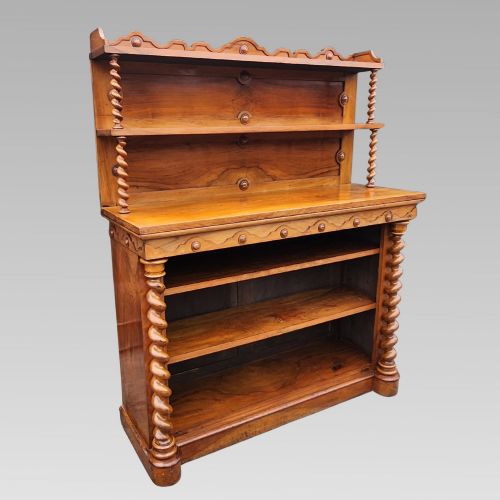
Beyond the classic kitchen format, the selection includes related regional forms such as potboard dressers, dresser bases paired with separate racks, and open bookcases. Each piece reflects the utilitarian needs of nineteenth-century domestic life.
How they were made
Carpenters utilised solid regional timbers including pine, oak, mahogany, elm, and walnut, often pairing sturdy structural frames with simpler secondary woods. Surfaces were left natural, waxed, or finished in traditional paint.
Construction relied on traditional joinery techniques suited to heavy daily use in country houses and cottages. Brass hardware, glass elements, and occasionally metal mounts or inlaid details appear on more formal iterations.
Victorian Open Dresser Retail Price Guide 2026
Typical asking prices for victorian open dresser among the pieces listed under this phrase on Sellingantiques today, from the lower quarter to the upper quarter. They describe what is for sale here now, not the wider market.
The listings span the nineteenth century, featuring regional pine, oak, and walnut forms alongside painted country house and Gothic revival styles.
What varies in quality
Quality rests in the integrity of the timber selection and the restraint of regional craftsmanship, where local vernacular proportions dictate the visual balance. Pieces retaining untouched surfaces or authentic regional quirks command greater appreciation among collectors.
The relationship between the base and the upper rack also defines the piece, as integrated designs show a more cohesive construction than married components. Finer examples display thoughtful detailing in cornice mouldings, potboards, and drawer arrangement.
Gillows·Augustus Pugin
The Victorian Open Dresser Glossary
- Potboard dresser
- A traditional dresser featuring an open lower shelf near the floor, originally designed for storing heavy pots and pans. This lower board sits raised on stile feet.
- Plate rack
- The upper shelving section of a dresser, fitted with horizontal grooves or plate rails to hold dishes upright for display and drying. These racks can be wall-mounted or fixed directly to the dresser base.
- Welsh dresser
- A regional cabinet type traditionally featuring open shelving above a base of drawers and cupboards. Welsh examples often display distinct proportions and local timber choices.
- Vernacular furniture
- Domestic pieces made by local carpenters using regional materials and traditional styles rather than following formal metropolitan pattern books. These objects reflect the specific practical needs of their local area.
- Breakfront
- A cabinet design where the central section projects forward from the flanking outer sections. This arrangement creates visual depth and varied storage compartments across the base.
Victorian Open Dresser: Frequently Asked Questions
What is a victorian open dresser used for?
These pieces served as the central storage and display unit in nineteenth-century kitchens and pantries, holding everyday ceramics, cookware, and dry goods.
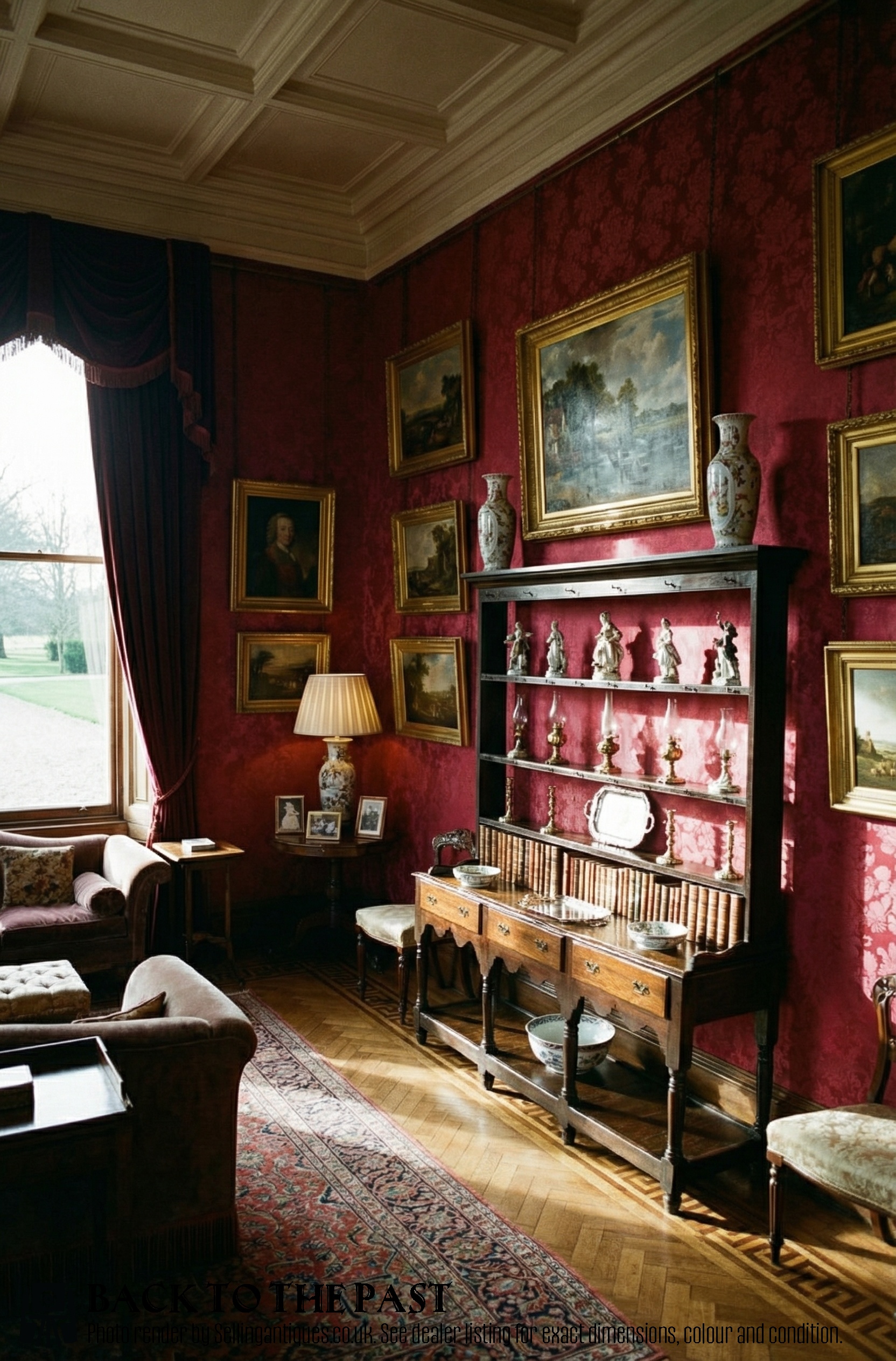
Today, they function brilliantly in modern dining rooms or kitchens for displaying tableware, books, and collections while providing practical enclosed storage below.
How do I identify a regional style?
Regional attribution relies on the choice of timber, construction methods, and specific structural traits like potboards or distinct cornice profiles.
Pieces originating from Wales often show characteristic local joinery and vernacular proportions that separate them from English farmhouse equivalents.
Are the upper racks always attached?
Many traditional dressers were built as two separate sections comprising a base cabinet and a removable upper plate rack for easier transport.
Some surviving examples feature wall-hanging shelves or separate components that were joined together during their working life.
How do I care for painted pine surfaces?
Original painted finishes require gentle cleaning with a dry or barely damp cloth to preserve the historic patina and underlying layers.
Avoid harsh chemical cleaning agents and excessive moisture that might lift or damage fragile nineteenth-century paintwork.