
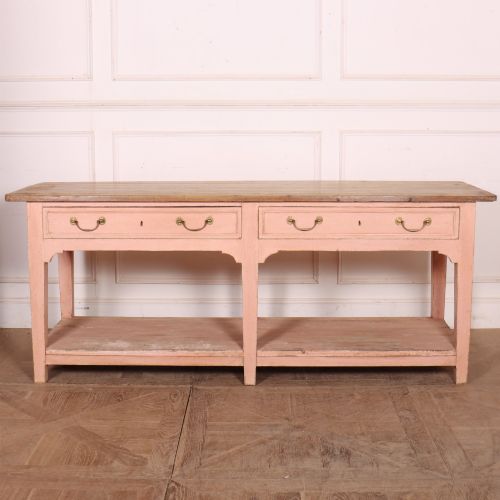

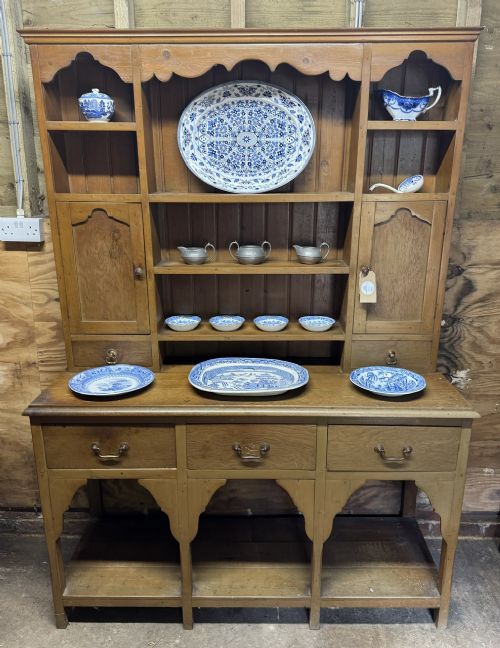
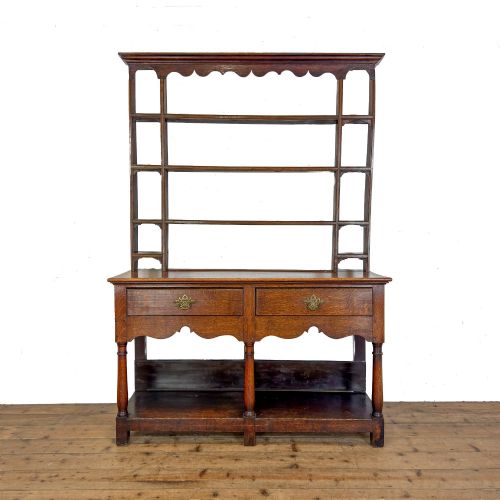
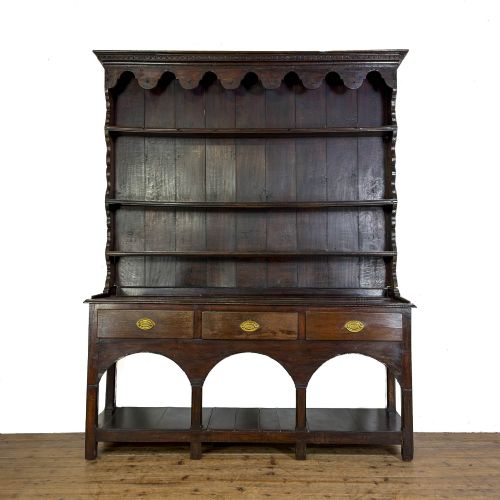
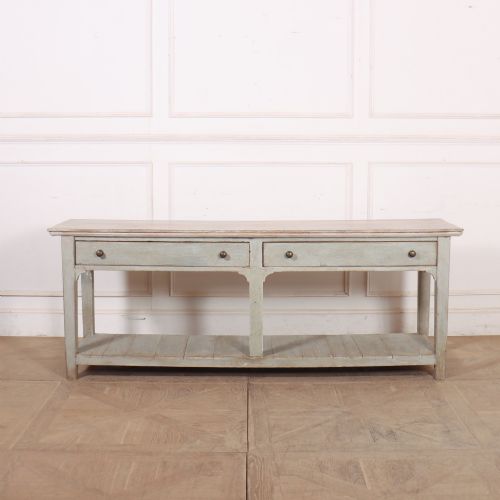
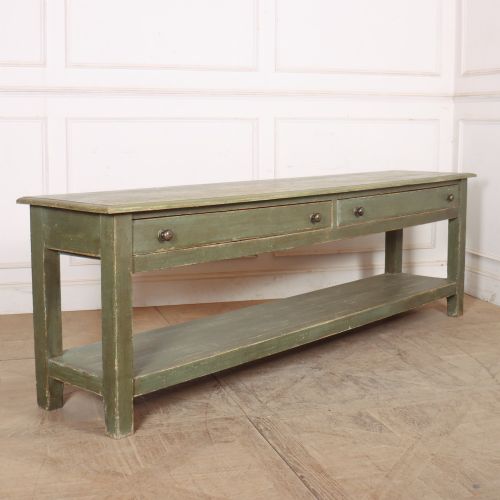


Potboard Kitchen Dresser
A potboard kitchen dresser brings enduring utility to a room, offering open lower storage and sturdy timber construction suited for daily life.
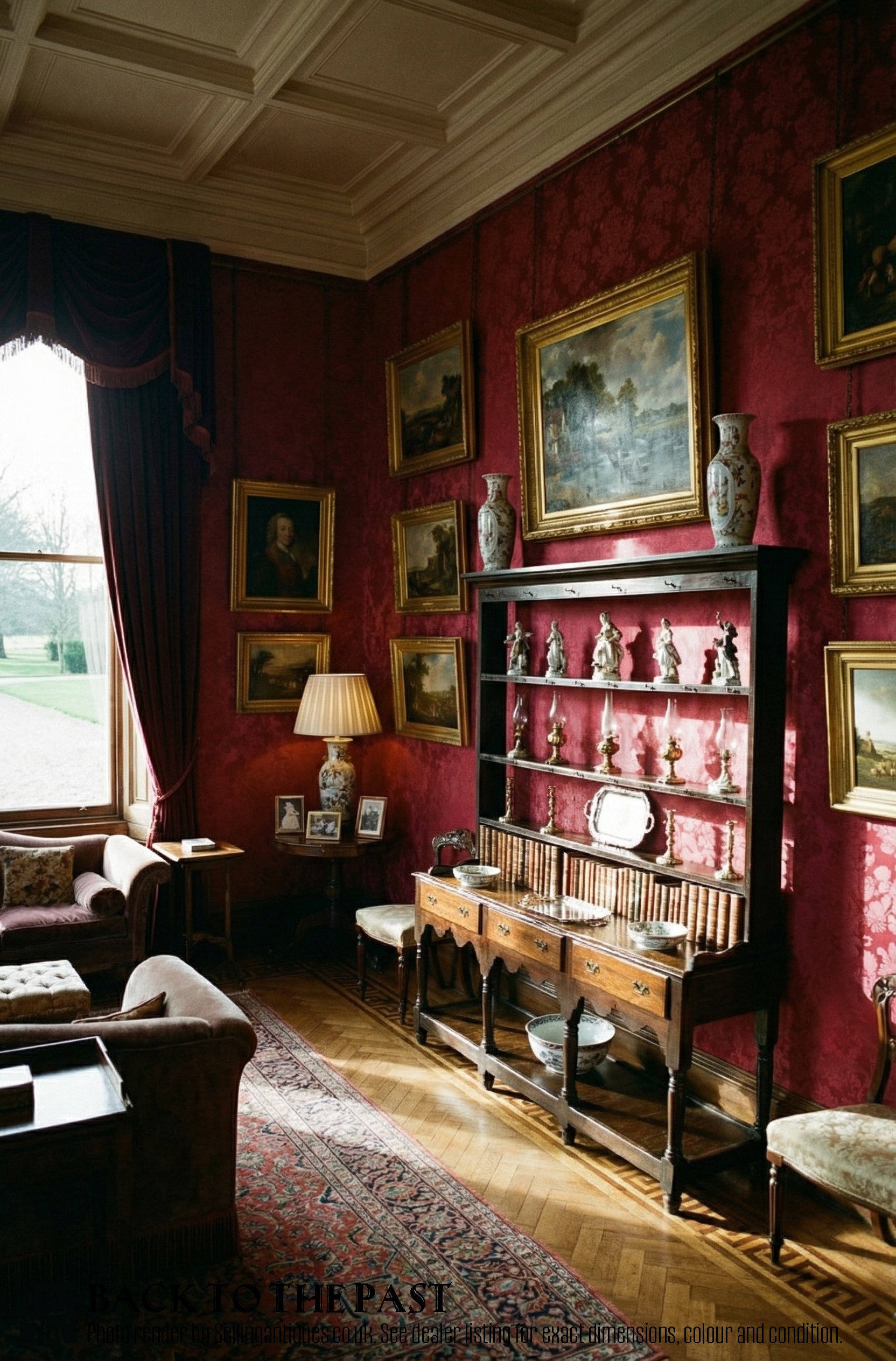
Potboard Kitchen Dresser
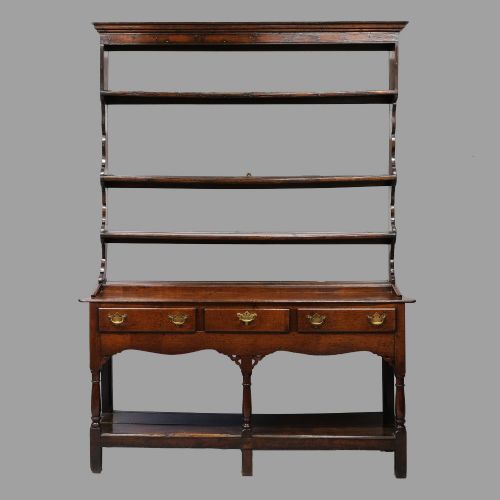
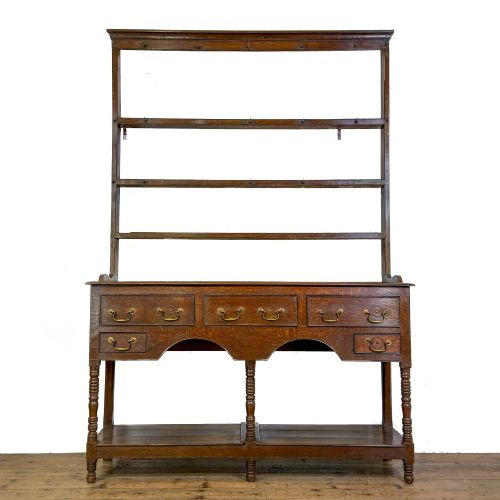
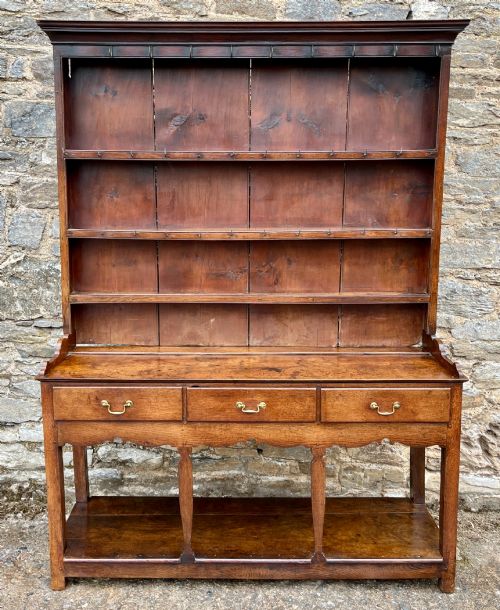
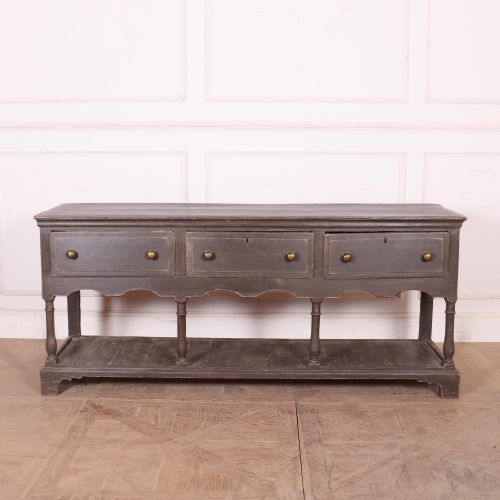
A potboard kitchen dresser provides practical surface space alongside a low slatted shelf known as a potboard, traditionally used for storing heavy pots and pans. When you search for a potboard kitchen dresser, you encounter heavy furniture rooted in English and Welsh vernacular traditions.
The pieces appearing on this page span several centuries, with a strong representation of 18th-century and 19th-century examples. Most available items showcase regional English and Welsh styles, often incorporating open plate racks or functioning as simple dresser bases.
Makers working within these historical periods built pieces for hard-wearing domestic use, resulting in sturdy proportions and functional designs. Oak remains the predominant timber, though pine and painted wood appear regularly across regional workshops.
How they were made
Cabinet makers utilised native timbers, principally oak and pine, joined with traditional pegged mortise and tenon construction to ensure lasting strength. Iron and brass fittings, including hinges and drawer pulls, were fashioned by hand to secure working doors and drawers.
Surfaces were frequently finished with paint or left as bare timber, allowing the wood to develop character and patina through decades of household use. Some examples feature geometric carvings or distinct mouldings applied to the frieze and drawer fronts.
Some dressers still bear the faint circular scars left by heavy earthenware bowls resting on the potboard for generations.
What varies in quality
The distinction between standard examples and exceptional pieces lies in the choice of timber and the crispness of regional detailing. Superior pieces display well-figured native oak with undisturbed patination and harmonious proportions, particularly those originating from specific localities like South Wales or Snowdonia.
Integrity of construction and the retention of original elements, such as potboards, plate racks, and brass or iron hardware, determine the standing of each piece. Later alterations or replaced timber diminish the historical continuity that collectors value.
The Potboard Kitchen Dresser Glossary
- Potboard
- A low slatted shelf positioned near the floor of a dresser base, traditionally designed to hold heavy earthenware and metal pots. This lower tier defines the structural form of the furniture.
- Welsh Dresser
- A traditional type of kitchen storage featuring a base with drawers and cupboards, typically surmounted by an open plate rack. These pieces often exhibit distinctive regional characteristics from various Welsh counties.
- Patina
- The deep sheen and surface alteration developed on timber over centuries of handling, cleaning, and exposure to light. Original patina indicates minimal modern intervention.
- Plate Rack
- An upper wooden shelving structure attached to the dresser base, fitted with vertical slats or grooves to display ceramic plates upright. Many survive alongside their original bases.
- Vernacular
- Furniture built by local tradesmen using regional traditions and native materials rather than following metropolitan academic designs. This style prioritises utility and local availability of timber.
Potboard Kitchen Dresser: Frequently Asked Questions
What is a potboard dresser?
A potboard dresser is a traditional kitchen furnishing featuring a low slatted shelf beneath the main body for storing cookware.
These pieces combine surface workspace with accessible open storage, reflecting centuries of domestic utility.
How do I date an oak dresser?
Dating relies on examining construction methods, timber selection, tool marks, and hardware types used throughout the piece.
Earlier examples from the eighteenth century typically show hand-sawn boards, pegged joints, and native oak patination distinct from later Victorian manufacturing.
Were these dressers painted originally?
Many historical kitchen dressers received coats of paint to protect softer timbers or to match regional interior aesthetics.
Surviving early paint layers add significant historical interest and visual texture to the timber beneath.
How do I care for antique timber?
Protect antique wood by maintaining stable room humidity and avoiding direct placement near heat sources or strong sunlight.
Apply occasional traditional wax polish to nourish the surface and preserve the natural patina without sealing the grain.