
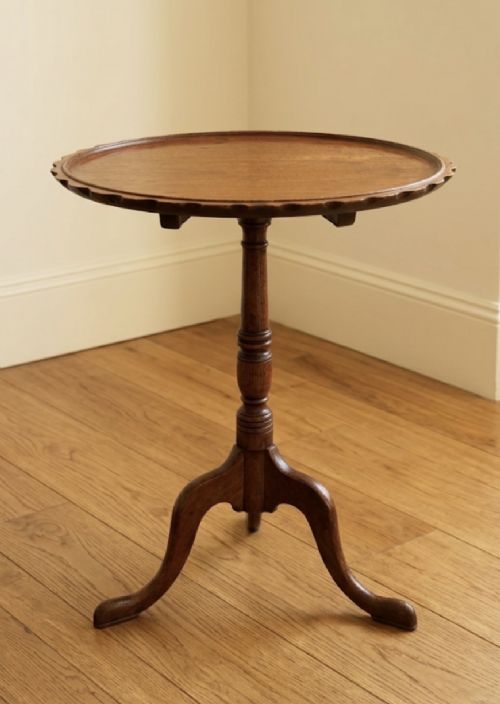


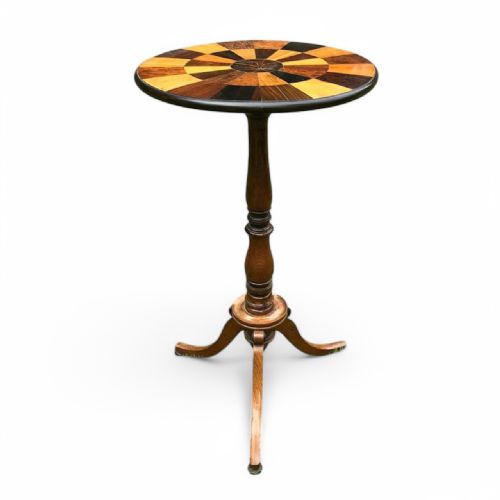


Victorian Oak Wine Table
A victorian oak wine table brings sturdy nineteenth-century charm to a corner, offering a compact surface for drinks or books.
Victorian Oak Wine Table
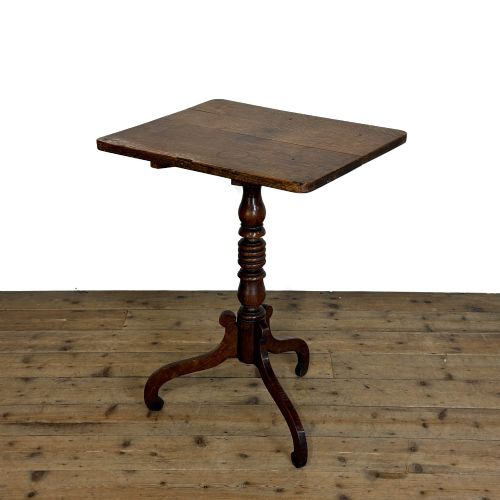
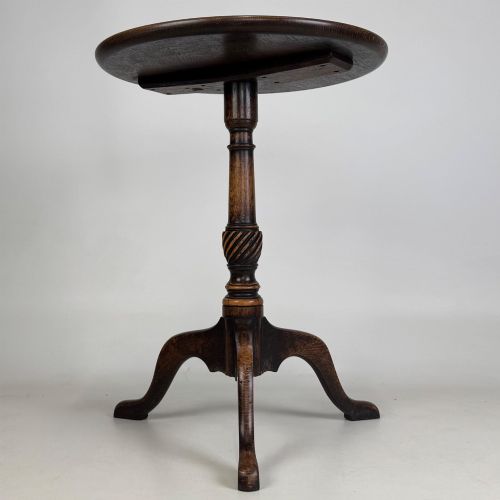
A victorian oak wine table typically takes the form of a small occasional table or tripod stand designed for domestic hospitality. These pieces frequently feature circular or carved tops supported by central pedestals or three-legged bases.
The selections span mid to late nineteenth-century periods, alongside related expressions such as Gothic Revival and occasional country house pieces. Buyers encounter versatile small stands suited for use beside chairs or in narrow spaces.
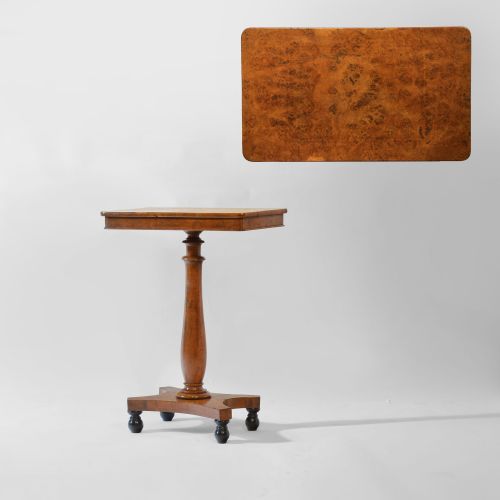
Makers utilised timber varieties including solid oak and pollard oak, sometimes pairing them with mixed wood veneers or brass details. The underlying construction prioritises portability and compact domestic utility.
Construction and Materials
Cabinet makers relied primarily on solid oak and pollard oak, turning pedestals on lathes and joining tops to tripod legs. Selected examples incorporate brass mounts, carved details, or tilt-top mechanisms for storage.
Surface finishes range from natural waxed timber to carved zodiac or foliage motifs reflecting Gothic influence. Structural joints depend on traditional pegging and sturdy turning techniques.
Listings feature nineteenth-century oak alongside pollard oak, brass, and mixed wood veneers across occasional and wine table forms.
Assessing Quality and Execution
Superior examples distinguish themselves through crispness of timber carving, stability in the central tripod base, and thoughtful selection of figured pollard oak. Plain utilitarian pieces contrast with elaborately carved parlour tables featuring tilt mechanisms.
The integrity of the pedestal attachment and the weight distribution across the three feet determine everyday usability. Finer specimens show careful joinery in the tabletop construction and balanced proportions.
The Victorian Oak Wine Table Glossary
- Tilt top
- A tabletop mounted on a hinged mechanism allowing the surface to fold vertically when not in use. This design saved floor space in smaller nineteenth-century rooms.
- Tripod base
- A support structure comprising three legs radiating from a central pillar. It ensures stability on uneven floors.
- Pollard oak
- Timber taken from trees that were cut back to promote dense branching, creating highly figured wood grain patterns. Cabinet makers prized this material for decorative table surfaces.
- Gothic Revival
- An architectural and decorative style drawing inspiration from medieval forms. Pieces often display pointed arches, clover leaf motifs, and heavy carving.
- Occasional table
- A small, movable table designed for specific, intermittent domestic uses rather than central room placement.
Victorian Oak Wine Table: Frequently Asked Questions
What was a wine table used for?
These small stands served as convenient surfaces for holding wine bottles, glasses, or decanters during evening gatherings in nineteenth-century parlours and drawing rooms.
Their compact size allowed servants to move them easily around seated guests as needed.
How do I spot a tilt top?
Look underneath the circular surface for a catch or pivot mechanism that releases the tabletop from the central pedestal column.
This feature allowed the table to be stored flat against a wall when the room was cleared.
Are these tables sturdy enough for daily use?
Solid oak construction provides robust durability for holding lamps, books, or drinks in modern settings.
Buyers should check that the tripod legs remain firmly fixed to the central column to ensure proper balance.
How do I date a nineteenth-century piece?
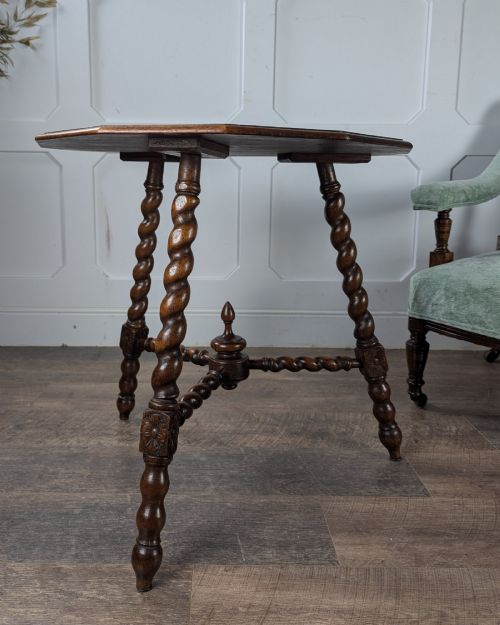
Dating relies on observing stylistic markers such as Gothic Revival carving, turned barley twist legs, or the presence of pollard oak veneers.
Construction methods like hand-turned pedestals and traditional joinery also offer clear clues to the manufacturing decade.
Where do these tables fit best at home?
Their modest footprint makes them ideal as lamp stands beside armchairs or as display surfaces in narrow hallways.
They slide easily into corners where larger furniture would overwhelm the floor plan.