
Victorian Oak Server
When you search for a victorian oak server, you encounter substantial nineteenth-century dining room furniture designed for heavy service and display.
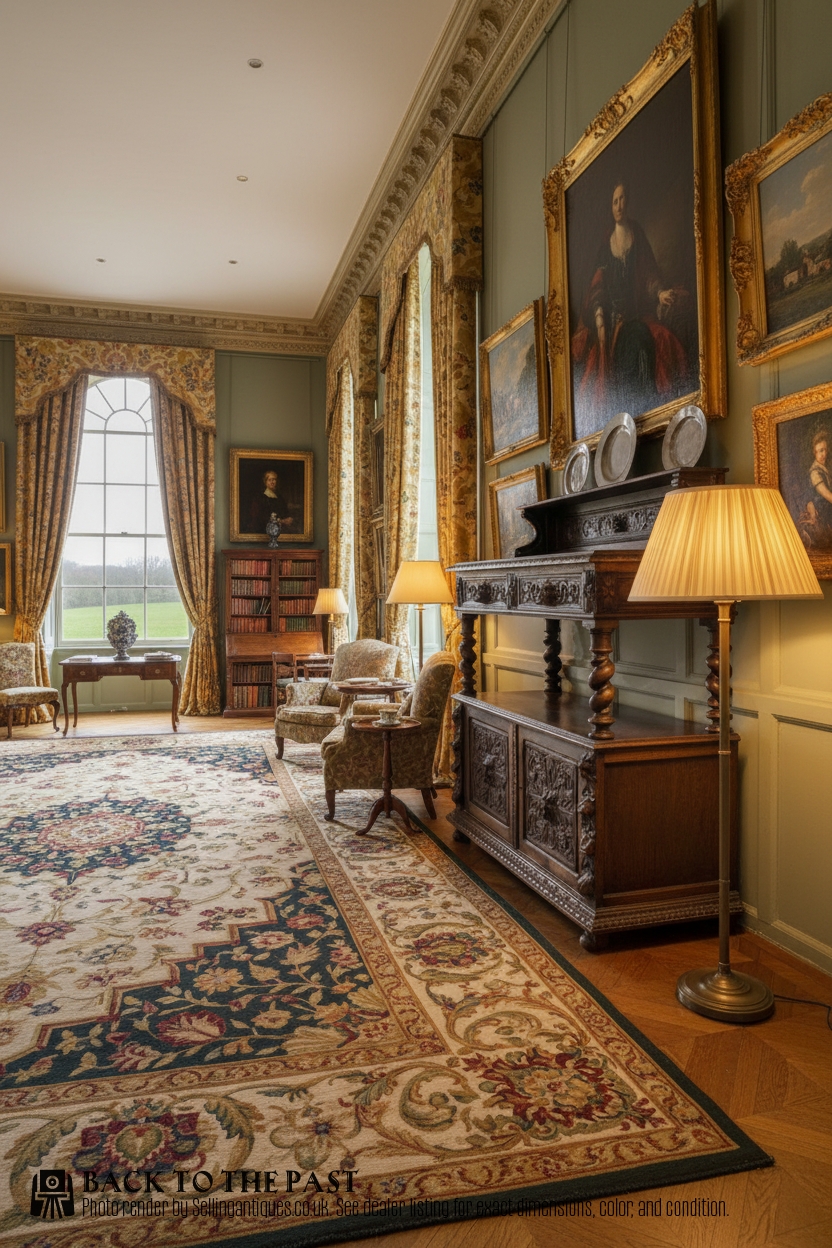
Victorian Oak Server
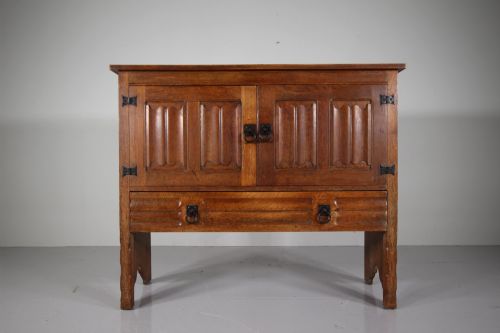
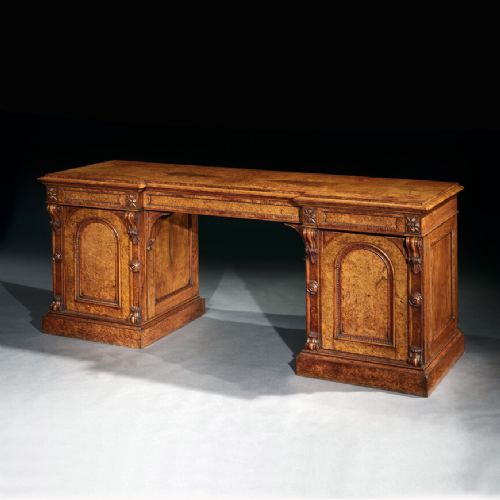
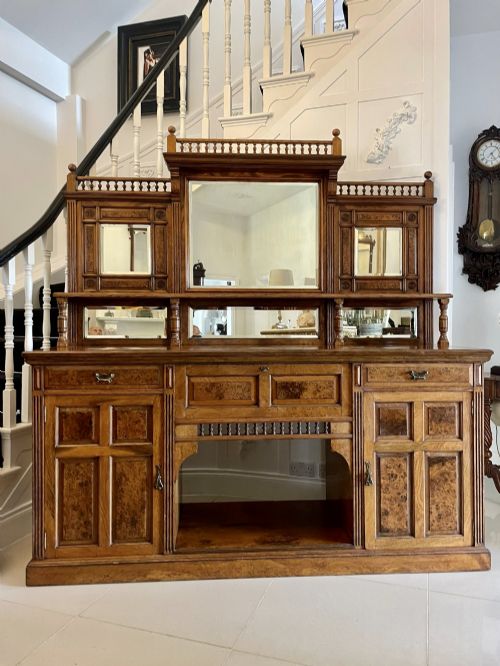
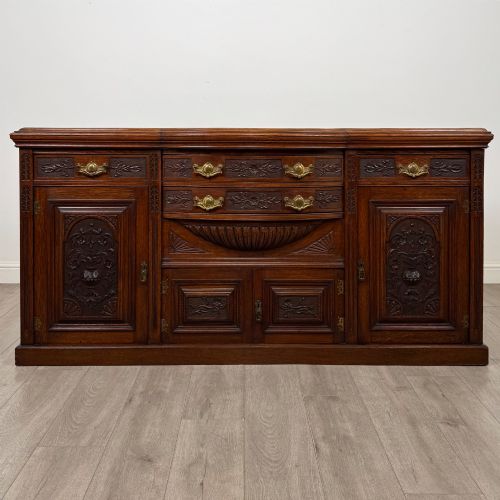
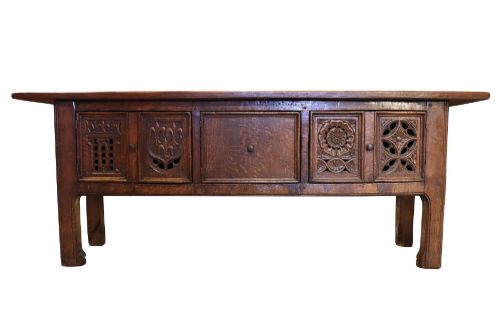
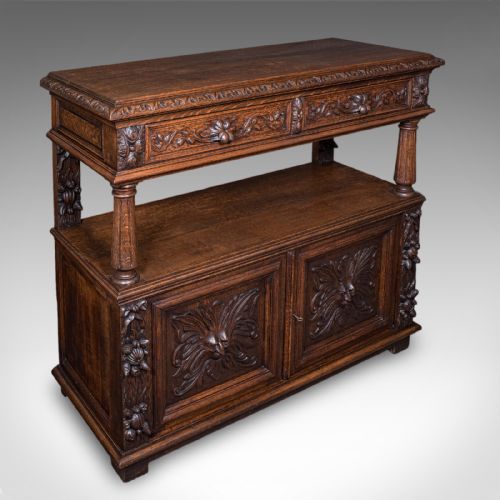
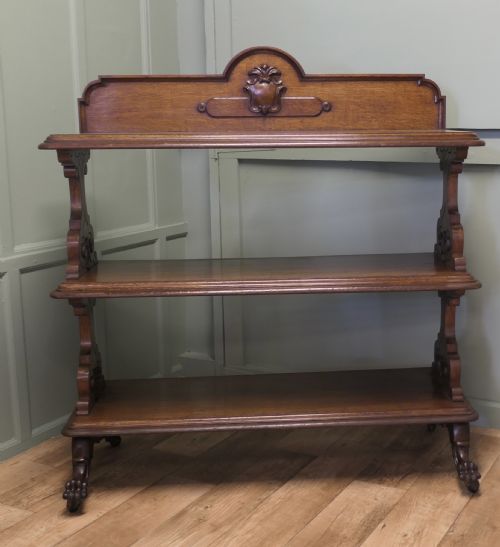
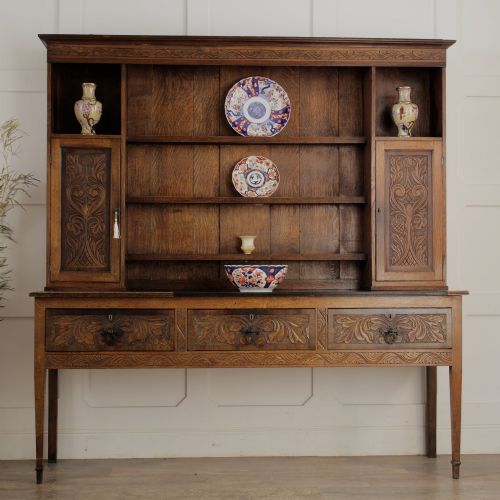
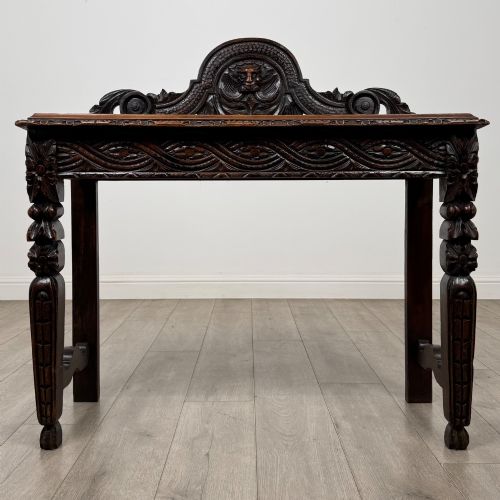
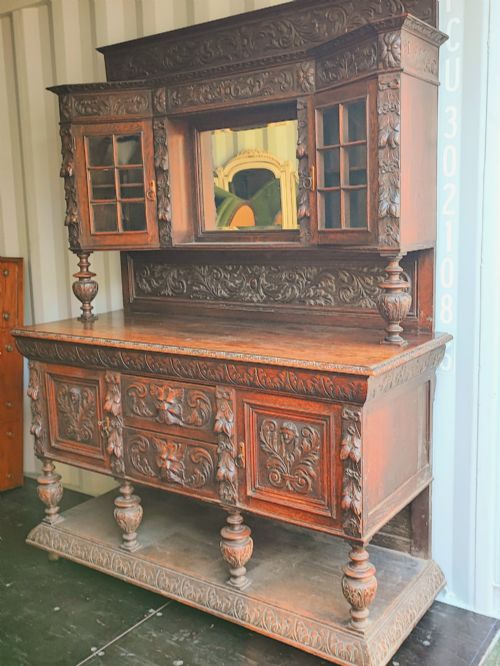
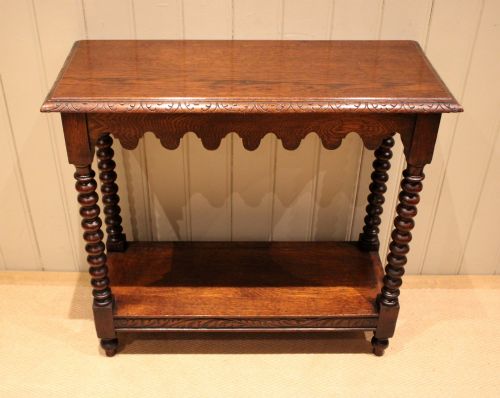
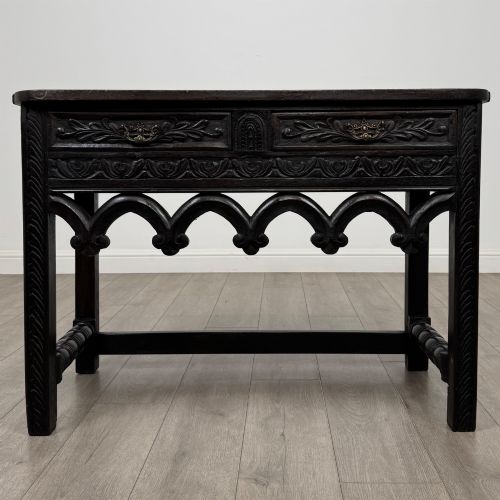
A victorian oak server takes several forms across this selection, appearing primarily as sideboards, buffets, dressers, and console or hall tables dating from the mid-nineteenth century onwards.
The pieces often incorporate regional British characteristics, with Scottish and English examples showing distinct proportions and cabinetry details from the decades between eighteen-fifty and nineteen-hundred.
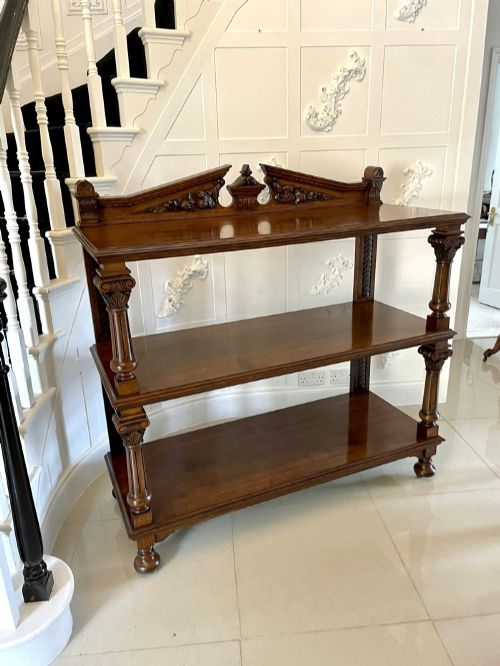
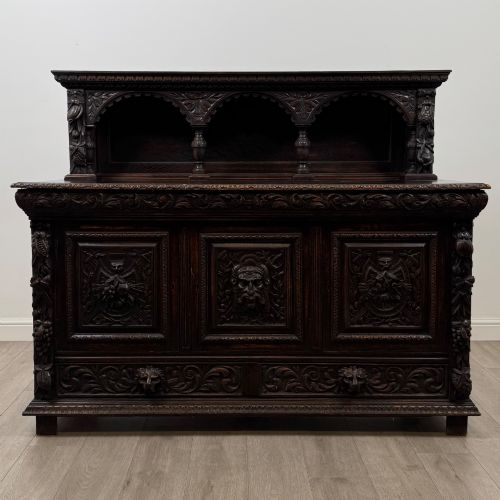
Makers utilised various functional layouts, ranging from open three-tier buffet structures and pedestal sideboards to narrow dresser bases fitted with drawers and pot boards.

Materials and Construction
Construction relies heavily on solid oak and pollard oak, often accented with brass hardware, iron fittings, glass inserts, and mirrored backs.
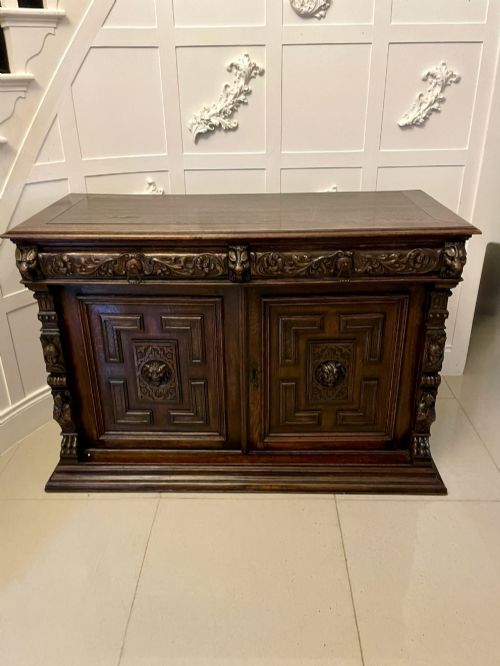
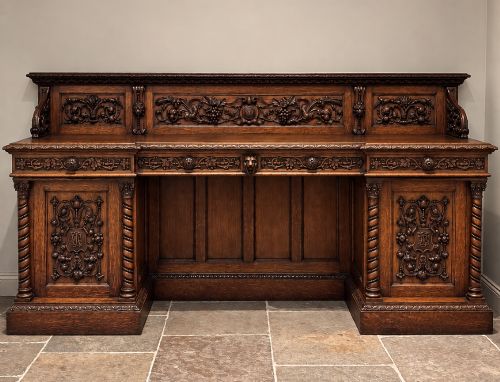
Carving defines the surface decoration, executed in styles spanning Gothic Revival, Renaissance Revival, and Jacobean Revival, frequently featuring motifs such as the Green Man.
Victorian Oak Server Retail Price Guide 2026
Typical asking prices for victorian oak server among the pieces listed under this phrase on Sellingantiques today, from the lower quarter to the upper quarter. They describe what is for sale here now, not the wider market.
The listings combine solid oak and figured pollard oak pieces across the nineteenth century, incorporating brass and mirror glass.
Design and Execution
Quality separates through the depth and crispness of the carved detail, distinguishing standard production from exceptional individual pieces.
The choice of timber grain, particularly figured pollard oak, alongside the integration of secondary woods and hardware, dictates the status of the sideboard or server.
The Victorian Oak Server Glossary
- Pollard Oak
- Timber taken from trees that were pollarded, producing a highly figured, clustered grain pattern prized for decorative cabinet fronts. This distinctive wood finish appears on select nineteenth-century buffets.
- Dresser Base
- A low sideboard or cabinet featuring drawers and sometimes a lower shelf known as a pot board. These pieces provided practical storage in Victorian dining spaces.
- Gothic Revival
- An architectural and decorative style drawing on medieval forms, featuring pointed arches, tracery, and heavy carved details. This aesthetic heavily influenced Victorian oak server design.
- Buffet
- A piece of dining room furniture intended for serving food and displaying silver or ceramics. Victorian versions often incorporate tiers, cupboards, and mirror backs.
Victorian Oak Server: Frequently Asked Questions
What is a Victorian oak server used for?
These pieces served as functional furniture in nineteenth-century dining rooms for holding dishes, silverware, and serving platters during large meals.
Today, they function well as sideboards in modern dining spaces or as console tables in grand hallways.
How do I identify a Gothic Revival server?
Gothic Revival pieces display architectural motifs such as pointed arches, heavy linenfold panels, and deep, hand-carved ornamentation.
These designs often feature dark finishes and robust construction characteristic of mid-nineteenth-century taste.
What is the difference between pollard oak and standard oak?
Pollard oak comes from trees pruned at a specific height, which creates a tightly swirled, highly decorative grain pattern across the timber.
Standard oak displays a straighter, more uniform grain structure without the clustered figuring found in pollard boards.
Where were these servers manufactured?
The pieces originate primarily from workshops and cabinet makers across England and Scotland during the Victorian era.
Regional preferences in these areas influenced whether a piece took the form of an open buffet, a enclosed cupboard, or a narrow console.