
Victorian Oak Cupboard
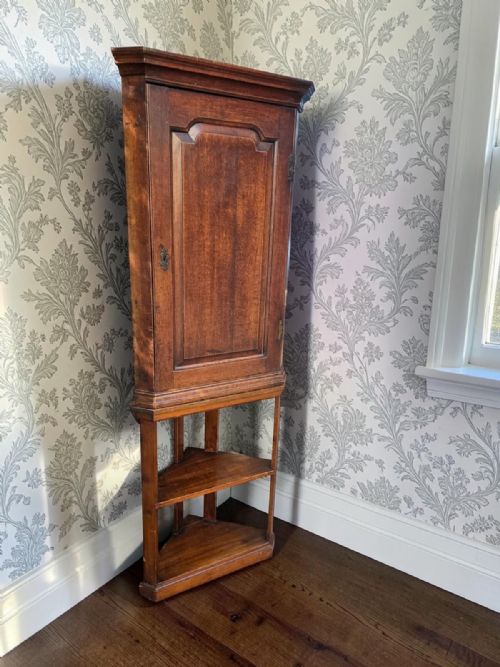
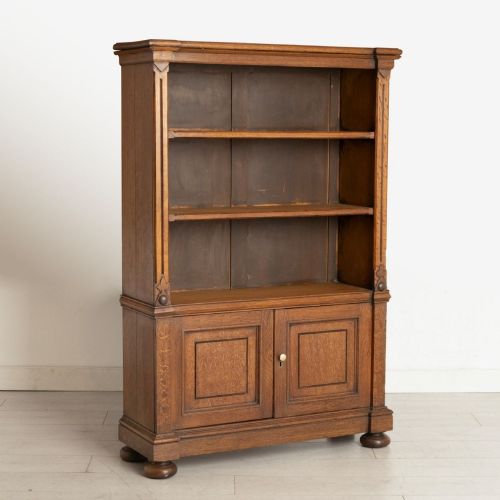
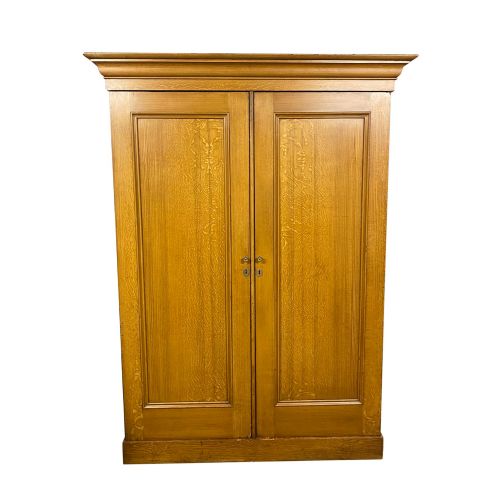
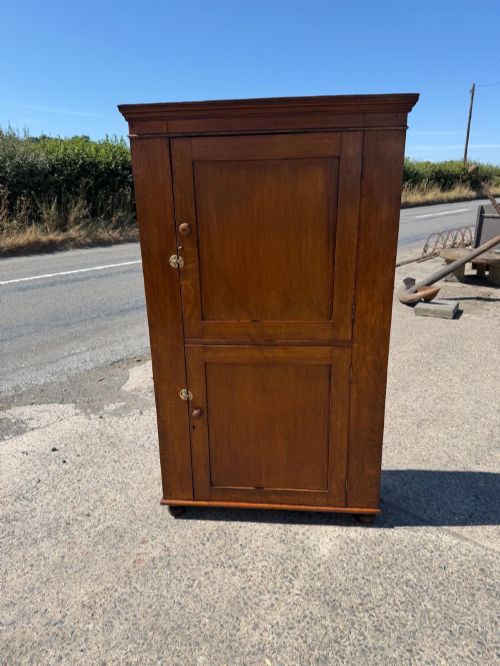
When you search for a victorian oak cupboard, you are looking at solid timber storage designed for utility and decorated with period revival carving.
Victorian Oak Cupboard
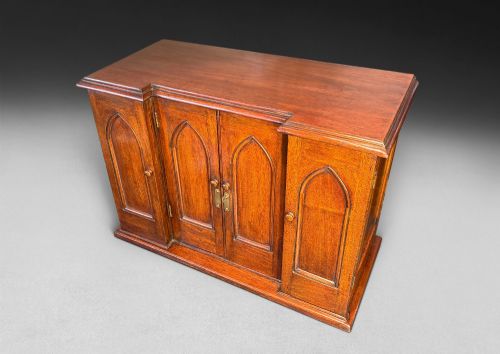
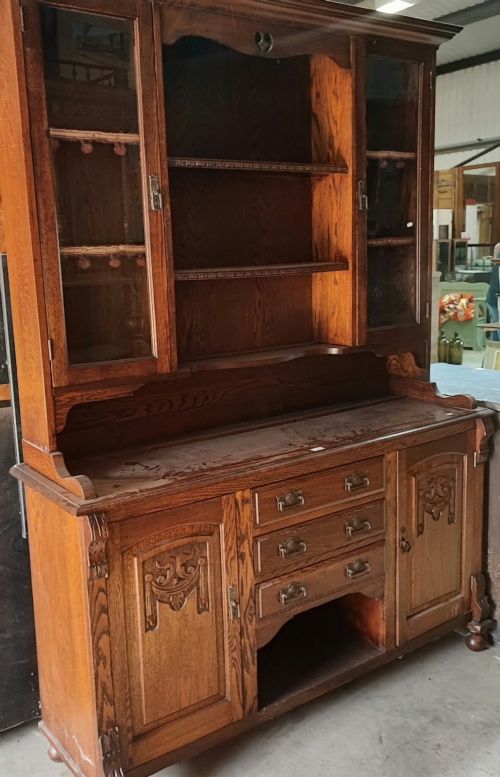
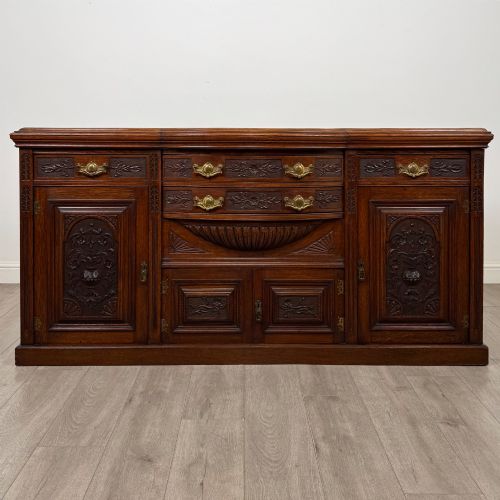
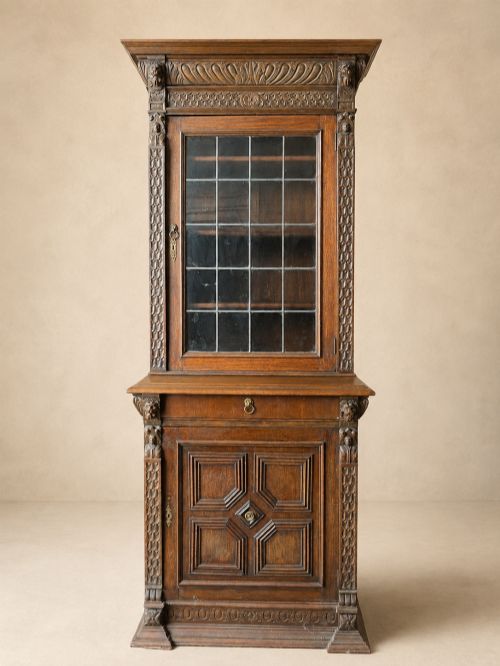
When searching for a victorian oak cupboard, buyers encounter a diverse range of forms, from compact bedside cabinets and wall-mounted wall cupboards to large housekeeper pieces, sideboards, and glazed bookcases. These items originate predominantly from the nineteenth century, spanning periods from eighteen-hundred to nineteen-twenty, alongside revival styles like Gothic, Jacobean, and Renaissance.
The domestic interior of the Victorian era relied heavily on these sturdy timber pieces for storing provisions, linens, books, and household goods. Surviving examples reflect both grand country house utility and more modest domestic requirements, often featuring panelled doors, drawers, and fitted interior shelves.
Materials and construction
Makers utilised solid oak, tiger oak, and pollard oak, frequently supplemented by secondary timbers such as pine and mahogany, alongside brass hardware, iron fittings, glass panels, and occasional bone inlay. Ebonised wood and scumble faux paintwork also appear on specific nineteenth-century surfaces.
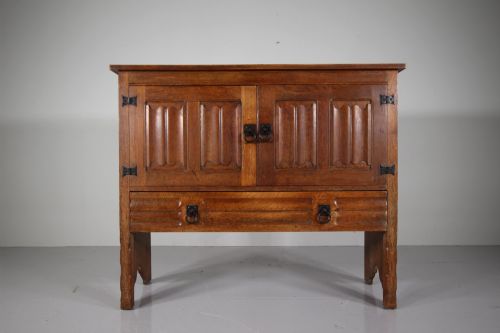
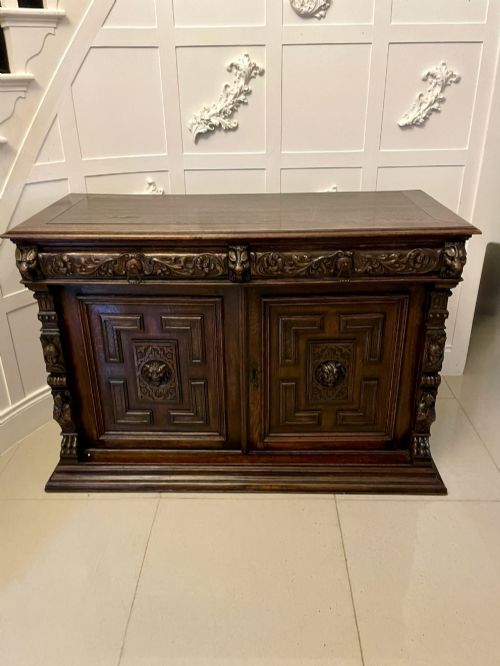
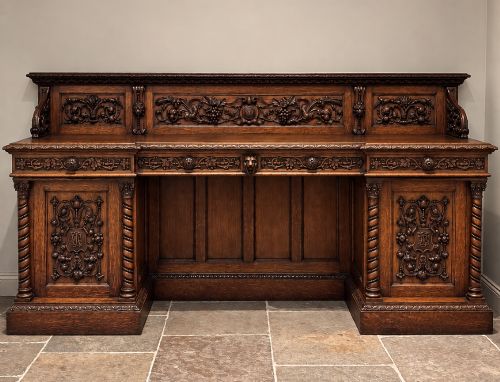
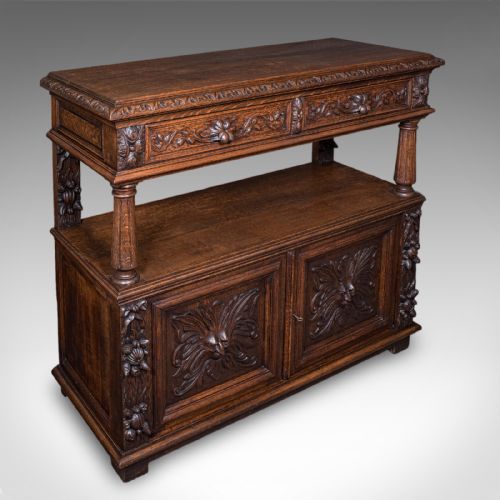
Joinery methods combined traditional panel construction with carved ornamentation, utilising relief work, linenfold motifs, and revival styling. Glazed doors, bun feet, and carved mirror backs further demonstrate the cabinetmaker repertoire of the period.
Victorian Oak Cupboard Retail Price Guide 2026
Typical asking prices for victorian oak cupboard among the pieces listed under this phrase on Sellingantiques today, from the lower quarter to the upper quarter. They describe what is for sale here now, not the wider market.
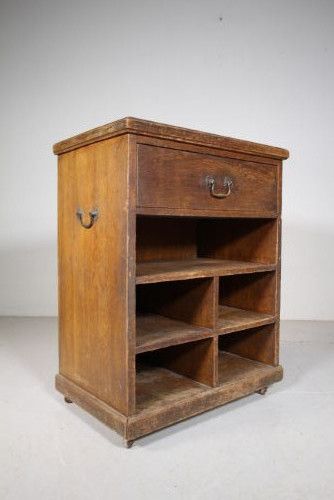
Brewery records reveal that at least one solid timber housekeeper piece spent its working life keeping order inside the John Smiths brewery.
Judgments of quality
The standard of a piece depends on the selection of the timber grain, the depth and crispness of the hand carving, and the integrity of the original construction. Items featuring figured oak or specialised treatments like scumble paintwork demonstrate superior workshop execution.
Proportion and utility also dictate value, with unaltered interiors, original brass or iron hardware, and well-balanced architectural elements separating standard utility furniture from exceptional cabinet work.
GM Elwood for JS Henry
The Victorian Oak Cupboard Glossary
- Gothic Revival
- An architectural and decorative style drawing inspiration from medieval forms, frequently seen on nineteenth-century cabinets with pointed arches and tracery. This aesthetic dominated many large sideboards and hall cupboards.
- Compactum
- A large fitted wardrobe or multi-section clothes press designed for maximum internal storage. These tall pieces often combined hanging space with drawers and smaller compartments.
- Scumble
- A decorative paint technique used to imitate the grain of more expensive timber on a simpler base wood. This finish appears on specific nineteenth-century painted pieces.
- Court cupboard
- A traditional short sideboard or enclosed cupboard used historically for displaying plate. Victorian revivals of this form typically feature heavy carved detailing and recessed upper stages.
- Pollard oak
- Timber taken from trees that were pollarded, resulting in a dense, highly figured grain pattern filled with knots. Cabinetmakers utilised this decorative wood for fine veneer and panels.
Victorian Oak Cupboard: Frequently Asked Questions
How do I use a tall cupboard today?
Tall pieces serve well in modern dining rooms, kitchens, or hallways for storing tableware, linens, or books.
Their substantial internal depth and fitted shelves accommodate contemporary storage needs while adding nineteenth-century character to a room.
Where were these cabinets placed originally?
Housekeepers and butters utilised large cupboards in service wings, larders, and hallways for provisions and household accounts. Smaller variants stood in bedrooms as pot cupboards or beside beds.
Their placement depended entirely on the domestic hierarchy and functional requirements of the nineteenth-century household.
How can I tell a Gothic revival piece apart?
Gothic revival items display architectural motifs such as pointed arches, quatrefoils, and heavy relief carving. These design elements mimic medieval ecclesiastical structures rather than standard classical furniture.
Makers applied this aesthetic to corner cabinets, hall cupboards, and sideboards throughout the Victorian period.
Are glazed doors common on these cabinets?
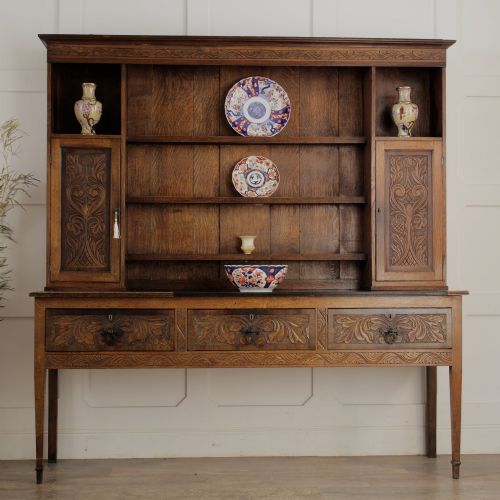
Glazed doors appear frequently on bookcase combinations, display cabinets, and Welsh dressers. These transparent panels allowed owners to display books or china while protecting them from dust.
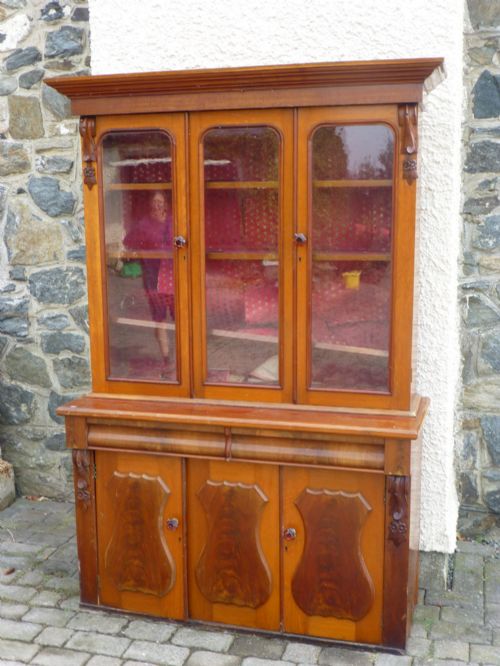
Many surviving examples pair an upper glazed bookcase section with a lower enclosed wooden cupboard base.