

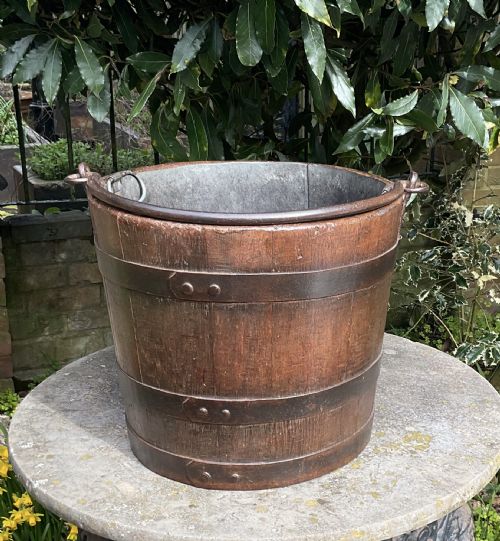


Victorian Oak Bucket
These robust victorian oak bucket examples serve various domestic roles from wine cooling to fireside storage, bringing solid craftsmanship into the home.
Victorian Oak Bucket
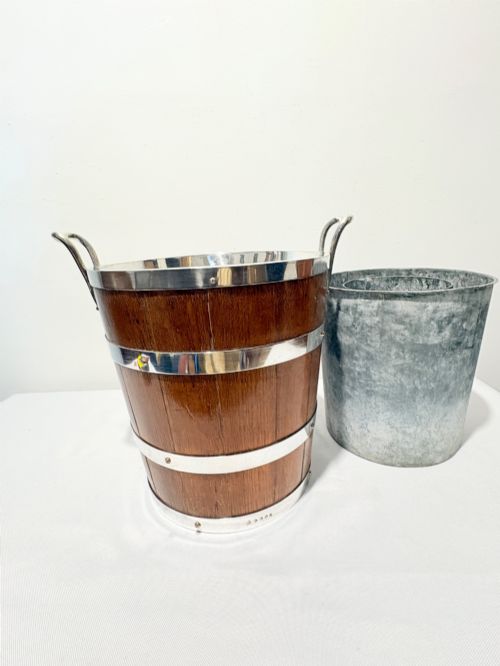
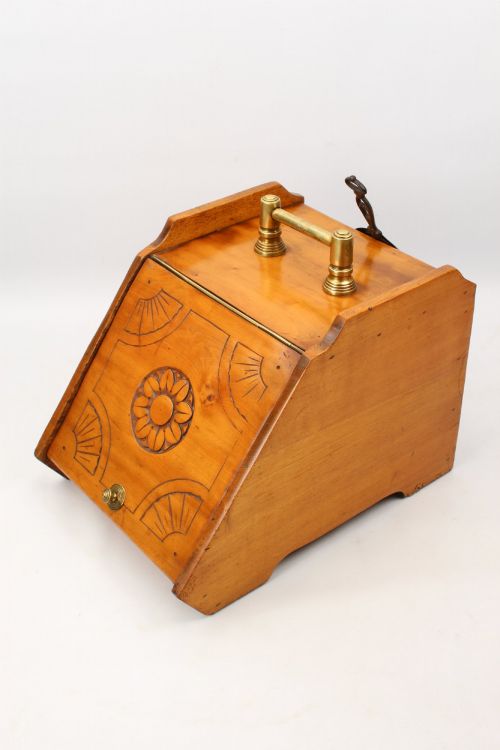
When you search for a victorian oak bucket, you encounter a diverse range of vessels spanning the nineteenth and early twentieth centuries. The selection on this page demonstrates that these items were produced for utility across different rooms, appearing as wine coolers, stick stands, and coal scuttles. Most pieces follow traditional coopering methods, while others incorporate carved decoration or drop fronts.
You are most likely to meet coopered barrels and stave-built containers fitted with metal liners or drop-down lids. These domestic objects reflect the heavy utilitarian demands of period households, utilising durable timbers and strong metal mounts to withstand daily use.
Materials and construction
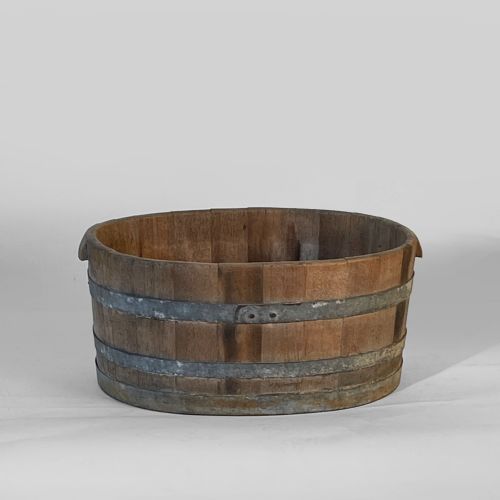
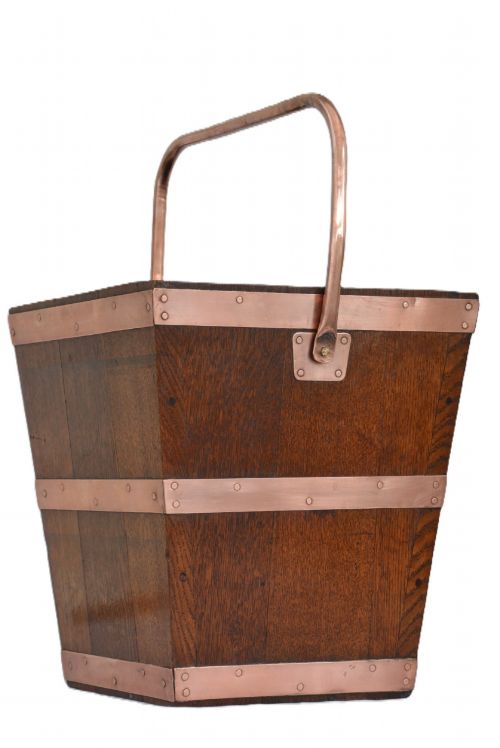
Makers built these vessels primarily from solid oak staves, shaping the wood to form straight or tapering barrels held firmly in place by metal bands. These structural hoops consist of brass, iron, or copper, secured around the wooden body to maintain tension and provide reinforcement.
Listings feature oak combined with brass, iron, copper, zinc, and silver plate across Victorian and Edwardian domestic forms.
Distinguishing quality in oak buckets
The standard of a vessel rests upon the precision of its coopering and the integrity of its timber. Tight joints between the oak staves and carefully fitted metal hoops indicate skilled workshop production, whereas loose construction lowers the overall standard.
Refinement in surface treatment and hardware also sets examples apart. Finely carved panels, robust drop handles, and intact original liners distinguish superior pieces from utilitarian workaday containers.
The Victorian Oak Bucket Glossary
- Coopered
- Constructed from wooden staves joined edge-to-edge and bound with structural hoops to form a cylindrical or tapered vessel.
- Purdonium
- A specific type of household coal box featuring a sloping front or drop-down door designed for domestic fireside use.
- Stave
- One of the narrow, shaped strips of oak that form the curved sides of a bucket or barrel.
- Liner
- A removable internal container made of metal, zinc, or ceramic inserted to protect the wooden staves from moisture or dirt.
- Armorial crest
- A heraldic design engraved or painted onto a surface, occasionally found on naval or institutional vessels.
Victorian Oak Bucket: Frequently Asked Questions
What were these oak buckets used for?
Period households utilised these vessels for multiple practical tasks around the home. Common domestic uses included holding coal by the fireplace, storing logs, cooling wine, and containing wet umbrellas.
More specialised examples served as merchant navy rum barrels or washing tubs. Their robust construction allowed them to handle heavy materials safely.
How do I clean an antique oak bucket?
Maintenance requires gentle care to preserve the original timber and metal components. Wipe the oak surfaces with a dry or slightly damp cloth, avoiding harsh chemical cleaners that strip the finish.
Polish metal hoops and handles sparingly with appropriate metal cleaner while avoiding contact with the wood. Ensure any internal metal or ceramic liners are thoroughly dried after cleaning.
Are all these buckets from the Victorian era?
The selection includes pieces from the Victorian period alongside Edwardian examples and items dating up to the early twentieth century. Design details help indicate the specific era of manufacture.
Stylistic shifts range from plain coopered utility items to heavily carved late nineteenth-century purdoniums. Each piece reflects the aesthetic preferences of its specific decade.
Can I use an antique ice bucket today?
Silver-plated ice buckets and champagne coolers remain functional for modern entertaining when fitted with their original liners. They function well on dining tables or sideboards.
Care should be taken with pieces that lack intact liners to prevent moisture damage to the antique oak staves. Checking the condition of the interior ensures safe ongoing use.