

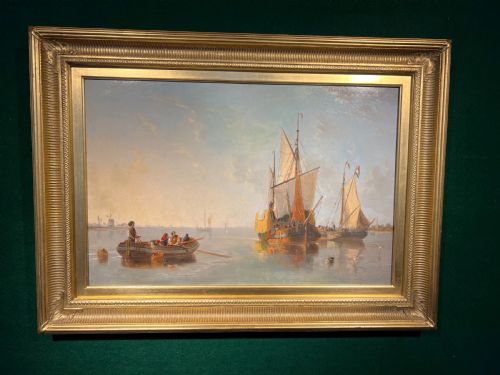
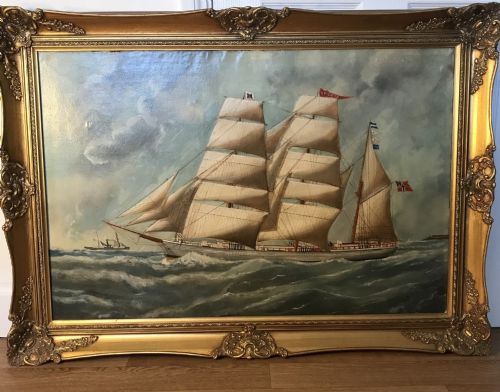
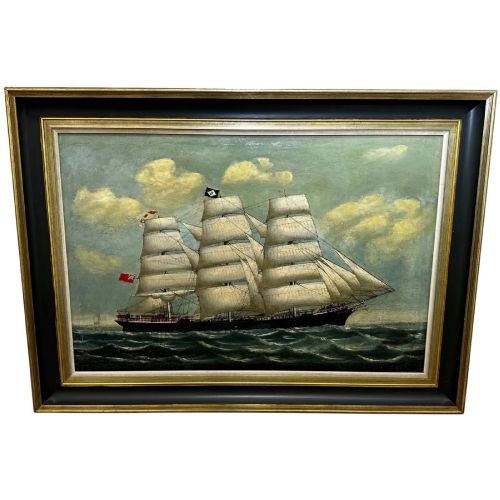
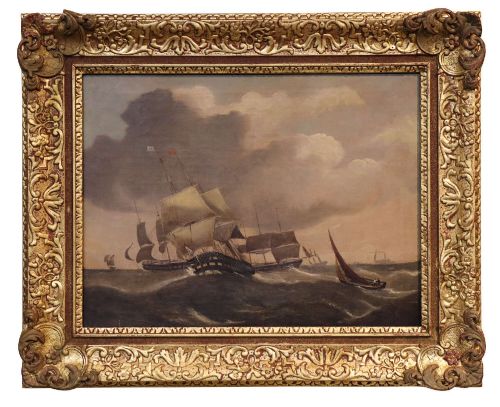
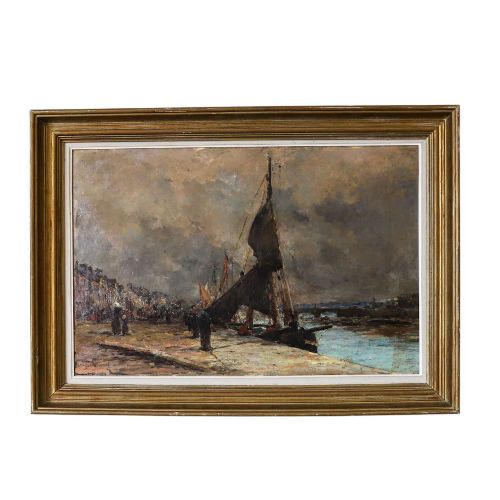
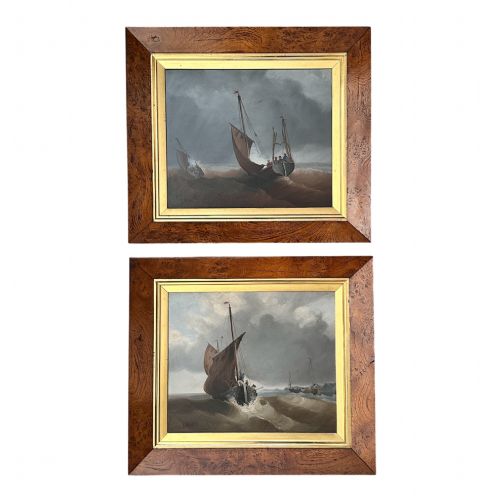
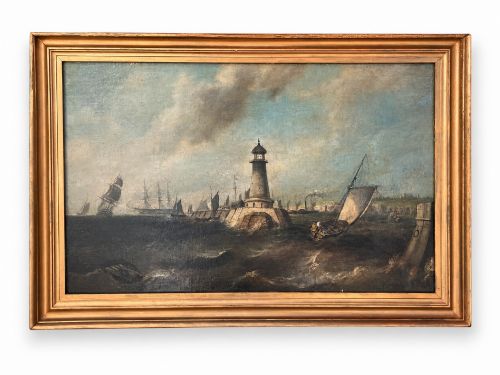
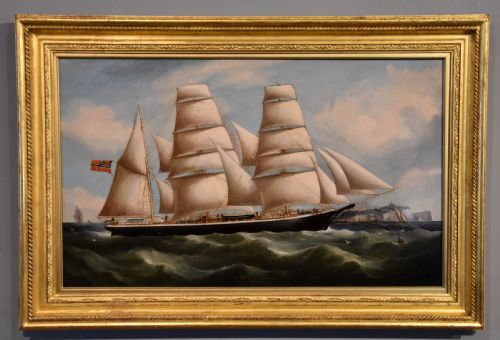
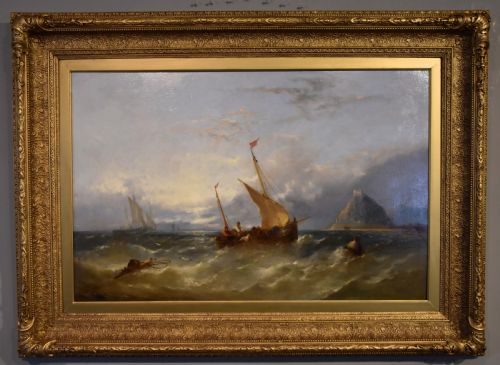
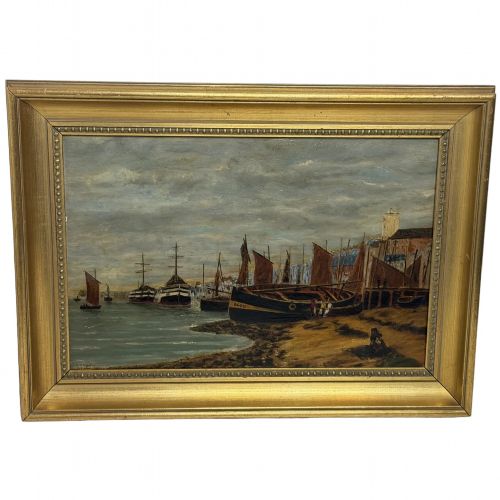
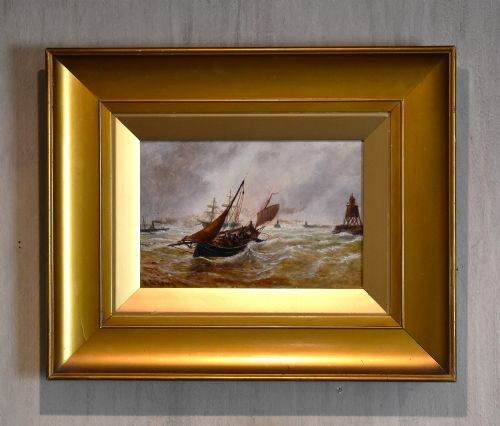
Victorian Nautical Oil Artwork
These Victorian nautical oil artwork pieces capture maritime history on canvas and board, bringing rugged seas and sailing ships directly into your room.
Victorian Nautical Oil Artwork
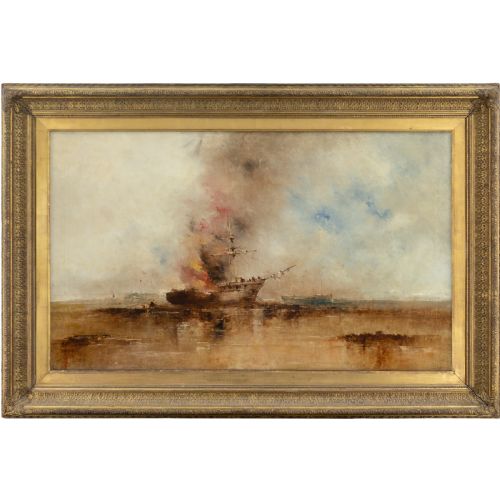
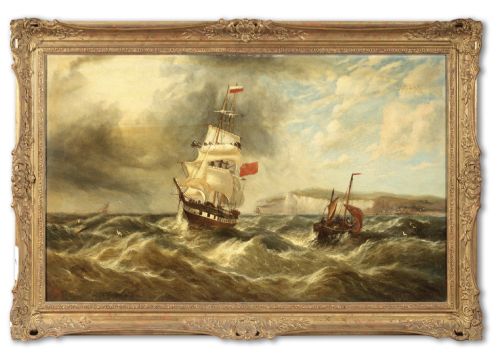
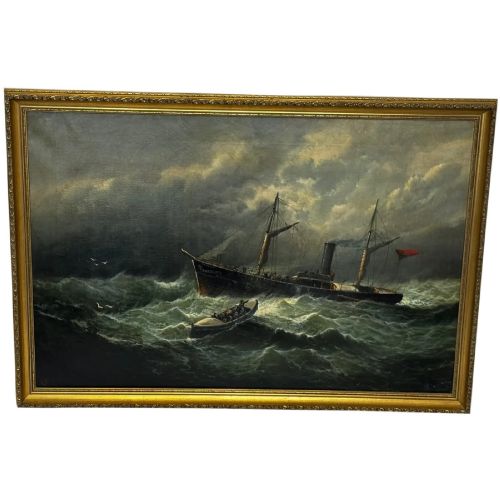
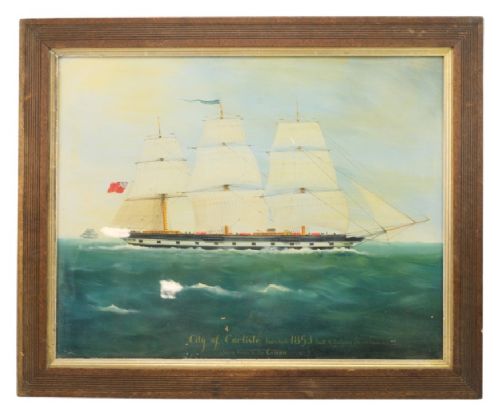
When you search for victorian nautical oil artwork, you encounter painted scenes dominated by canvas or board supports depicting ships, harbours, and heavy seas. The subjects range from named merchant vessels and royal yachts to dramatic shipwrecks off rocky coasts.
Most examples originate from the nineteenth century, often reflecting British and European coastal life, fishing fleets, and international trade routes. You find single compositions as well as pairs of seascapes recording specific moments in maritime navigation.
Quality and Execution
The distinction between standard works and superior pieces lies in the precision of maritime rigging detail and the convincing movement of water in rough conditions. Named artists who specialised in marine subjects generally achieved more accurate depictions of hull construction and atmospheric conditions.
Condition also influences the standing of a piece, particularly the stability of the oil paint layer on canvas or board and the preservation of the original gilt frame.
Listings feature works spanning the nineteenth century up to the early twentieth century, utilising oil paint on canvas, wood panel, and card.
William McAlpine·John Rose Miles·William Broome·John Wilson Carmichael·Lai Fong·Richard B. Spencer·William Henry Williamson·Bernard Benedict Hemy·Abraham Hulk I·Gustave De Bréanski·Daniel Sherrin·William Greaves·George Gregory·John Douglas Perrett·Claude Thomas Stanfield Moore·George Henry Knight·John Callow·E Ebeneezer Colls
The Victorian Nautical Oil Artwork Glossary
- Oil on Canvas
- A traditional painting medium where oil paint is applied to a woven fabric support stretched across a wooden frame. This combination allows for rich colour blending and textured brushwork.
- Gilt Frame
- A wooden picture frame coated with a thin layer of gold leaf or metallic paint. These frames surround many nineteenth-century marine paintings.
- Seascape
- A work of art depicting the sea, coastal views, shipping, or marine weather. These form the primary subject matter of this category.
- Board
- A rigid wooden or card support used instead of stretched canvas for oil paintings. Smaller nineteenth-century works frequently utilise this format.
Victorian Nautical Oil Artwork: Frequently Asked Questions
How do I hang a heavy oil painting?
Ensure your wall fixings anchor directly into solid brickwork or secure stud work to support the weight of the wooden frame and canvas.
Use heavy-duty picture wire attached firmly to the frame structure rather than relying on the backing boards.
Where should I display these marine artworks?
Keep paintings away from direct sunlight and strong heat sources such as radiators to prevent the oil paint and canvas from drying out or cracking.
Rooms with stable ambient temperatures offer the best environment for preserving nineteenth-century canvases.
How do I clean nineteenth-century oil paintings?
Dust the surface and the gilt frame very gently with a dry, soft artist brush to remove loose particles without disturbing the pigment.
Avoid using water, household cleaners, or solvents on the oil surface, and consult a professional conservator for deeper cleaning.
How can I tell the age of the painting?
Examine the back of the canvas, the stretcher frames, and the type of wooden board or card used as the primary support.
Stamps, maker inscriptions, old labels, and the style of the gilt frame often provide clues to the nineteenth-century origins.