

Victorian Natural History
Victorian natural history specimens bring the careful study of the nineteenth-century natural world directly into your home.
What these pieces are
Victorian natural history encompasses preserved specimens, taxidermy, shells and botanical displays from the nineteenth century. These objects reflect an era of intense scientific curiosity and the desire to catalogue the natural world. Cabinets and drawing rooms alike displayed these curiosities as both decoration and objects of study.
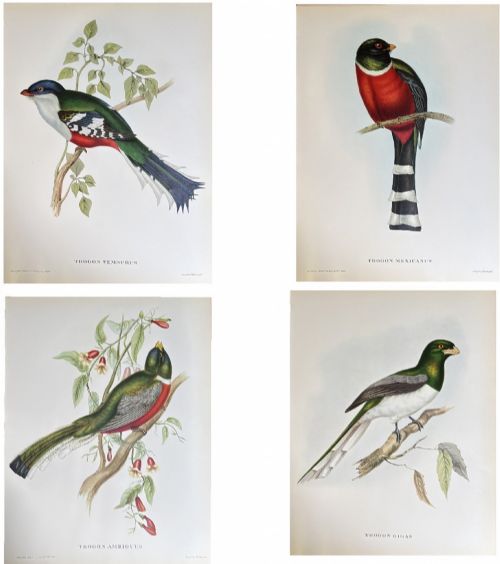
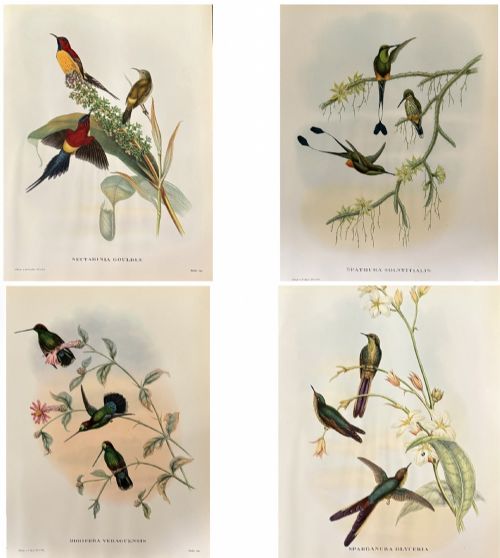
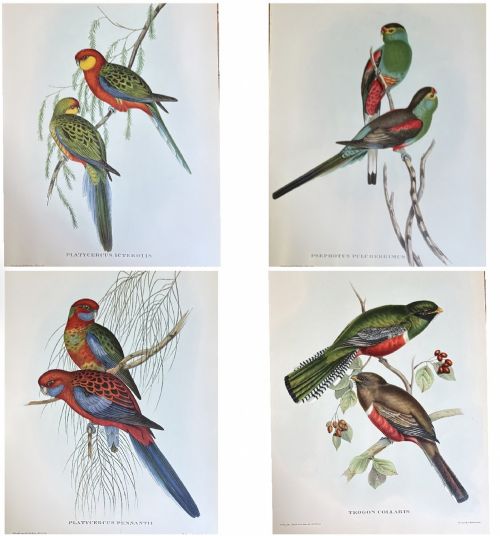
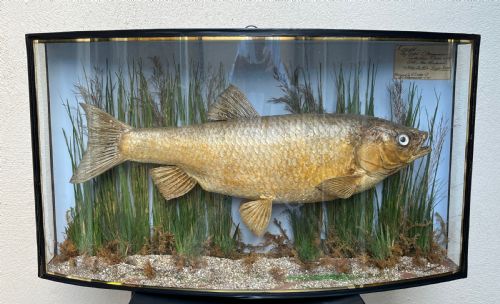
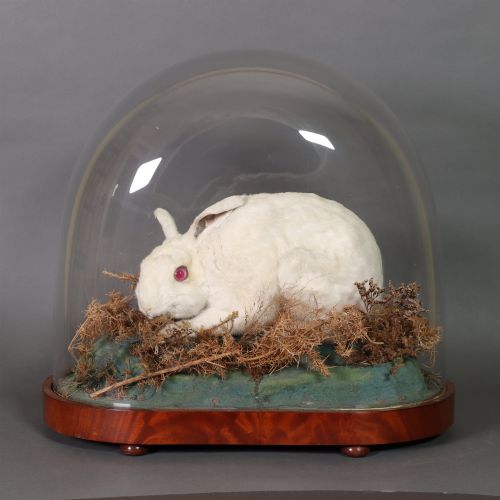
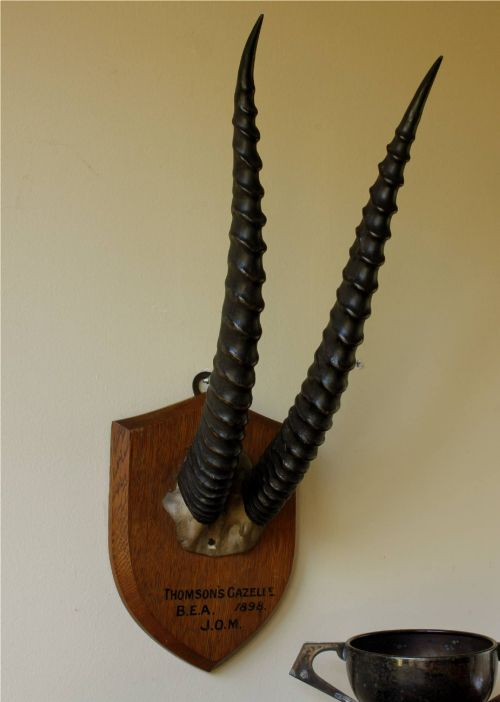
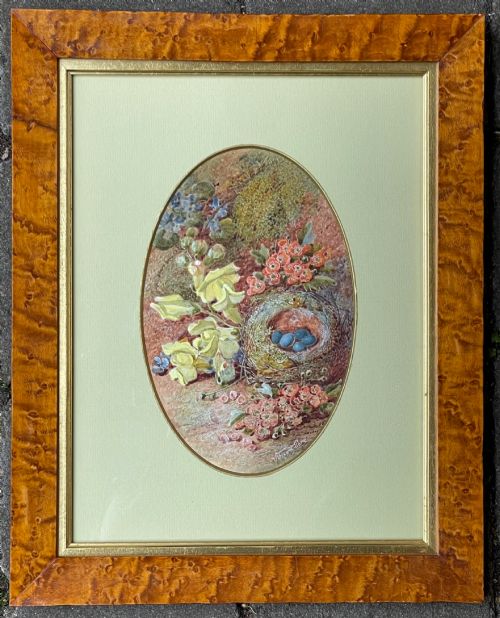
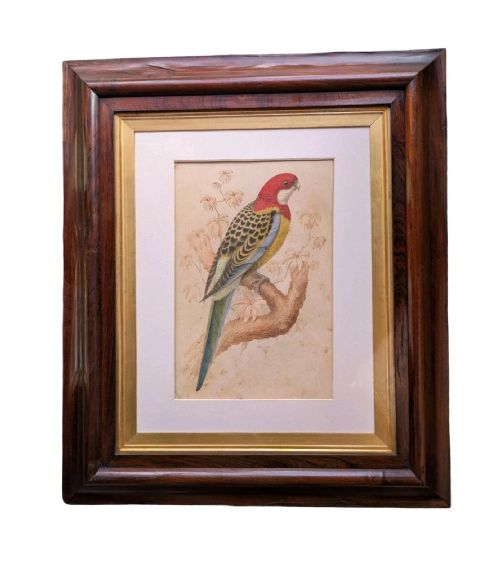
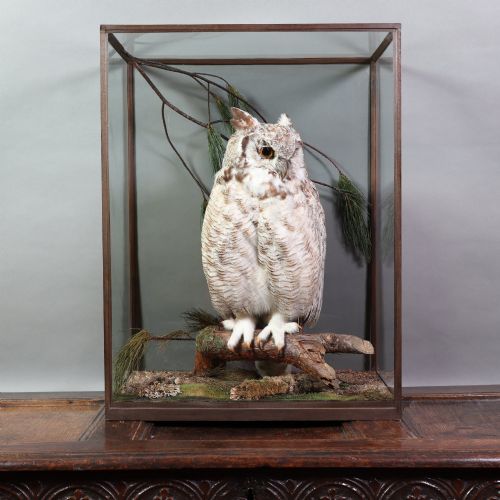
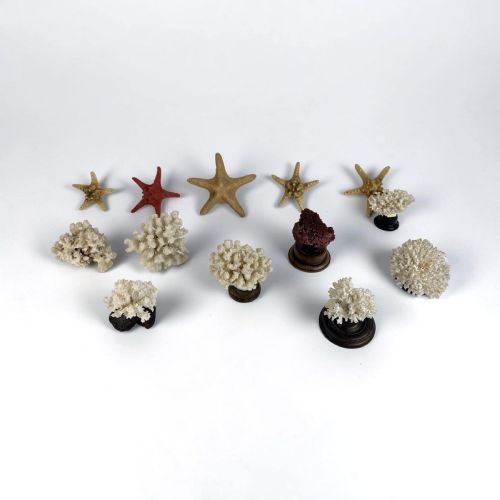
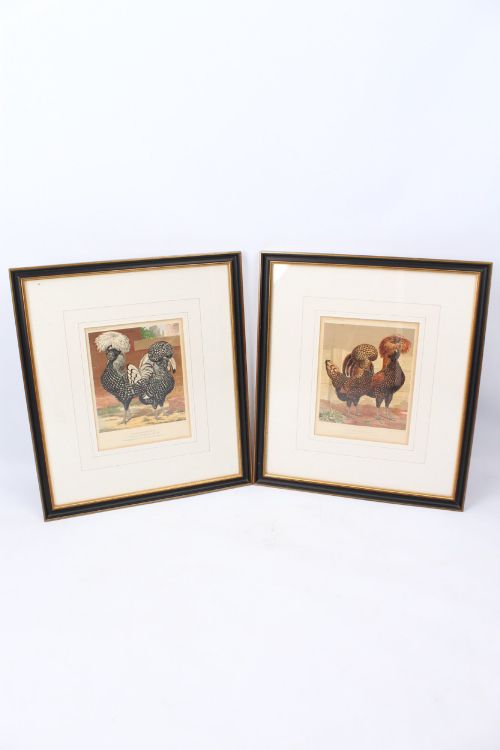
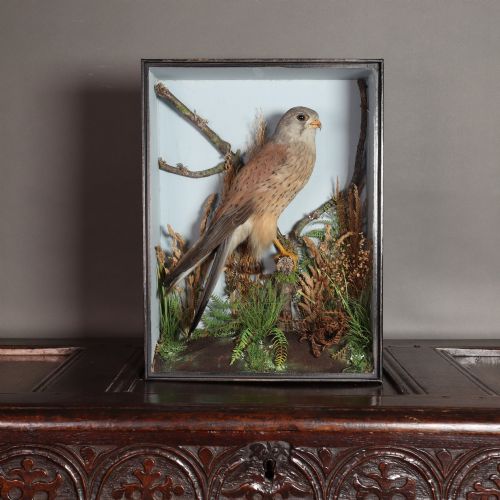
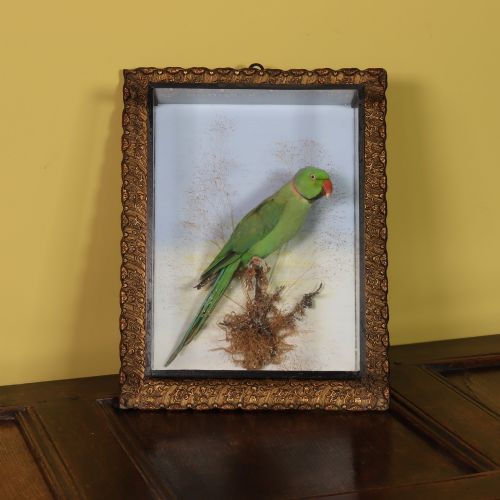
The pieces on this page span several distinct forms, including taxidermy specimens mounted within glass domes, framed botanical collections, and individual specimens such as coral, starfish and turtle shells. Taxidermy mounts range from single birds of prey to elaborate multi-specimen arrangements. Each item captures the Victorian approach to preserving and presenting organic material.
How they were made
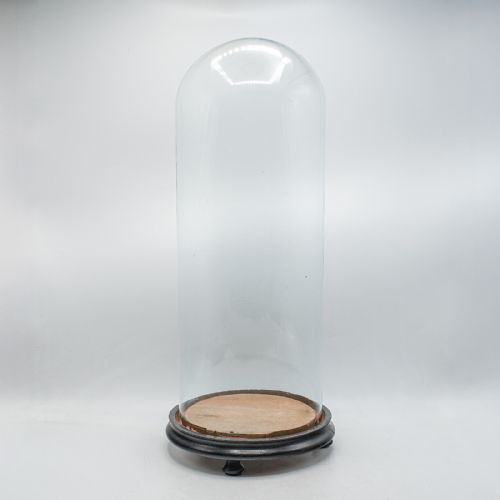
Makers utilised taxidermy techniques to preserve birds and animals, mounting them over internal armatures and arranging them within glass display cases or wooden frames. Glass domes served to protect delicate feathers and moss from dust and damage. Wood formed the bases and surrounds for many of these displays.
Organic specimens like coral, starfish and coco de mer required careful cleaning and drying for preservation. Paper and cloth appear in mounting boards and lining materials within display cases. Shell carapaces were polished and shaped to highlight their natural patterns.
Retail Price Guide 2026
Typical UK retail prices for victorian natural history, calculated from the Sellingantiques database of over a million retail prices indexed since 2003. This retail price guide relies exclusively on Sellingantiques data; no external sources or auction records are used, so the figures do not describe the wider market.
Listings feature organic materials including wood, glass, feathers, moss, coral, starfish, paper and cloth across nineteenth-century items.
What varies in quality
The distinction between ordinary and exceptional pieces lies in the skill of the taxidermist and the integrity of the preservation. Natural history specimens attributed to known practitioners demonstrate superior anatomical accuracy and lifelike posture. The complexity of the arrangement and the clarity of the original glass dome also elevate a piece.
Condition plays a vital role in organic material, where fading, loss of feathers or structural damage to shells diminishes the visual impact. Pieces that retain their original mounting materials and historical provenance command greater interest. The harmony of the composition within its display case marks the work of a master.
Rowland Ward Ltd·John Hancock·Henry Ward London
The Victorian Natural History Glossary
- Taxidermy
- The art of preparing, stuffing, and mounting the skins of animals for display. Victorian taxidermy often placed animals in naturalistic settings with moss and branches.
- Coco De Mer
- The double coconut from the Seychelles, prized in the nineteenth century as a natural curiosity. Its unusual shape made it a favourite for collectors of natural history.
- Glass Dome
- A blown glass cover used to protect delicate specimens from dust and handling. These domes sit upon wooden bases and allow all-round viewing of the taxidermy within.
- Carapace
- The upper shell of a turtle or crustacean. Blond turtle shell carapaces were polished to highlight the translucent amber tones of the material.
Frequently Asked Questions
Where did Victorians display these specimens?
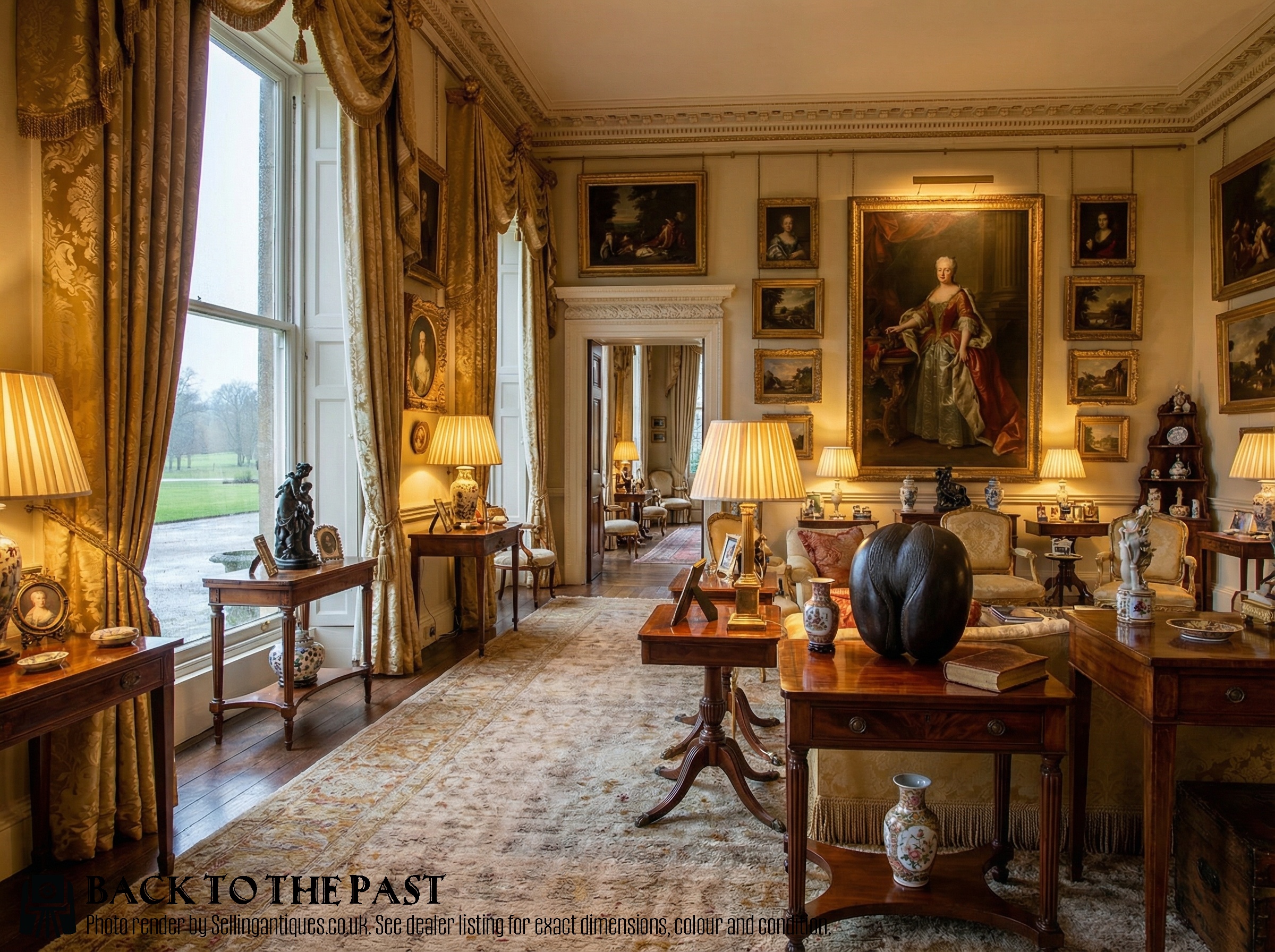
Collectors placed natural history specimens in studies, libraries and drawing rooms to showcase their learning and taste. Glass domes sat upon mantelpieces, sideboards and dedicated display tables.
Larger collections often filled entire cabinets, turning rooms into private museums. These displays invited conversation and close inspection from visiting guests.
Are these specimens ethically sourced?
Nineteenth-century collecting habits reflected the scientific expeditions and global trade of the British Empire. Specimens gathered during this era predate modern conservation laws and international trade regulations.
Acquiring antique pieces preserves historical artefacts rather than driving contemporary demand for wild animal products. Each item serves as a record of historical scientific study.
How do I identify a nineteenth-century specimen?
Look for the specific mounting styles, hand-blown glass and historic papers used inside the backing of frames and bases. Nineteenth-century taxidermy often employs arsenic soaps or historical preservation methods no longer in use.
Attribution marks or labels from known practitioners like Rowland Ward or John Hancock provide definitive periods. The materials and construction techniques align with nineteenth-century workshop practices.