





Vintage Tortoise Shell
Vintage tortoise shell objects bring organic warmth and rich amber depth to a room, offering tactile charm for any collector.
Vintage Tortoise Shell
When you search for vintage tortoise shell, you encounter a fascinating array of functional and decorative items spanning multiple centuries. These pieces range from small personal accessories like scent bottles and hair combs to substantial household objects such as tea caddies and mantel clocks.
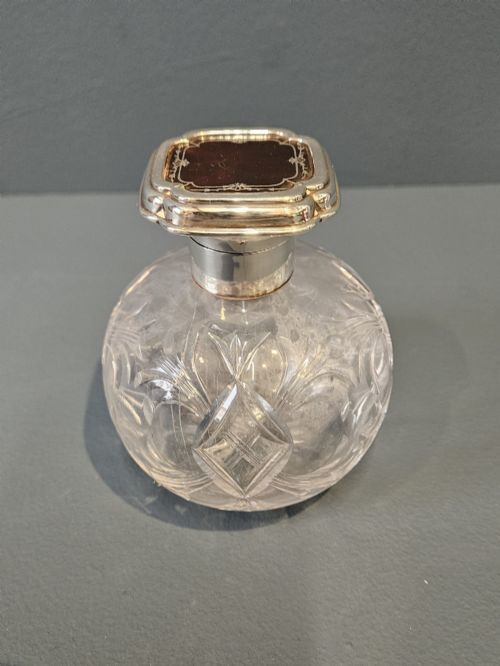
The items found here frequently blend natural materials with precious metals, demonstrating the versatility of tortoiseshell across different design movements. You are most likely to meet Victorian and early twentieth-century examples, including silver-topped crystal bottles, inlaid boxes, and intricately carved brooches.
Makers utilised the mottled amber and brown patterns of natural shell to create distinctive decorative effects, often enhancing them with pique work, gold, or silver mounts. Each object reflects the prevailing aesthetic of its era, moving from Georgian tea caddies to Edwardian desk accessories.
How they were made
Craftsmen worked with natural shell and bone, shaping and polishing the organic material to highlight its natural translucency and colour variations. Pieces often combined tortoiseshell veneer applied to a wooden or metal foundation, secured with precision.
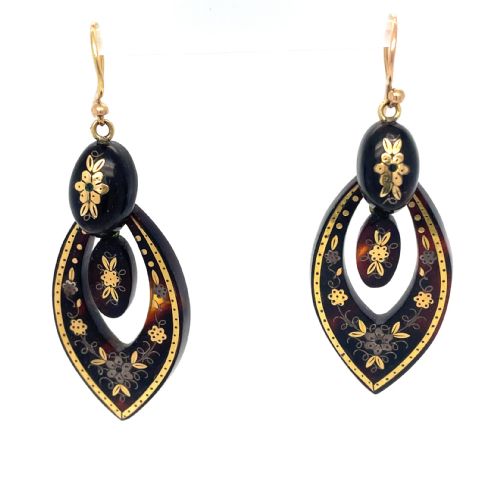
Many items incorporate sterling silver, gold, and ormolu mounts, requiring advanced metalworking techniques alongside shell manipulation. Surface ornamentation frequently involved delicate pique work, embedding gold or silver pins into the shell to form intricate patterns.
Hair combs adorned with paste stones let Victorian wearers turn their heads and catch the candlelight with regal flair.
What varies in quality
The standard of a piece depends heavily on the clarity and richness of the shell pattern, alongside the precision of the metal mounts. Superior examples display seamless veneer work and harmonious integration between the organic material and precious metals.
Execution in decorative details, such as the fineness of pique inlay or the crispness of carved elements, separates standard items from exceptional ones. The overall structural integrity and the preservation of the polished finish dictate the standing of a piece.
The Vintage Tortoise Shell Glossary
- Pique
- A method of decorating tortoiseshell by inlaying tiny gold or silver pins, wire, or plates to create delicate geometric or floral patterns. This technique demands immense patience and steady hands from the artisan.
- Veneer
- A thin layer of tortoiseshell applied over a stable core of wood or metal to provide a luxurious surface finish without using solid shell throughout. This approach helped stabilise the material and reduce material costs.
- Ormolu
- Gilded bronze used extensively for mounts, feet, and bezels on decorative objects and clocks. The golden finish complements the warm brown tones of the shell.
- Tea Caddy
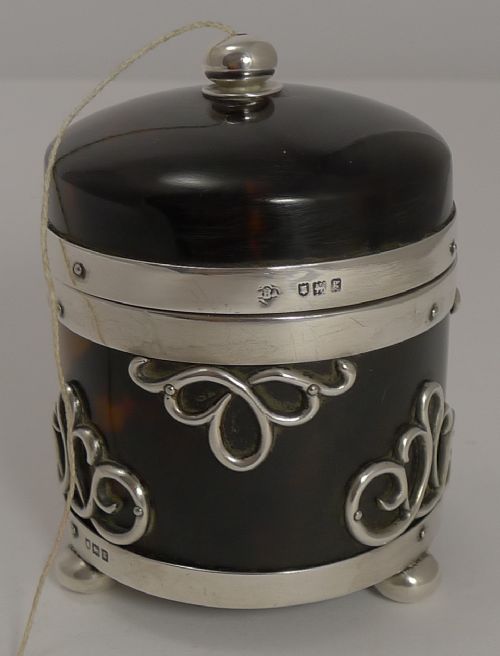
- A lidded box designed originally to store and preserve loose tea leaves, often fitted with internal compartments and lock mechanisms. These containers frequently featured tortoiseshell veneer and silver fittings.
Vintage Tortoise Shell: Frequently Asked Questions
What is vintage tortoise shell made from?
These items utilise natural shell derived from marine turtles, alongside bone and later simulated materials. Craftsmen paired the organic material with metals like sterling silver and gold.
Over the centuries, makers manipulated the warm, mottled material into everything from small personal trinkets to large clock cases.
How do I date tortoise shell items?
Dating relies on the object type, metal hallmarks, and the prevailing decorative style of the period. Pieces range from mid-eighteenth-century tea caddies to Edwardian desk accessories and early twentieth-century lorgnettes.
Examining construction methods and accompanying materials helps place an object within its specific Victorian, Regency, or Edwardian context.
How should I care for tortoise shell?
Keep these sensitive organic items away from direct sunlight, extreme heat, and sudden humidity changes to prevent warping or drying. Dust gently with a soft, dry cloth without applying harsh chemical polishes.
Handling pieces with clean hands preserves the natural lustre and prevents oils from dulling the polished surface over time.
Are all items made of real shell?
While many historic pieces feature natural shell carapace, later examples incorporate faux or simulated alternatives made from modern plastics. Listings specify the material, distinguishing genuine organic shell from alternative substances.
Examining the weight, tactile feel, and internal grain helps identify the exact composition of each individual piece.