
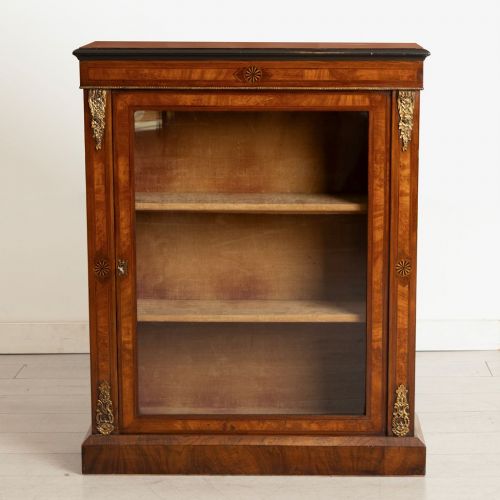
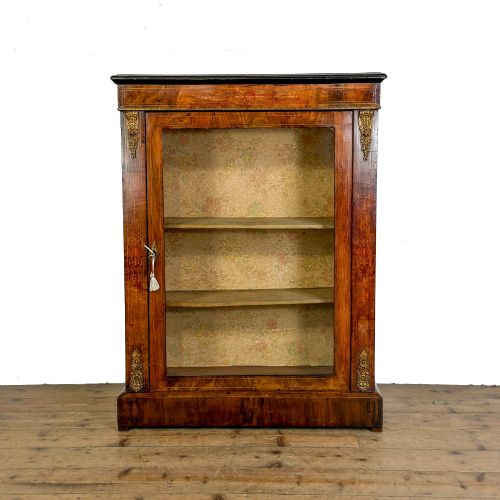
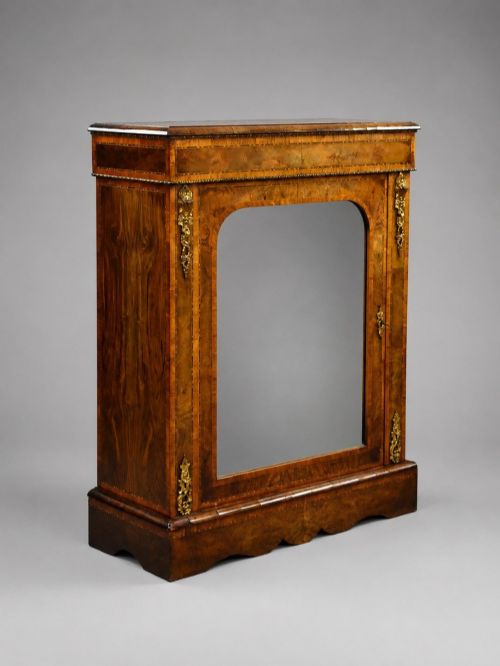
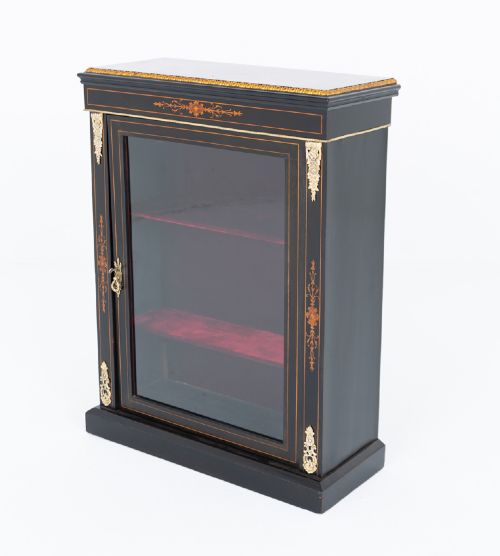
Victorian Narrow Display Cabinet
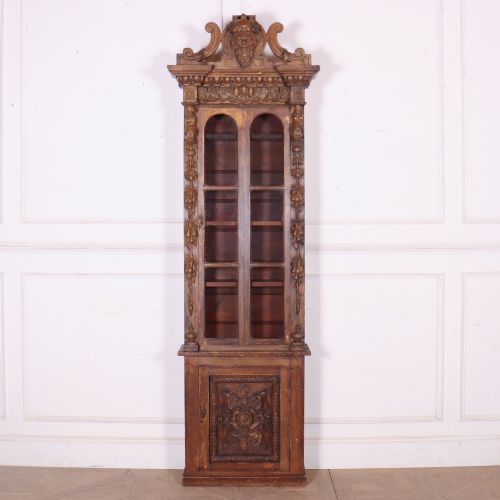
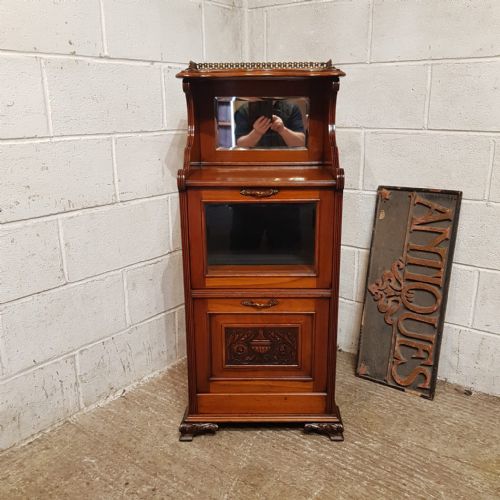
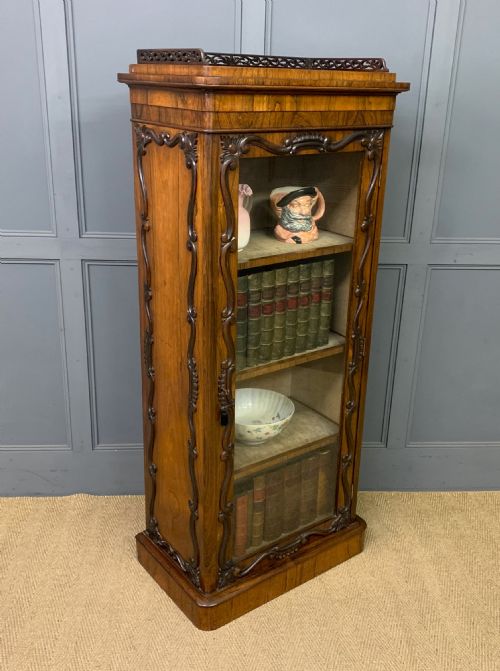
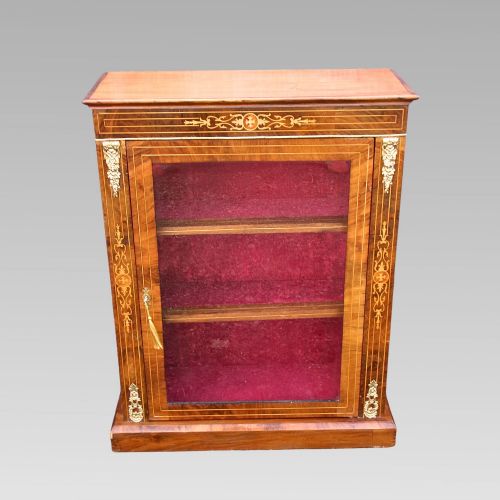
A victorian narrow display cabinet offers compact proportions and glassed vertical storage, making it the ideal solution for showcasing prized collections in smaller rooms.
Victorian Narrow Display Cabinet
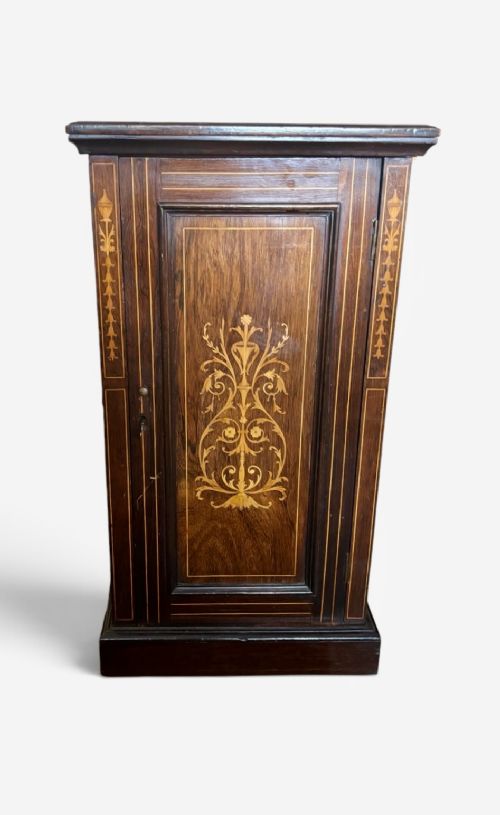
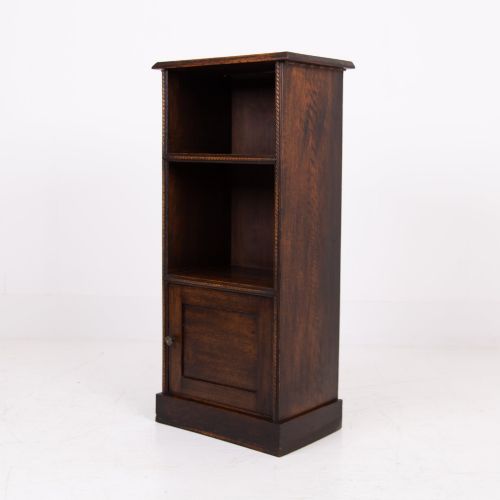
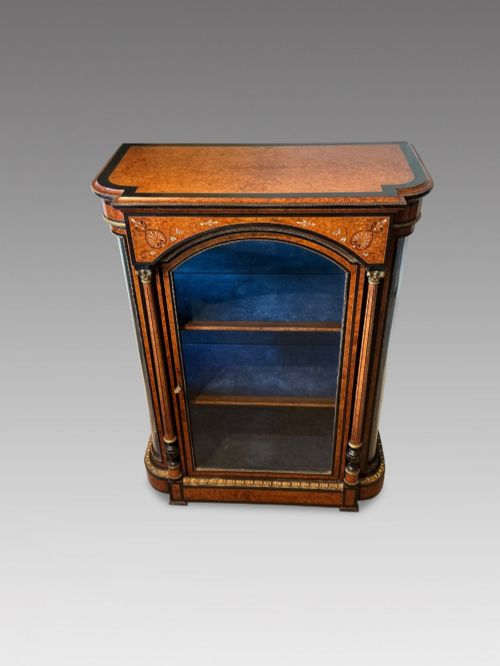
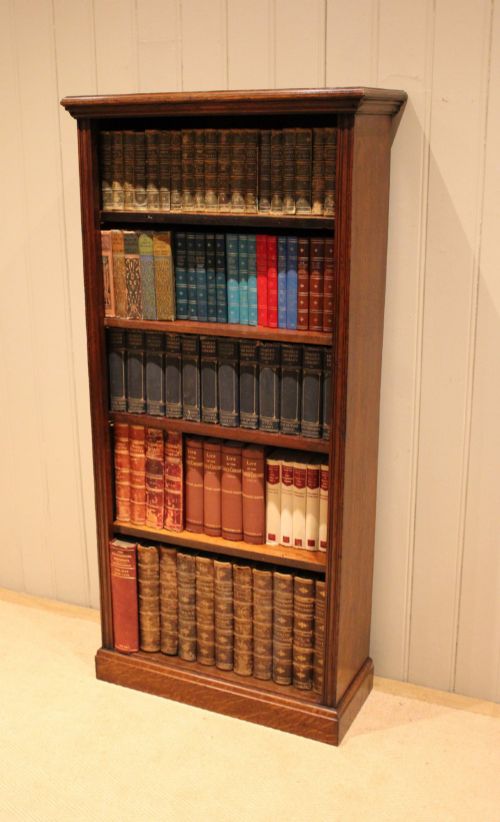
When you search for a victorian narrow display cabinet, you encounter a selection of compact vertical furniture pieces designed to exhibit books and decorative objects without dominating a room. These pieces span the nineteenth century, including specific dates from eighteen fifty through to nineteen twenty, alongside general Victorian and late Victorian classifications.
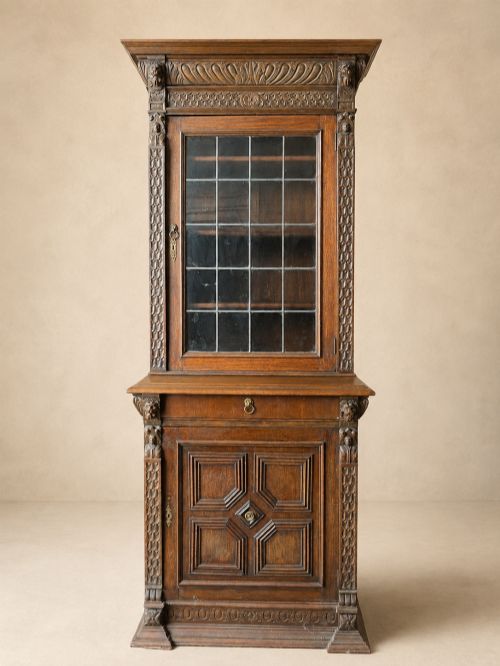
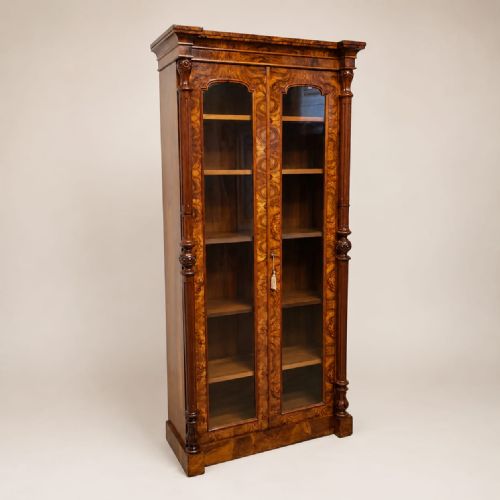
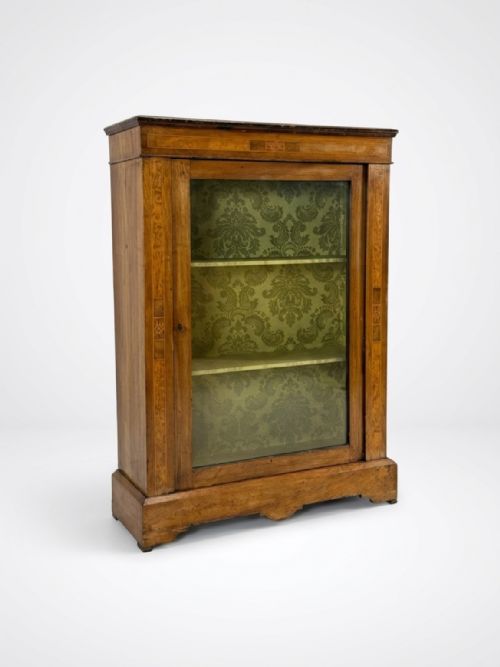
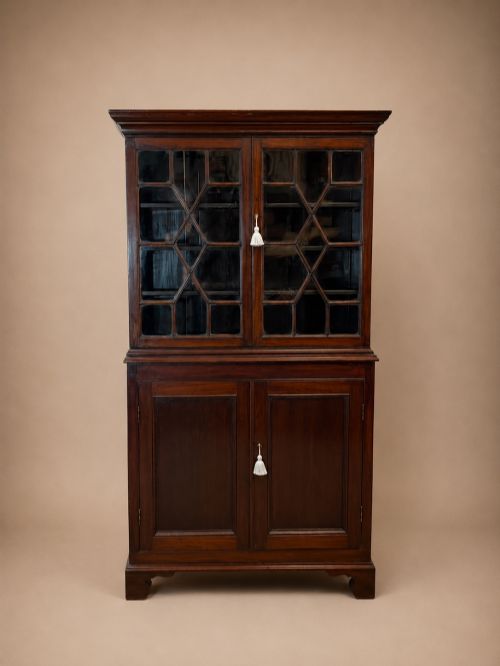
The forms on this page include slim bookcases, pier cabinets, side cabinets, and taller library bookcases with glazed doors. You are most likely to meet burr walnut and mahogany pier cabinets or upright bookcases featuring glass panels and adjustable shelving.
Origins range from English country house settings to refined drawing rooms, demonstrating the versatility of nineteenth-century cabinet making. Each piece provides vertical storage tailored to restricted floor spaces while retaining the decorative timber and glass panels characteristic of the period.
Materials and Construction
Cabinet makers utilised dense hardwoods such as mahogany, walnut, burr walnut, and rosewood as structural timbers and decorative veneers. These rich woods were frequently enhanced with satinwood, ebony, and marquetry inlays to create intricate surface patterns.
Glass panels were fitted into glazed doors or sides to protect contents while allowing visibility, often supplemented by brass hardware and ormolu mounts. Interior surfaces sometimes incorporated velvet linings, while ceramic plaques were occasionally inset into the timber frame for added ornamentation.
Materials recorded across these listings include walnut, mahogany, burr walnut, rosewood, brass, glass, ormolu, and velvet.
Quality Variations
The standard of a Victorian narrow display cabinet is defined by the selection of timber veneers and the precision of the marquetry or inlay work. Grain matching on burr walnut panels and delicate satinwood stringing separate standard workshop production from exceptional cabinet work.
Structural refinement also dictates quality, seen in the crispness of carved wooden details, the integration of brass mounts or Sevres plaques, and the stability of glazed doors. Finer examples maintain crisp joinery and well-fitted adjustable shelving systems that operate smoothly.
James Winter
The Victorian Narrow Display Cabinet Glossary
- Pier Cabinet
- A low or tall narrow cabinet designed to stand against the wall space between windows. These pieces often feature glazed single doors and decorative inlays.
- Marquetry
- Decorative veneer work formed by fitting together small pieces of wood, ivory, or shell to create pictorial or geometric designs. This technique decorates the surfaces of many walnut cabinets.
- Ormolu
- Gilded bronze ornamentation applied to furniture mounts and decorative accents. It provides a metallic contrast to dark woods like walnut and mahogany.
- Vitrine
- A glass-fronted display cabinet used for showing porcelain, curiosities, or books. They are built with glazed panels on multiple sides to maximise interior light.
- Satinwood
- A durable, lustrous yellow-brown timber used extensively for stringing and contrasting inlay work on nineteenth-century furniture. It highlights the edges of doors and panels.
Victorian Narrow Display Cabinet: Frequently Asked Questions
What rooms suit a narrow display cabinet?
These slim vertical cabinets fit easily into hallways, alcoves, and compact drawing rooms where floor space is limited. Their narrow footprints allow them to occupy tight wall spaces without overwhelming the room.
They provide functional height for book storage or object display while preserving open circulation paths in smaller domestic interiors.
How do I care for nineteenth-century wood?
Maintain finished timber surfaces by dusting regularly with a soft, dry cloth and avoiding direct sunlight. Consistent indoor humidity prevents walnut and mahogany veneers from lifting or cracking over time.
Apply appropriate furniture wax sparingly only when the wood appears dry, following the direction of the natural grain.
Were these cabinets used for books?
Many narrow cabinets functioned as upright bookcases, featuring adjustable shelving to accommodate volumes of varying heights. Glazed doors protected valuable bindings from dust and environmental moisture.
Other variants served as pier cabinets or display vitrines specifically intended for ceramics and decorative ornaments.
How are different Victorian periods identified?
Early pieces from around eighteen fifty often display simpler mahogany or rosewood structures with restrained classical proportions. Cabinets from eighteen seventy and later frequently incorporate rich burr walnut, marquetry, and revival styles.
Late Victorian examples extending toward nineteen twenty occasionally combine oak construction with utilitarian adjustable shelving and cupboard storage.