






Victorian Narrative Print
A victorian narrative print tells a vivid story through domestic drama, historical incident, or moral instruction.
Victorian Narrative Print
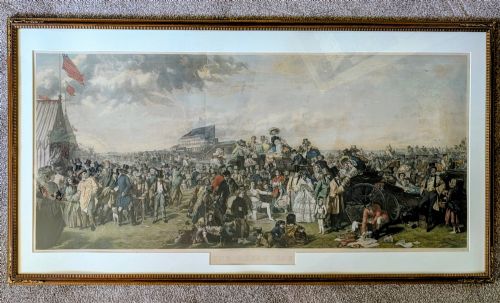
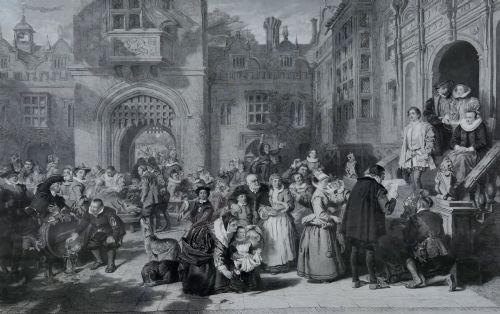
A victorian narrative print captures a distinct moment of human drama, domestic storytelling, or historical action intended to engage the viewer's intellect and emotion alike. These works translate popular oil paintings and theatrical scenes into accessible formats that decorated the walls of nineteenth-century homes.
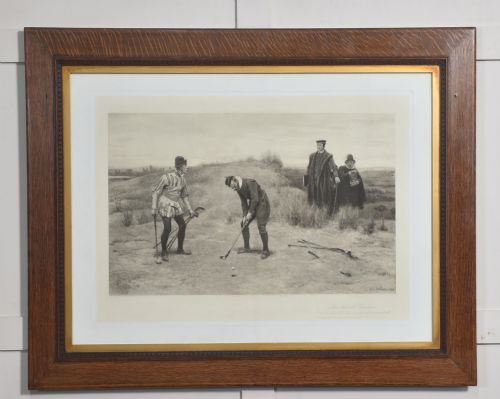
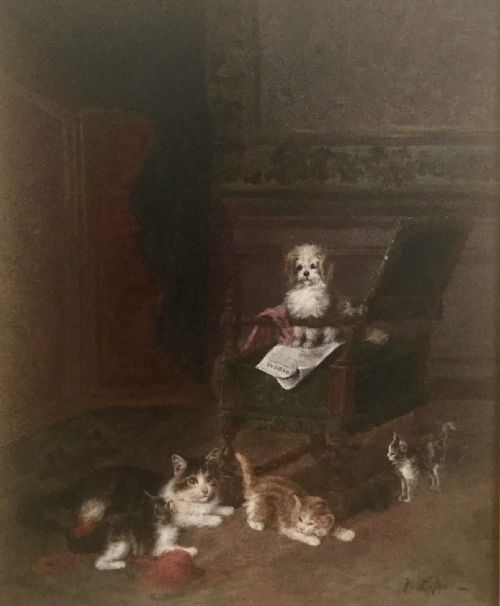
The selections available here range from large framed engravings and lithographs to decorative plaques and original oil paintings carrying strong narrative themes. Pieces often depict scenes of daily life, literary subjects, or animal companionship designed to provoke reflection and conversation.
Methods and Materials
Makers utilised heavy paper sheets to receive detailed impressions from steel or copper plate engravings, etchings, and multi-coloured lithographs. Skilled printmakers translated complex brushwork into fine lines and tonal gradations that retained the narrative force of the original compositions.
Framing materials reflect the aesthetic preferences of the nineteenth and early twentieth centuries, incorporating substantial oak, carved wood, and giltwood embellished with gesso and gold leaf. Many works retain their original protective glass and period mouldings which complement the visual weight of the imagery.
Victorian Narrative Print Retail Price Guide 2026
Typical asking prices for victorian narrative print among the pieces listed under this phrase on Sellingantiques today, from the lower quarter to the upper quarter. They describe what is for sale here now, not the wider market.
Listings feature paper, glass, oak, wood, oil on canvas, gold leaf, giltwood, and gesso across nineteenth and early twentieth-century items.
Markers of Distinction
The refinement of the engraving or etching process dictates the clarity of expression in faces, textures, and architectural details across the sheet. Finer impressions preserve the subtle shading and compositional depth intended by the original artist.
The integrity of the framing materials, from carved wooden mouldings to original giltwood and gesso surfaces, contributes significantly to the physical presence and historical completeness of the piece.
William Powell Frith·J. C. Dollman·Charles Burton Barber·Eugene Hindle·Jules Le Roy·David Wilkie·Herbert Dicksee
The Victorian Narrative Print Glossary
- Engraving
- A printmaking technique where an artist cuts lines directly into a metal plate using a sharp tool called a burin. This method produces crisp, permanent lines capable of remarkable detail.
- Etching
- A process in which acid bites carved lines into a metal printing plate covered with a protective ground. It allows for free-flowing linework and rich tonal variations.
- Lithography
- A planographic printing process based on the mutual repulsion of oil and water. It enabled the faithful reproduction of multi-coloured imagery and subtle painterly effects.
- Genre painting
- A style of art depicting scenes from everyday life, ordinary people, and domestic interiors. These works often carry moral or sentimental undertones.
- Giltwood
- Wood that has been treated with a thin layer of gold leaf or gold paint. It was commonly used for ornate nineteenth-century picture frames.
Victorian Narrative Print: Frequently Asked Questions
What is a narrative print?
A narrative print is an engraved, etched, or lithographic artwork that tells a specific story, often replicating a famous oil painting for domestic display.
These pieces were designed to be read visually, communicating moral lessons, literary tales, or sentimental human dramas to Victorian viewers.
How were these prints displayed?
Victorian households typically hung large framed prints and engravings in principal rooms to serve as focal points for conversation and cultural edification.
They were housed in heavy timber mouldings, such as oak or giltwood, which matched the formal interior decoration of the period.
Are these prints original artworks?
Engravings and lithographs are original mechanical and hand-worked multiples produced in limited editions from plates or stones created by master artists.
While they reproduce initial paintings, the physical prints themselves date directly from the nineteenth or early twentieth centuries.
How do I care for a paper print?
Paper prints require protection from direct sunlight and excessive humidity to prevent fading of the ink and deterioration of the sheet.
Keeping works behind original or conservation glass helps shield the delicate paper and any hand-applied watercolour details from environmental damage.
What subjects are most common?
Popular subjects include historical events, literary scenes, military milestones, and sentimental domestic moments involving children or animals.
Artists frequently drew inspiration from contemporary theatre, popular melodrama, and everyday social interactions.