




19th Century Etching Art
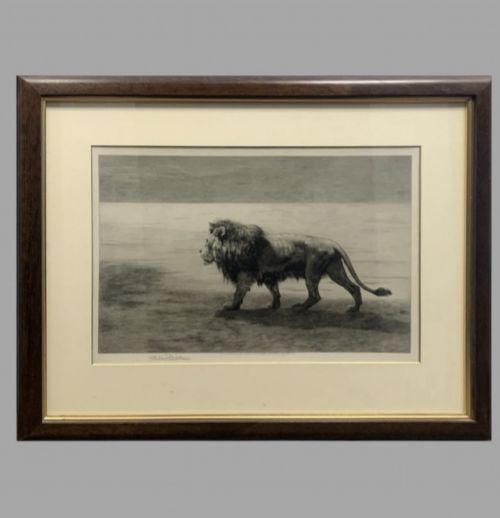
These 19th century etching art works bring historical scenes and portraits into interiors through detailed ink on paper.
19th Century Etching Art
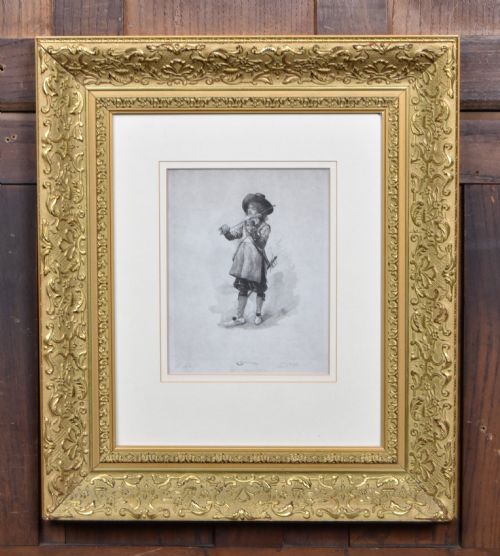
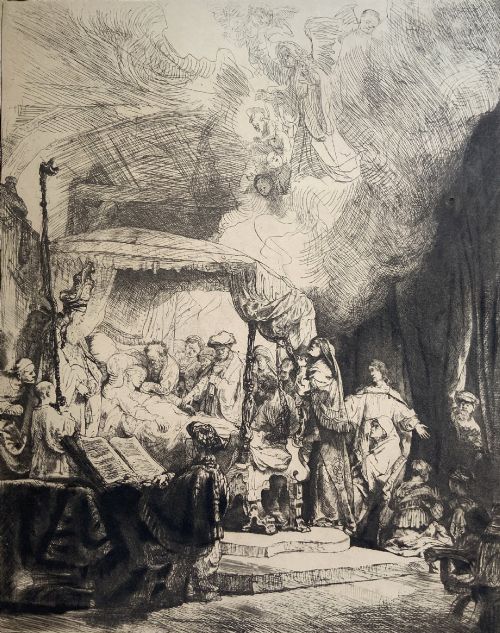
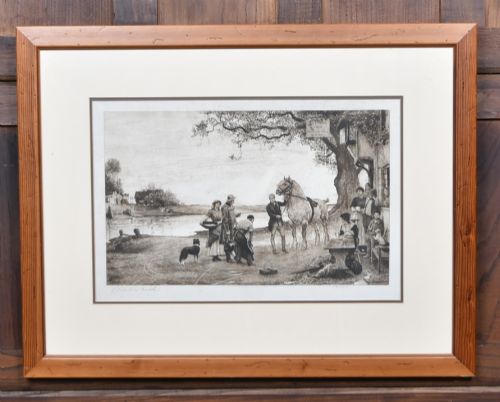
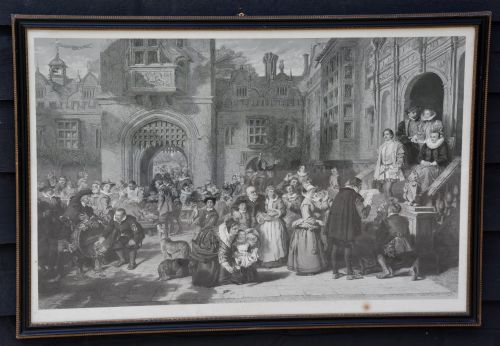
Buyers seeking 19th century etching art encounter framed prints, engravings, and original drypoint works spanning the Victorian, Regency, and Georgian periods. These pieces range from architectural views of London and Norwich Cathedral to classical portraits and rural scenes.
The selection frequently includes works by named artists and engravers, presented in period frames of wood or with original gilding. Subjects span military history, botanical studies with insects, and domestic animal portraits.
Framed wall art dominates the selection, often preserved behind glass with supportive vellum or paper mounts. Collectors find both individual plates and framed sets originating from European and British workshops.
Materials and production methods
Plates of copper or similar metals received inked impressions transferred to paper or vellum sheets under pressure. Many examples feature delicate hand colouring or watercolour tints applied over the printed line work.
Framing utilised timber mouldings, occasionally finished with gold leaf or arranged in Hogarth style frames. Protective glass covers the delicate paper surfaces against atmospheric dust and moisture.
Object types span framed art, wall prints, and botanical engravings with insects.
Distinctions in execution and preservation
Quality rests upon the crispness of the plate impression and the subtlety of any applied hand tinting. Strong, clear lines indicate a fresh plate, whereas worn plates yield softer, blurred details.
The presence of artist signatures, pencil inscriptions, or designation as limited artist proofs elevates the standing of an individual print. Original framing and clean, unblemished paper sheets further distinguish superior examples.
Amand Durand·Robert W Macbeth·Herbert Dicksee·Gustave Dore·Adolphe Pannemaker·John Curtis·Alessandro Mocchetti·David Wilkie
The 19th Century Etching Art Glossary
- Etching
- A printmaking process where acid bites lines into a metal plate to hold ink before transfer to paper. This technique allows for fine, fluid lines comparable to freehand drawing.
- Drypoint
- A printmaking method where an artist scratches directly into a metal plate with a sharp needle. This creates a raised burr along the line that holds ink for a velvety, rich appearance.
- Engraving
- A technique where design lines are cut manually into a metal plate using a hardened steel tool called a burin. The resulting image offers precise, clean geometric details.
- Vellum
- A fine parchment prepared from calfskin used as a durable support for specialised prints. It presents a smooth, creamy surface that absorbs ink distinctly from paper.
- Hand Coloured
- The application of watercolour or tint by hand onto a printed monochrome sheet. This adds specific hues to architectural, botanical, or figurative subjects.
19th Century Etching Art: Frequently Asked Questions
How do I identify a genuine period etching?
Examine the paper texture, plate marks left by the printing press edges, and the quality of the ink deposition under magnification. Period impressions display distinct tonal depth rather than uniform digital dot patterns.
Check for historical framing materials and paper ageing characteristics consistent with the nineteenth century. Signatures in pencil by the artist often confirm limited or proof editions.
What is the difference between an etching and an engraving?
Etchings rely on acid to bite lines into a metal plate, producing softer and more fluid lines. Engravings involve cutting lines directly into the metal with a sharp tool, yielding crisper geometric precision.
Both methods were common during the nineteenth century for reproducing fine art and documenting contemporary events.
How should I frame and display these prints?
Mount prints using acid-free materials and frame them behind glass with UV-filtering properties to prevent fading. Keep them away from direct sunlight and damp environments to protect the paper and ink.
Allow space between the glass and the paper surface so the sheet breathes and does not adhere to the glazing.
What subjects are most common in these works?
Common subjects include architectural landmarks like Norwich Cathedral, classical portraits of politicians, and literary scenes. Botanical studies with insects and military subjects also appear frequently across the selection.
Rural landscapes and domestic animal studies reflect the Victorian taste for narrative and natural history art.