


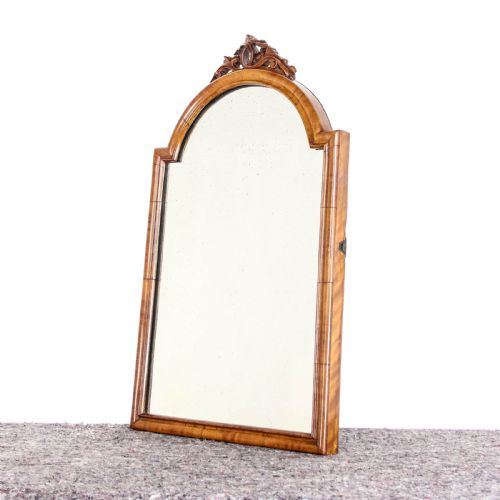

Victorian Moulded Frame
A victorian moulded frame brings architectural depth and rich surface texture to a room, offering period character for holding art or reflecting light.
Victorian Moulded Frame
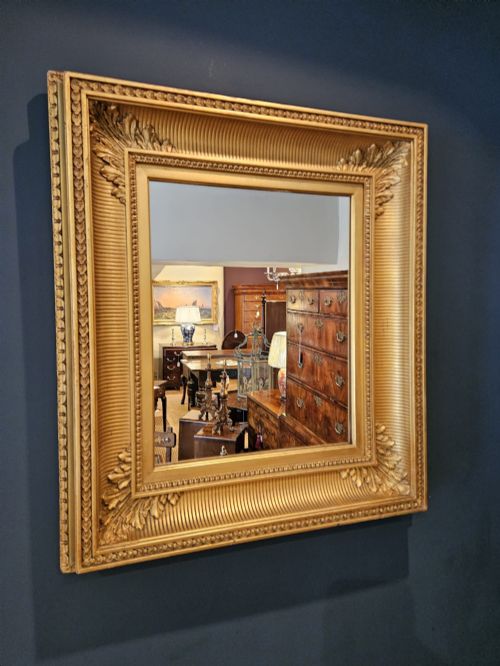
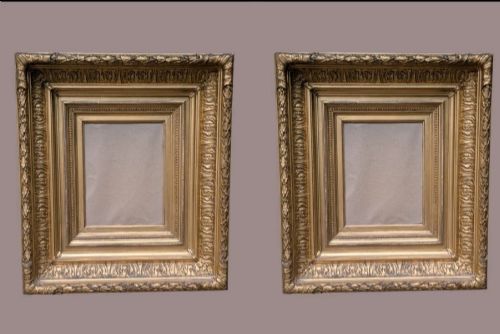
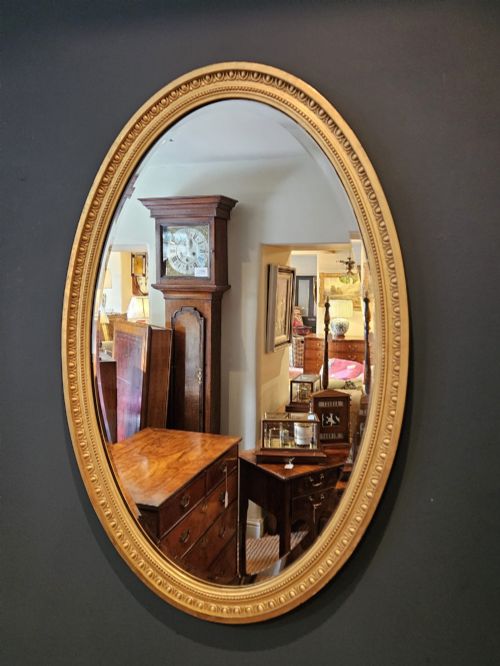
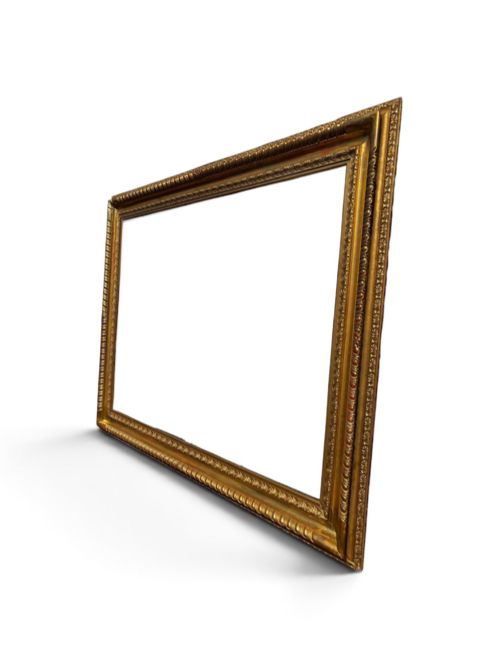
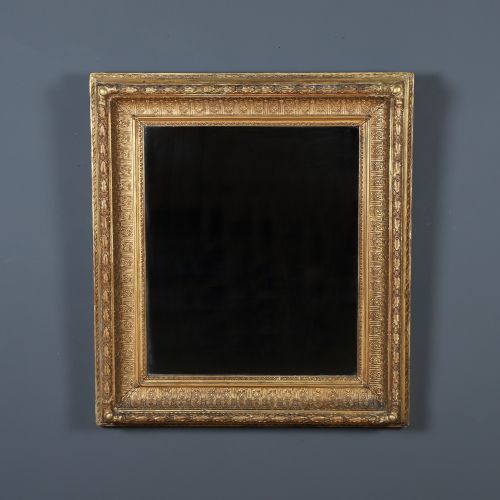
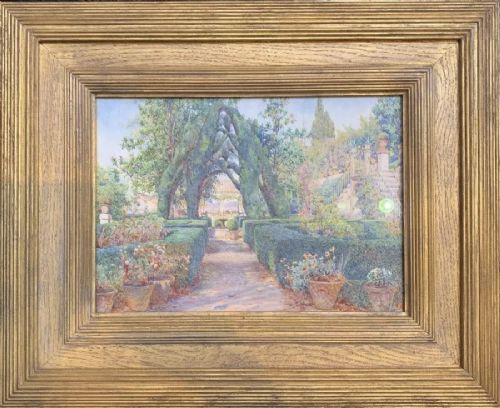
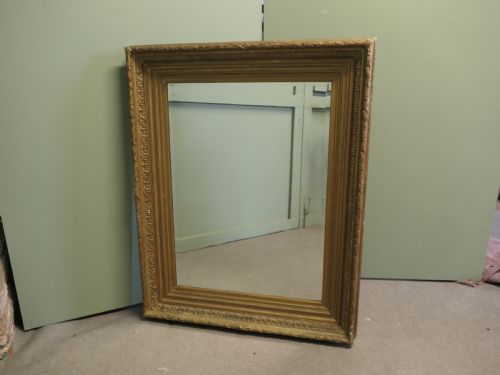
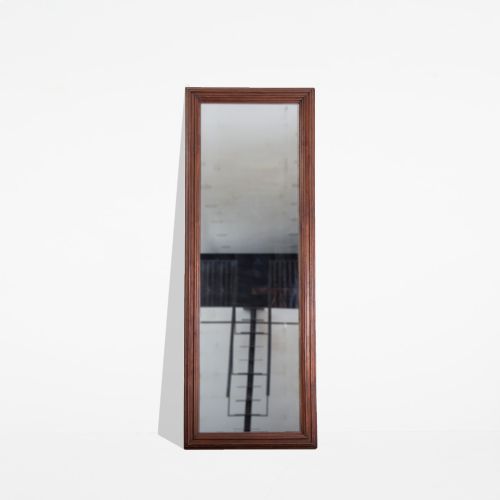
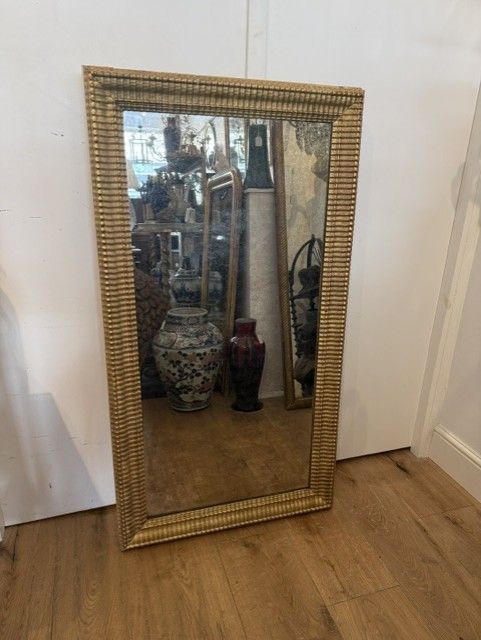
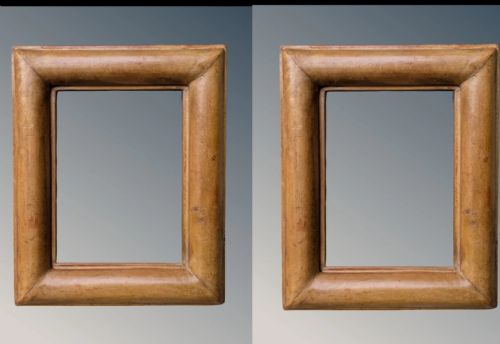
When you examine a victorian moulded frame, you look at wall mirrors, picture frames, and overmantel mirrors shaped from wood and plaster. The pieces span the nineteenth century and into nineteen hundred, showing styles from late victorian to rococo revival and neoclassical forms.
Overmantel mirrors and picture frames dominate the listings, often featuring ornamented corners, arched tops, and ripple profiles. Walnut and giltwood examples provide the most common encounters on the page.
How they were made
Craftsmen shaped wooden foundations from timber such as mahogany, walnut, oak, and maple, building deep profiles for picture frames and architectural wall mirrors. They applied gesso and composition materials over the wood base to build up intricate relief decoration.
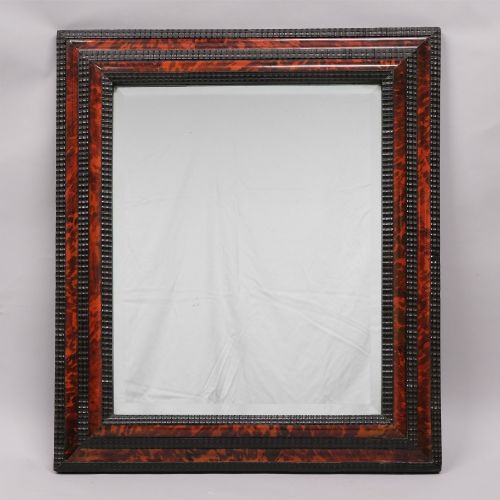
Surfaces received gold leaf or gilt finishes, while specific pieces utilised ebony, brass, leather, and tortoiseshell veneers. Glass was fitted into the rebates, frequently taking the form of original mirror glass or picture glass.
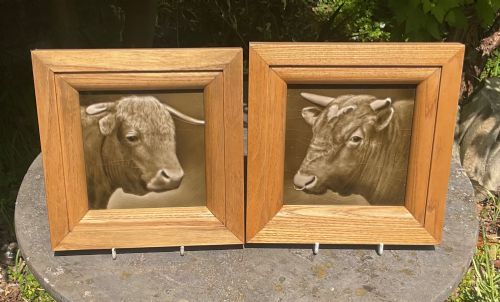
Cow and bull tiles peer out from leather frames, proving cattle appreciation spans the centuries.
What varies in quality
The distinction rests in the crispness of the moulded relief and the depth of the timber profile. Superior examples display sharply defined acanthus leaves, clean ripple mouldings, and substantial weight in the underlying wood and gesso.
The choice of materials dictates the upper tier, where genuine gold leaf and fine hardwoods like walnut outperform simpler painted compositions. Original glass and undisturbed surface patination elevate a piece above standard decorative alternatives.
Sherwin and Cotton
The Victorian Moulded Frame Glossary
- Gesso
- A plaster mixture applied to wood frames as a base for gilding or painting. It is built up in layers and carved or moulded into decorative relief.
- Giltwood
- Timber coated with gold leaf or metallic paint to create a rich golden surface. This finish defines many nineteenth-century wall mirrors and picture frames.
- Ripple frame
- A frame featuring undulating, wave-like mouldings machined across the wood surface. These patterns create rhythmic shadows around the inner edge.
- Overmantel mirror
- A large mirror designed to hang directly above a fireplace mantelpiece. They often feature arched tops and wide moulded frames.
- Composition
- A pliable mixture of whiting, resin, and glue pressed into moulds to form ornaments. It allowed makers to produce ornate reliefs rapidly.
Victorian Moulded Frame: Frequently Asked Questions
How do I hang a heavy overmantel mirror?
Heavy overmantel mirrors require secure fixings anchored directly into wall studs or masonry to support their substantial weight safely. Using professional mirror brackets distributes the load evenly across the frame structure.
Ensure the hanging wire or strap matches the heft of the wooden and gesso construction. Position the piece at a height that balances the proportions of the room and fireplace.
What is the difference between a picture frame and a wall mirror?
Picture frames are constructed with a deep rebate designed to hold canvas, board, and glazing rather than reflective glass. Wall mirrors incorporate structural backing boards specifically sized to secure heavy mirror glass.
Both utilise similar moulded timber and gesso techniques, but their internal rebate depths serve distinct purposes. Picture frames often present a deeper profile to project artwork forward.
How do I clean a giltwood frame?
Dust giltwood surfaces gently with a soft, dry brush to remove particles without disturbing delicate gesso relief. Avoid liquid cleaners and chemical solvents that can strip gold leaf or modern gilt finishes.
Take care around intricate acanthus leaf and ripple mouldings where old composition can become brittle. Regular light dusting preserves the original patination of the gilded surface.
Where should I place a walnut framed mirror?
A walnut framed mirror suits hallways, living rooms, and bedrooms where natural light can reflect across the room. Hang the piece opposite a window to brighten darker interior spaces effectively.
Keep wooden frames away from direct sunlight and damp environments to protect the timber and veneer from splitting. Pairing the mirror with matching nineteenth-century furniture creates a cohesive period interior.