

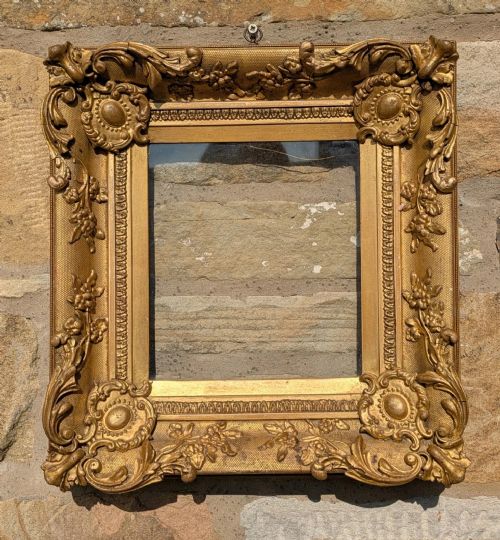


Decorative Gold Picture Frame
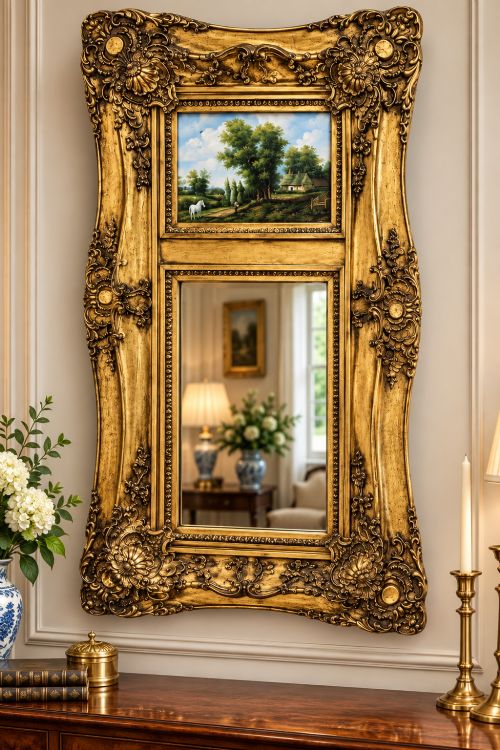
These decorative gold picture frame examples bring warmth and period character to interiors, holding oils, mirrors and photographs with unmistakable presence.
Decorative Gold Picture Frame
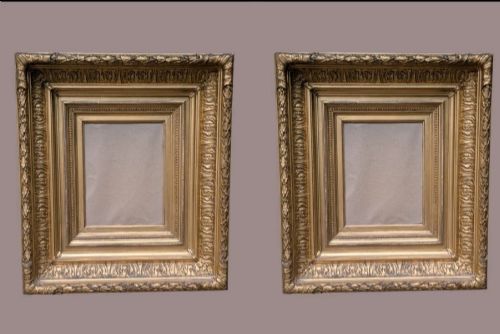
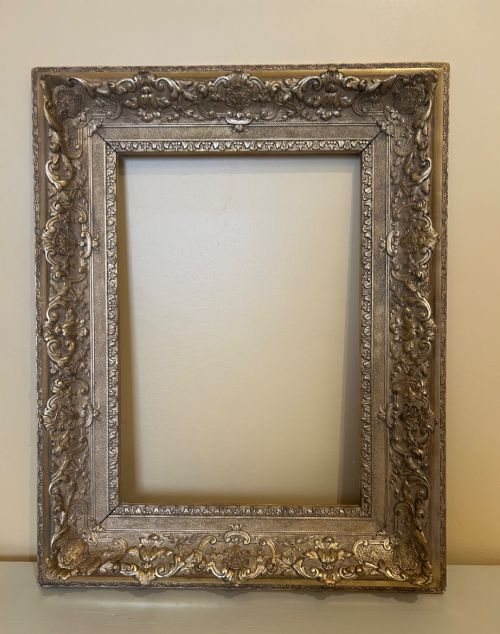
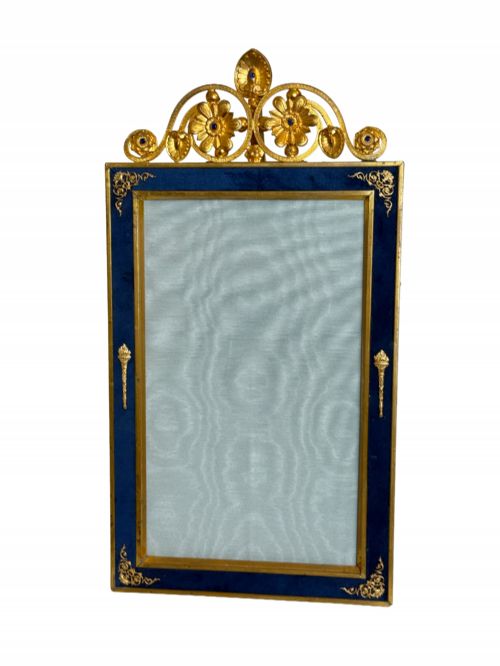
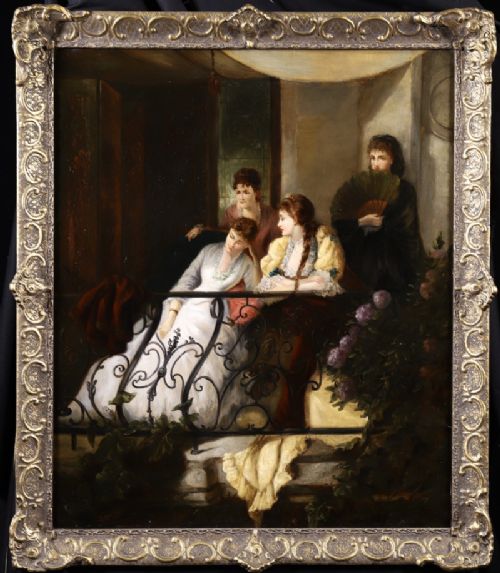
When searching for a decorative gold picture frame, you encounter a variety of forms spanning centuries of craftsmanship. The selection encompasses deep Victorian mouldings, ornate wall mirrors, miniature photo frames and oil paintings set in period surrounds.
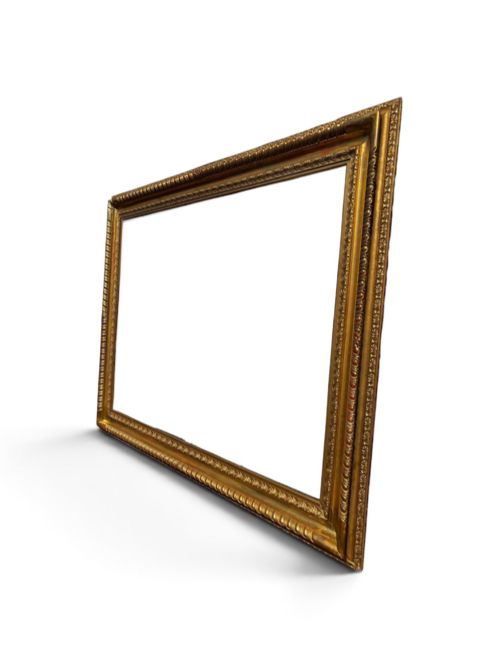
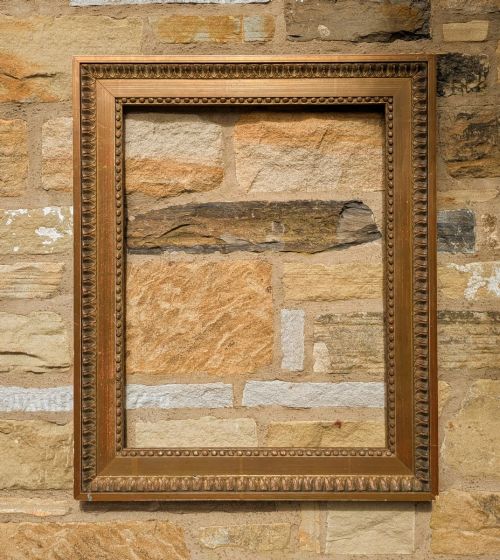
Nineteenth-century examples dominate the offerings, often displaying elaborate ornamentation such as egg and dart beaded moulding, lion heads and floral motifs. Victorian and Edwardian periods supply substantial pieces designed to anchor a room.
Objects range from small brass and ormolu easel frames to massive overmantle mirrors and framed portraits. Many house original artworks, prints, or specialised glass including crystoleum and new glass replacements.
How they were made
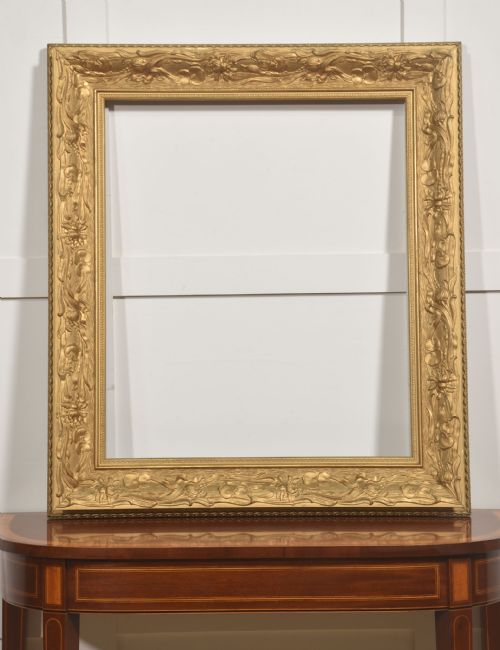
Construction relies heavily on timber foundations shaped with gesso to build up intricate relief decoration. Artisans then applied gold leaf or gilt finishes over the prepared surfaces to create a luminous metallic sheen.
Cast metals such as bronze, brass and ormolu appear frequently in smaller desk and photo frames, sometimes combined with paste stones, blue trim or agate mounts. Wood carvers shaped complex patterns directly into giltwood for large mirrors and deep picture surrounds.
Listings feature periods from the seventeenth century through the Victorian era, utilising materials like glass, velvet, canvas and gold leaf.
What varies in quality
The depth and crispness of the moulding dictate much of the visual impact, with hand-carved details and layered gesso relief standing apart from simpler cast alternatives. Deep profiles create stronger shadow and light play across the gilded surface.
The integrity of the original gold leaf finish and the harmony between the frame and its contents determine the overall standard. Pieces retaining their original gilding without heavy overpainting demonstrate superior preservation.
John A Monteith·Constant Ludovic Artz·Frank Myers Boggs·John Gilroy
The Decorative Gold Picture Frame Glossary
- Gesso
- A plaster-like mixture applied to wood frames to create a smooth surface for gilding and low-relief moulding. It allows carvers to achieve sharp decorative details.
- Giltwood
- Timber carved and coated with gold leaf or metallic powder to simulate solid gold. It forms the primary structure of many Victorian and nineteenth-century wall mirrors.
- Ormolu
- Finely ground high-carat gold-bronze alloy applied to decorative metal objects. It provides a rich, durable metallic finish on nineteenth-century easel frames.
- Overmantle
- A large mirror or framed piece specifically proportioned to hang above a fireplace mantel. These items often feature expansive gilt frames and nineteenth-century origins.
- Crystoleum
- A Victorian method of applying hand-coloured oil paints to the inside of concave glass. These delicate pictures typically sit within ornate period gilt frames.
Decorative Gold Picture Frame: Frequently Asked Questions
How do I date a gold frame?
Dating relies on examining the construction materials, backing boards and moulding styles. Nineteenth-century examples often feature hand-applied gesso and specific joinery methods.
Changes in artistic motifs, such as Art Nouveau curves or Victorian revival styles, also help narrow the decade of production.
Can I hang a heavy gilt mirror safely?
Large nineteenth-century overmantle mirrors and deep frames carry substantial weight due to their timber and gesso construction. Proper wall anchors and professional mirror hangers ensure secure placement.
Distributing the load across structural wall studs prevents shifting over time.
What is the difference between giltwood and gilded brass?
Giltwood consists of a carved wooden base covered in thin gold leaf or gilt paint, common in large picture frames and wall mirrors. Gilded brass or bronze is cast metal treated with a metallic finish.
Metal frames generally appear on smaller easel or desk photo frames rather than large wall hangings.
How do I clean an antique gilt frame?
Dusting gently with a soft dry brush prevents accumulation without disturbing fragile gesso or gold leaf. Moisture and modern chemical cleaners damage historical gilding.
Professional restoration remains necessary if the surface shows active flaking or loss.