
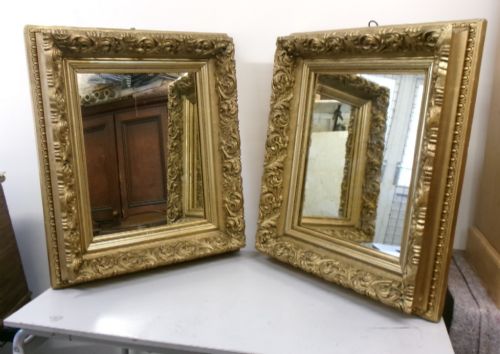
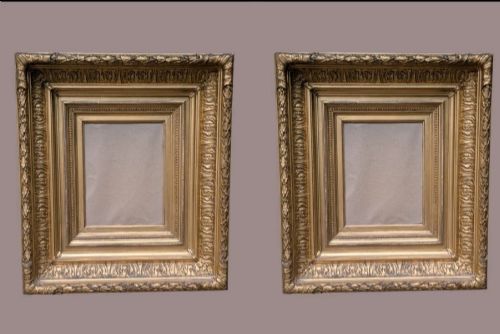


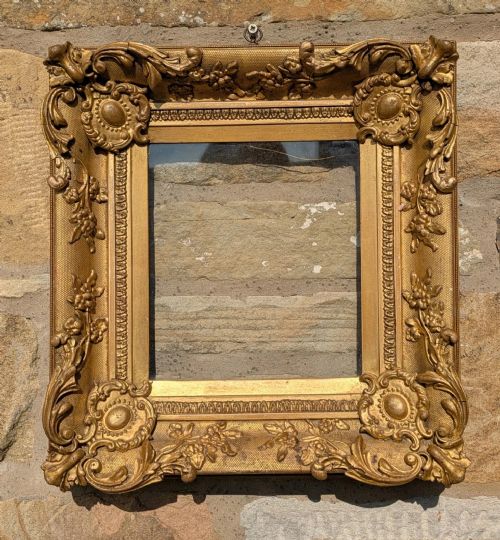
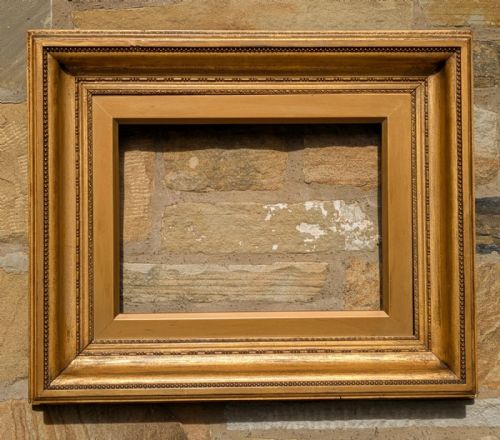


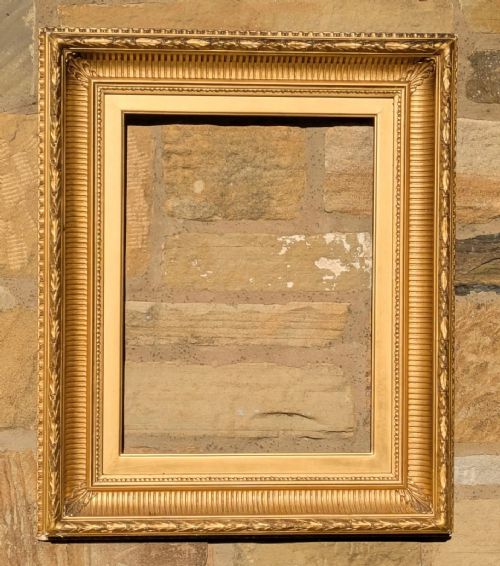


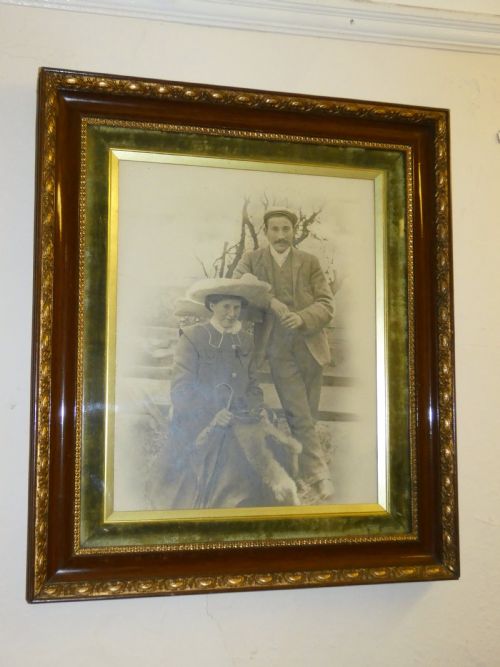
Heavy Gilt Wood Frame
A heavy gilt wood frame anchors a room with undeniable presence, carrying centuries of craftsmanship in its carved surfaces.
Heavy Gilt Wood Frame
A heavy gilt wood frame brings substantial weight and visual depth to walls, serving primarily as housings for mirrors, paintings, and photographs. When searching for a heavy gilt wood frame, buyers encounter pieces designed to command attention through sheer scale and ornate decoration.
The selection on this page spans several distinct eras, stretching from the seventeenth century through the Victorian period and into the twentieth century. Victorian Rococo Revival, Baroque, and Grand Regency styles dominate the aesthetic, offering deep mouldings and elaborate carved details.
Most items appear as wall mirrors, picture frames, and overmantle wall mirrors, occasionally accompanied by linen slips. These objects combine wooden structures with glass or canvas elements, maintaining their imposing character across generations.
Construction and materials
Makers constructed these heavy gilt wood frame pieces using solid wood carcasses as the foundational support. Carvers then applied layers of gesso and composition material to build up intricate decorative reliefs and moulding profiles.
Guilders finished these surfaces by applying gold leaf or gilt finishes over the prepared ground. Mirror glass and framed art were subsequently fitted into the deep rebates, secured with traditional backing methods.
Judging quality in heavy gilt wood frame examples
Quality separates through the crispness of the carved ornamentation and the depth of the timber moulding. Superior pieces display hand-carved details that retain sharp definition beneath the gilding, whereas lesser examples rely on heavier composition mouldings with softer edges.
The integrity of the original gilt surface dictates the standing of a piece within its period. Examples that preserve their primary gold leaf without extensive modern repainting hold greater authenticity for collectors.
The Heavy Gilt Wood Frame Glossary
- Gesso
- A plaster mixture applied to wood frames to create a smooth surface for gilding. Artisans carved intricate details directly into this layer.
- Giltwood
- Timber that has been coated with gold leaf or a gold-coloured finish. This material defines the lustrous appearance of the frames.
- Composition
- A mouldable mixture of whiting, resin, and oil pressed into metal dies to form repeating decorative ornaments. Makers used it to achieve ornate relief work efficiently.
- Pier glass
- A tall mirror designed to hang on the wall between windows. These mirrors frequently appear in pairs within nineteenth-century interiors.
- Overmantle
- A large mirror or picture specifically proportioned to hang above a fireplace mantelpiece. They serve as central architectural focal points in period rooms.
Heavy Gilt Wood Frame: Frequently Asked Questions
Are these frames suitable for modern art?
Pairing historical frames with contemporary artwork creates a striking visual contrast in modern interiors. The ornate carving of nineteenth-century frames grounds abstract canvases or minimalist photography.
Consider the depth of the rebate when fitting new art to ensure the piece sits correctly within the moulding profile.
How do I clean a gilt wood surface?
Dust these surfaces gently using a soft, dry brush or feather duster to remove loose particles. Avoid liquid cleaners and chemical sprays, which can dissolve the delicate gold leaf and underlying gesso.
Professional conservation is recommended for any deeper cleaning or stabilization of flaking surfaces.
How can I tell a nineteenth-century frame from an earlier one?
Seventeenth-century Baroque frames typically feature deep, robust wooden profiles with heavy hand-carved acanthus scrolls and darker patination. Nineteenth-century revival pieces often incorporate composition ornaments pressed over timber carcasses.
Examining the corner joints, tool marks on the reverse, and the composition of the gesso layer helps reveal the true period of manufacture.