




Victorian Monochrome Print
A victorian monochrome print delivers ink on paper with stark tonal restraint, offering domestic walls a disciplined graphic presence.
Victorian Monochrome Print
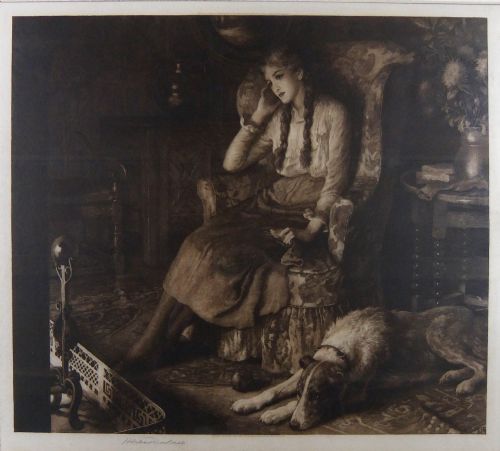
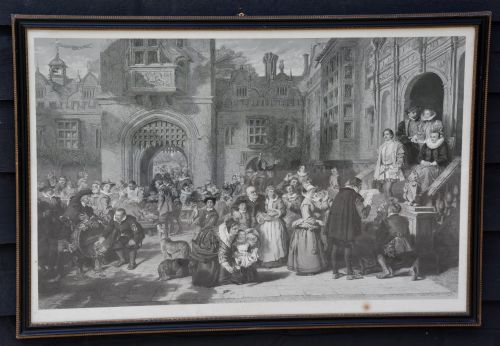
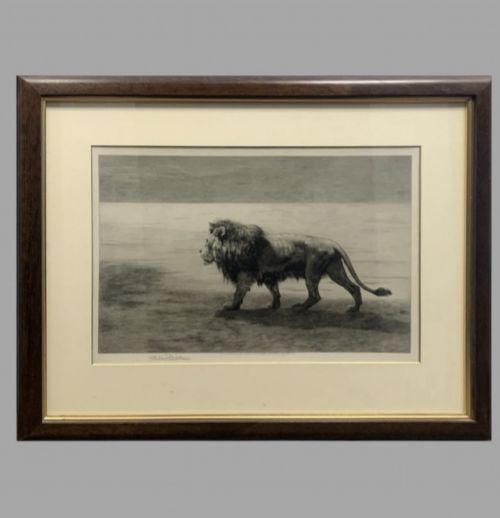
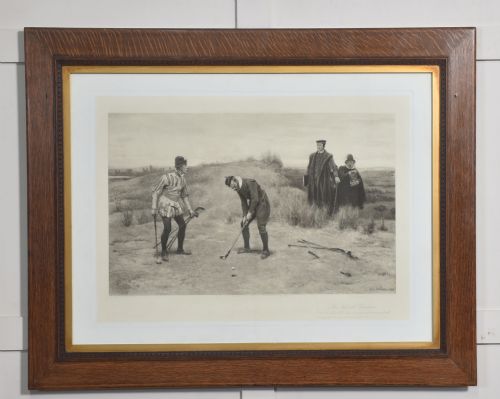
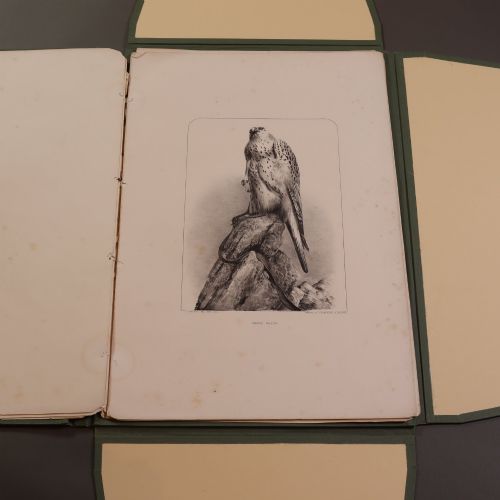
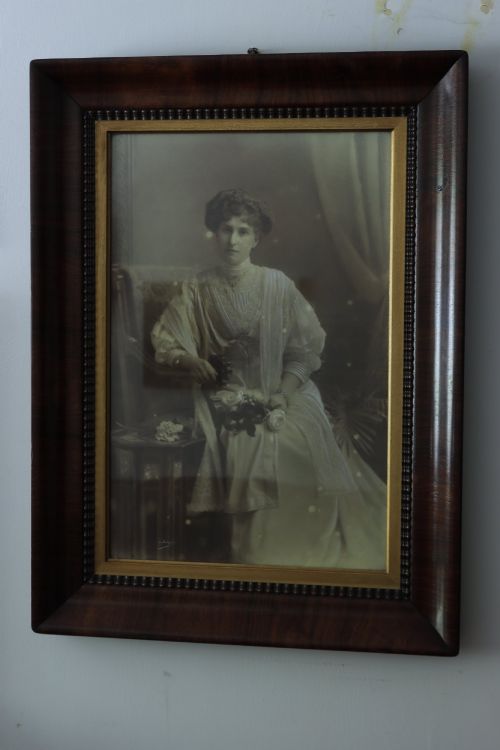
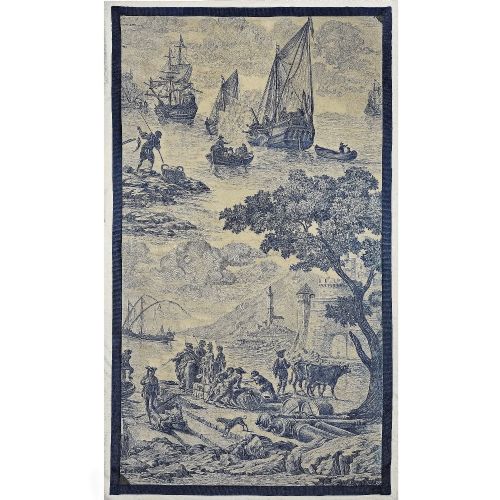
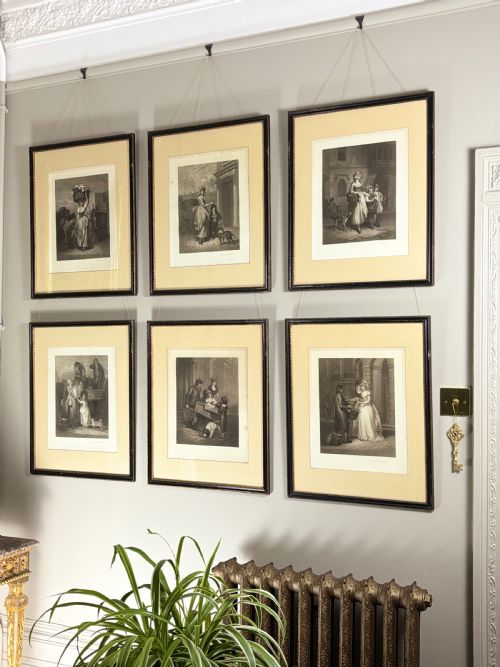
A victorian monochrome print gathers 19th century etchings, engravings, mezzotints, and drawings framed primarily in wood or oak. These pieces range from narrative scenes and portraits to architectural subjects and animal studies.
The version most commonly met on this page is the framed engraving or etching on paper, often bearing the signature of the artist or engraver. These works display a monochromatic palette dominated by deep blacks, charcoal greys, and cream paper grounds.
Subjects lean towards historical events, domestic animal studies, and classical portraits, reflecting the visual tastes of the Victorian and Edwardian eras. They are typically presented behind glass within timber frames.
Materials and technique
Image creation relies on inked metal plates pressed into paper using etching, engraving, drypoint, or mezzotint techniques. Ink settles into incised lines or textured areas to transfer the design.
Supports consist principally of paper or vellum, housed within wooden frames such as oak or gilt wood, frequently protected by glazing with glass.
Additional mediums appearing alongside print work include pen and ink drawing, utilising ink applied directly to paper substrates.
Bulldogs appear with surprising frequency across the nineteenth century prints, glaring out from their frames with stout determination.
Judging quality in monochrome works
Quality rests upon the clarity of the impression transferred from the printing plate and the presence of artist or engraver signatures. Strong impressions retain fine lines and deep tonal gradations without blurring or fading.
The integrity of the framing materials also separates pieces, with original period frames like Hogarth or gilt wood moulding adding historical context. The condition of the underlying paper, free from heavy staining or foxing, governs the overall standard.
Herbert Dicksee·Thomas G Appleton·Gustave Doré·Adolphe Pannemaker·W Roffe·James Dobie·John Hancock
The Victorian Monochrome Print Glossary
- Etching
- A printmaking method where acid bites lines into a metal plate to hold ink. This process allows for fluid, expressive lines drawn directly by the artist.
- Engraving
- A technique where a tool cuts design lines directly into a metal plate. This method yields precise, crisp geometric lines.
- Mezzotint
- A tonal printmaking process where the metal plate is roughened to hold ink for dark areas and scraped down for highlights. It produces smooth gradations of tone rather than reliance on line.
- Drypoint
- A printmaking process where a sharp needle scratches directly into the metal plate, raising a burr that catches ink. This creates soft, velvety lines unique to the method.
- Vellum
- A fine parchment prepared from calfskin used as a durable support for printing. It provides a smooth, resilient surface distinct from paper.
Victorian Monochrome Print: Frequently Asked Questions
How should I hang a monochrome print?
Keep works out of direct sunlight to protect the paper and ink from fading over time. Maintain stable indoor humidity levels to preserve both the paper support and the wooden frame.
Group pieces with similar tonal weights together on neutral wall backgrounds to balance the interior space. Ensure secure wall fixings suited to the weight of timber and glass frames.
What is the difference between an etching and an engraving?
An etching uses acid to bite lines into a metal plate, resulting in free-flowing and varied line work. Engraving employs a metal-cutting tool pushed directly into the plate, producing sharp and precise lines.
Both methods transfer ink to paper under pressure, but the microscopic examination of the lines reveals the distinct hand of the maker.
Are these works original prints?
Many examples are original artist proofs or contemporary impressions pulled directly from plates engraved or etched in the nineteenth century. Signatures in pencil often indicate direct involvement by the artist in the printing process.
Printmaking in this era encompassed various collaborative roles between the painter, the engraver, and the printer.
How do I care for antique paper art?
Protect the surface by keeping the original glass intact and avoiding placement in damp rooms. Professional framing using acid-free materials prevents long-term degradation of the paper.
Clean the exterior glass gently with a dry cloth, taking care not to spray liquids directly onto the frame edge or mount.