
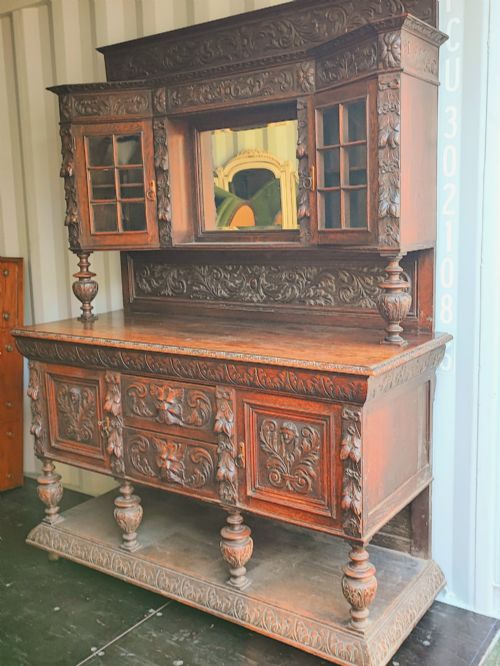
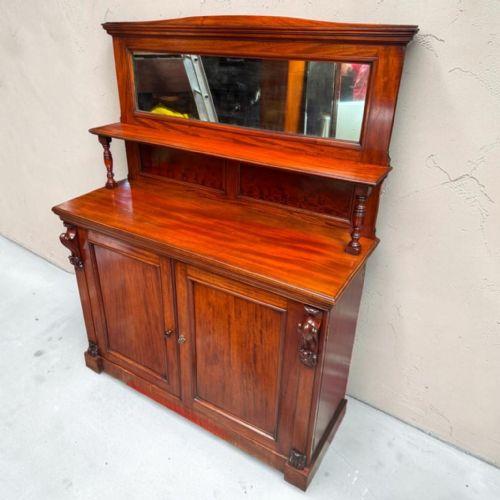
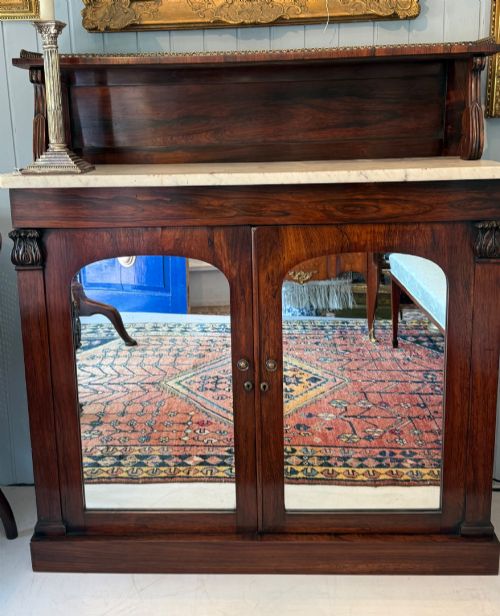
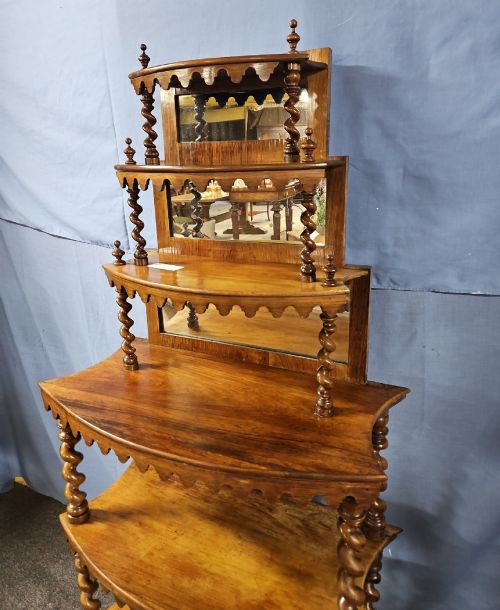
Victorian Mirrored Cabinet
A victorian mirrored cabinet brings light and reflection into a room while hiding away everyday clutter behind glass and timber.
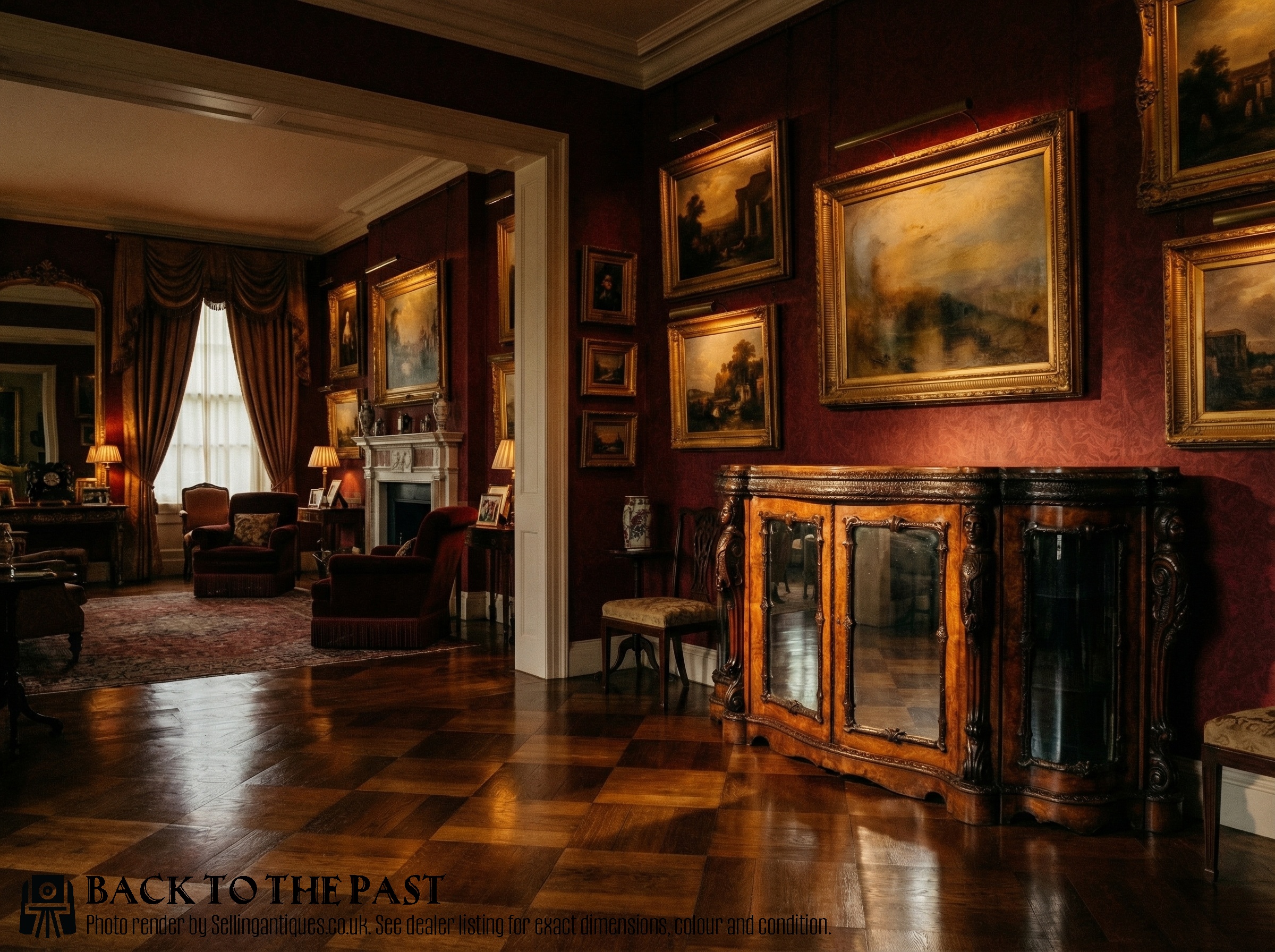
Victorian Mirrored Cabinet
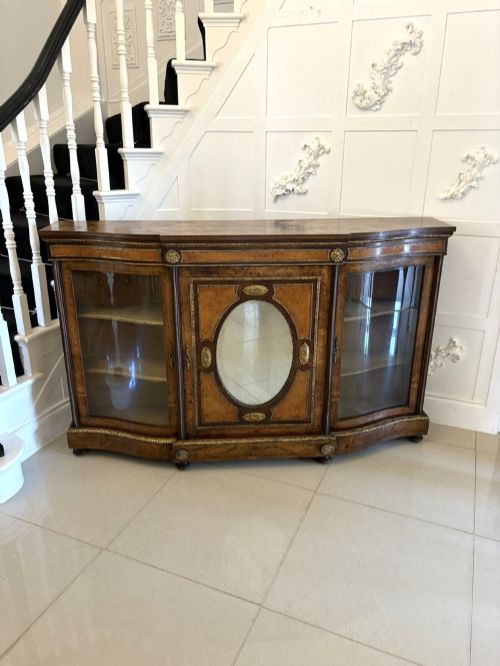
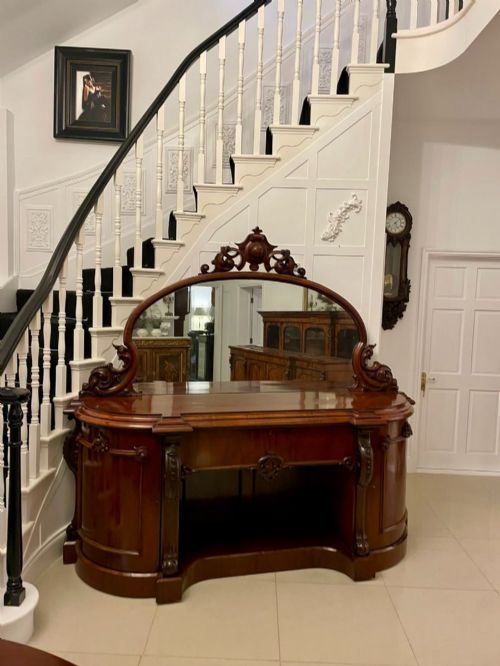
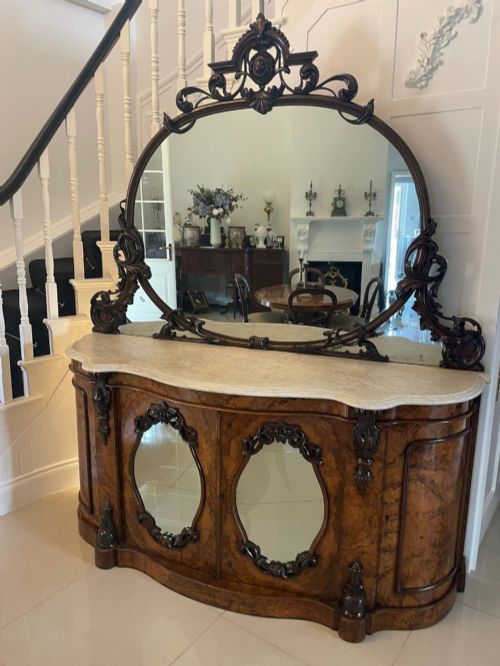
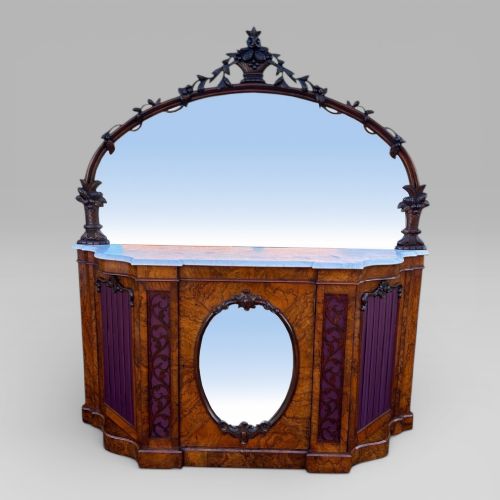
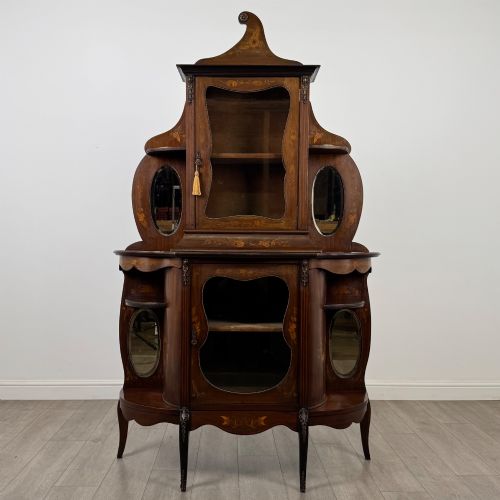
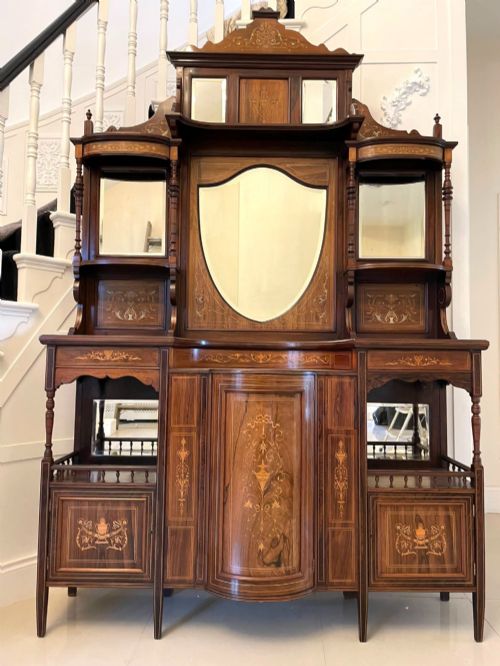
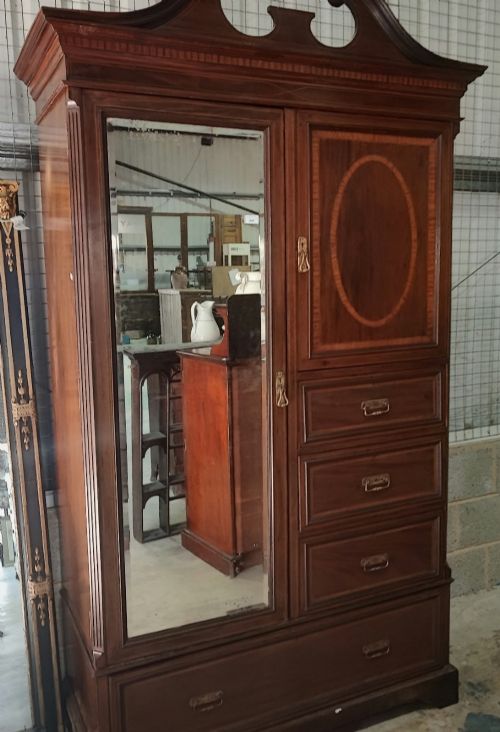
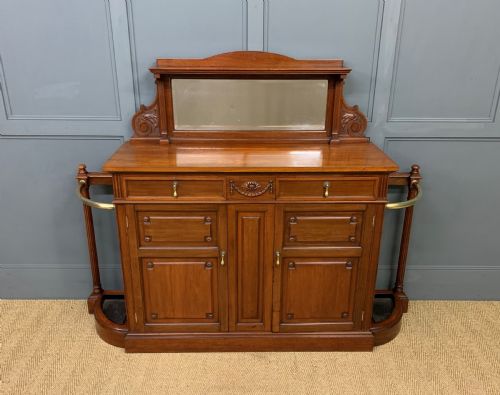
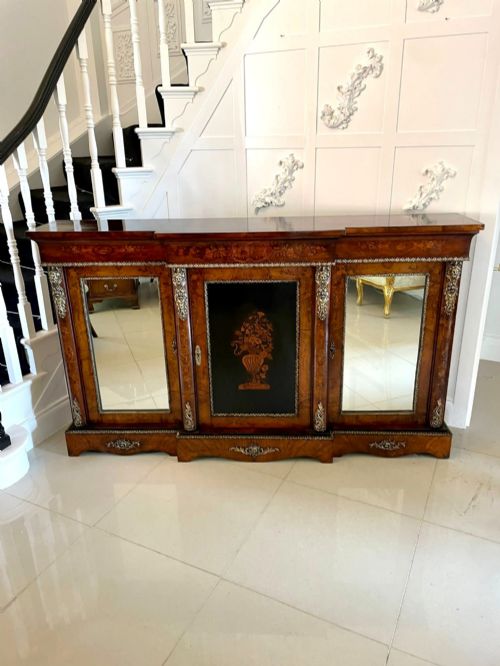
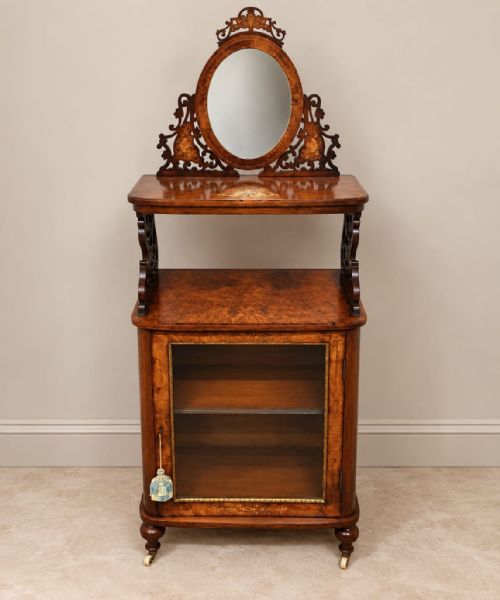
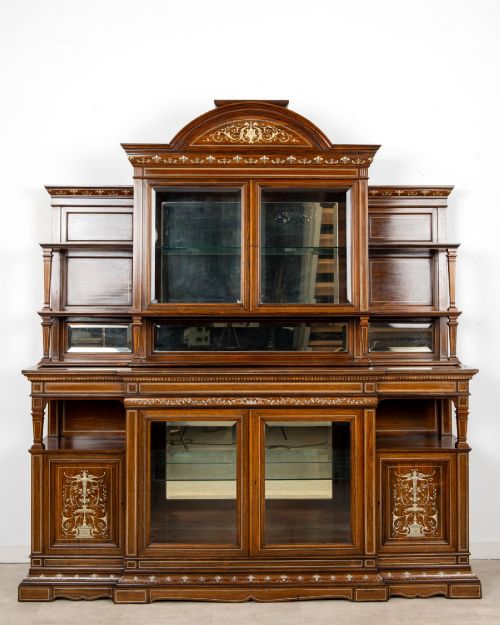
A victorian mirrored cabinet combines timber storage with reflective glass, appearing across forms such as credenzas, sideboards, chiffoniers, and display cabinets. These pieces anchor a room by bouncing natural light around the interior while offering concealed shelving or drawers.
Burr walnut and mahogany form the backbone of the selection, frequently enhanced by marquetry inlay or ormolu mounts in the Victorian and Edwardian periods. Pieces range from large mirror-backed sideboards to compact bedside and music cabinets designed for specific domestic duties.
The aesthetic movement and late Victorian iterations introduce lighter woods and simpler lines, while earlier 1850s examples lean towards heavy carved mahogany and burr walnut. Buyers encounter both monumental hall pieces and smaller tabletop or hanging cupboards.
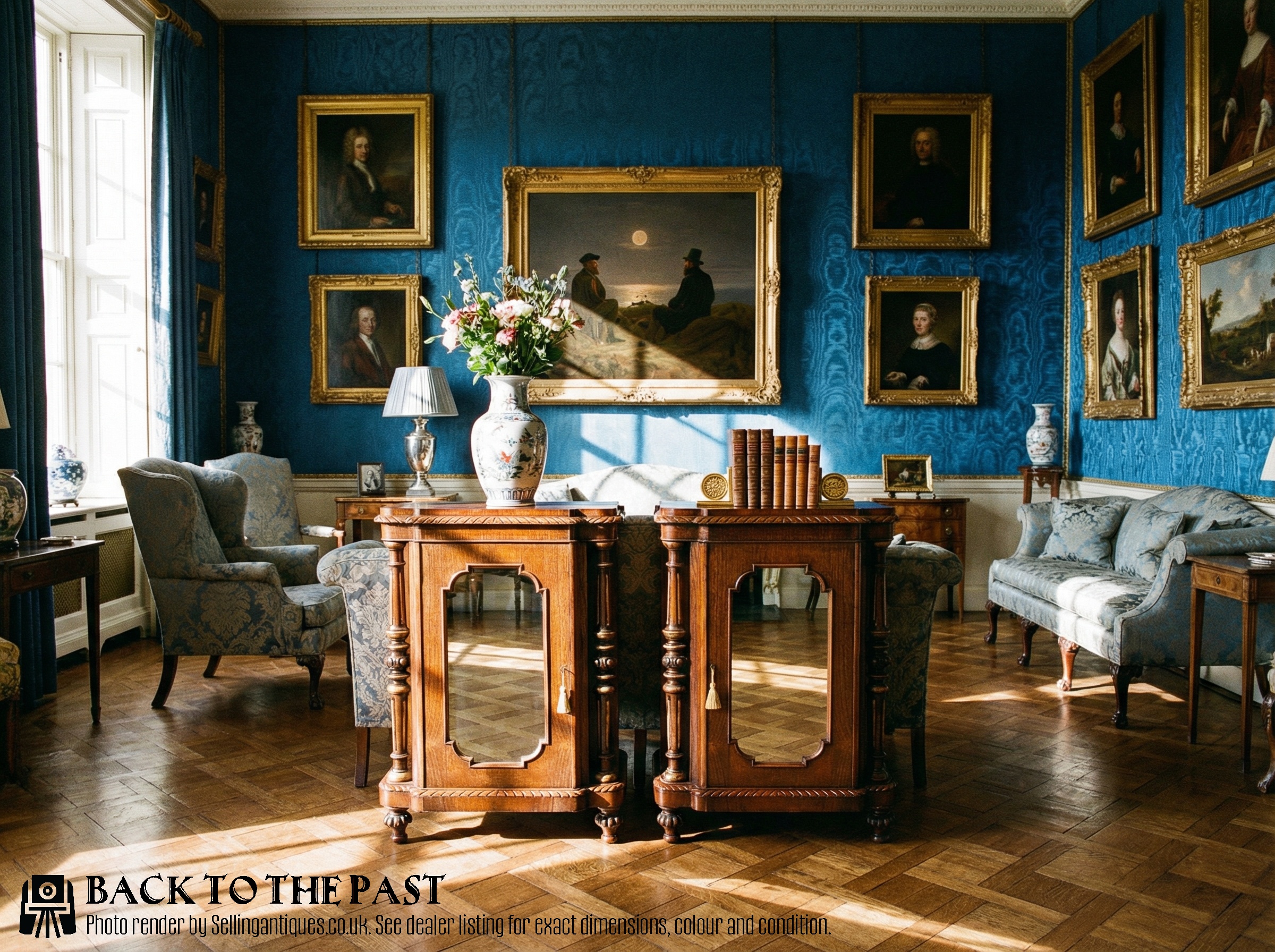
What varies in quality
The depth and crispness of the hand-carved ornamentation separate standard utility furniture from high workshop productions. Superior examples display precise marquetry inlay and well-matched burr veneers across every visible surface.
The weight and clarity of the mirror glass, alongside the thickness of the cabinet timber, dictate the tier of craftsmanship. Maker attributions and stamps from established firms elevate certain pieces above anonymous workshop output.
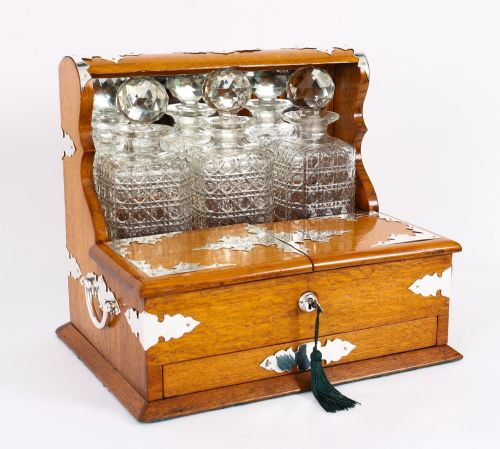
Some nineteenth-century cabinets double as tantalus sets, hiding spirit decanters and games compendiums behind locked mirrored doors.
Edwards and Roberts·Shoolbred and Co·Collinson and Lock·Harrods·Waring and Gillows·Gillows
The Victorian Mirrored Cabinet Glossary
- Ormolu
- Gilded bronze mounts applied to furniture corners and doors for decorative contrast. This technique highlights the richness of the underlying timber.
- Marquetry
- The art of applying small pieces of veneer to form decorative patterns and pictures on a wooden surface. Craftsmen use contrasting woods to achieve tonal depth.
- Chiffonier
- A small sideboard featuring cupboards beneath and sometimes a raised shelf or mirror above. It served as a handy surface for serving tea or displaying ornaments.
Victorian Mirrored Cabinet: Frequently Asked Questions
Where did people put a mirrored cabinet?
These cabinets found places in dining rooms, parlours, and hallways where reflective glass could brighten dark corners.
Larger versions stood against main reception room walls, while compact variations served bedrooms and music rooms.
How do I clean the wood safely?
Maintenance requires only a soft cloth and occasional application of appropriate beeswax to nourish the antique timber.
Harsh modern sprays strip natural patinas and damage delicate nineteenth-century polishes.
Are the mirrors original?
Original nineteenth-century mirror plates often exhibit subtle foxing, tiny dark spots caused by the breakdown of the silver backing over time.
Clear glass without any imperfections usually suggests a later replacement rather than factory-original work.