

Victorian Marquetry Stand
When evaluating a victorian marquetry stand, consider how these decorative wooden pieces combine floral inlay with period utility.
Victorian Marquetry Stand
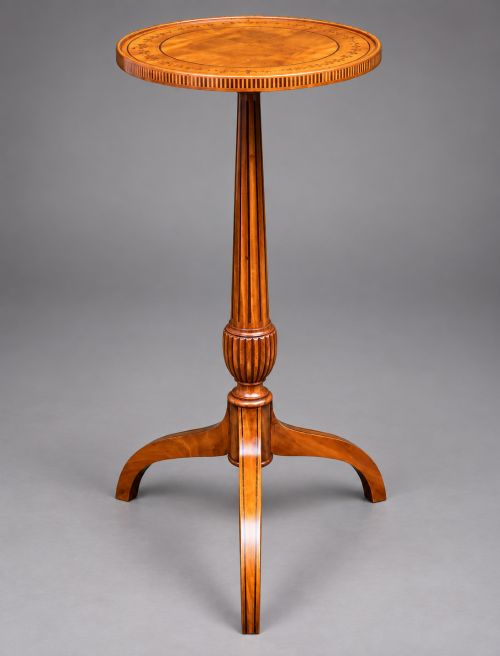
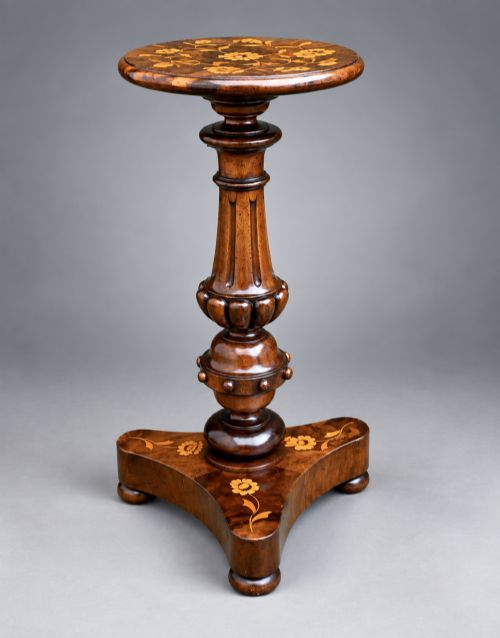
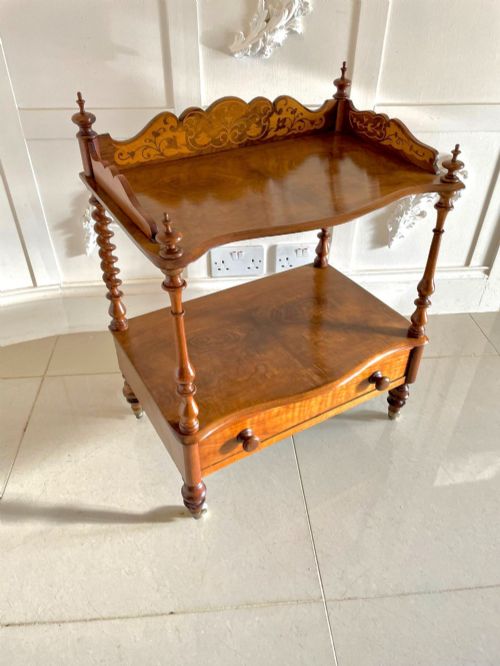
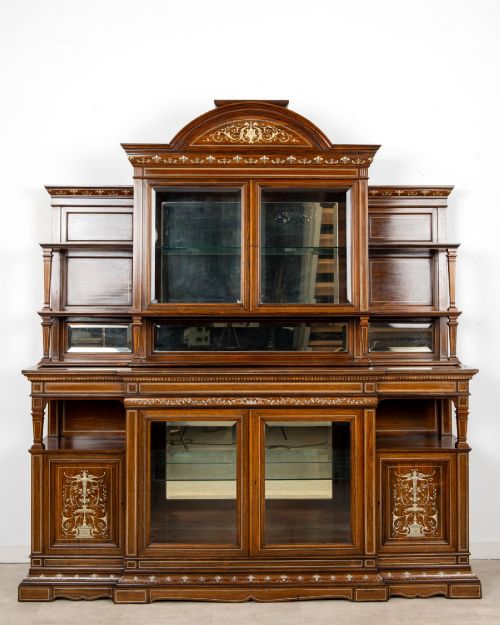
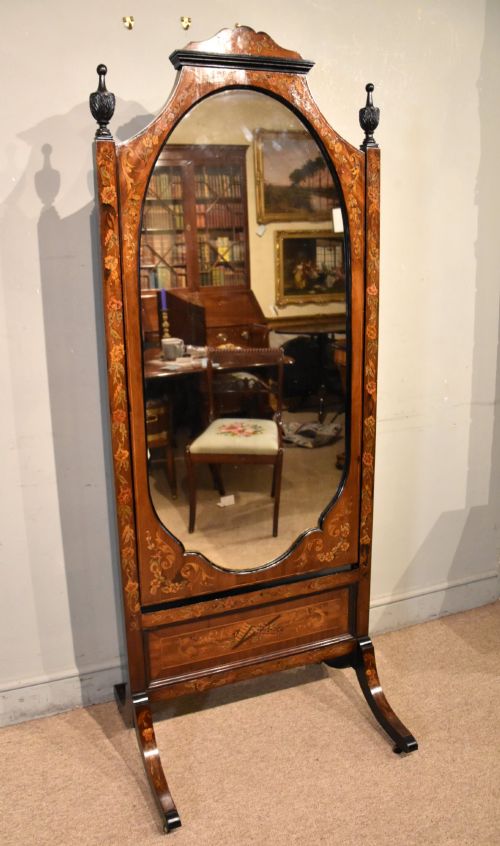
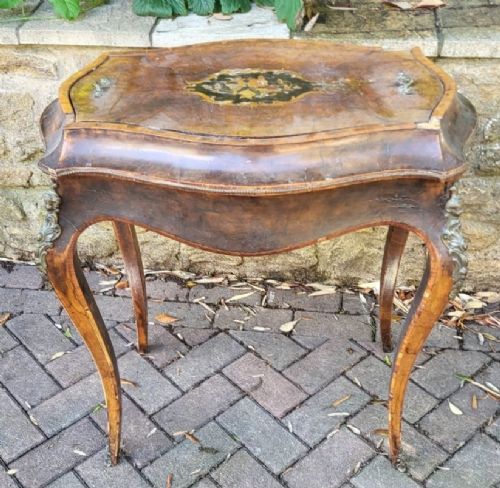
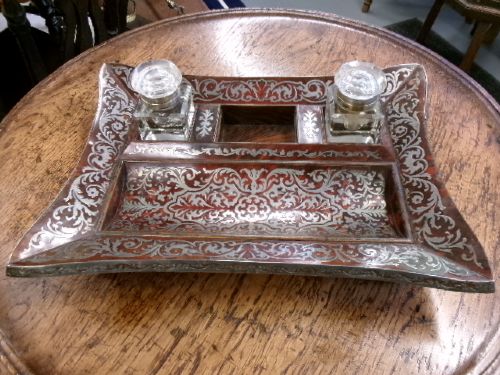
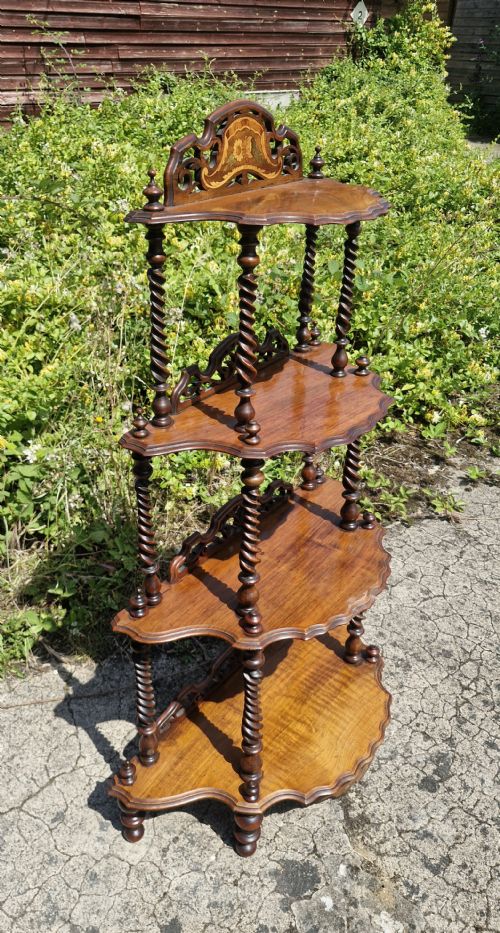
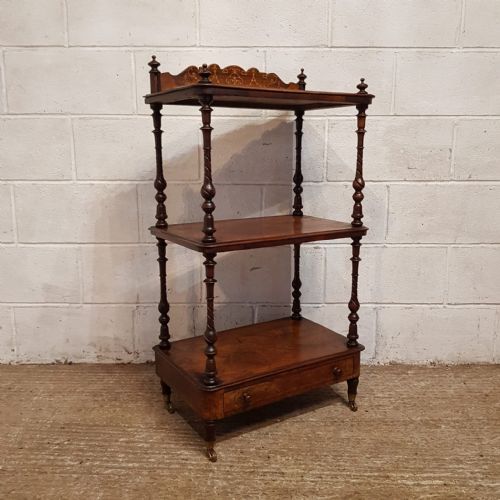
A victorian marquetry stand encompasses a diverse group of nineteenth-century furnishings designed for display, plants, or small objects. The selection includes occasional tables, lamp tables, plant holders, and tiered etageres.
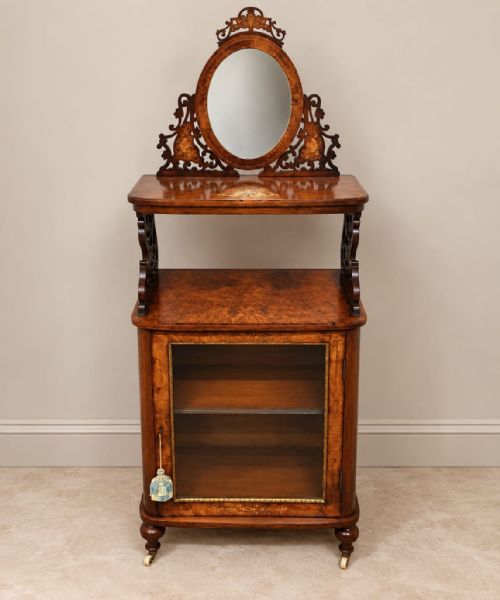
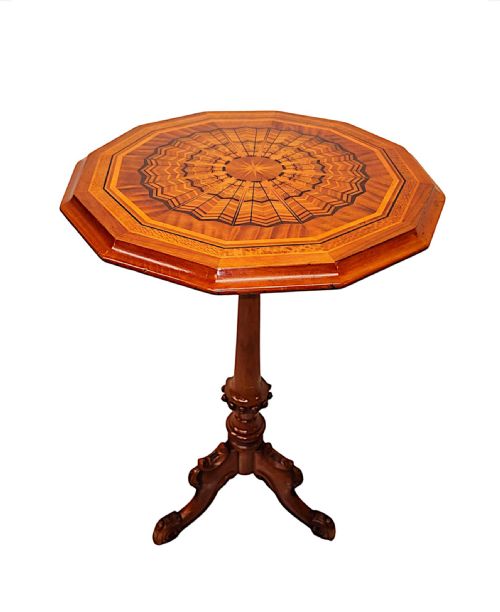
Most examples date from the mid to late nineteenth century, utilising figured woods embellished with detailed surface patterns. Buyers encounter everything from compact tripod tables to larger display cabinets and jardiniere stands.
Originating largely from British and French workshops, these pieces reflect Victorian and revivalist tastes including Sheraton and French Rococo influences. Their primary function remains the display of objects or plants within a domestic interior.
How they were made
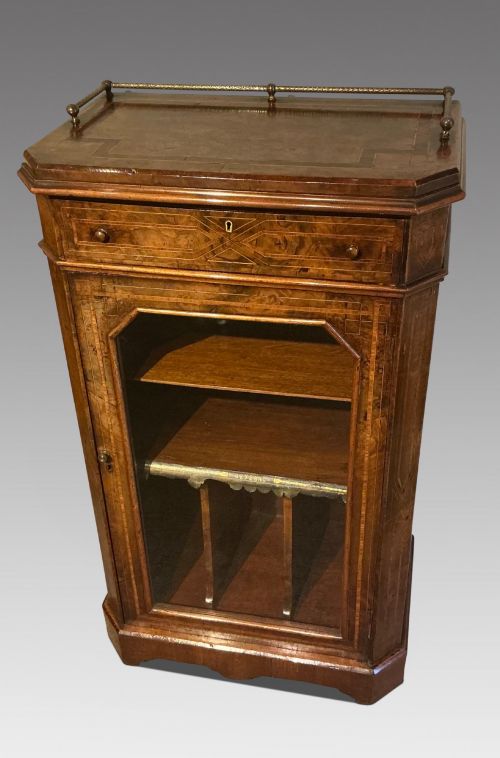
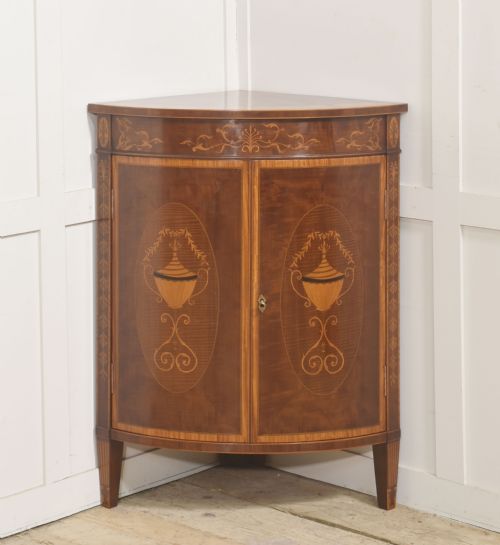
Cabinet makers utilised dense hardwood foundations such as walnut, rosewood, mahogany, and kingwood, often applying burr veneers to visible surfaces. Marquetry inlay was meticulously hand-cut from contrasting timbers like satinwood and bone to form floral and geometric motifs.
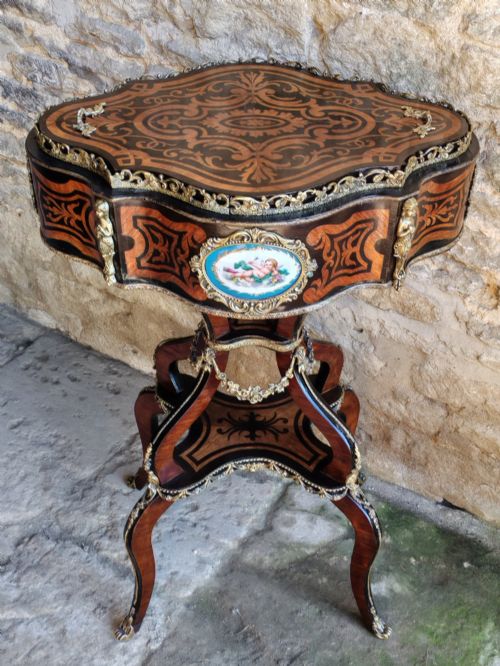
Many elevated examples incorporate cast or chased ormolu mounts, brass details, and porcelain plaques to accent the timber framework. Ebonised finishes and gilt highlights frequently appeared on pieces executed in the French taste.
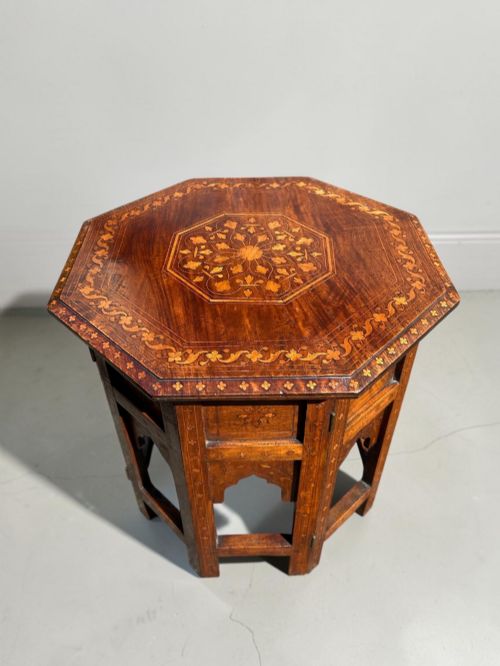
The period styles span Victorian, Napoleon III, Sheraton Revival, and Anglo-Indian designs.
What varies in quality
The precision of the marquetry cutting and the choice of timber figure determine the baseline standard of a piece. Finer examples display complex, multi-timber floral arrangements with tight joints and minimal filler.
Structural complexity and secondary ornamentation also separate standard production from exceptional works. Pieces featuring heavy ormolu mounts, cast bronze details, or attribution to notable London makers exhibit superior cabinet-making ambition.
Collinson and Lock·Gillows·Liberty and Co.·Edwards and Roberts
The Victorian Marquetry Stand Glossary
- Marquetry inlay
- Decorative patterns formed by fitting contrasting veneers into a prepared wooden ground. This technique allows for elaborate floral or pictorial designs across table tops and cabinet doors.
- Burr walnut
- Timber harvested from the Burl growths of walnut trees, yielding highly swirling grain patterns. It was favoured by nineteenth-century cabinet makers for its rich visual texture.
- Etagere
- A set of open shelves for displaying small objects or ornaments. These tiered stands gained popularity during the nineteenth century in French-influenced interiors.
- Jardiniere
- A decorative container or stand designed to hold plants or flowers. Examples from this period often incorporate metal liners or porcelain plaques.
- Ormolu
- Gilt bronze mounts applied to furniture edges and feet. This decorative hardware became common on high-status nineteenth-century stands and cabinets.
Victorian Marquetry Stand: Frequently Asked Questions
What is a marquetry stand used for?
These stands served various domestic functions, primarily holding lamps, decorative objects, or indoor plants. Smaller tables accommodated occasional use in reception rooms.
More specialised forms like jardiniere stands incorporated metal liners to safely manage water and soil for botanical displays.
How do I identify a Victorian piece?
Nineteenth-century construction methods rely on solid timber carcases lined with specific secondary woods, coupled with period veneer thicknesses. stylistic cues like Sheraton Revival or French Rococo influences help narrow the decade.
Cabinet makers of the era frequently utilised burr walnut, rosewood, and hand-cut marquetry that reflect mid to late Victorian manufacturing techniques.
Where were these stands made?
Production centred largely around British workshops in London alongside continental cabinet makers, particularly in France. Major retail firms and makers often commissioned or retailed these decorative items.
Some pieces also show Anglo-Indian or regional European craftsmanship, incorporating local hardwoods and distinct inlay methods.
How do I care for inlaid wood?
Maintain stable humidity levels and avoid direct sunlight to protect delicate veneers and natural glues from shrinking or lifting. Gentle dusting with a dry cloth preserves the polished surface.
Refrain from using modern chemical sprays, opting instead for traditional wax polishes formulated for antique furniture.