


Victorian Maritime Oil Artwork
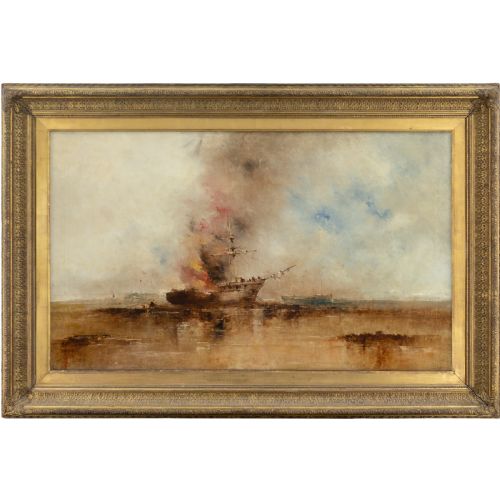
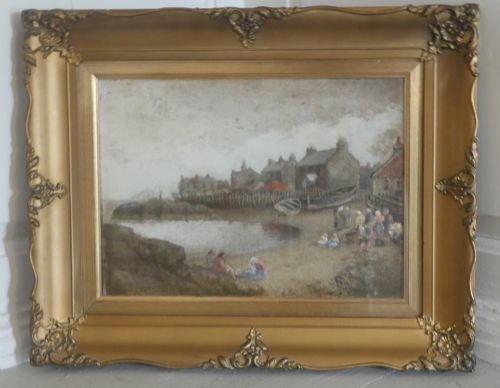
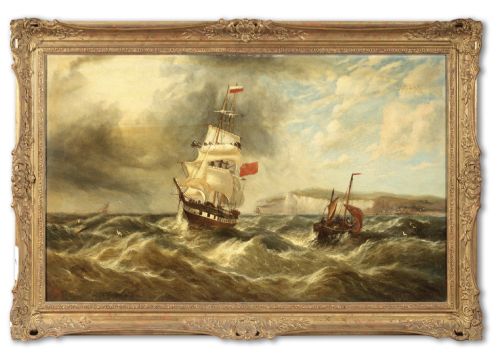
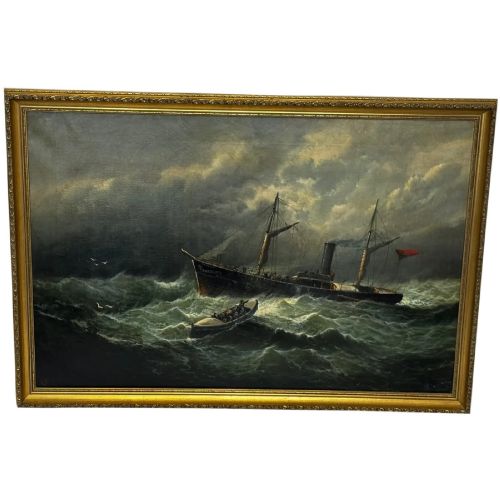
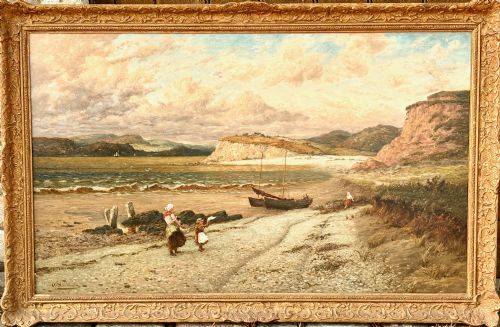
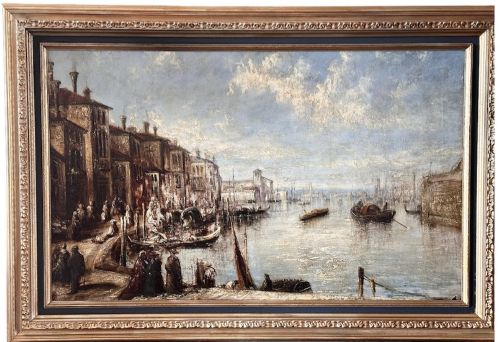
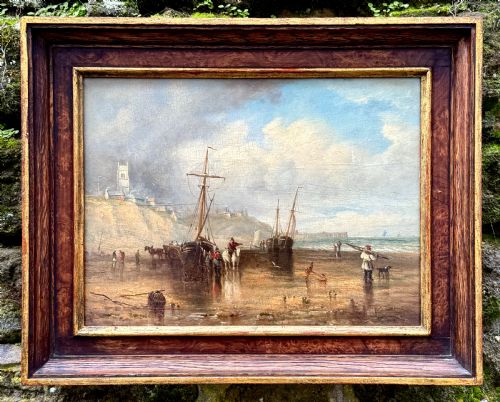
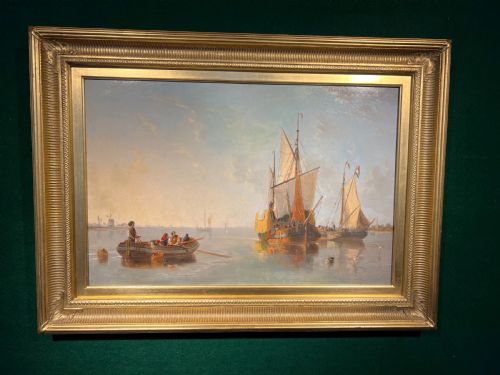
When you search for victorian maritime oil artwork, you are looking at coastal scenes, ship portraits and rough seas painted during the nineteenth century.
Victorian Maritime Oil Artwork
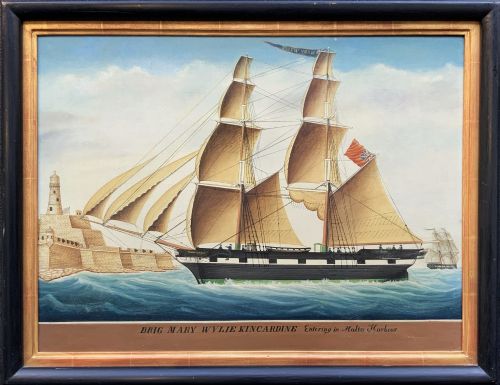
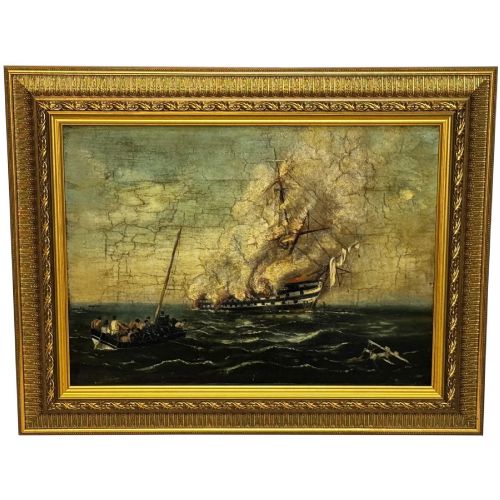
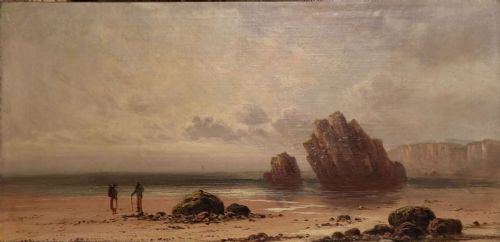
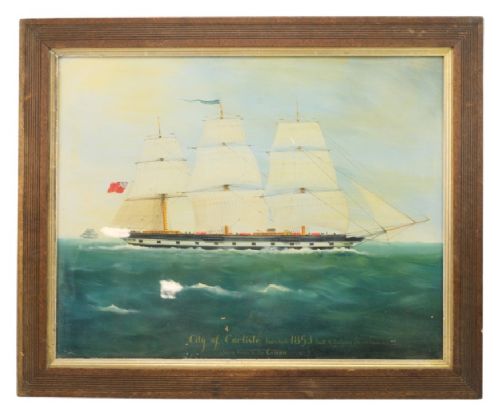
Victorian maritime oil artwork captures the nineteenth-century relationship with the sea, ranging from tranquil harbour views to dramatic shipwrecks in heavy gales. These pieces include detailed portraits of named vessels like the brig Mary Wylie or the clipper Slieve Roe, alongside coastal scenes of fishing boats and coastal paths.
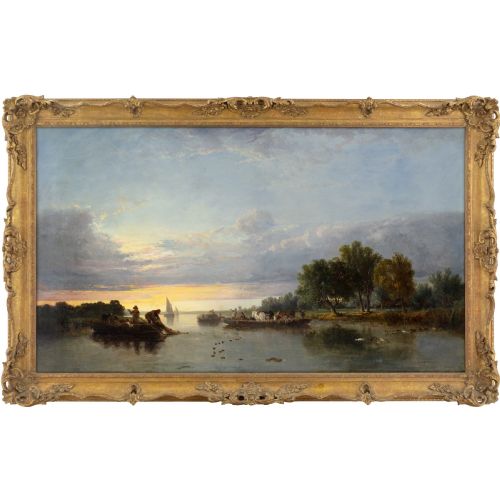
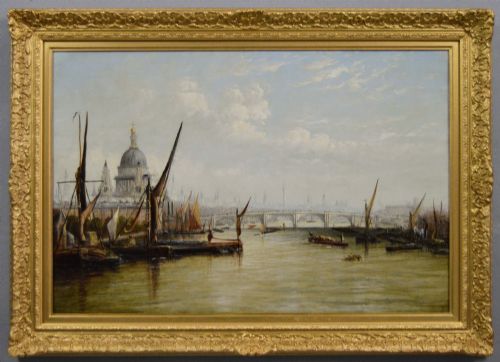
The works on this page span the Victorian era, utilising formats from small panels to large six-foot canvases that depict familiar rivers like the Thames, busy ports such as North Shields, and distant waters off Malta or Venice.
Most examples originate from British and European artists working between eighteen-fifty and nineteen-hundred, documenting historical events, naval engagements, and everyday maritime trade.
Materials and construction
These works rely primarily on oil paint applied to stretched canvas, wooden panels, or card, allowing artists to build rich textures for churning waves and billowing sails.
Original frames often consist of wood enhanced with gesso and gold leaf or giltwood, providing the heavy ornamentation typical of nineteenth-century presentation.
Several canvases capture smugglers navigating coastal paths with horses, proving the nineteenth-century sea trade involved more than honest cargo.
Quality variations in maritime painting
The success of a maritime painting rests on the artist's command of atmospheric light, fluid water movement, and accurate rigging details for specific vessels.
Superior works demonstrate confident brushwork in the depiction of turbulent skies and breaking waves, whereas lesser pieces rely on rigid repetition and flat horizons without depth.
Edward Williams·William McAlpine·John Rose Miles·Francis Moltino·Thomas Creswick·John Wilson Carmichael·Abraham Cooper·John Moore of Ipswich·Richard B Spencer·William Henry Williamson·John Holland·Bernard Benedict Hemy·Abraham Hulk I·Charles William Wyllie·William Edward Webb·James Kyd·Daniel Sherrin·Stanley Leader
The Victorian Maritime Oil Artwork Glossary
- Seascape
- A painting depicting the sea, ships, or coastal views. This term groups together open ocean scenes and sheltered harbour works.
- Gesso
- A plaster-like mixture applied to wooden frames before gilding. It provides a smooth base for intricate moulded ornament.
- Barque
- A sailing vessel with three or more masts. The fore and main masts are square-rigged while the mizzenmast is fore-and-aft rigged.
- Giltwood
- Wood carved and coated with gold leaf or metallic paint. It frames many nineteenth-century oil paintings on this page.
Victorian Maritime Oil Artwork: Frequently Asked Questions
How do I identify a ship in a painting?
Artists often inscribed the names of vessels directly onto the canvas or frame, particularly when painting specific merchant ships or naval engagements. Rigging styles, flag signals, and historical records help pinpoint the exact vessel.
Secondary clues include background landmarks, port lighthouses, or accompanying documentation regarding the commissioning owner.
Are all these paintings from the Victorian period?
The selection focuses heavily on the nineteenth century, encompassing works created during the Victorian reign from eighteen-thirty-seven to nineteen-one. Some pieces extend slightly beyond these exact dates into the early twentieth century.
Artists active across this span frequently exhibited styles rooted in mid-to-late nineteenth-century marine traditions.
What is the difference between a marine and coastal painting?
Marine paintings generally centre on open water, naval battles, and deep-sea shipping under various weather conditions. Coastal paintings focus closer to the shore, featuring beaches, cliffs, piers, and small fishing boats.
Both categories frequently overlap when artists depict vessels entering or leaving busy harbours.
How should I hang and light an oil painting?
Oil paintings on canvas need stable indoor humidity away from direct sunlight and heat sources to prevent the paint surface from cracking. Picture lights mounted above the frame should use cool, low-uv bulbs.
Heavy giltwood frames require secure wall fixings suited to the substantial weight of nineteenth-century timber.