




19th Century Maritime Painting
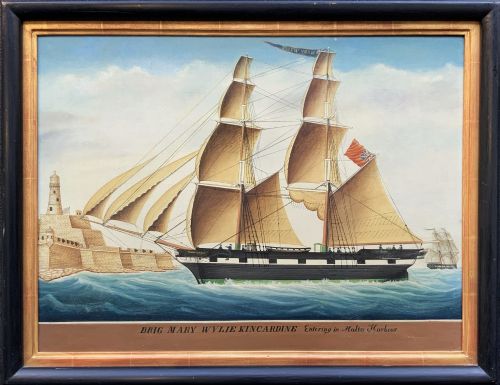
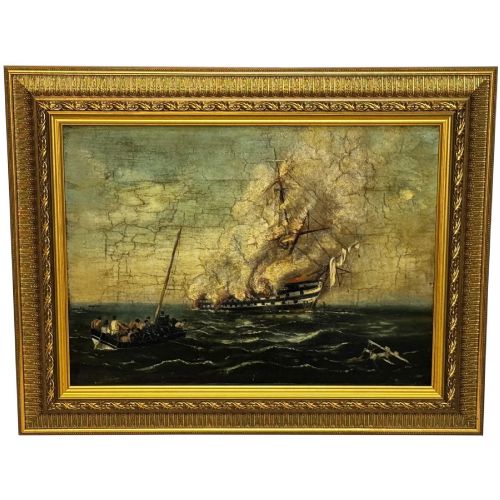
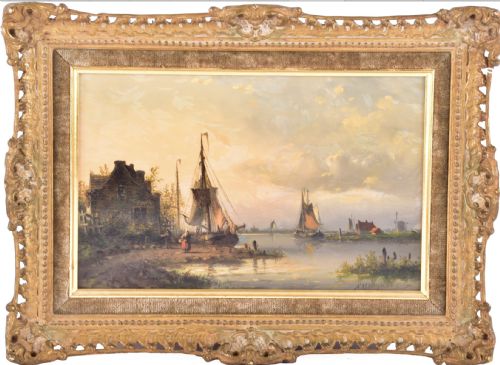
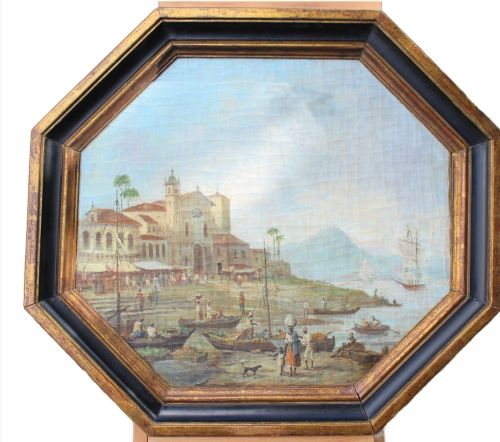
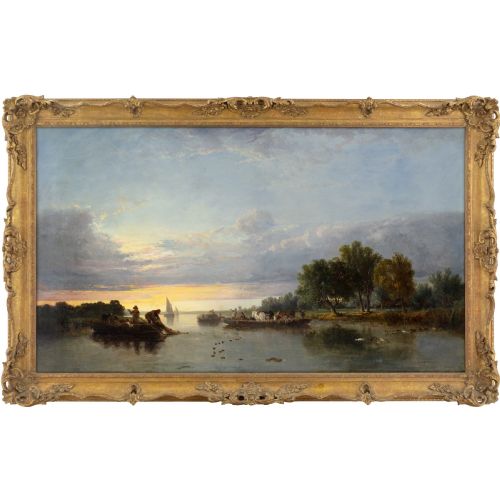
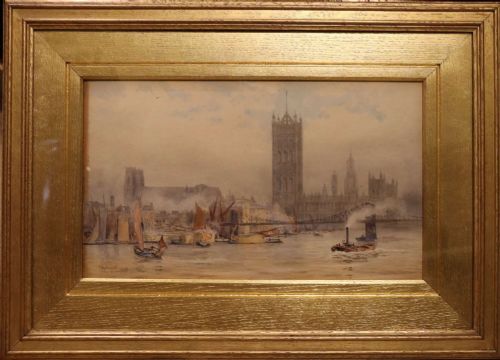
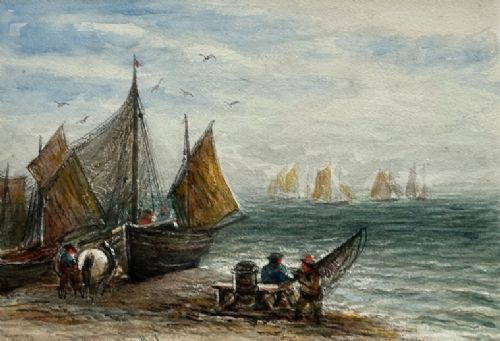
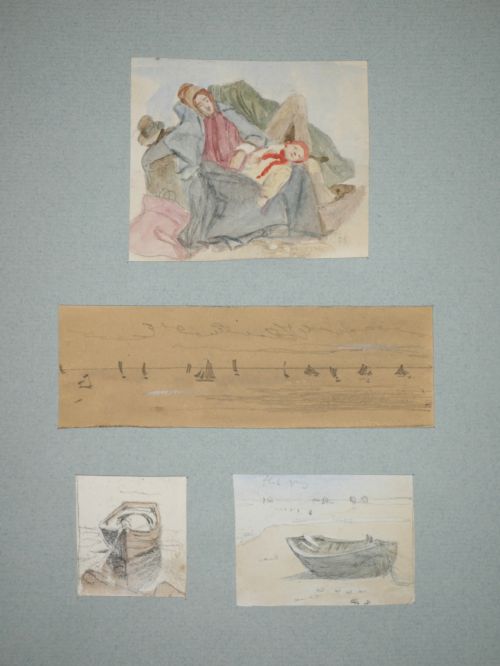
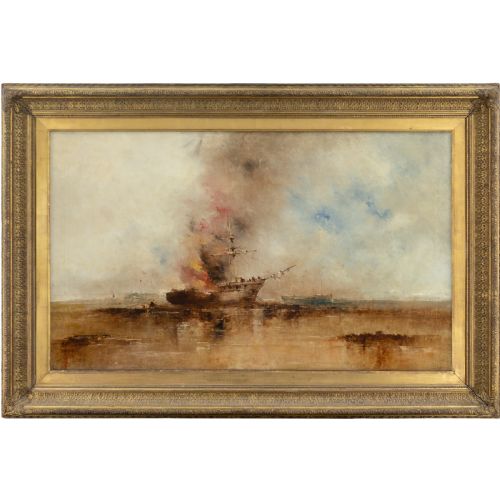
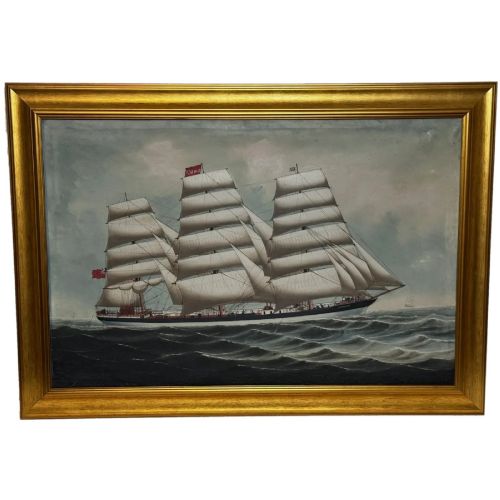
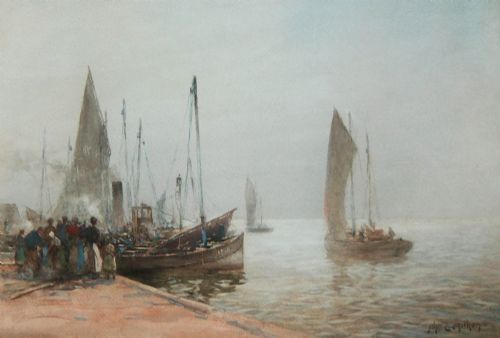
These oil paintings, watercolours and carved hulls capture the drama of nineteenth-century maritime painting on canvas, paper and panel.
19th Century Maritime Painting
A nineteenth century maritime painting represents vessels, coastal scenes, and harbour views created during the Victorian era and adjacent decades. Buyers exploring this phrase encounter works ranging from detailed portraits of named ships to moody coastal landscapes and bustling harbour watercolours.
Most pieces on this page utilise oil on canvas or watercolour on paper, often presented in gilt wood frames. The selection spans British and European schools, capturing everything from calm river scenes to ships weathering rough seas.
How They Were Made
Artists applied oil paint to canvas, board or panel, building up rich textures to depict the sea, sky and vessel rigging. Watercolours on paper offered a more fluid medium, frequently utilised for rapid coastal sketches and detailed harbour views.
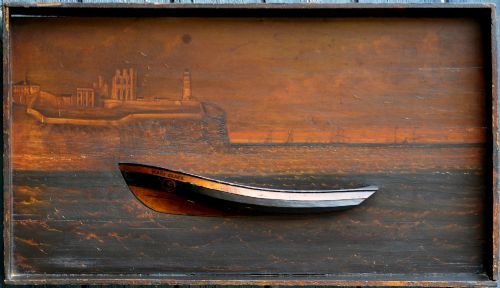
Many works incorporate carved wooden elements or rest within period gilt wood frames that complement the painting. Materials such as paper and canvas support both intimate watercolours and large oil compositions.
Some maritime artists included detailed depictions of local dogs on rocky shores just to test if the buyers were paying attention.
What Varies in Quality
Quality rests in the precision of the brushwork and the artist's command of light, atmosphere and maritime anatomy. Superior works capture the weight of water and the accurate rigging of ships with distinct confidence.
The choice of medium and the preservation of the canvas or paper surface influence the overall character of the piece. Stronger examples display depth in the handling of turbulent seas and coastal shadows.
Nicolaas Martinus Wijdoogen·Johann Moritz Rugendas·Edward Williams·Reginald Arthur Borstel·Francis Moltino·Joseph Farquharson·Lai Fong
The 19th Century Maritime Painting Glossary
- Oil on Canvas
- Pigment mixed with drying oil applied to a woven fabric support. This method allowed artists to create rich textures and deep colour blending.
- Watercolour
- A painting method where fine pigment is suspended in a water-based solution on paper. It produces translucent washes suited to capturing light on coastal water.
- Gilt Wood
- Wood carved and coated with a thin layer of gold leaf. Frames utilising this finish were commonly paired with period paintings.
- Half Model
- A three-dimensional representation of one side of a ship's hull mounted on a board. These objects served as design tools or decorative maritime items.
- Gouache
- An opaque water-based paint used on paper. It provides heavier coverage than standard watercolour for detailed maritime illustrations.
19th Century Maritime Painting: Frequently Asked Questions
What subjects appear in these paintings?
These works depict named ships, merchant vessels, naval battles, and busy fishing harbours. Coastal scenes with dramatic sea stacks or calm river views also feature prominently.
Artists recorded specific locations ranging from British ports to international waters and foreign harbours. The focus remains heavily tied to maritime life, shipping, and coastal landscapes.
How do I care for an oil on canvas?
Keep paintings away from direct sunlight and sources of extreme heat or humidity to protect the canvas and paint layers. Dust the surface gently with a soft, dry brush without applying pressure.
Avoid using liquid cleaners or touching the painted surface directly. Professional framing with proper backing boards helps shield the canvas from environmental changes.
How should I display watercolours?
Watercolours require placement away from direct sunlight to prevent the pigments and paper from fading over time. Conservation mounting with acid-free materials protects the paper from degradation.
Glazing the frame with protective glass shields the delicate medium from atmospheric moisture and dust. Hang them on interior walls with stable temperature conditions.
How do I identify the period?
Dating relies on stylistic clues, artist signatures, framing materials, and recorded exhibition histories. Canvas stamps, stretcher construction, and inscriptions on the reverse often provide clues.
Victorian and nineteenth-century works frequently employ specific palettes and subject matter tied to maritime expansion. Comparing techniques with documented artists from the era helps confirm the timeframe.