


Victorian Marine Oil Painting
When you search for a victorian marine oil painting, you encounter mid- to late-nineteenth-century canvases capturing coastal scenes, merchant shipping, and dramatic seascapes that anchor maritime history on your wall.
Victorian Marine Oil Painting
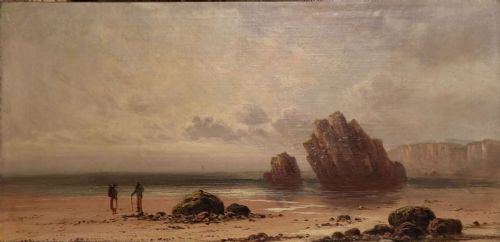
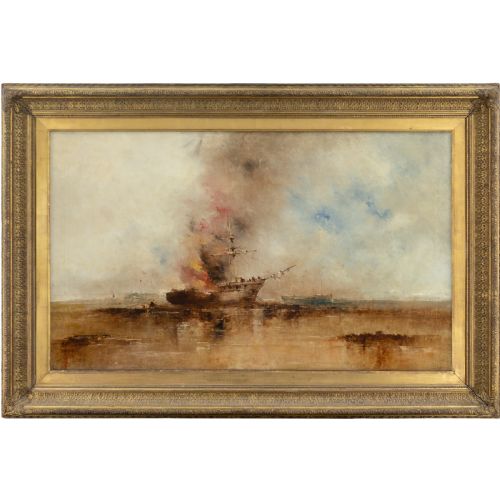
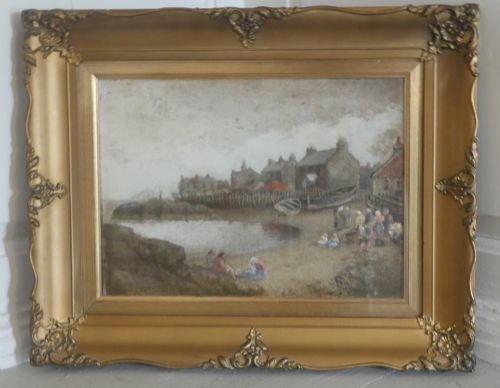
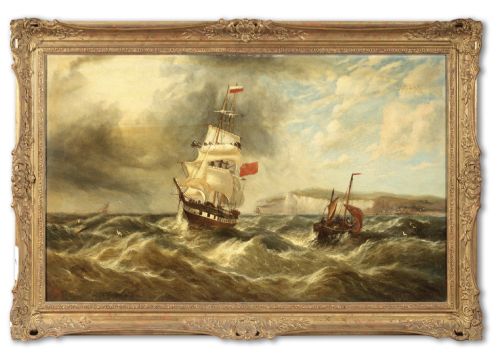
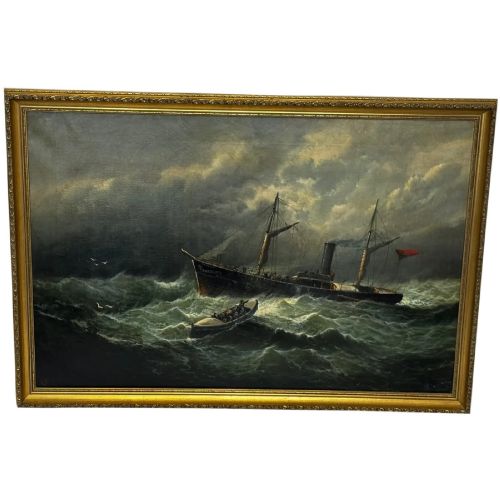
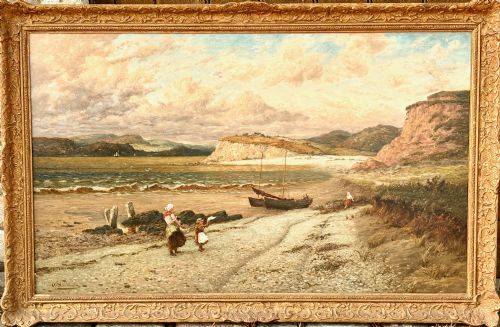
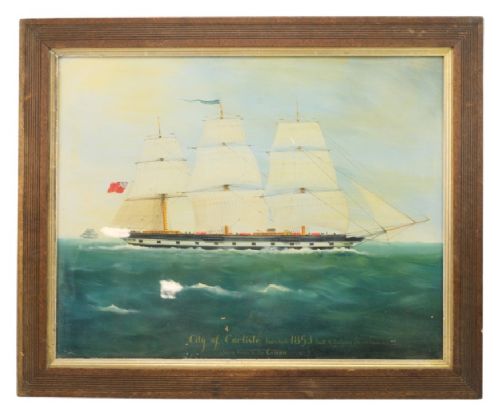
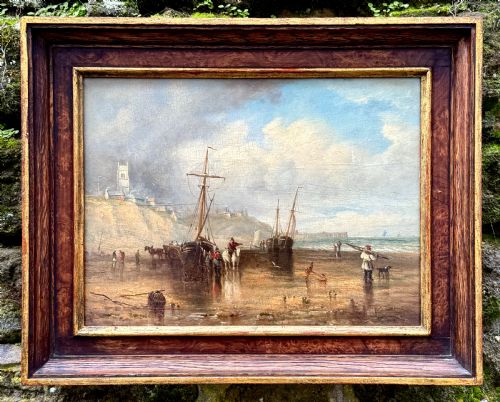
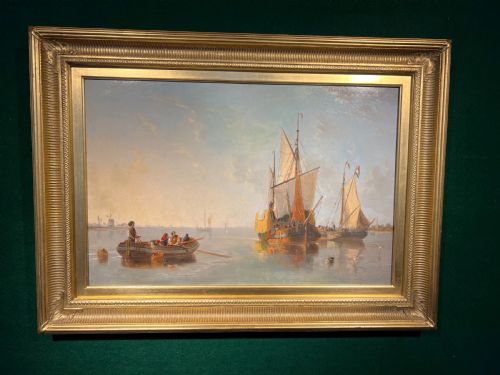
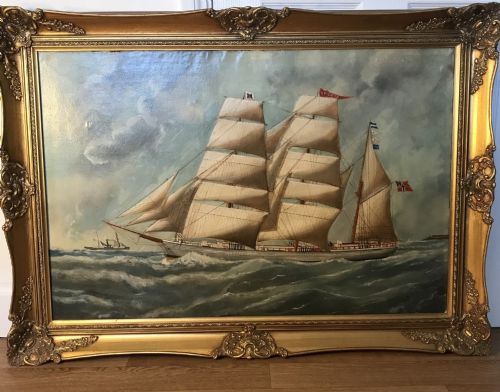
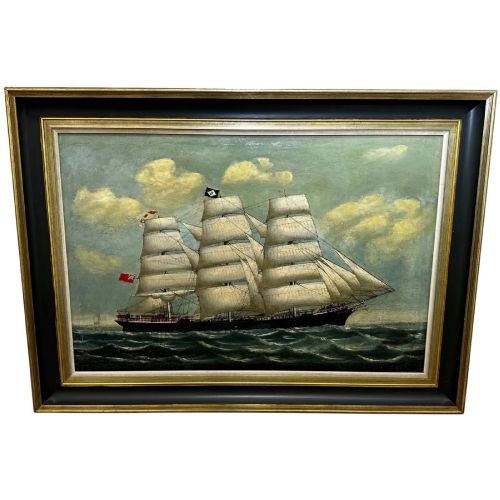
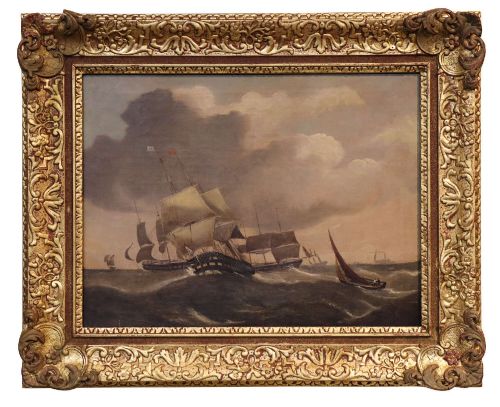
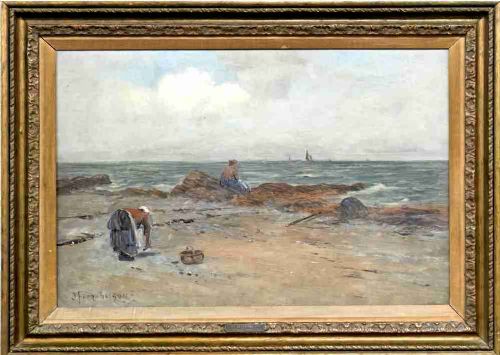
A victorian marine oil painting depicts maritime subjects ranging from bustling harbour scenes and coastal villages to named sailing vessels battling heavy seas. The works originate predominantly from the nineteenth century, capturing Britain's maritime dominance, commercial shipping, and coastal life.
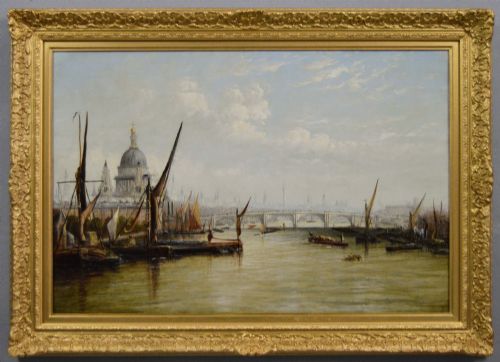
The compositions vary from expansive panoramic views of estuaries and rivers such as the Thames to intimate depictions of fishing boats returning to shores like the Isle of Man or Scarborough. Many pieces record specific historical vessels, rescues, and coastal landmarks recognised today by local historians and collectors alike.
Most examples found in this category use oil on canvas or artists' board, frequently housed within period giltwood frames. The focus centres on the interplay of light, water, and weather, portraying calm estuaries alongside violent storms and shipwrecks.
How They Were Made
Artists applied oil paint onto woven canvas stretched over wooden frames, or occasionally onto prepared wooden panels and cardboard boards. The medium allowed painters to build up translucent glazes for deep ocean waters alongside thick, textured brushwork for churning foam and heavy clouds.
Surviving canvases are typically housed in their original frames constructed from wood, finished with layers of gold leaf or gilt preparation. These frames frequently feature decorative moulded details that complement the maritime subject matter.
Victorian Marine Oil Painting Retail Price Guide 2026
Typical asking prices for victorian marine oil painting among the pieces listed under this phrase on Sellingantiques today, from the lower quarter to the upper quarter. They describe what is for sale here now, not the wider market.
Several Victorian coastal scenes capture stubborn Newfoundland dogs keeping watch over the shoreline while tall ships pass in the distance.
What Varies in Quality
The standard of a victorian marine oil painting depends heavily on the artist's command of maritime architecture, rigging accuracy, and natural light. Master painters rendered water transparency, atmospheric depth, and vessel movement with convincing weight and precision.
Condition and originality play a significant part in the overall merit of a piece, particularly the survival of the original giltwood frame and the stability of the paint layer. Works by recorded professional artists command greater attention than anonymous works by the broader British School.
William McAlpine·John Rose Miles·William Broome·Francis Moltino·Bernard Benedict Hemy·Thomas Creswick·John Wilson Carmichael·Lai Fong·Joseph Farquharson·John Moore of Ipswich·Richard B. Spencer·William Henry Williamson·John Holland·Abraham Hulk I·Charles William Wyllie·William Edward Webb·James Kyd·Daniel Sherrin·Stanley Leader·T.S. Wallis·Charles Sim Mottram·Max Sinclair·George Callow·Edward Adams
The Victorian Marine Oil Painting Glossary
- Seascape
- A painting depicting the sea, coastal views, or marine subjects. These works form the core of nineteenth-century maritime art collections.
- Giltwood
- Wood carved and covered with thin gold leaf or metallic gilt preparation. This finish is typical of nineteenth-century picture frames.
- Barque
- A sailing vessel with three or more masts, where the fore- and main-masts are square-rigged and the mizzen-mast is fore-and-aft rigged. Such ships frequently appear in Victorian shipping art.
- Canvas
- Heavy woven fabric used as a surface for oil painting. It is typically stretched over a wooden wooden frame before receiving paint.
- Provenance
- The documented history of ownership of a work of art. Established provenance helps confirm attribution to specific nineteenth-century painters.
Victorian Marine Oil Painting: Frequently Asked Questions
What subjects do these paintings show?
These artworks depict coastal harbours, merchant ships, fishing vessels, and dramatic rescues in heavy seas. Many feature named locations around the British Isles and specific historical sailing vessels.
Scenes range from calm river estuaries with bridges and townscapes to violent storms breaking against rocky cliffs and breakwaters.
How do I identify the period?
Nineteenth-century works are identified through costume details, vessel types, framing styles, and artist signatures that date to the Victorian era. Many canvases carry period inscriptions or contemporary framing.
Examine the construction of the wooden stretcher frames and the composition style, which typically reflects nineteenth-century academic or romantic maritime traditions.
Where should I hang a marine painting?
These works suit traditional studies, living rooms, and hallways where adequate wall space allows for the substantial giltwood frames. Ensure the chosen wall avoids direct sunlight to protect the oil pigments and gold leaf.
Pairing a maritime painting with natural wood furniture or period interiors enhances the historical character of the room.
Who painted these works?
The category includes pieces by named professional British and European marine artists, alongside works attributed to regional schools. Signatures and exhibition records often link paintings to established maritime painters of the period.
Unsigned works are frequently attributed to contemporary regional artists or general British School painters active during the nineteenth century.