



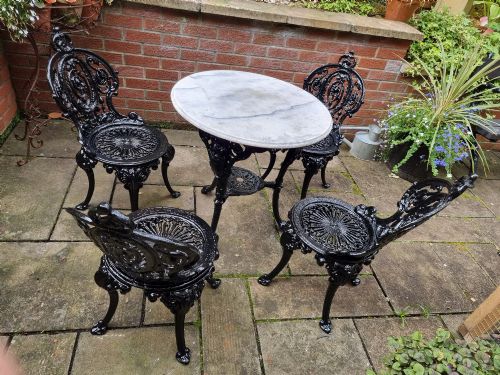
Victorian Marble Table
A victorian marble table brings cool, polished stone and warm timber into a room, offering a solid surface built to last.
Identifying a victorian marble table
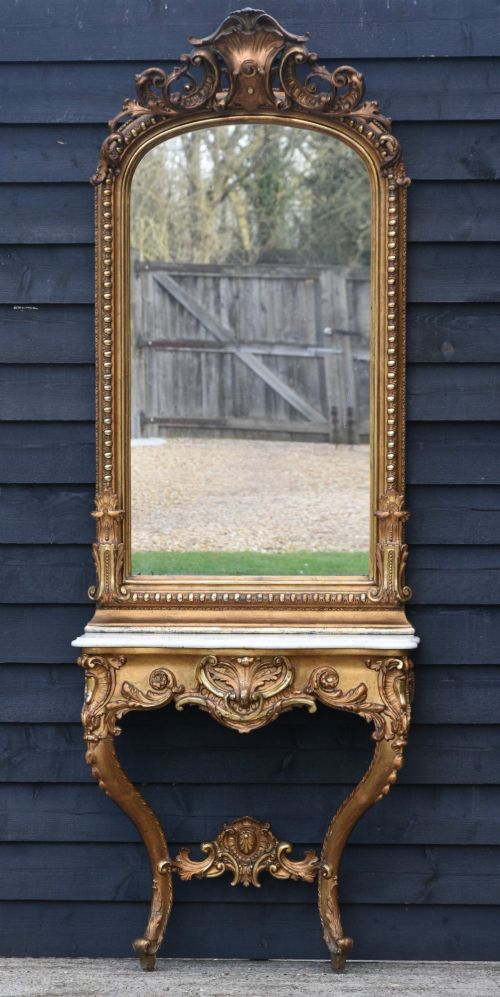
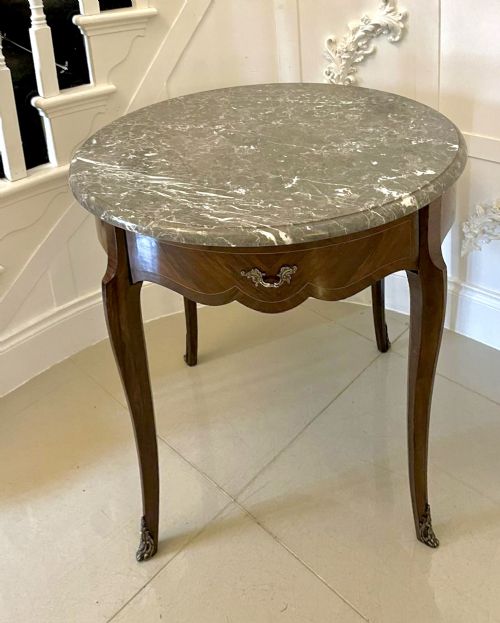
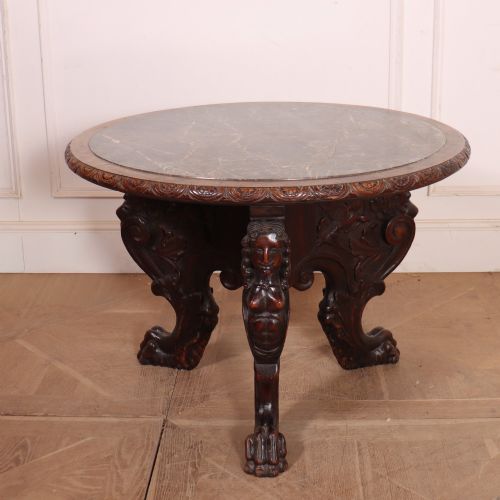
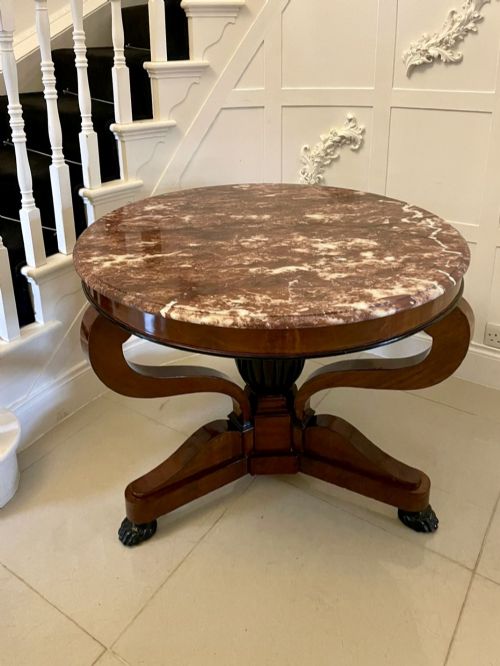
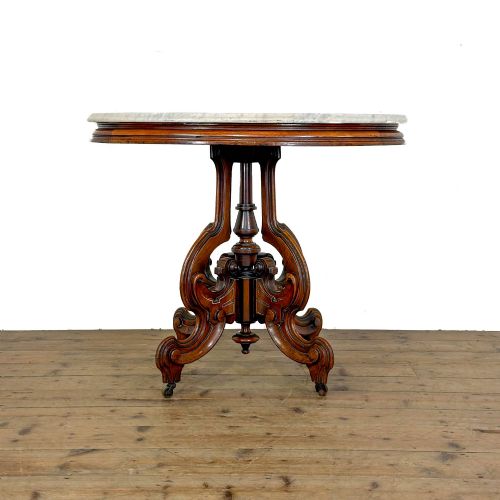
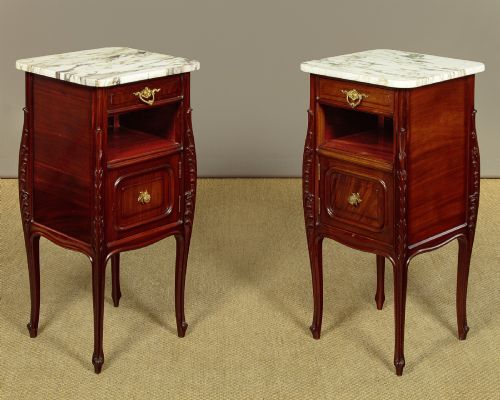
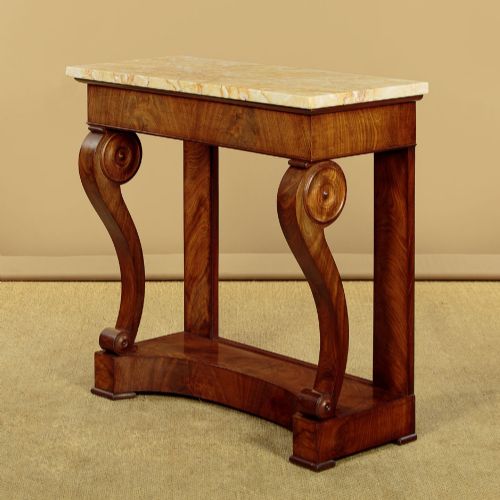
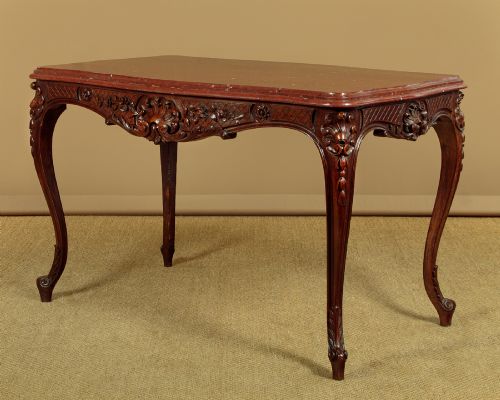
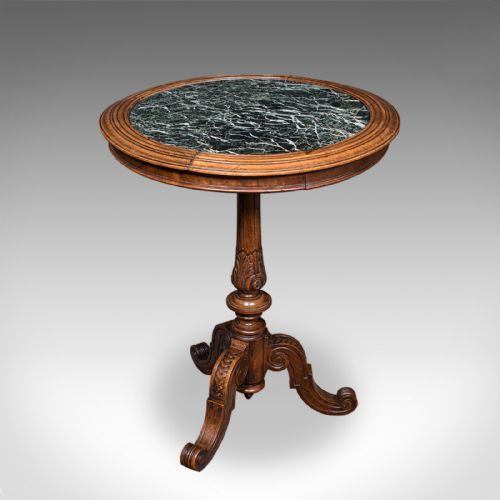
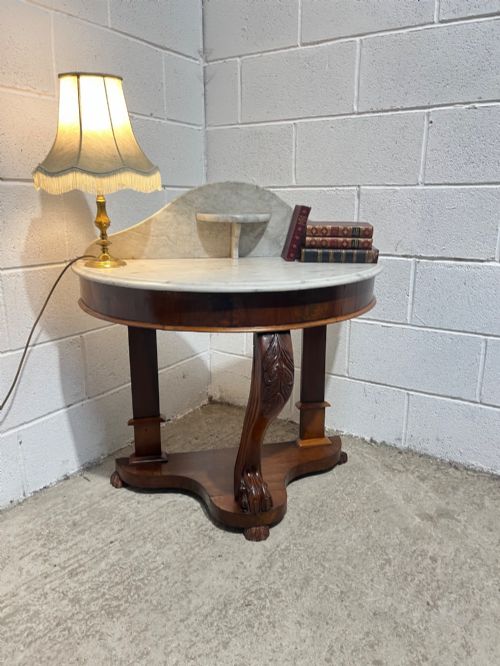
When you search for a victorian marble table, you encounter a variety of forms designed for different rooms, including console tables, side tables, centre tables, and washstands. These pieces date from the nineteenth century, spanning the Victorian period and occasional late nineteenth-century iterations.
You meet heavy console tables intended for hallways, alongside freestanding centre tables and smaller lamp or occasional tables. The structural timbers and bases vary widely, pairing stone tops with wooden frames or metal supports.
Materials and construction
Makers set heavy marble slabs directly onto timber or metal bases, sometimes securing them within moulded wooden frames or atop pedestals and cast iron pub table bases. The stones include plain white varieties and complex specimen marble configurations.
Retail Price Guide 2026
Typical UK retail prices for victorian marble table, calculated from the Sellingantiques database of over a million retail prices indexed since 2003. This retail price guide relies exclusively on Sellingantiques data; no external sources or auction records are used, so the figures do not describe the wider market.
Listings show nineteenth-century examples using mahogany, walnut, cast iron, and specimen marble across console, centre, and washstand forms.
Distinctions in quality
Quality rests in the selection of materials, separating standard pine or cast iron bases from finely carved mahogany, burr walnut, or kingwood frames. Finer examples display meticulous joinery and sculptural wood carving.
The character of the stone elevates a piece, moving from simple white marble to intricate specimen marble tops, pietra dura inlays, and substantial thicknesses. The harmony between the upper stone and the supporting base determines the overall presence.
The Victorian Marble Table Glossary
- Console table
- A table designed to stand against a wall, frequently secured with brackets or resting on front legs. These pieces often feature decorative front aprons and marble tops suited for hallways and reception rooms.
- Centre table
- A freestanding table intended to be viewed from all sides, commonly placed in the middle of a room. Nineteenth-century examples often use circular or occasional formats.
- Specimen marble
- A decorative top composed of various coloured marbles arranged in geometric or pictorial patterns. This technique demands precise stone-cutting and fitting.
- Pietra dura
- An artistic technique using inlaid cut and fitted polished coloured stones to create images. It appears on select tabletop surfaces from this era.
Frequently Asked Questions
Where did people put these tables?
Console tables stood against walls in hallways and reception rooms, while centre tables occupied the middle of grand spaces. Smaller lamp and occasional tables served beside seating areas.
Washstands and dressing tables functioned in bedrooms, using stone tops to resist water during daily routines.
How do I care for the marble?
Wipe the surface with a damp cloth and mild soap, avoiding acidic cleaners that etch the polished stone. Use coasters under glasses to prevent moisture marks.
Apply a suitable stone wax periodically to maintain the sheen and protect the surface from everyday wear.
Are the bases iron or wood?
Bases appear in both timber and metal forms, depending on the intended function of the table. Dining, pub, and garden formats typically employ cast iron or wrought iron supports.
Indoor reception pieces rely on hardwoods like mahogany, walnut, and pine, occasionally enhanced with giltwood or brass mounts.
How can I tell the age?
Examine the timber construction methods, joint types, and the weight and thickness of the marble slab. Nineteenth-century pieces show hand-finished joinery and natural patination on the wood.
The style of the carving and the specific combination of materials align with Victorian manufacturing practices.