



Victorian Marble Bust
These Victorian marble bust carvings bring classical presence straight into a room, offering the exact gravity and finish that collectors prize.
What a Victorian Marble Bust Is
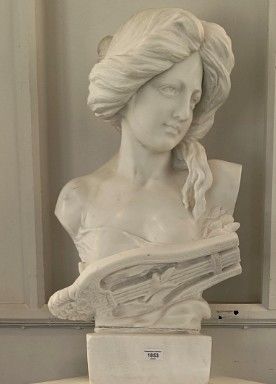
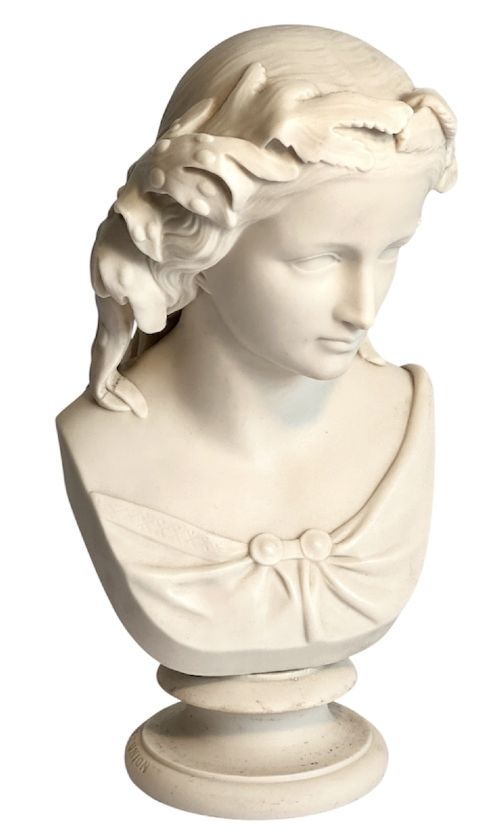
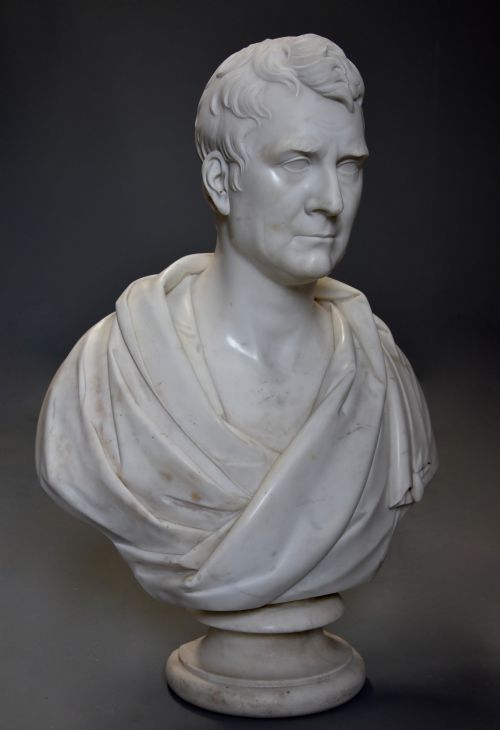
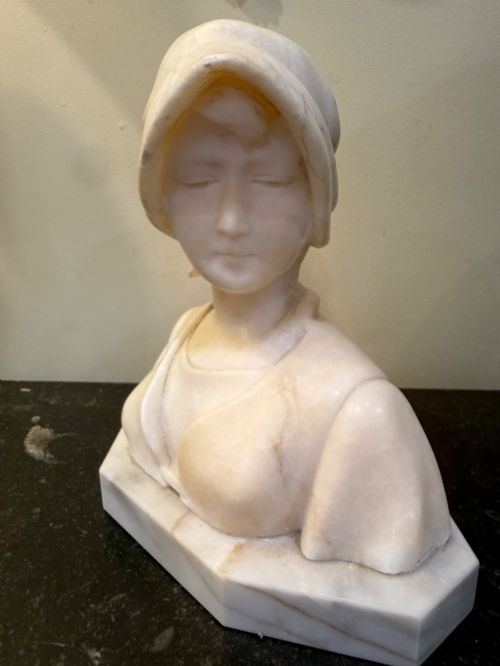
A Victorian marble bust captures classical mythology, portraiture, and idealised figures through nineteenth-century sculpture. These works take several distinct forms, ranging from the muse Erato and historical figures like Caesar to anonymous young girls and Dutch subjects.
The versions most commonly met on this page date across the nineteenth century, including specific years like eighteen sixty and eighteen ninety. They frequently pair white or Carrara marble with contrasting elements such as a Vert de Mer marble base or gilt highlights.
Makers drew heavily on Neoclassical traditions, sometimes modelling subjects after earlier artists like Greuze. The scale ranges from large carved sculptural studies down to domestic portrait pieces designed for nineteenth-century interiors.
Materials and Technique
Carvers worked directly in stone, utilising fine white marble and Carrara marble to achieve smooth flesh tones and crisp drapery. Selected pieces incorporate contrasting materials, pairing Vert de Mer marble for the supporting base or adding gilt details.
Sculptors combined hand-chased surface details with deep undercut drilling to create realistic textures in hair, veils, and beards. The physical weight and natural veining of the stone itself dictated the final character of each nineteenth-century carving.
Retail Price Guide 2026
Typical UK retail prices for victorian marble bust, calculated from the Sellingantiques database of over a million retail prices indexed since 2003. This retail price guide relies exclusively on Sellingantiques data; no external sources or auction records are used, so the figures do not describe the wider market.
Listings feature nineteenth-century dates including eighteen sixty and eighteen ninety alongside sculptural forms in Carrara marble, white marble, and Vert de Mer.
What Separates the Finest Pieces
Superior examples reveal themselves through anatomical precision and the delicate rendering of difficult textures like a carved veil over a face. The choice of stone matters significantly, with flawless Carrara marble and richly variegated Vert de Mer bases marking out the better workshop productions.
The distinction lies in the ambition of the carving, moving from generic nineteenth-century output to spirited Neoclassical portrayals of named subjects and mythological figures. A strong piece possesses a convincing liveliness in the facial expression and confident handling of the drapery.
The Victorian Marble Bust Glossary
- Carrara marble
- A type of white or blue-grey marble quarried in the city of Carrara in Tuscany, Italy. Sculptors prized this specific stone for its fine, uniform grain and soft translucency.
- Neoclassical
- A Western cultural movement drawing inspiration from the classical art and culture of ancient Greece and Rome. This style dominated nineteenth-century sculpture and architectural ornament.
- Vert de Mer marble
- A dark green ornamental marble featuring lighter green and white veining. It often appears on the turned pedestals and supporting bases of nineteenth-century busts.
- Bust
- A sculpted representation of a person from the chest, shoulders, and head upwards. This format focuses attention entirely on facial expression and character.
Frequently Asked Questions
How do I clean a marble bust safely?
Dust the surface regularly with a soft, dry microfibre cloth to prevent dirt from settling into the porous stone. Avoid using household detergents, acidic cleaners, or water, as these can permanently stain or etch the nineteenth-century marble.
For stubborn marks, consult a professional sculpture restorer rather than attempting chemical treatments at home. Keeping the piece away from direct heat sources also protects the structural integrity of the stone.
Where should I display a marble bust?
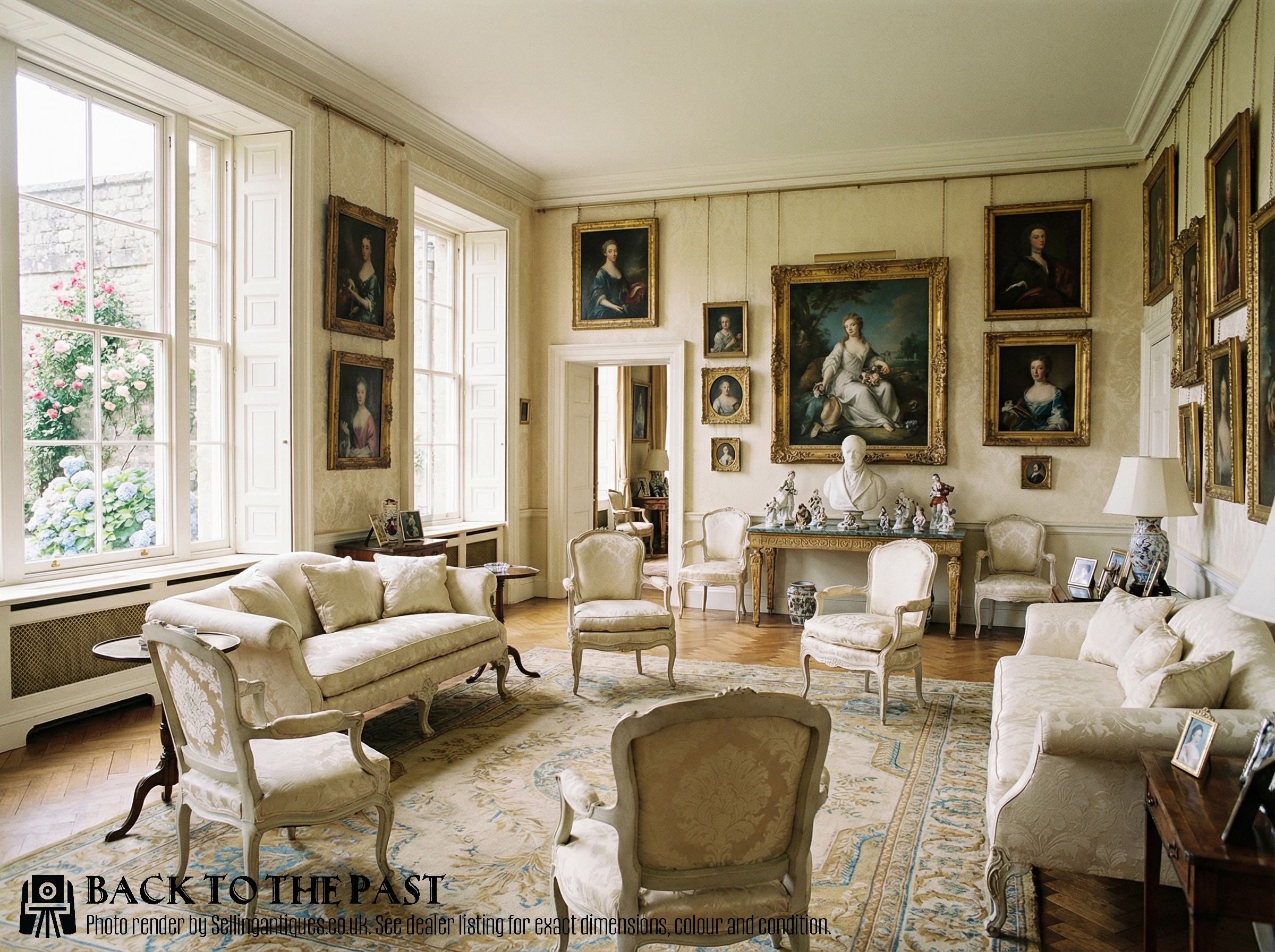
Position the sculpture on a sturdy surface capable of supporting considerable weight, such as a dedicated column, heavy sideboard, or strong console table. Ensure the room has a stable temperature and humidity level to prevent thermal shock to the stone.
Lighting plays a vital role in revealing the subtle contours carved by the nineteenth-century sculptor. Angle side lighting gently across the face and drapery to emphasise the natural depth and grain of the marble.
How can I tell the age of a marble bust?
Examine the underside and base for tool marks, weathering patterns, and the type of marble used in the construction. Nineteenth-century pieces often display specific mounting techniques and surface patination accumulated over generations.
Compare the carving style, subject matter, and costume details against documented works from the same period. Neoclassical motifs and specific regional dress often provide reliable clues to the exact decade of manufacture.