
Victorian Mahogany Standing Mirror
A victorian mahogany standing mirror brings true nineteenth-century presence into a room, offering both full-length reflection and deep cabinet timber warmth.
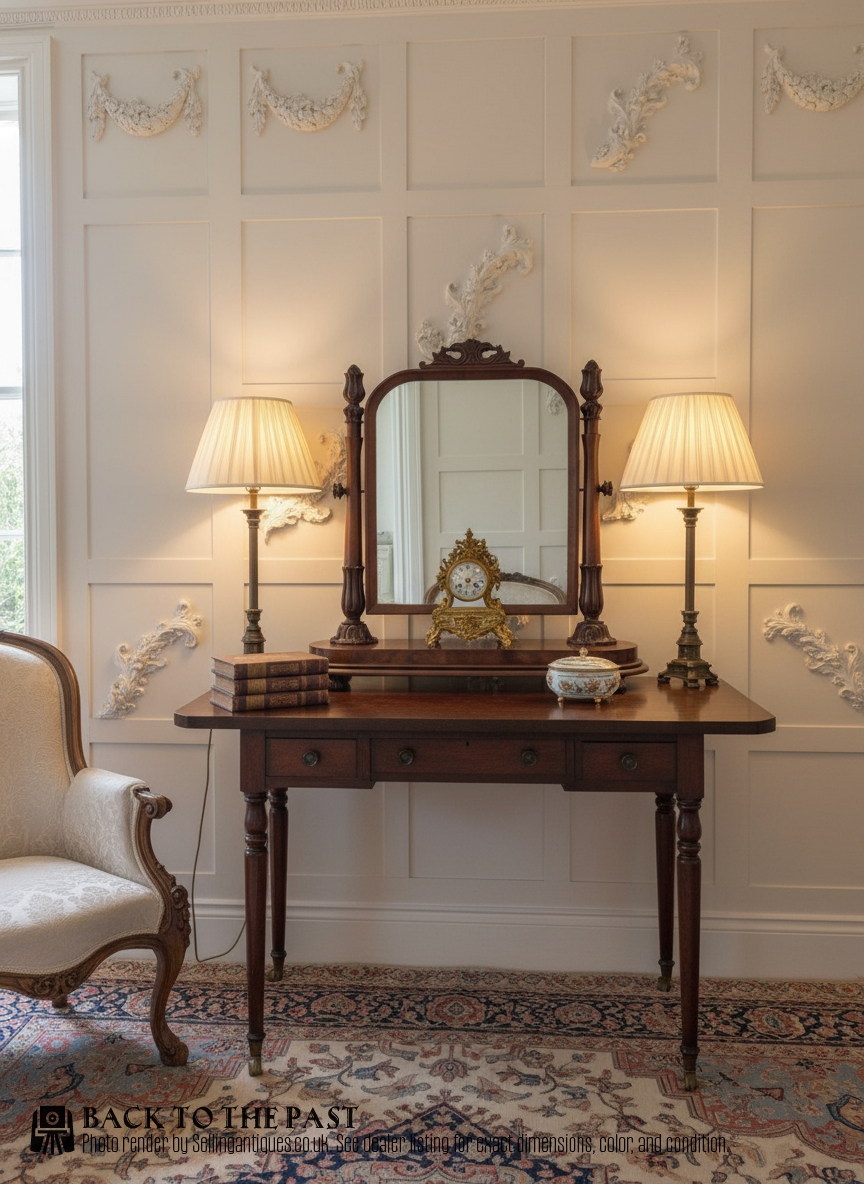
Victorian Mahogany Standing Mirror
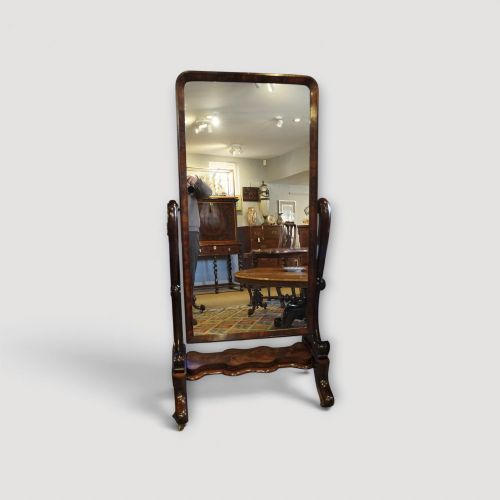
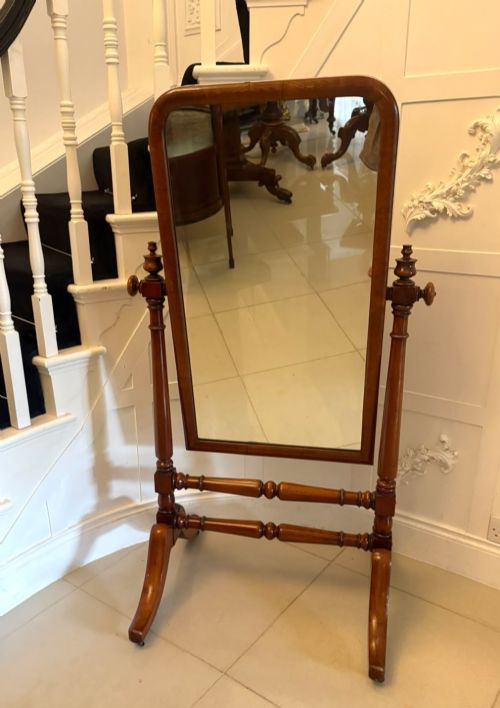
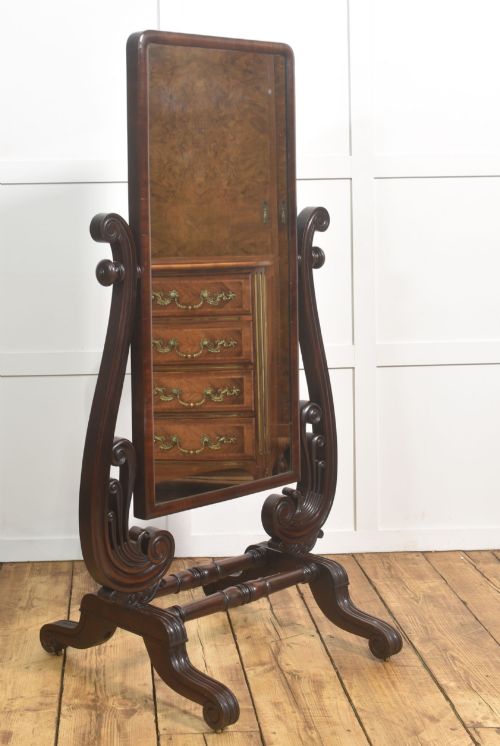
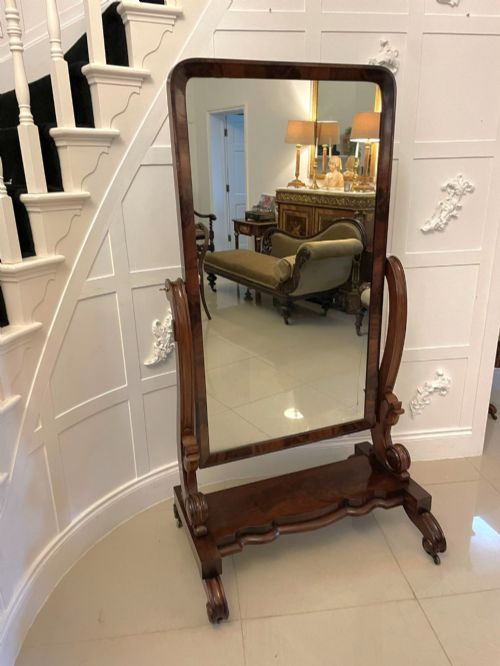
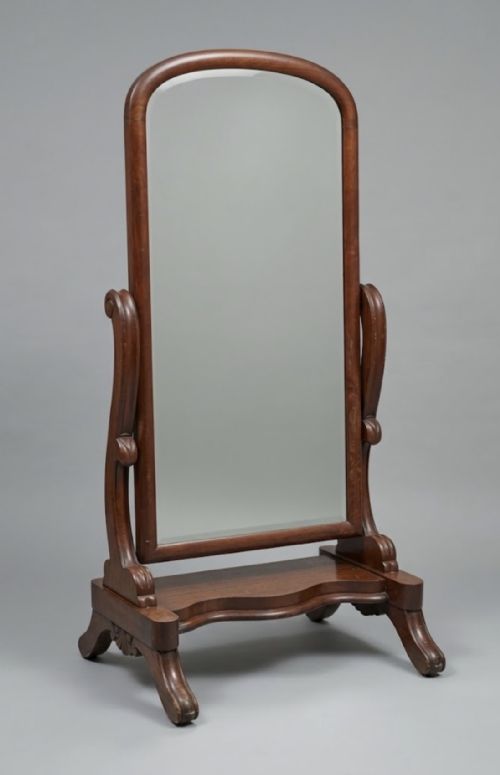
When you search for a victorian mahogany standing mirror, you encounter floor-standing cheval glasses designed to tilt within heavy upright frames. These tall swing mirrors originated to let someone view their entire outfit before stepping out, becoming a bedroom and dressing room staple across the nineteenth century.
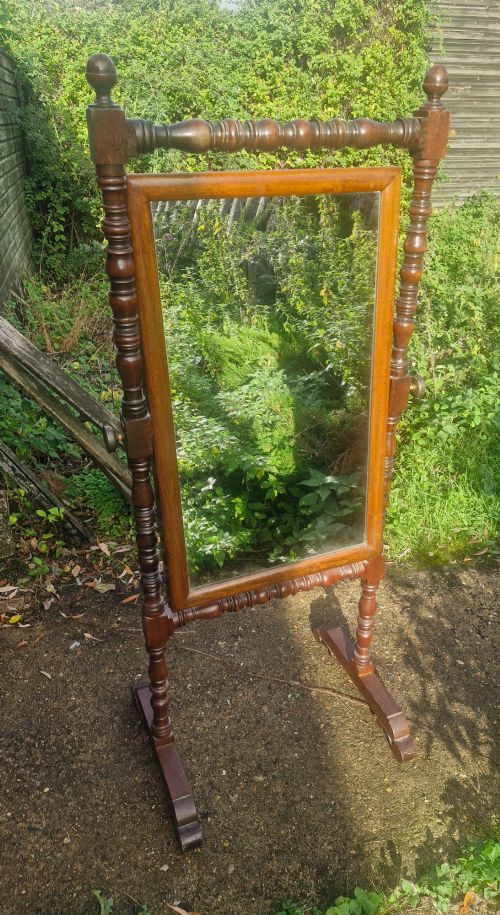
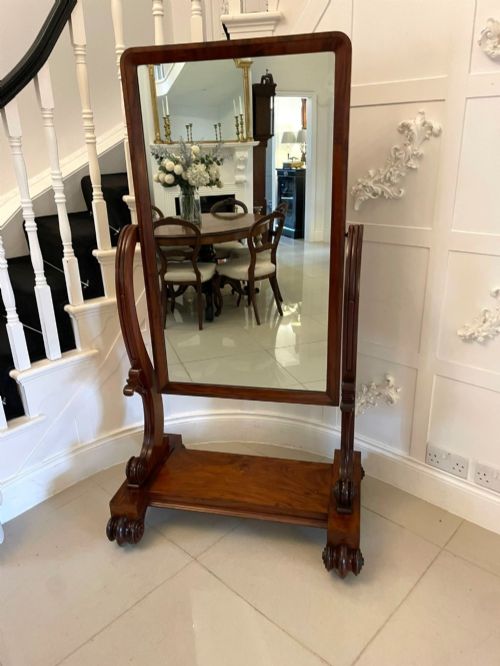
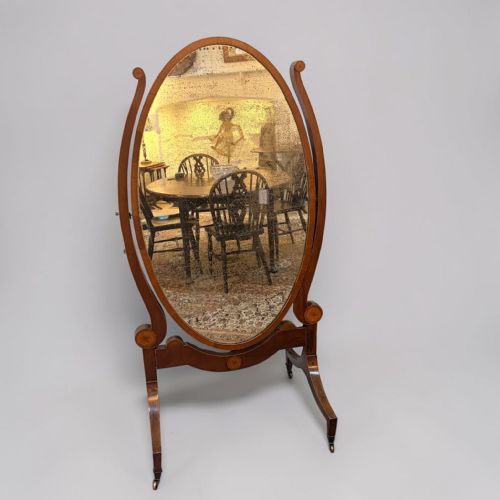
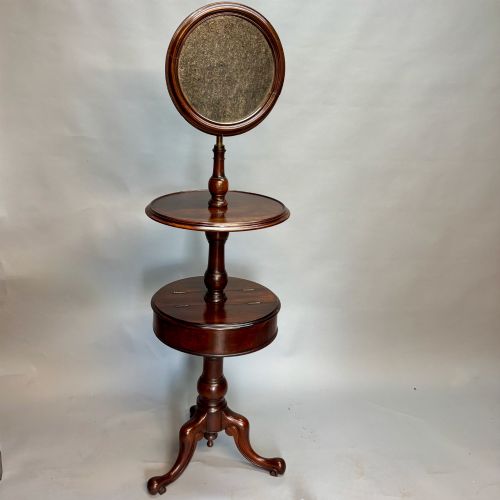
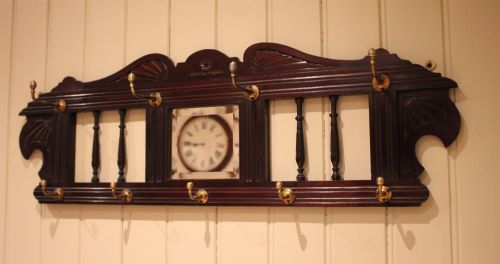
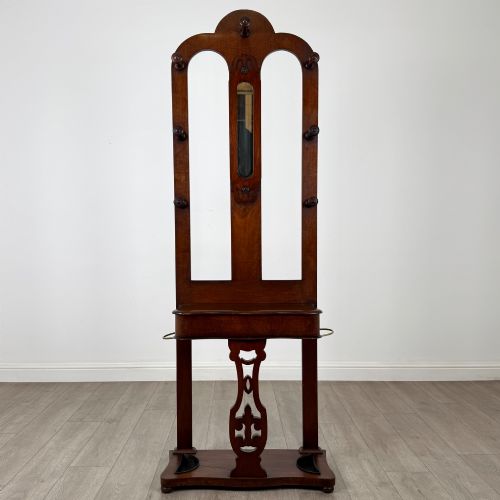
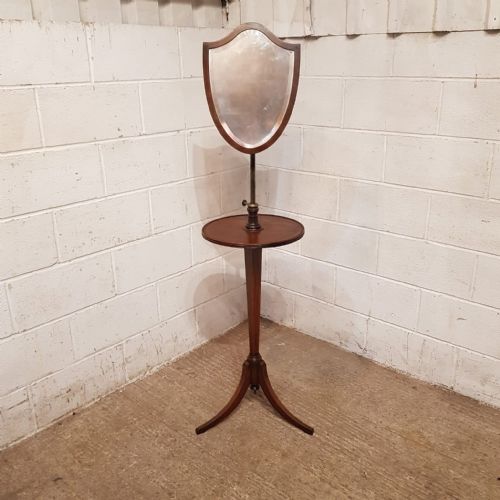
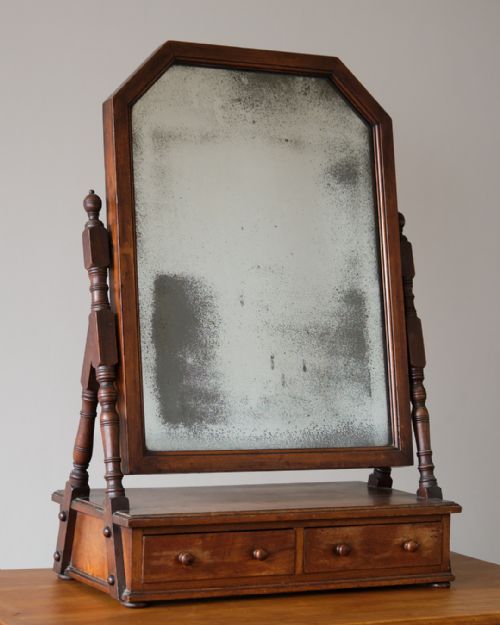
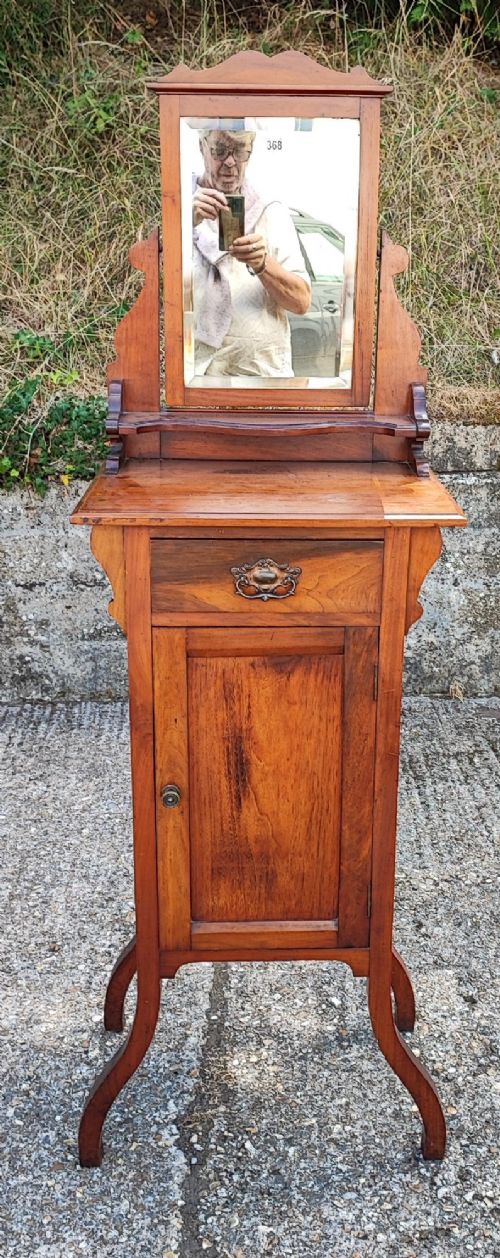
The most common form you meet on this page is the freestanding cheval mirror supported on scrolling legs, barley twist pillars, or sabre supports fitted with castors. Alongside full-length swing glasses, the evidence shows related standing formats including telescopic shaving mirrors, hall stands, and dressing table mirrors.
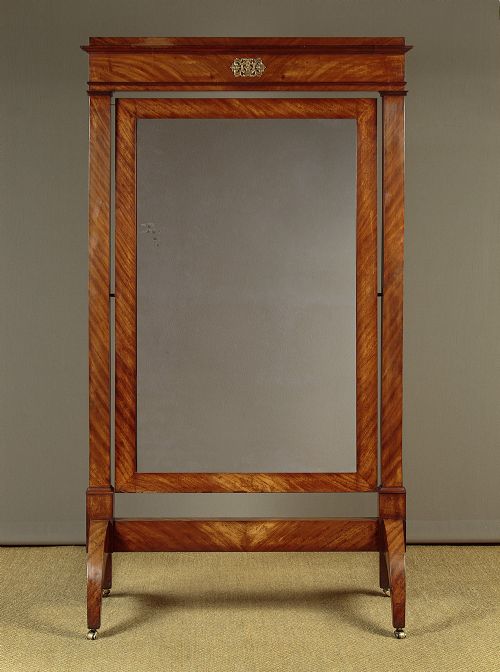
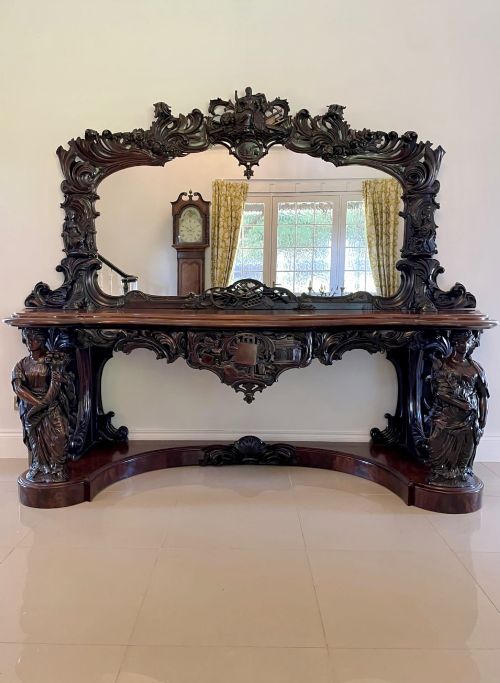
While the core of the selection remains strictly Victorian, the records include transitional pieces from the Regency and William IV eras through to Edwardian interpretations. These standing mirrors rely on substantial timber frames that anchor the piece securely to the floor while the glass swings freely between brass pivots.
How They Were Made
Cabinet makers utilised dense, durable mahogany, frequently selecting figured or flame grains to cover the broad uprights and cross rails of each standing frame. This rich timber was hand-polished to a deep lustre, often accented with subtle inlay work or carved details along the crest and feet.
The pivoting mirror glass hangs securely between two vertical posts using brass screw pins, allowing the user to adjust the angle of reflection easily. Metal components such as brass sabots, castors, and adjustable screw mechanisms provide both structural reinforcement and smooth mobility across wooden floors.
Listings feature mahogany, brass, and mirror glass across Victorian, Regency, and Edwardian periods.
What Varies In Quality
The distinction between standard workshop production and exhibition quality rests on the selection of the mahogany timber and the crispness of the hand-carved ornamentation. Superior examples display highly figured flame veneers and deeply carved structural supports rather than plain, flat surfaces.
Engineering touches define the higher tier of standing mirrors, notably the weight and finish of the brass pivots, castors, and original mirror glass. Better pieces maintain rigid stability in the frame even when the heavy glass tilts fully to various angles.
Heal And Sons·Edwards And Roberts·Thomas Rubergall
The Victorian Mahogany Standing Mirror Glossary
- Cheval mirror
- A large floor-standing mirror that swings vertically within a stable wooden frame. The term derives from the French word for horse, referencing the four-legged support structure.
- Flame mahogany
- A distinct wood grain pattern created by cutting across the branch junction of the tree. It produces fiery, symmetrical flame-like figures highly prized by nineteenth-century cabinet makers.
- Sabre legs
- Splayed, concave legs curving outward in a shape resembling a cavalry sword. These are frequently found on Regency and William IV standing frames.
- Telescopic mirror
- A standing shaving or dressing mirror featuring an adjustable vertical shaft. This mechanism allows the glass height to be raised or lowered to suit the user.
- Barley twist
- A carved wooden support shaped into a helical spiral resembling twisted barley sugar. It appears frequently on Victorian upright frame supports.
Victorian Mahogany Standing Mirror: Frequently Asked Questions
How do I adjust a cheval mirror?
Most standing mirrors use brass screw-threaded pivot pins on either side of the frame. Loosening these thumbscrews allows you to tilt the glass to your preferred angle before tightening them again to hold the mirror steady.
Ensure you support the weight of the glass with one hand while adjusting the fittings to prevent sudden slipping or strain on the wooden uprights.
Where should I place a standing mirror?
These tall floor glasses belong in bedrooms, dressing rooms, or large hallways where their substantial wooden frames can anchor the spatial composition. Positioning them opposite a window captures and reflects natural light deep into the room.
Keep the base clear of heavy foot traffic so the castors can move slightly if needed without catching on surrounding rugs or furniture.
How do I date a mahogany standing mirror?
Look to the overall architectural style, leg configuration, and joinery methods to determine the period. Regency and William IV pieces often feature sabre legs and heavy brass sabots, while mid to late Victorian versions show barley twist supports or carved scrolling feet.
The backing boards, screw types, and silvering on the mirror glass provide further clues to its nineteenth-century origins.