




Victorian Mahogany Ottoman
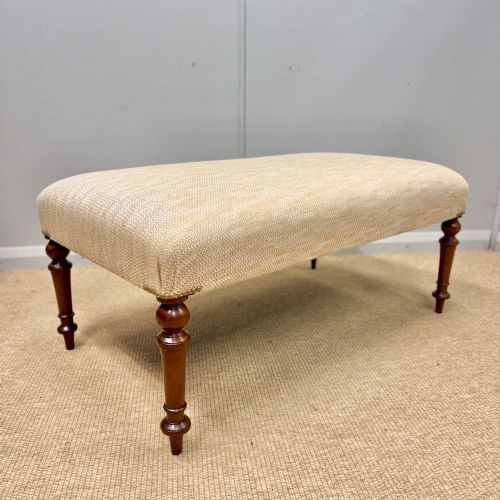
A victorian mahogany ottoman combines dense timber with functional internal storage or sturdy seating, suiting traditional and modern drawing rooms alike.
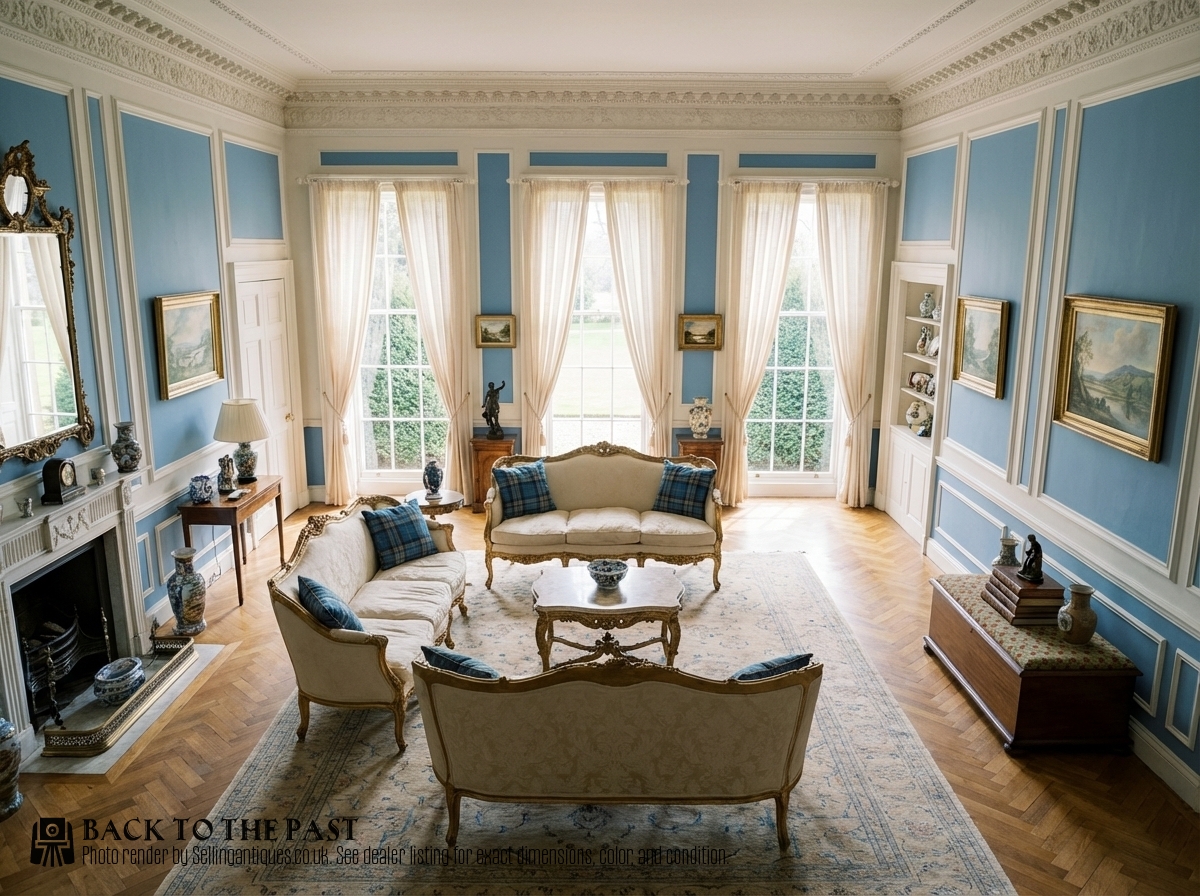
Victorian Mahogany Ottoman
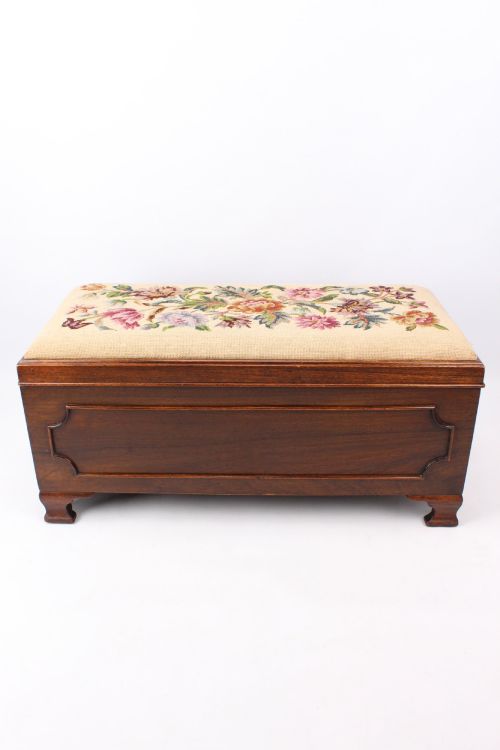
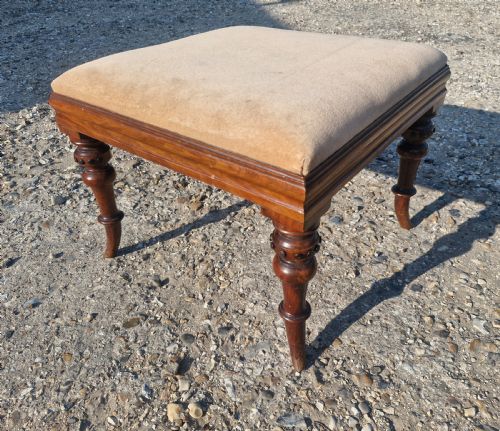
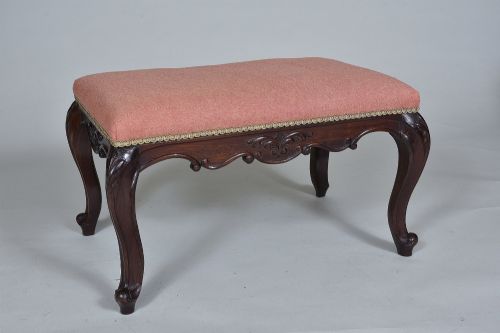
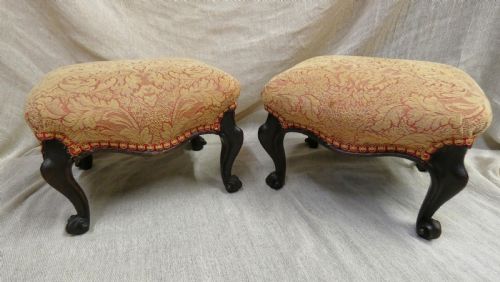
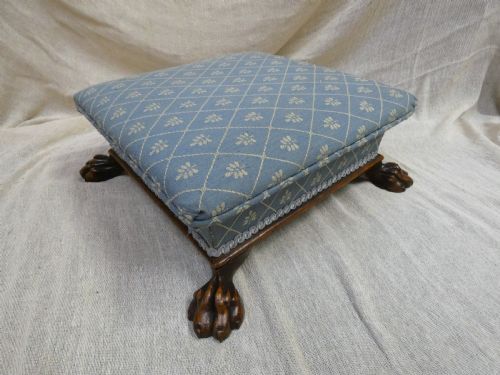
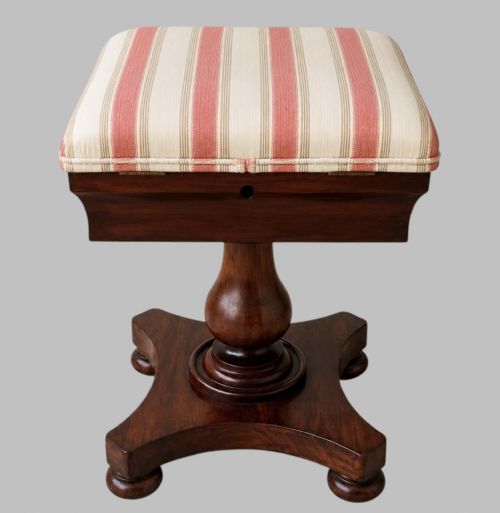
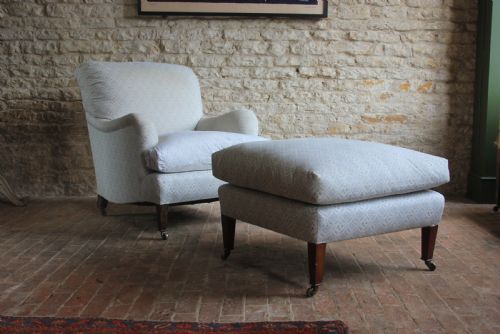
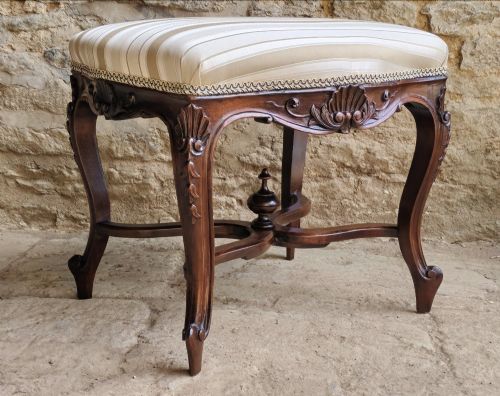
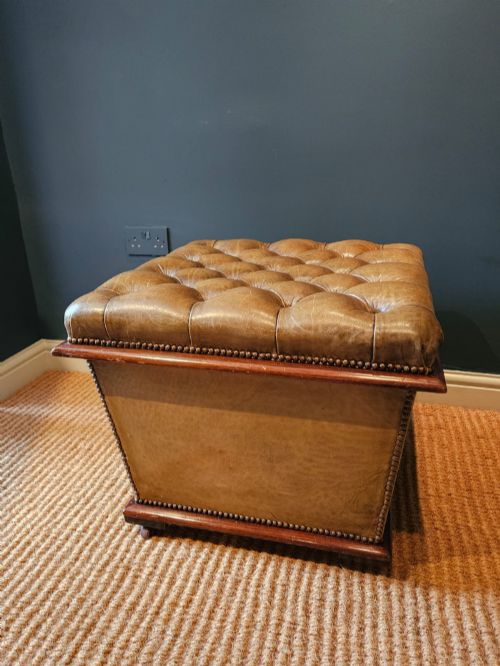
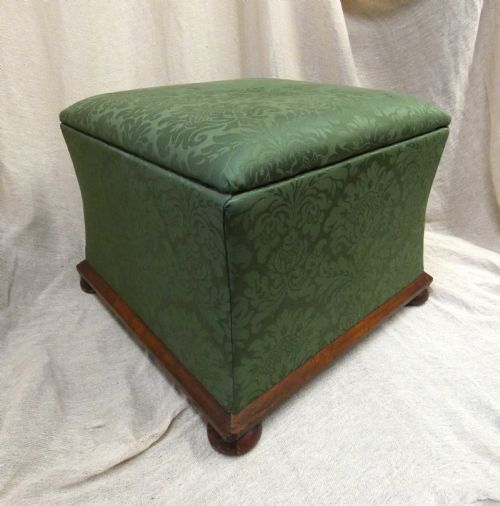
A victorian mahogany ottoman serves multiple purposes as a low seat, footrest, or lidded storage chest produced during the nineteenth century. Most examples appear as rectangular or concave boxes, alongside window seats and X-frame stools.
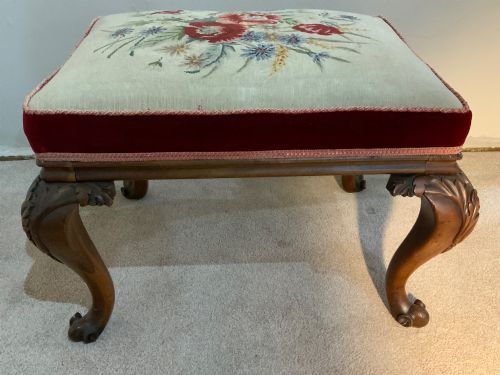
Makers utilised resilient timbers to construct heavy frames designed to support upholstery and textiles. Pieces frequently feature concealed compartments, hinged lids, or open framework supported by brass castors and cabriole legs.
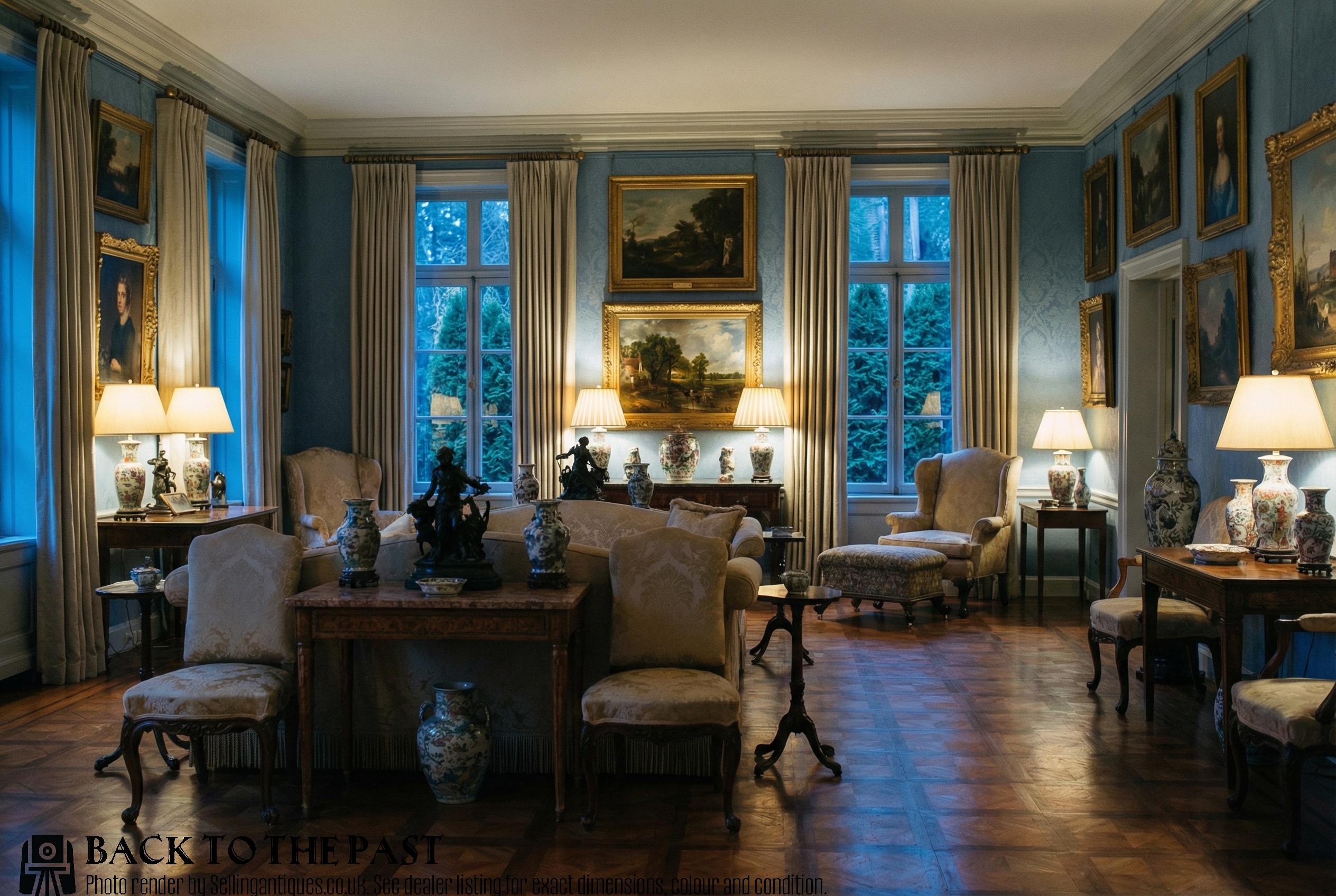
Materials and Construction
Makers constructed the primary frames from solid mahogany, often leaving the grain exposed on shaped rails and carved legs. Interior trunk sections and structural supports utilise secondary timbers beneath the exterior show wood.
Upholstery techniques combined heavy textile coverings, such as leather, velvet, damask, tapestry, and needlework, with supportive interior padding. Brass castors and hinges provide mobility and mechanical function to storage boxes.
Some nineteenth-century designers fitted footstools with secret storage for boots and sewing supplies.
Design and Execution
Quality depends on the crispness of timber carving, the harmony of proportions, and the integrity of the joinery in the frame. Higher grades display carefully selected mahogany grain and substantial weight.
The sophistication of the upholstery work, from plain leather to intricate crewel work and buttoning, dictates the refinement of the piece. Surviving hardware, including original brass castors, alters the standing of individual examples.
Howard and Sons·Hallett and Sons·Gillows
The Victorian Mahogany Ottoman Glossary
- Ottoman
- A low upholstered seat or footstool, frequently featuring a hinged lid that opens to reveal a storage compartment. These pieces range from simple box trunks to elaborate window seats.
- Mahogany
- A durable tropical hardwood with a reddish-brown colour that darkens with age and polishing. It served as the principal framing material for quality nineteenth-century furniture.
- Cabriole leg
- A furniture leg that curves outward and then tapers inward to a foot, echoing animal leg shapes. This style appears frequently on mid-nineteenth-century seating frames.
- Crewel work
- A type of embroidery utilising wool yarn on a heavy fabric foundation. It often appears on nineteenth-century upholstered lids and panels.
Victorian Mahogany Ottoman: Frequently Asked Questions
What is an ottoman?
An ottoman is a heavily upholstered seat or footstool designed without a back or arms. Many nineteenth-century versions incorporate a hinged top that lifts to reveal a deep storage box.
These pieces functioned as flexible furniture for drawing rooms, bedrooms, and dressing areas. They provided comfortable footrests alongside concealed space for blankets and personal items.
How do I identify a period piece?
Look closely at the construction methods, timber choice, and upholstery materials used in the frame. Nineteenth-century makers relied on solid mahogany and traditional joinery techniques rather than modern adhesives.
Examine the hardware and interior linings for signs of age and wear consistent with the 1800s. Period pieces often feature hand-turned legs, brass castors, and heavy secondary woods inside storage compartments.
How should I care for leather upholstery?
Maintain antique leather by keeping it away from direct sunlight and heat sources that dry out the material. Apply appropriate leather creams sparingly to preserve flexibility.
Dust the surfaces regularly with a soft, dry cloth to prevent dirt accumulation in crevices and button tufts. Avoid using harsh chemical cleaners that strip the original finish.
Where can I place a storage box?
Storage boxes function well at the end of a bed, beneath a window, or as a central table alternative in a sitting room. Their low profile ensures they do not block natural light or sightlines.
The interior compartment provides practical storage for spare cushions, throws, and textiles while offering an extra seat when guests visit.