
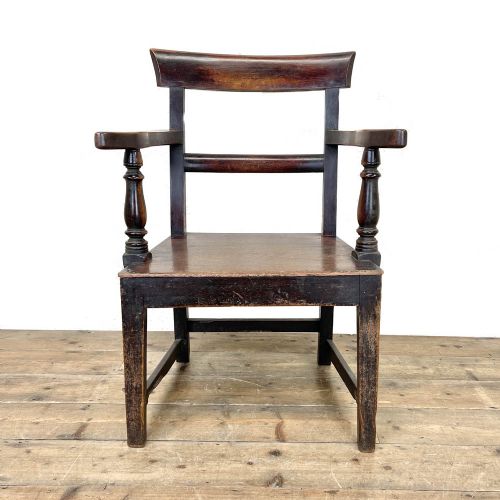
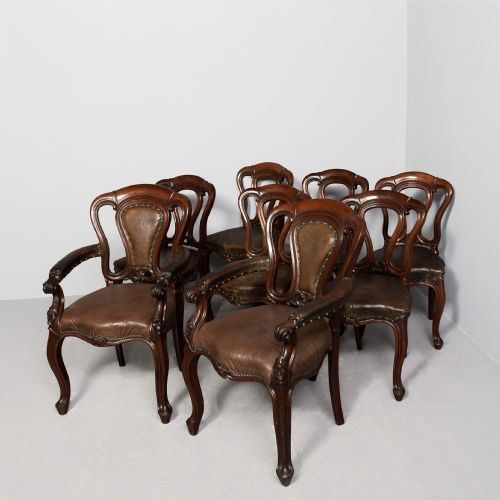
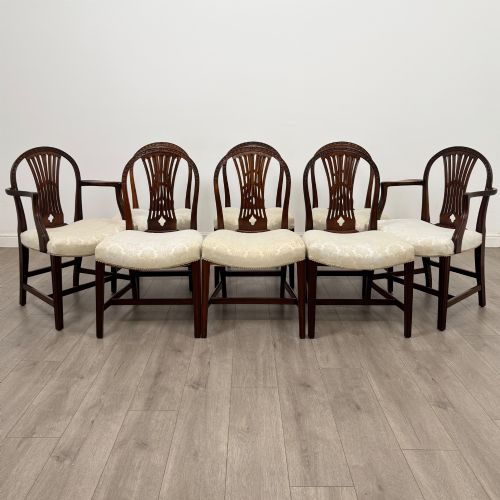
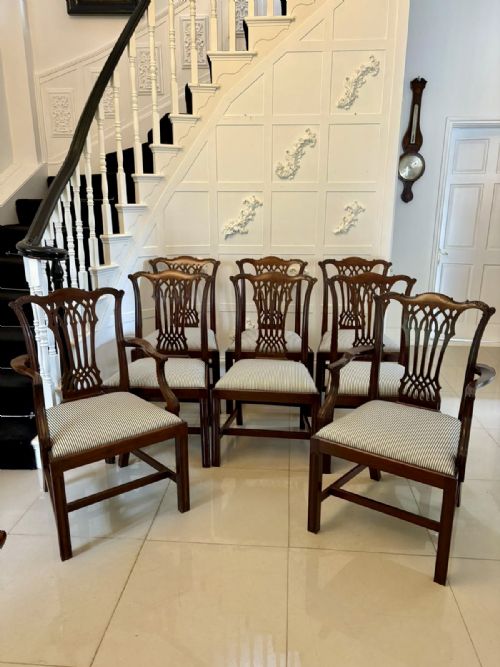
Victorian Mahogany Carver Chair
A victorian mahogany carver chair provides sturdy seating with armrests, combining historical design with rich timber tones for practical daily use.
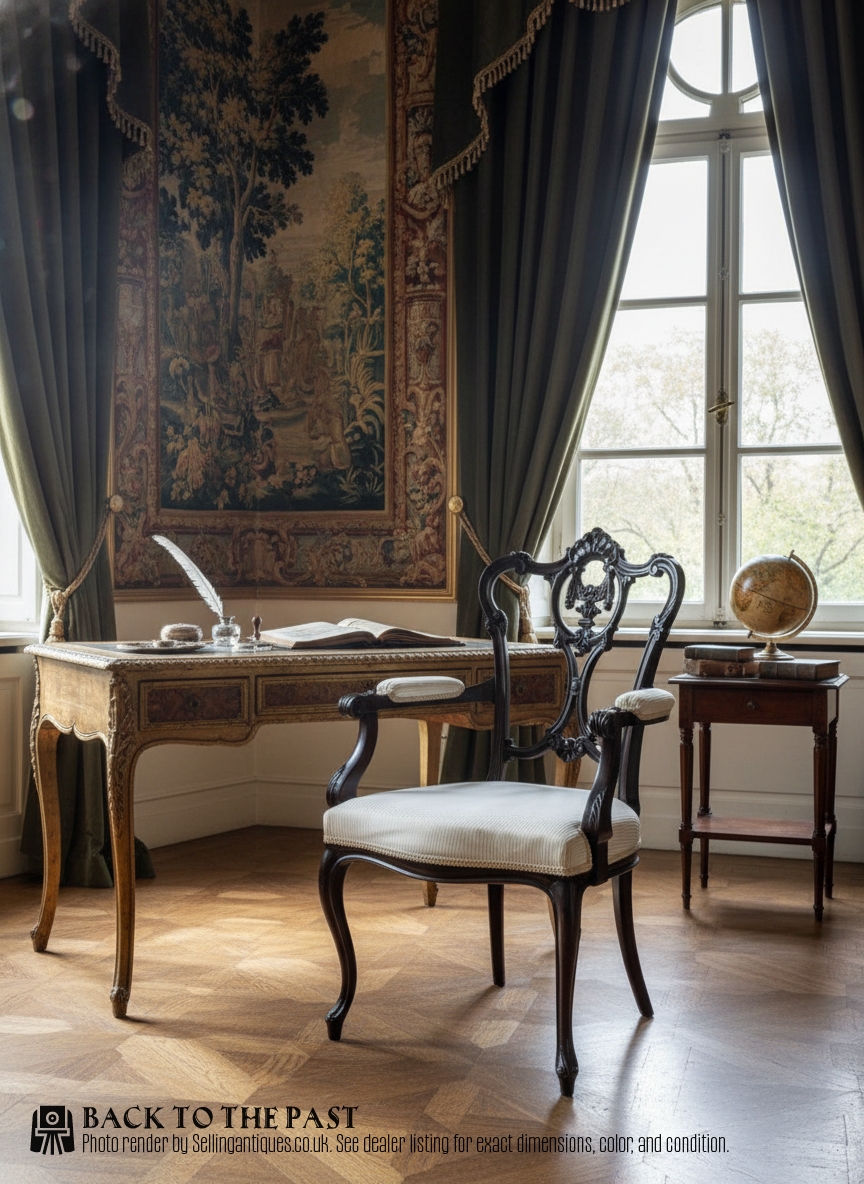
Victorian Mahogany Carver Chair
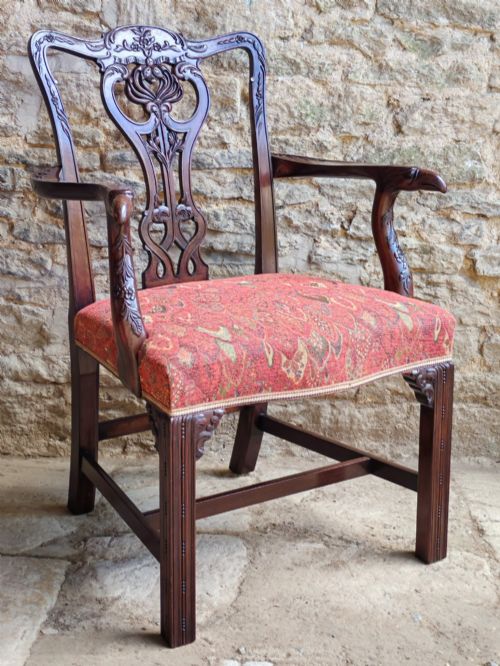
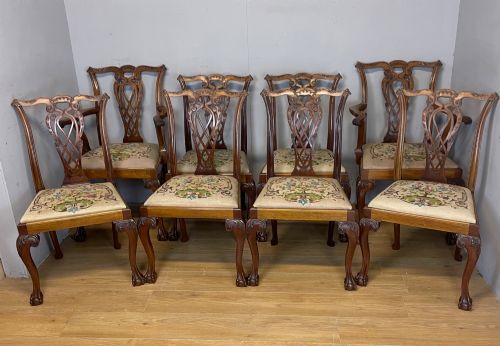
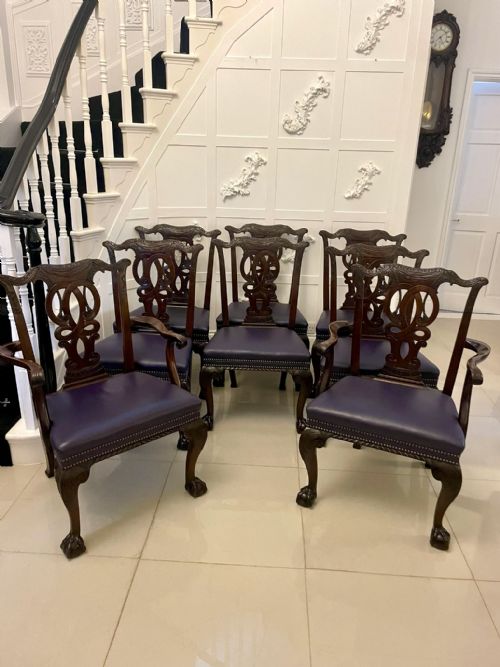
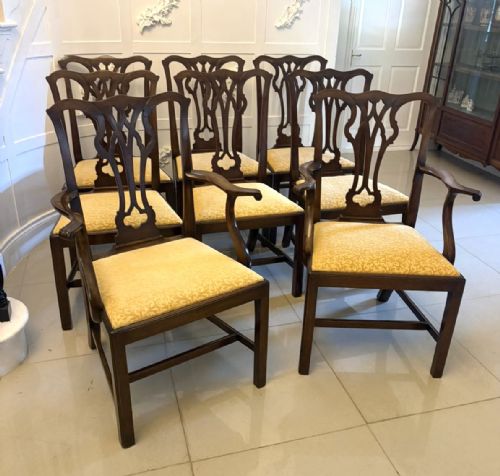
A victorian mahogany carver chair typically serves as the armchair counterpart to a matching set of dining seats, positioned at the head of a table or used singly at a desk. These pieces originate across the nineteenth century, spanning decades from the eighteen-forties onwards into the Edwardian era.
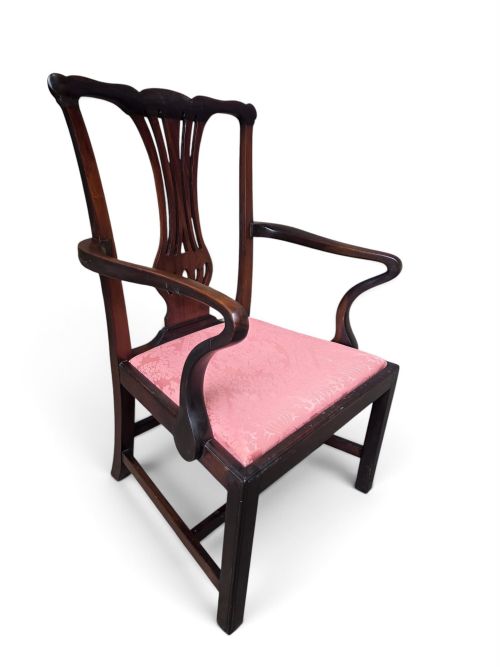
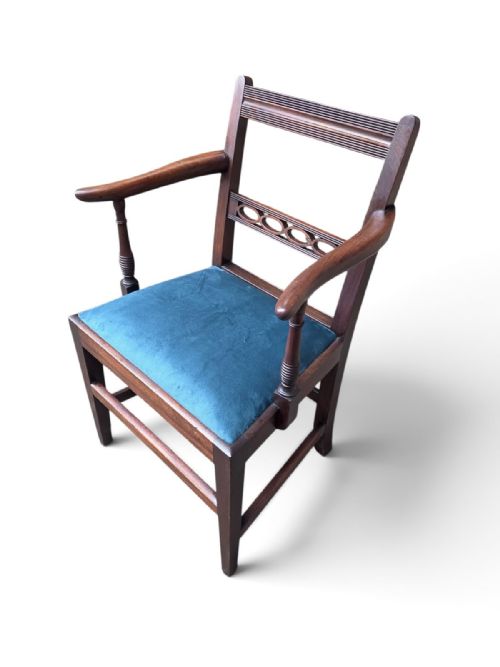
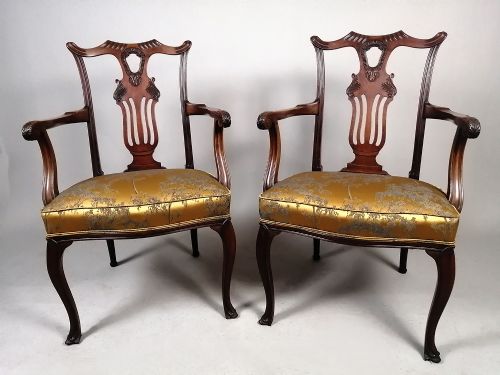
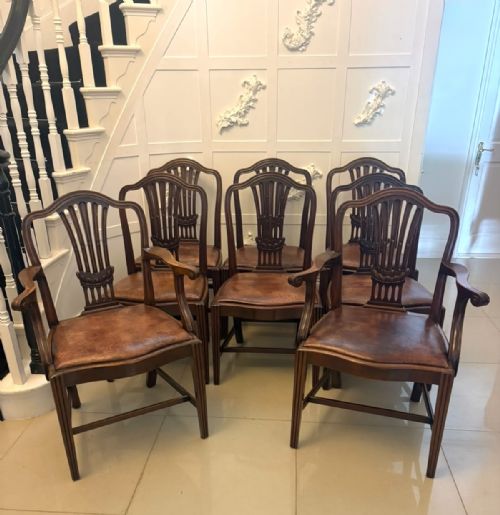
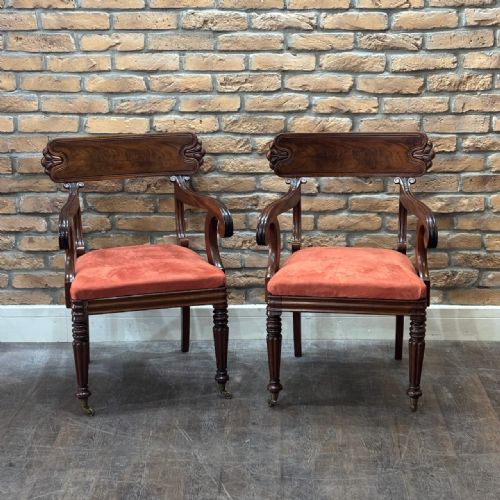
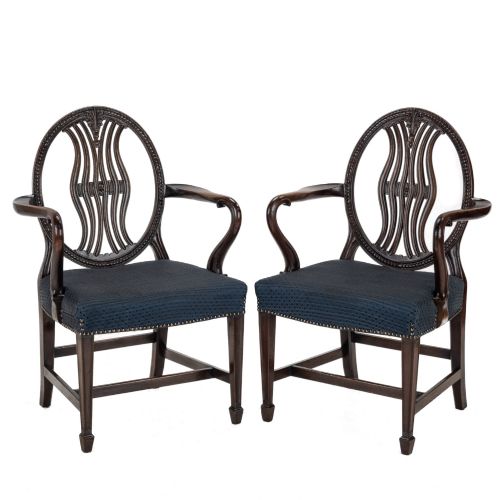
Makers drew heavily on earlier cabinet-making traditions, producing revivals of Chippendale and Hepplewhite alongside Regency influences and bar back forms. Buyers frequently encounter examples featuring open arms, scroll terminals, or shield backs adapted for nineteenth-century domestic interiors.
How They Were Made
Craftsmen built these seats using solid timber frames joined with traditional mortise and tenon construction, frequently selecting dense tropical hardwoods for structural stability and deep colour. Surfaces received hand-applied polishing to bring out the natural grain patterns of the wood.
Upholstered elements relied on stuffing materials secured over webbing, finished with leather, fabric, velvet, or tapestry fastened using brass tacks.
Listings feature mahogany timber across forms including open armchairs, desk chairs, and dining carvers dating from the mid-nineteenth to the early twentieth century.
What Varies in Quality
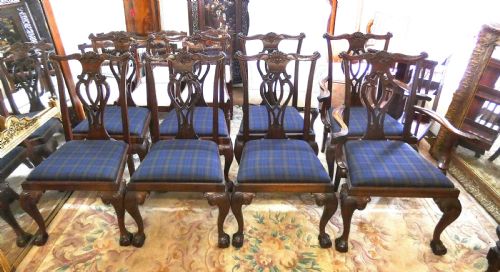
The degree of hand-carving on the splats, arms, and ball-and-claw feet sets finer examples apart from simpler production models. Crisp execution in ornamental details indicates higher workshop standards.
Proportion and timber selection also divide categories, with well-figured mahogany and balanced framing retaining structural integrity and aesthetic weight over time.
Howard and Sons·Warings·Gillows·Lamb of Manchester
The Victorian Mahogany Carver Chair Glossary
- Carver chair
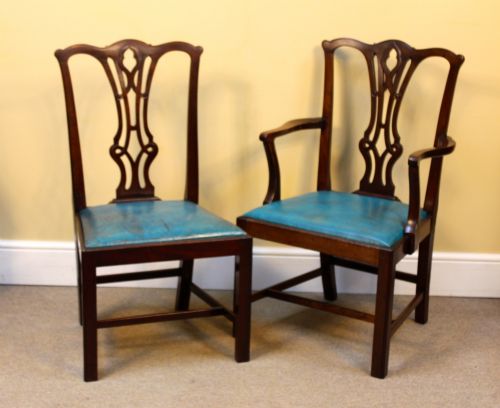
- An armchair designed to match a set of dining chairs, usually featuring open wooden arms. They were traditionally placed at the ends of a dining table.
- Chippendale revival
- A nineteenth-century stylistic movement copying eighteenth-century designs associated with Thomas Chippendale. These pieces often feature pierced splats and carved cabriole legs.
- Hepplewhite style
- A design tradition characterised by shield-shaped or heart-shaped chair backs and tapering legs. Revival pieces date primarily from the Victorian period.
- Bar back
- A chair design featuring a horizontal wooden slat across the upper backrest, often curved for comfort. This form appeared frequently in mid-nineteenth-century seating.
Victorian Mahogany Carver Chair: Frequently Asked Questions
Where were these chairs used?
These pieces functioned primarily around the dining table, where two armed seats stood at the head and foot for the hosts.
They also served in libraries and studies as comfortable desk seating for reading and writing.
How do I identify a carver chair?
Carver chairs are distinguished from standard dining chairs by the addition of wooden armrests extending forward from the back posts.
They share the same upholstery and decorative scheme as the side chairs they accompany.
What is Chippendale style?
Chippendale style refers to eighteenth-century cabinet-making designs featuring intricate fretwork, carved splats, and cabriole legs with ball-and-claw feet.
Victorian makers revived these motifs extensively during the late nineteenth century.
Can I use them daily?
Solid mahogany construction and traditional joinery make these seats durable enough for regular everyday use in modern homes.
Updating internal webbing or padding ensures comfortable seating while preserving the historical wooden frame.