



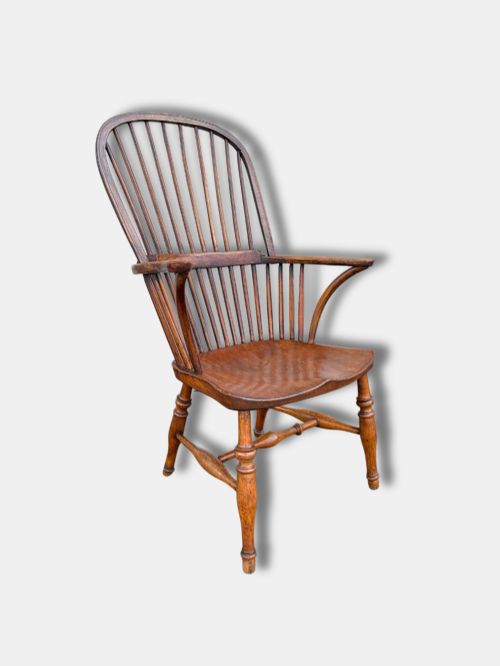
Brown Wooden Elbow Chair
A brown wooden elbow chair offers sturdy seating with armrests, taking many forms from country windsors to formal mahogany designs.
Brown Wooden Elbow Chair
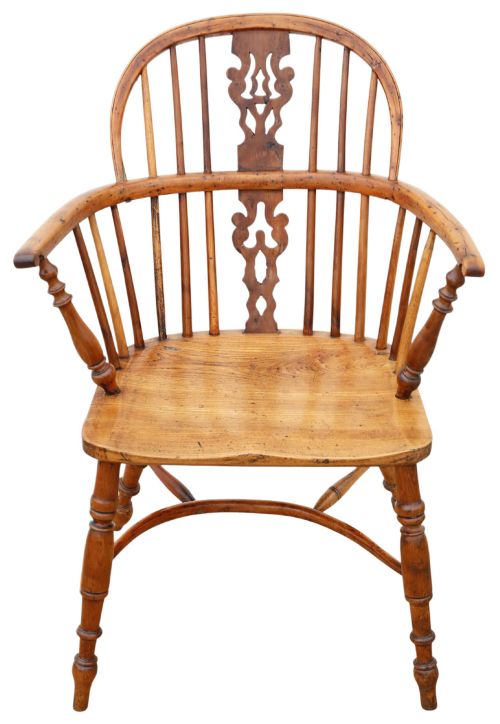
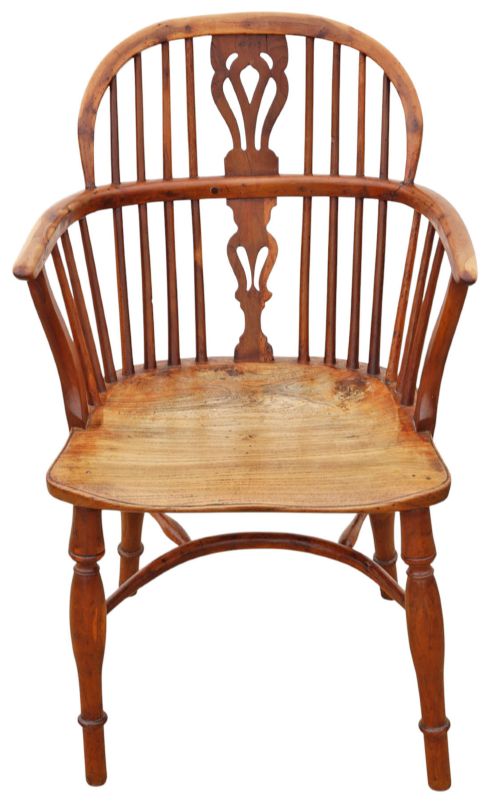
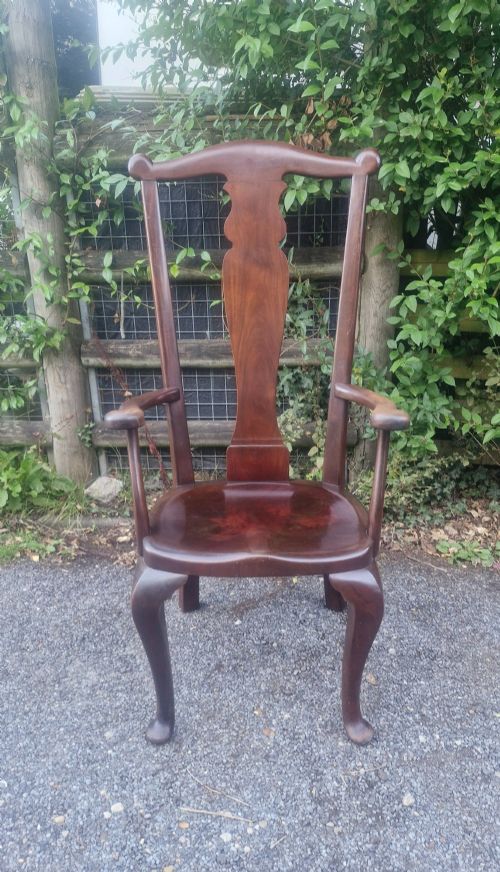
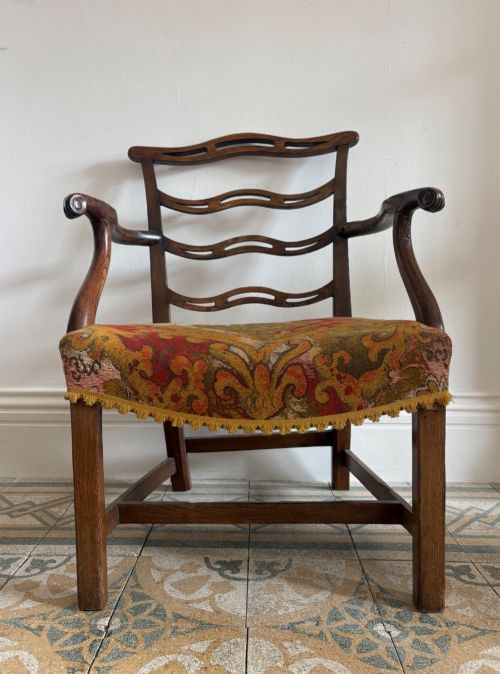
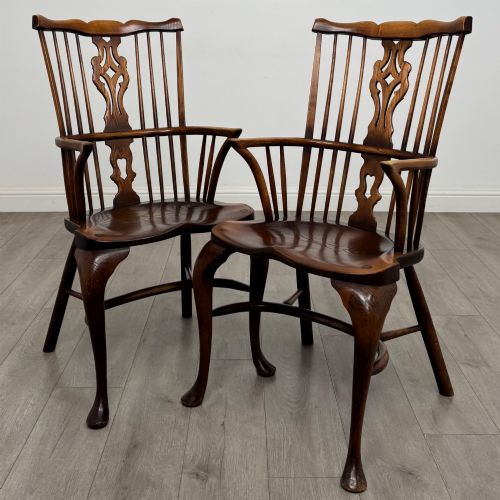
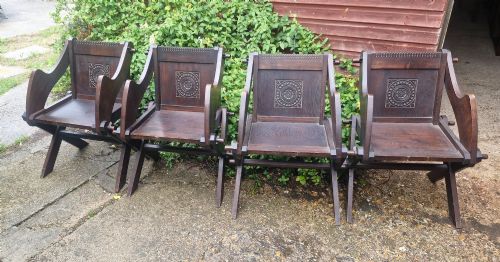
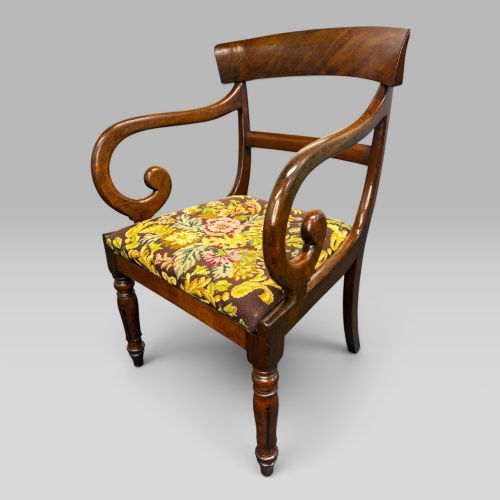
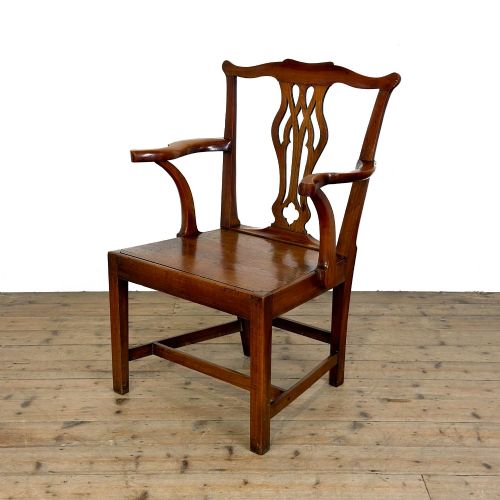
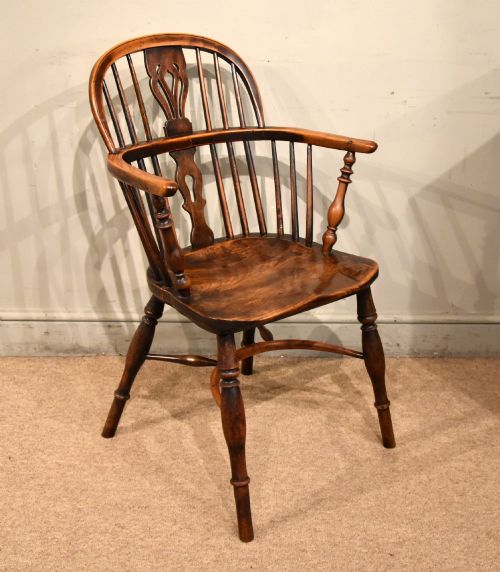
A brown wooden elbow chair combines a timber frame with supportive arms, appearing frequently as a Windsor chair or a formal open armchair. These pieces emerge across the eighteenth, nineteenth, and early twentieth centuries in styles ranging from Georgian country vernacular to Victorian designs.
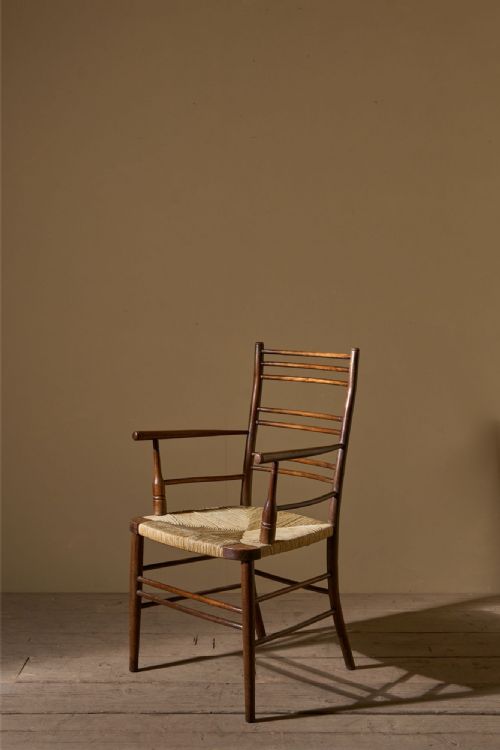
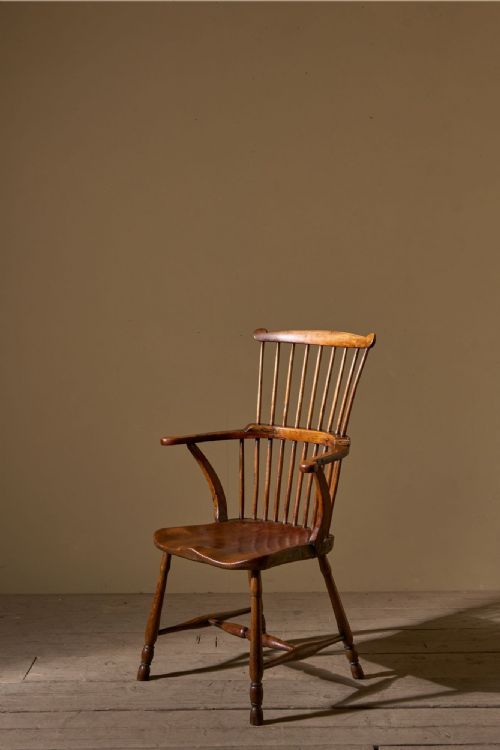
Buyers encounter regional varieties including Welsh, Scottish, and Irish examples alongside English country and town pieces. The forms span low armchairs, smokers bows, comb backs, and ladderbacks suited to desks, morning rooms, and dining spaces.
Materials and construction methods
The construction relies heavily on native timbers such as elm, ash, oak, and yew, often paired in a single Windsor chair where bentwood elements meet turned spindles and solid seats. Mahogany, walnut, and fruitwood appear in more formal dining and desk armchairs.
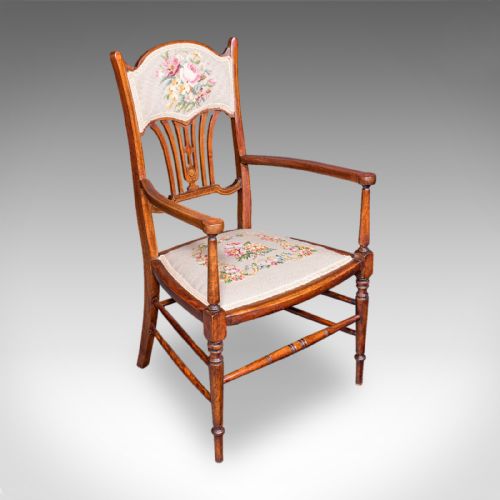
Joinery methods involve traditional pegged joints, turned components, and steam-bent wood for arms and crest rails. Seats are frequently carved from solid elm or woven with rush and upholstered in fabric or tapestry.
Listings feature elm, ash, oak, mahogany, yew, and beech across eighteenth, nineteenth, and early twentieth century periods.
Distinctions in quality and execution
Quality rests in the selection of timber grain, the crispness of turned spindles, and the harmony of proportions. Superior examples show thoughtful combination of contrasting woods, such as yew bow backs with elm seats.
Durability depends on the integrity of the original joints and the retention of matching components across sets. Masterful carving on mahogany Chippendale styles and precise steam-bending on Windsor arms separate standard vernacular items from exceptional ones.
Liberty Morris & Co·Gillows
The Brown Wooden Elbow Chair Glossary
- Windsor chair
- A wooden chair constructed with a solid timber saddle seat into which the back and legs are dowelled directly. The design relies on turned spindles and often a bentwood bow.
- Smokers bow
- A low sturdy wooden armchair with a rounded back rail supported by turned spindles, originating in nineteenth century inns and smoking rooms.
- Comb back
- A Windsor chair variation where the vertical spindles extend upward to support a horizontal headrest resembling a hair comb.
- Carver
- An armchair designed to match a set of dining chairs, traditionally placed at the head of the table.
- Vernacular
- An architectural or furniture style rooted in regional traditions and local materials rather than academic design movements.
Brown Wooden Elbow Chair: Frequently Asked Questions
What is a brown wooden elbow chair used for?
These chairs function as versatile seating around dining tables, desks, or in morning rooms and studies. The added armrests provide extra comfort for reading or writing.
In country houses and farmhouses, they served as principal seats near the hearth or by work tables. Their robust construction suits daily sitting while bringing warmth to an interior.
What woods were used to make these chairs?
Country chairs frequently utilise native timbers like elm, ash, yew, and beech for their strength and flexibility. Elm provides tough, split-resistant seats.
Formal varieties employ mahogany, walnut, fruitwood, and oak. Cabinetmakers selected these for their fine grain and ability to hold crisp carved details.
How do I live with a wooden elbow chair?
Place the chair away from direct heat sources and sudden temperature shifts to protect the timber and glue joints. Regular dusting and occasional wax polishing keep the wood nourished.
Ensure rush or upholstered seats are kept dry and protected from heavy wear. Their sturdy builds mean they easily integrate into modern seating arrangements.