

Victorian Low Seating
Victorian low seating brings together compact armchairs and footstools designed for relaxed rooms, offering deep comfort and rich period character.
Victorian Low Seating
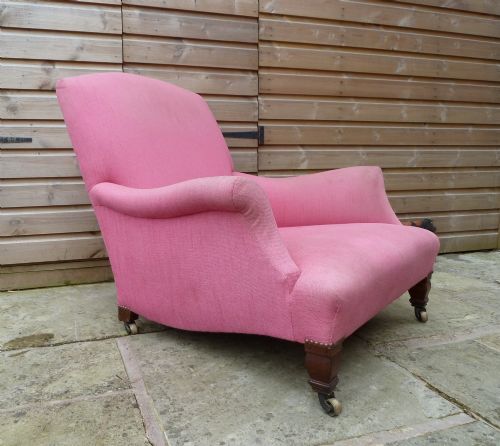
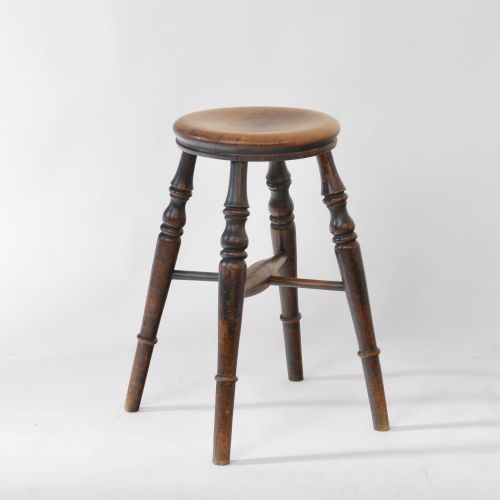
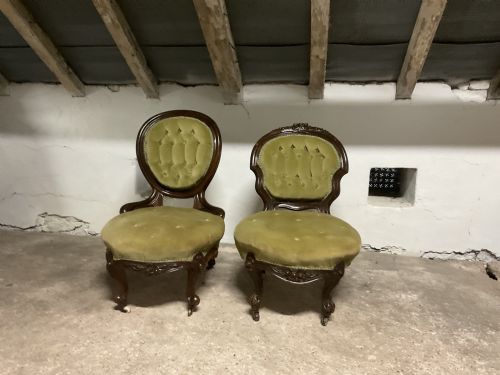
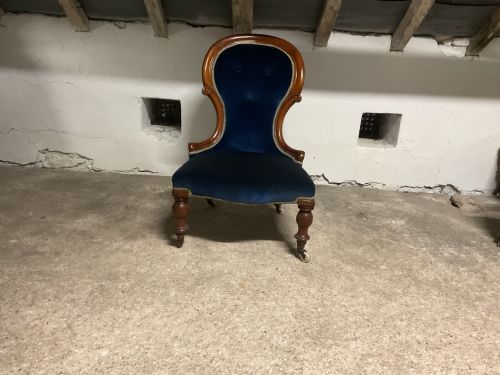
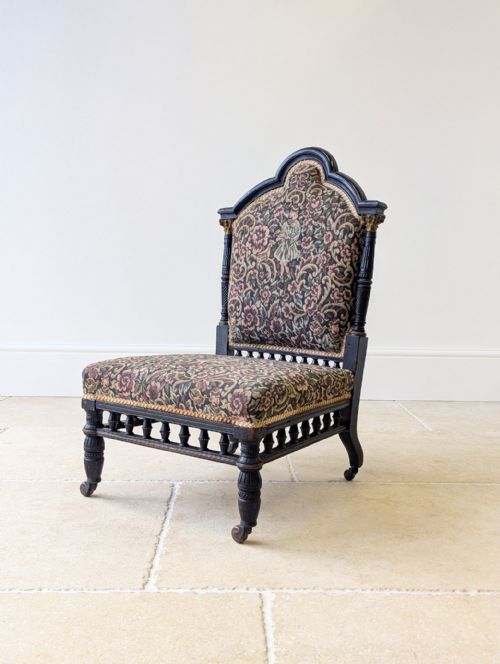
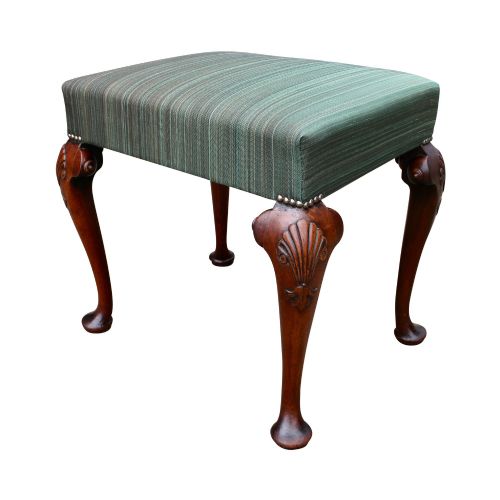
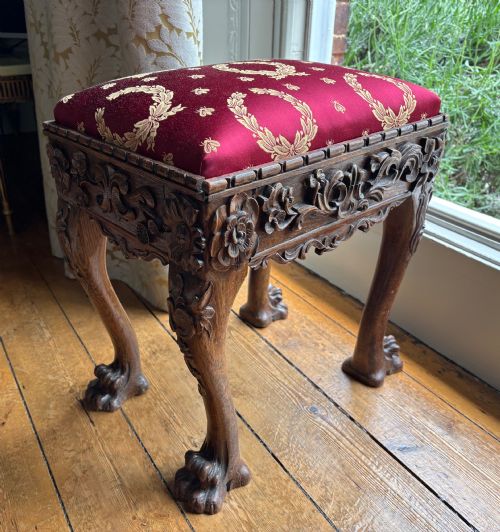
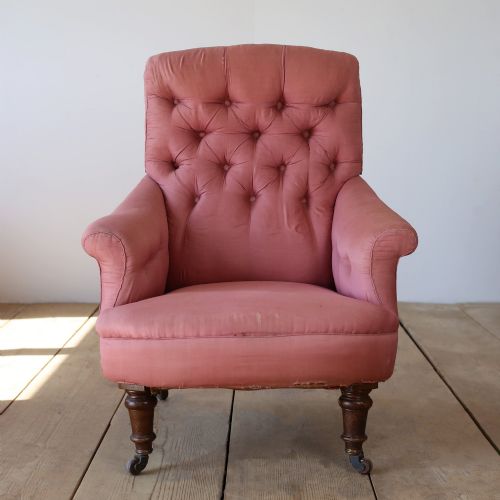
When buyers search for Victorian low seating, they encounter a diverse array of low-slung chairs and footstools originating primarily from the nineteenth century. These pieces include nursing chairs, slipper chairs, and low salon chairs designed to sit close to the floor for fireside use.
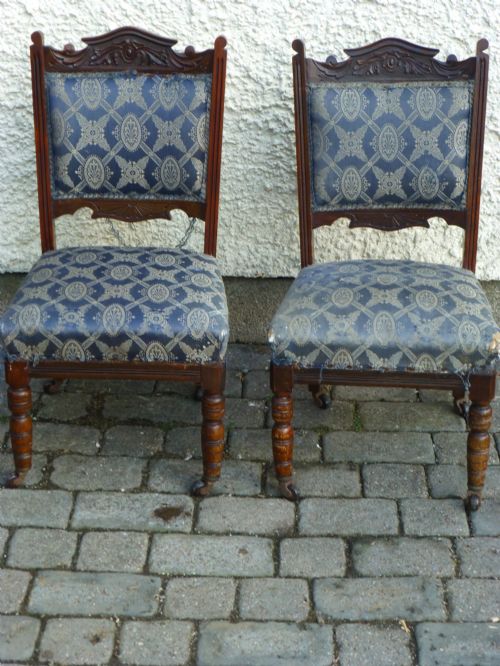
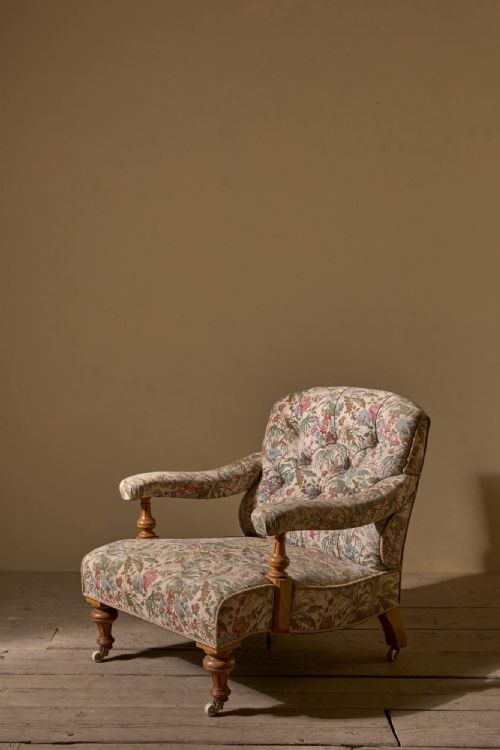
The selections on this page span several distinct forms, most notably mahogany, walnut, and oak bedroom chairs alongside substantial upholstered armchairs. Many examples exhibit period revival influences such as Queen Anne or Chippendale styles.
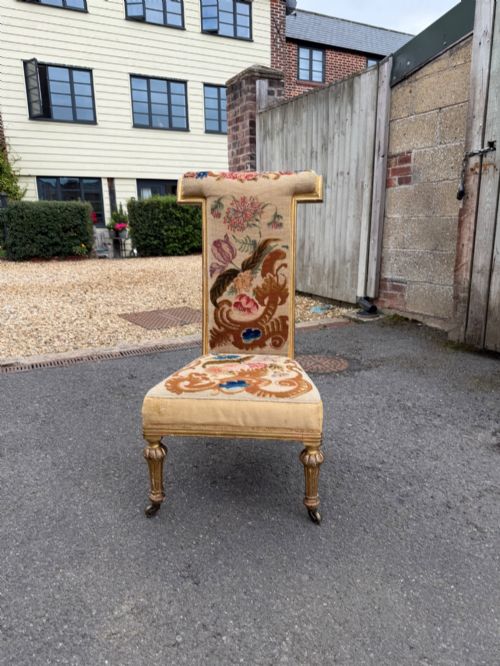
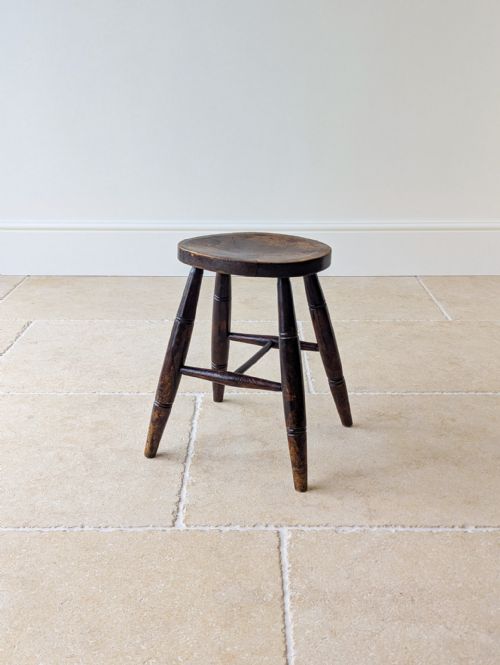
Origin variations range from Scottish country house pieces and Scottish Baronial items to Anglo-Indian rosewood designs and vernacular pine stools. Buyers will also find specialised items like prie dieu chairs and dressing table stools.
Materials and construction
Frames are constructed from solid hardwoods such as mahogany, walnut, oak, sycamore, and rosewood, providing durable structural integrity. Joinery relies on traditional carpentry methods suited to the demands of low-slung seating.
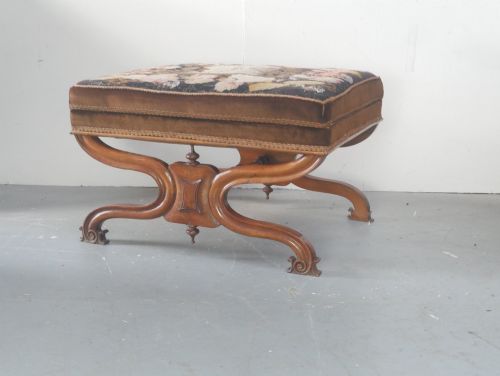
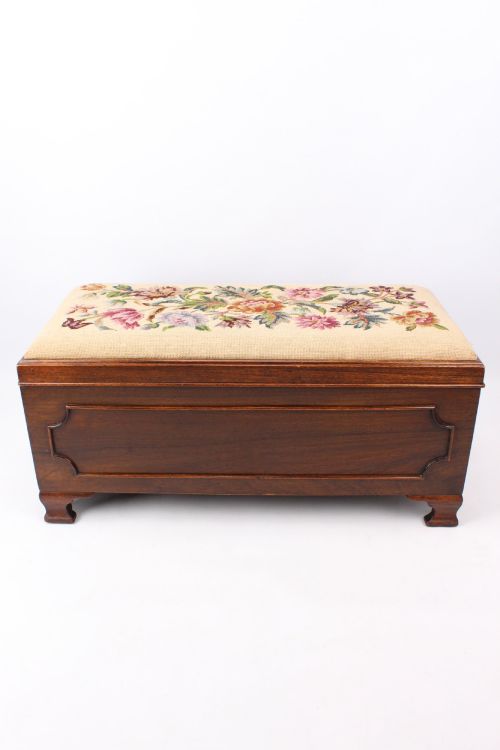
Upholstery incorporates traditional coverings including fabric, velvet, calico, and needlework seats. Button-back padding and sprung bases are frequently employed to achieve deep, supportive comfort.
Listings feature oak, mahogany, walnut, and rosewood alongside velvet, calico, and needlework coverings.
Assessing quality and craftsmanship
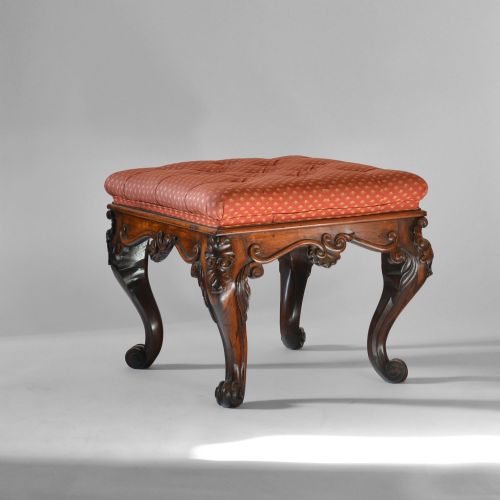
Quality rests in the sculptural execution of the timber frame, seen in carved walnut details, ebonised finishes, or well-turned legs. Finer pieces demonstrate superior joinery and balanced proportions tailored to domestic comfort.
The standard of upholstery and the selection of covering materials, from needlework to velvet, dictate the finish and longevity of the piece. Original frames paired with sympathetic restoration represent the pinnacle of the range.
Howard and Sons·Hampton and Sons·Gillows
The Victorian Low Seating Glossary
- Nursing chair
- A low-seated chair traditionally used in bedrooms or nurseries for feeding infants. These chairs feature low frames and padded backs.
- Slipper chair
- An upholstered chair with short legs designed to sit low to the ground for dressing. They often feature an hourglass or tub-shaped back.
- Prie dieu
- A devotional chair with an elevated back designed for kneeling and prayer. Nineteenth-century examples are typically upholstered in velvet or needlework.
- Aesthetic Movement
- A late nineteenth-century design style emphasising art for art's sake and simplicity of form. Pieces often display ebonised wood finishes and slender proportions.
- Scottish Baronial
- A nineteenth-century architectural and decorative style drawing on medieval Scottish castles. Items in this mode often use heavy timbers and robust proportions.
Victorian Low Seating: Frequently Asked Questions
What is a nursing chair?
A nursing chair is a low-slung nineteenth-century seat designed specifically for nurseries and bedrooms. Its low height allowed people to sit comfortably near the fire while tending to infants.
These pieces usually feature an upholstered back and sprung seat. They remain popular for modern living spaces due to their compact footprint and deep comfort.
How do I identify an Aesthetic Movement chair?
Aesthetic Movement chairs from the late nineteenth century typically display ebonised wood frames and slender, refined silhouettes. They often incorporate Japanese-inspired motifs or subtle turnings.
Such pieces contrast with heavier Victorian designs by prioritising decorative harmony and artistic simplicity over ornate carving.
Where were low chairs used in Victorian homes?
Low seating was placed in bedrooms, dressing rooms, and private parlours rather than formal reception rooms. Their reduced height suited intimate, relaxed domestic activities like reading and dressing.
Prie dieu chairs served devotional purposes in private chambers, while dressing stools sat neatly before low vanity tables.
What materials are common in these frames?
Makers utilised dense hardwoods including walnut, mahogany, oak, and rosewood for structural durability. Some vernacular pieces also employ sycamore or pine.
Frames were frequently polished to reveal the grain or ebonised to imitate exotic woods, then paired with velvet, calico, or needlework upholstery.