
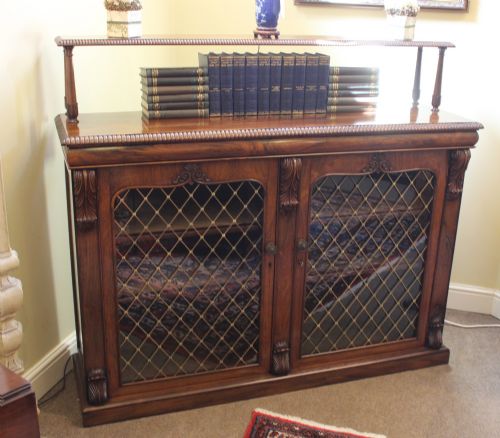
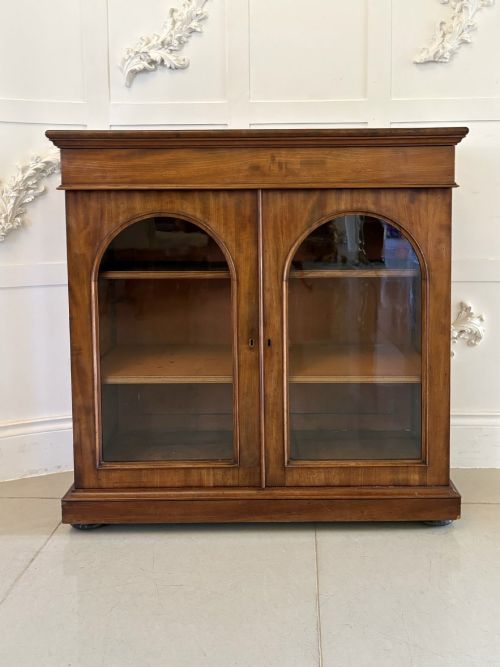
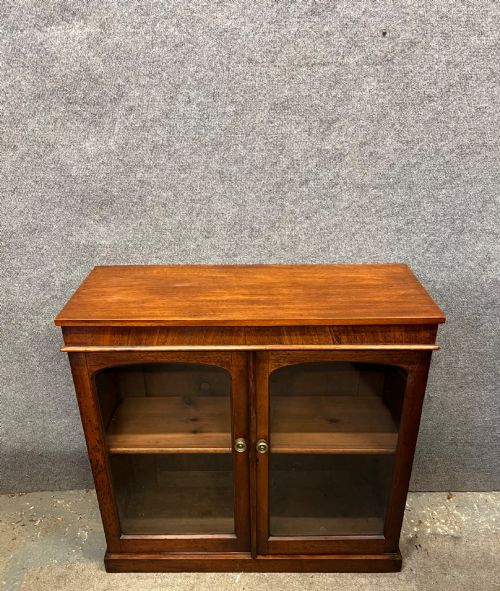
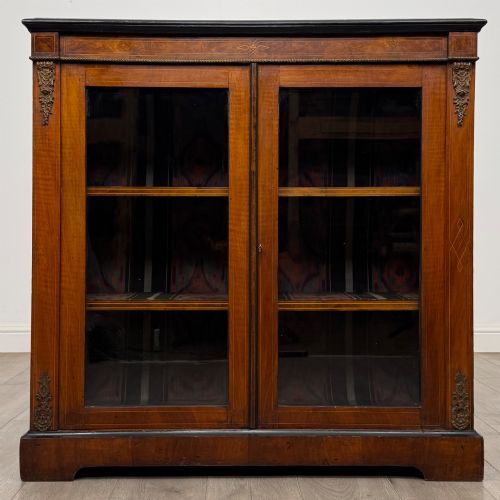
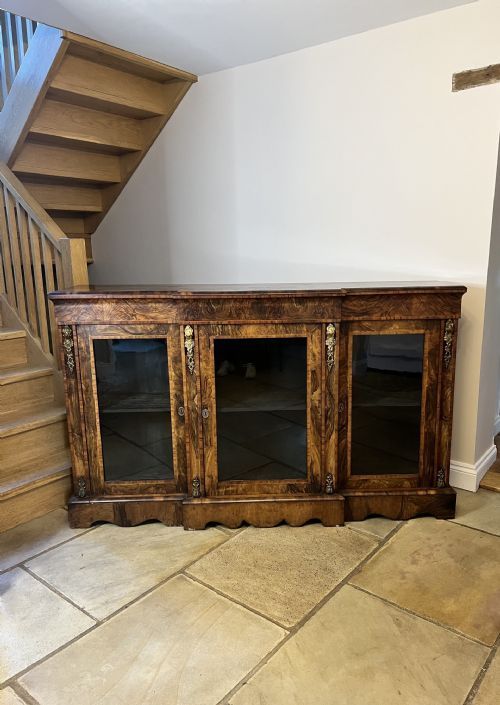
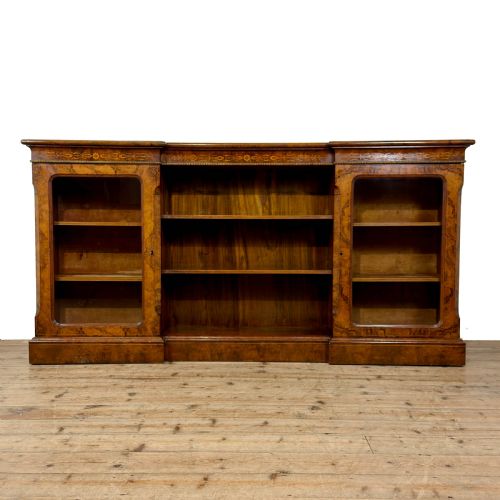


Victorian Low Glazed Bookcase
A victorian low glazed bookcase brings warmth to a room while keeping books visible and protected behind glass doors.
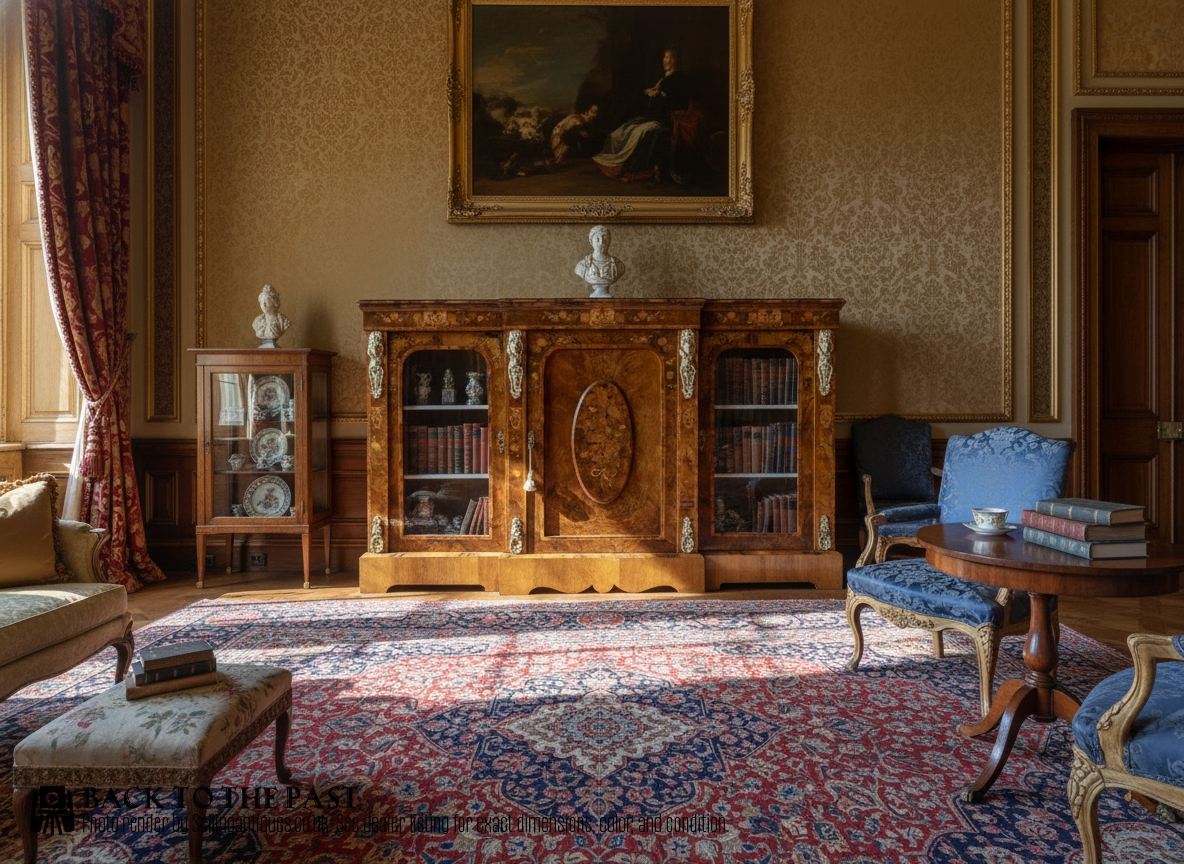
Victorian Low Glazed Bookcase
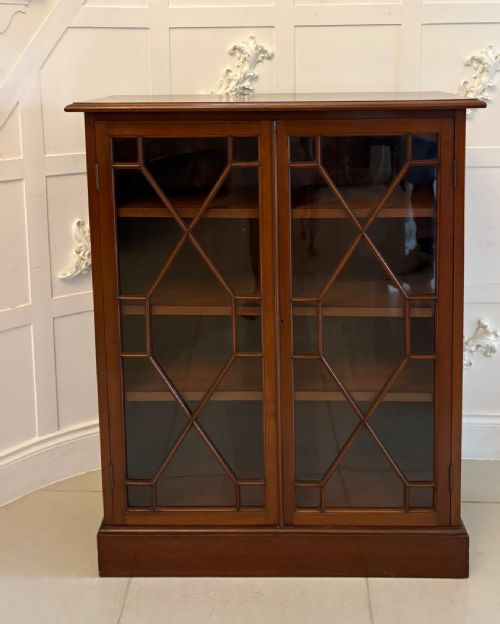
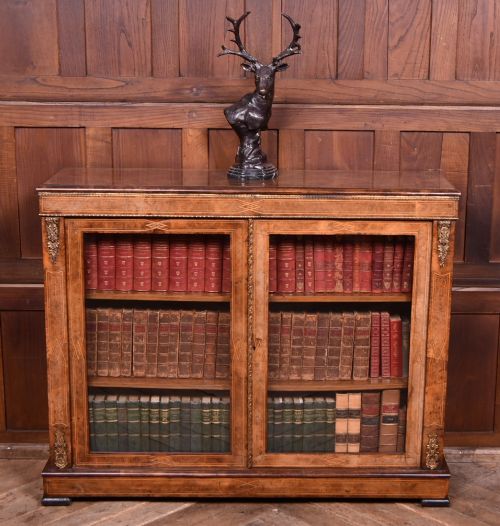
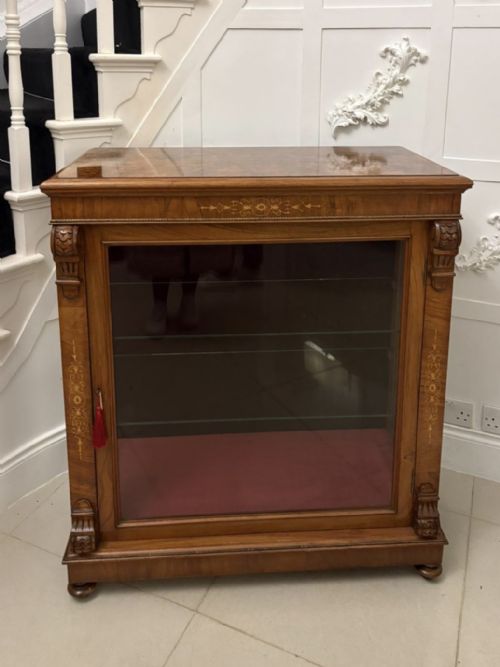
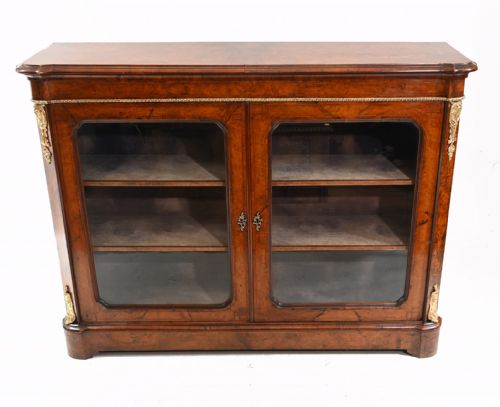
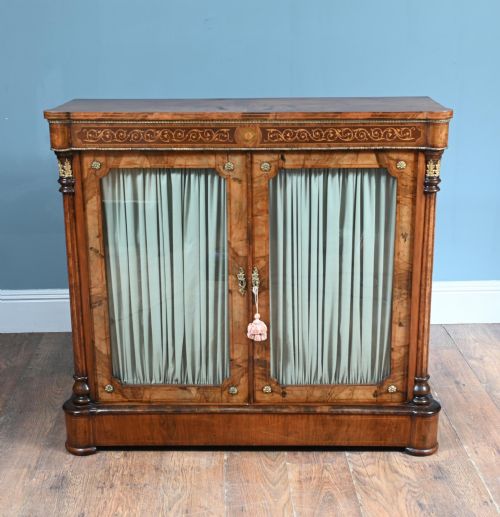
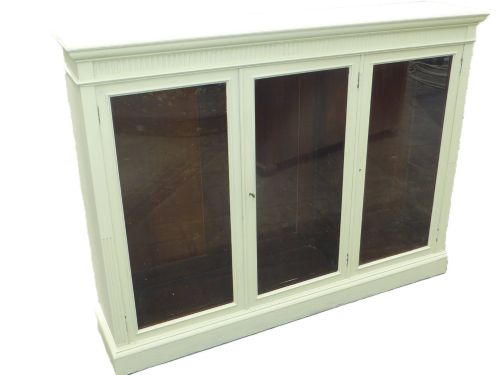
A victorian low glazed bookcase sits lower than traditional tall library shelving, standing comfortably below eye level to display volumes while leaving wall space free above. These pieces typically include glass doors to shield paper from dust and atmospheric grime in domestic sitting rooms.
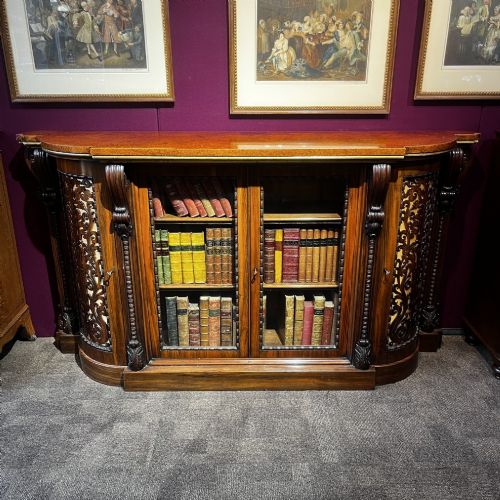
The selections span the nineteenth century, including specific decades from eighteen fifty to eighteen ninety, alongside occasional earlier Regency or William IV pieces. Forms range from compact pier cabinets and side cabinets to larger breakfront library bookcases with multiple doors.
Makers and cabinet makers constructed these items to serve both study and parlour, often combining display space for prized editions with lower wooden cupboards for additional storage.
Materials and construction
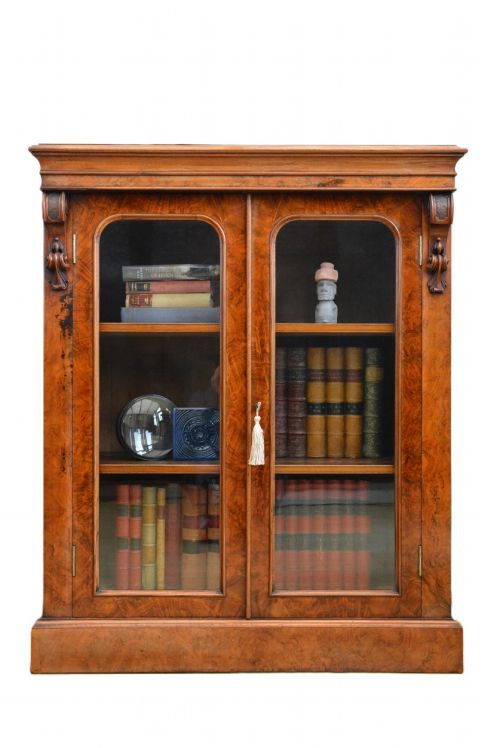
Craftsmen built these cabinets primarily using solid timber frameworks overlaid with finely figured veneers of walnut, burr walnut, mahogany, and rosewood. Secondary woods provided structural stability inside the carcase while exterior surfaces displayed rich grain patterns.
Glazing involved fitting individual panes of glass into wooden door frames, secured with timber glazing bars or brass mounts. Ormolu, brass inlays, and marquetry details frequently embellished the principal facades.
Interior arrangements relied upon adjustable wooden shelves supported by timber racks or brass fittings, allowing owners to alter shelf heights for varying book sizes.
Current listings feature walnut, mahogany, rosewood, and amboyna alongside brass, ormolu, and velvet elements.
What separates the fine from the ordinary
Quality rests heavily upon the selection of timber veneers, where symmetrical burr walnut or figured mahogany exhibits deeper visual movement and careful matching across doors and panels. Plain or mismatched timber grain indicates a more utilitarian workshop output.
The precision of cabinet joinery and the integrity of inlaid brass, marquetry, or ormolu mounts dictate the overall refinement of the piece. Clean lines, tight door closures, and original glass panes distinguish superior examples from heavily altered or restored items.
The Victorian Low Glazed Bookcase Glossary
- Pier Cabinet
- A low display cabinet designed to fit the wall space between windows. These compact glazed units often feature marquetry and brass mounts.
- Breakfront
- A cabinet front where the central section projects forward from the flanking wings. This architectural form creates depth and visual balance.
- Burr Walnut
- Wood harvested from the gnarly growths of a walnut tree, yielding complex swirling grain patterns. Cabinet makers prized this veneer for high-status furniture.
- Marquetry
- Decorative patterns formed by fitting together thin veneers of various coloured woods. Craftsmen applied these intricate designs to cabinet doors and friezes.
Victorian Low Glazed Bookcase: Frequently Asked Questions
What is a low glazed bookcase?
A low glazed bookcase is a shorter nineteenth-century cabinet featuring glass doors designed to house books below eye level.
These pieces offer surface display space on top while keeping volumes visible and protected within.
How do I date a Victorian bookcase?
Dating relies on stylistic clues, timber choices, and construction methods recorded across the nineteenth century. Walnut and burr walnut gained prominence later in the period, while earlier examples favoured mahogany and rosewood.
Secondary woods and shelf adjustment mechanisms also help narrow down the decade of production.
Where should I place a pier cabinet?
Pier cabinets suit narrow wall spaces, hallways, or living rooms where full-sized bookcases prove too large. Their shallow depth allows them to sit flush against walls without dominating the room.
They work well beneath paintings or mirrors to display collected volumes and decorative objects.
Are the shelves adjustable?
Many nineteenth-century glazed bookcases incorporate adjustable shelving supported by wooden tracks or brass pins. This adaptability allowed owners to alter shelf heights for varying book formats.
Not all antique cabinets retain this feature, so checking the interior mechanism remains important.