





Victorian Lockable Box
A victorian lockable box secures personal valuables, documents, and tea with working keys and fitted compartments.
Victorian Lockable Box
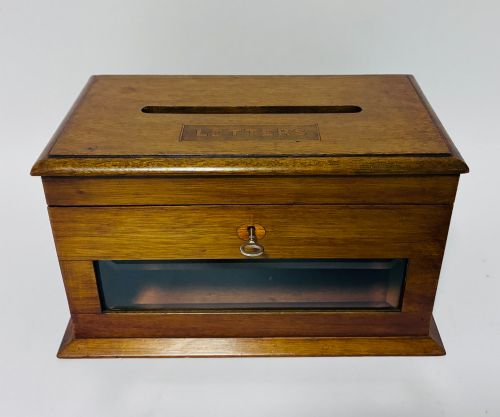
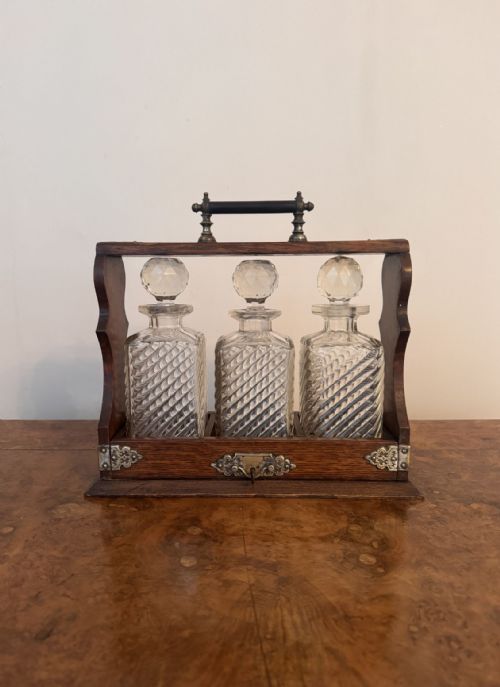
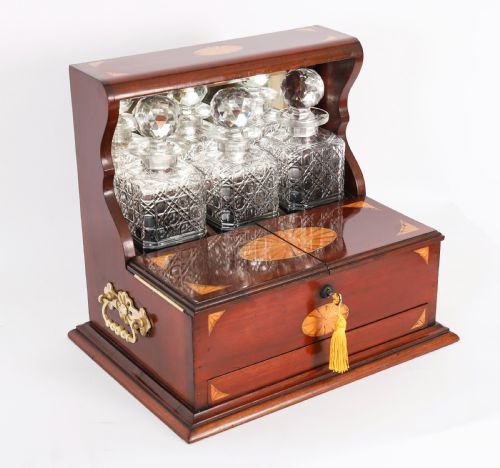
A victorian lockable box encompasses a wide variety of personal receptacles designed to secure valuables, correspondence, and consumable goods. Buyers encountering this selection will find tea caddies, writing slopes, jewellery chests, deed boxes, and spirit tantalus containers originating predominantly from the nineteenth century. These items served functional roles in period households, acting as secure repositories for daily essentials and prized possessions.
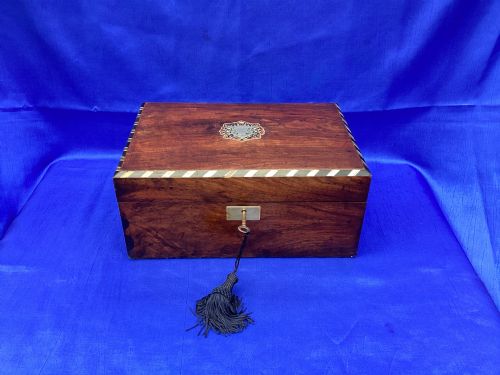
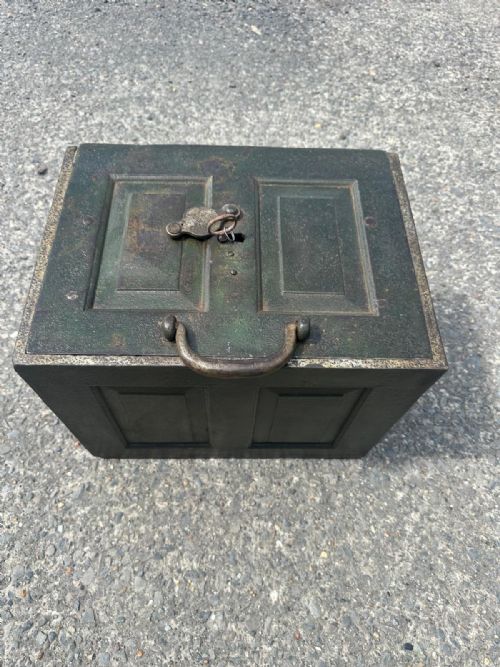
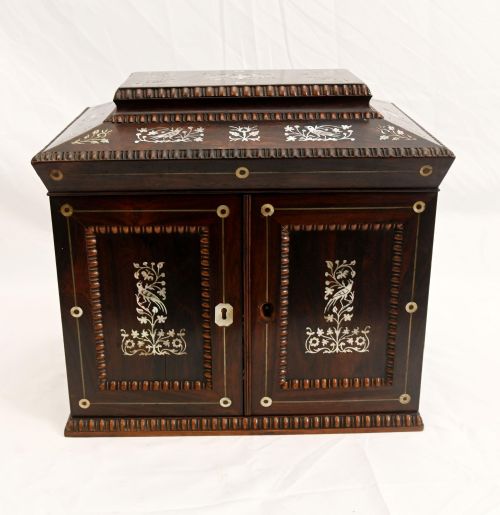
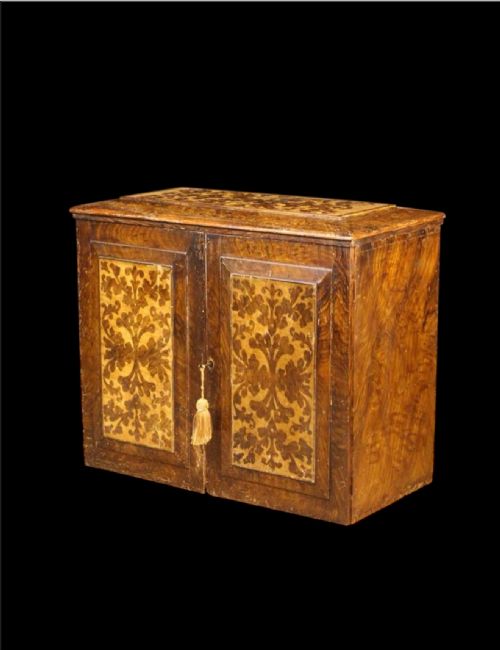
Mahogany and rosewood form the foundational wood choices for many examples, often embellished with brass mounts, mother-of-pearl inlay, or burr walnut veneers. Specific forms range from sarcophagus-shaped tea caddies to heavily bound iron safes and fitted dressing cases. While the majority of listings date from the Victorian era, related pieces span from the Regency period into the Edwardian years.
How they were made
Cabinet makers utilised dense hardwoods such as mahogany, rosewood, oak, and burr walnut as the primary structural bodies for these receptacles. Artisans applied intricate decorative techniques including boullework, parquetry, Sorrento marquetry, satinwood inlay, and brass stringing to enhance the exterior surfaces.
Interiors frequently featured fitted compartments, lifting trays, integrated mirrors, and velvet or leather linings designed to hold specific items like decanters, writing implements, or jewellery. Working locks and brass hardware accompanied these constructions, ensuring contents remained secure.
The listings on this site span the Regency, Victorian, and Edwardian periods, utilising materials such as brass, mother-of-pearl, rosewood, and oak.
What varies in quality
The degree of refinement in timber selection and decorative embellishment largely determines the standing of an individual piece. Items featuring figured burr veneers, extensive mother-of-pearl work, or intricate marquetry represent a higher standard of craftsmanship than plain timber constructions.
The complexity of the interior arrangement also differentiates examples, with fully fitted compartments, secret drawers, and original working keys indicating superior manufacture. Surviving original finishes and intact leather or textile linings contribute further to the overall standard of the container.
The Victorian Lockable Box Glossary
- Tantalus
- A locking wooden frame designed to secure spirit decanters while allowing their contents to be seen. This device prevented servants or guests from accessing the liquor without permission.
- Writing slope
- A portable desk featuring a slanted hinged writing surface that opens to reveal storage for paper, pens, and inkwells. Many incorporate concealed compartments for private documents.
- Tea caddy
- A container designed to store dry tea leaves safely away from moisture and light. During periods when tea was a costly commodity, these boxes were routinely fitted with locks.
- Boullework
- An elaborate form of marquetry consisting of tortoiseshell and brass inlaid in contrasting patterns. This decorative technique appears on select nineteenth-century luxury boxes.
- Sarcophagus form
- A box design featuring a steep plinth base and a domed or shaped lid resembling a classical stone coffin. This silhouette proved popular for large tea caddies and deed boxes during the nineteenth century.
Victorian Lockable Box: Frequently Asked Questions
What is a victorian lockable box used for?
These containers served specific domestic functions depending on their internal layout. Tea caddies preserved precious leaves, writing slopes provided portable desks, and jewellery chests secured personal adornments.
Heavier deed boxes and safes protected legal documents, currency, and confidential papers from unauthorized viewing or theft.
Do original keys usually come with them?
Many surviving examples retain their original working keys, though some rely on replacement keys that operate the brass locks. Functional locking mechanisms remain a common feature across these containers.
Buyers should verify whether a working key is included if securing the contents is a primary requirement.
How do I identify a writing slope?
A writing slope opens along a hinged centre to reveal a sloping writing surface, often lined with leather or velvet. The interior contains partitioned spaces for inkwells, nibs, and stationery.
Many examples include secret drawers hidden beneath removable panels at the back of the stationery compartment.
What woods were commonly used?
Cabinet makers predominantly worked with rich tropical and domestic hardwoods including mahogany, rosewood, and oak. Burr walnut and satinwood frequently appeared as decorative veneer choices on higher-end pieces.
Less common materials such as coromandel and burr maple also feature in select nineteenth-century examples.