



Victorian Lion Mask Jardiniere
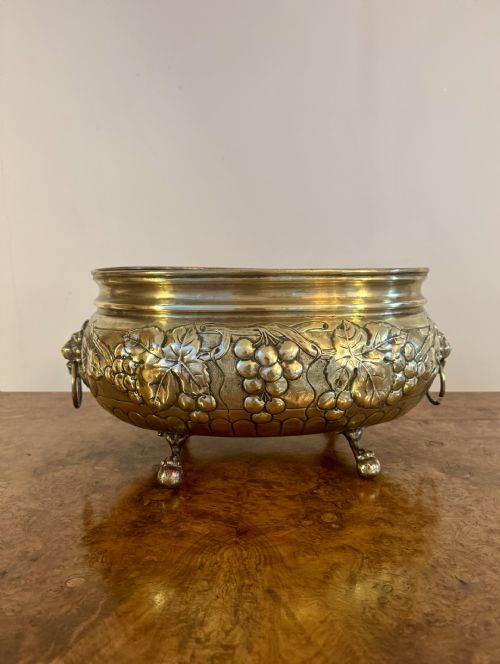
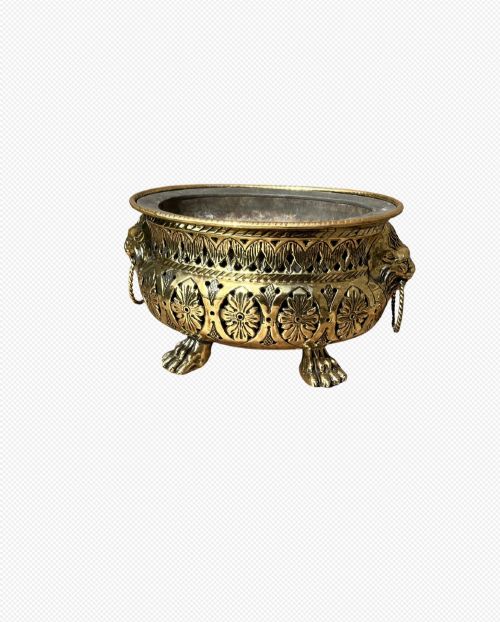
These Victorian lion mask jardiniere pieces are heavy metal and earthenware vessels built to hold large indoor plants.
Victorian Lion Mask Jardiniere
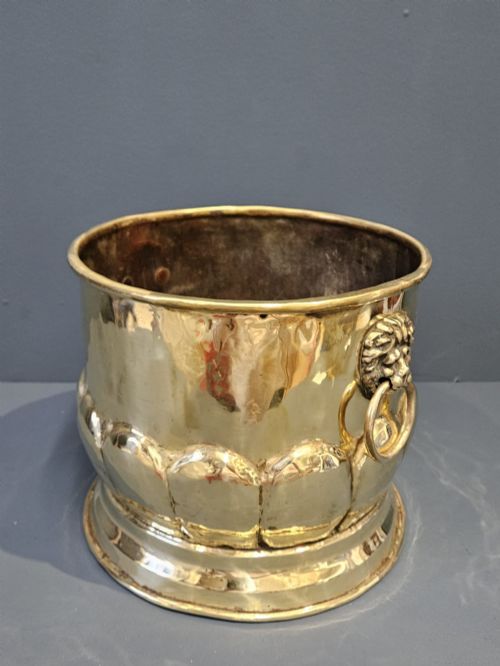
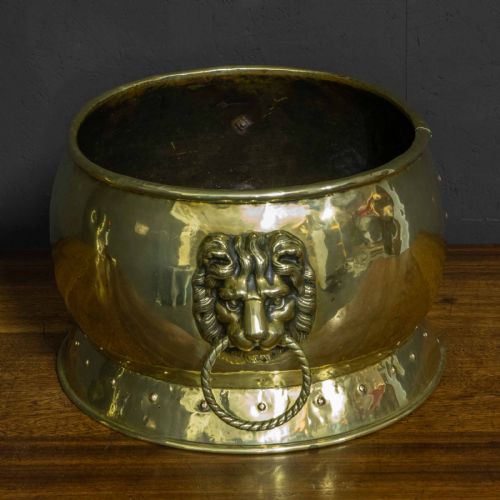
A Victorian lion mask jardiniere is a decorative plant vessel designed to sit inside a nineteenth-century room or conservatory. These items range from solid brass log bucket forms to glazed earthenware bodies.
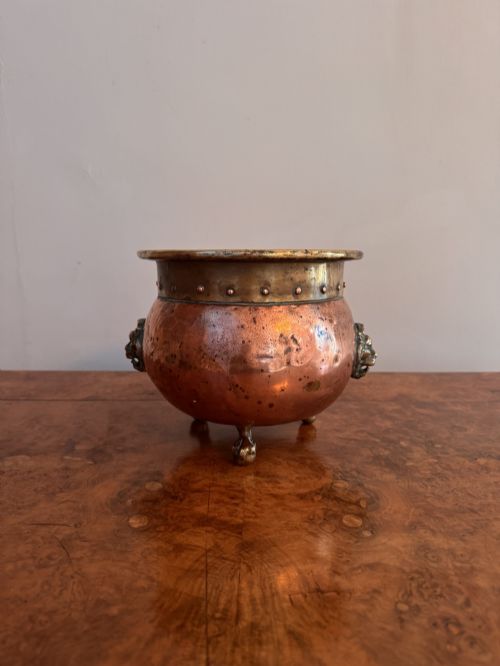
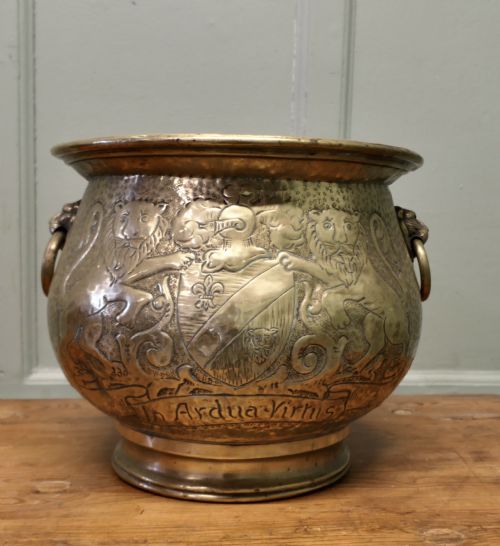
You are most likely to meet brass and copper examples featuring cast metal handles shaped like animal heads or roaring lions. The styles span plain Victorian utility work through to decorative Gothic Revival and Arts and Crafts iterations.
How they were made
Makers shaped sheet brass and copper using hand-hammering and repoussé techniques to build the cylindrical bodies of these planters. Pierced metalwork and applied cast brass handles were fastened securely to the main vessel.
Glazed earthenware bodies relied on moulded ceramic techniques finished with coloured lead glazes. Wrought iron and stone also appear in the record for heavier garden and conservatory stands.
Victorian Lion Mask Jardiniere Retail Price Guide 2026
Typical asking prices for victorian lion mask jardiniere among the pieces listed under this phrase on Sellingantiques today, from the lower quarter to the upper quarter. They describe what is for sale here now, not the wider market.
Listings for this phrase feature nineteenth-century materials including brass, copper, wrought iron, stone, silver plate and glazed earthenware.
What varies in quality
Quality rests in the weight of the metal and the crispness of the cast lion masks. Heavier brass and thick copper walls denote superior domestic vessels compared to thin, lightweight stamped metal.
The refinement of hand-repoussé work and the depth of the piercing separate standard factory output from finer decorative pieces.
Minton
The Victorian Lion Mask Jardiniere Glossary
- Repoussé
- A metalworking technique where the design is hammered into relief from the reverse side. This method creates decorative patterns on brass and copper planters.
- Majolica
- A type of earthenware covered with an opaque tin-glaze and painted with metallic oxide colours. It appears on English ceramic pieces from the nineteenth century.
- Jardiniere
- A large ornamental pot or stand intended for holding flowers or potted plants indoors. The term covers vessels made from metal, stone and glazed clay.
- Gothic Revival
- An architectural and decorative style drawing on medieval forms. It influences the heavy shields and structural motifs seen on nineteenth-century metalwork.
Victorian Lion Mask Jardiniere: Frequently Asked Questions
What is a jardiniere?
A jardiniere is a large decorative pot or vessel made to hold flowering plants or ferns inside the home. Nineteenth-century examples often sat in hallways, parlours or glass conservatories.
Unlike standard flower pots, these vessels were meant to be seen as furniture in their own right. They protected tabletops and floors from water while displaying large potted plants.
How were lion masks used?
Cast metal lion masks served primarily as structural handle mounts on the sides of heavy metal planters. Rings passed through the mouths of the lions to provide grip.
These fierce animal motifs were popular during the nineteenth century across Gothic Revival and classical revival designs. They added a sense of classical dignity to domestic metalwork.
Can these hold water directly?
Many nineteenth-century metal and earthenware vessels were built to hold potted plants within an internal liner rather than standing water directly. Over decades, moisture can affect old soldered seams and unsealed ceramics.
Using a modern plastic pot inside the antique container protects the historic interior from mineral deposits and rust. This practice preserves the metal and ceramic integrity for daily use.
What materials are common?
Brass and copper dominate the record for nineteenth-century plant vessels, often shaped by hand or stamped with decorative motifs. Wrought iron, stone and glazed earthenware also appear.
Different rooms called for different weights and finishes, from polished golden brass to deep brown copper and colourful ceramic majolica.