

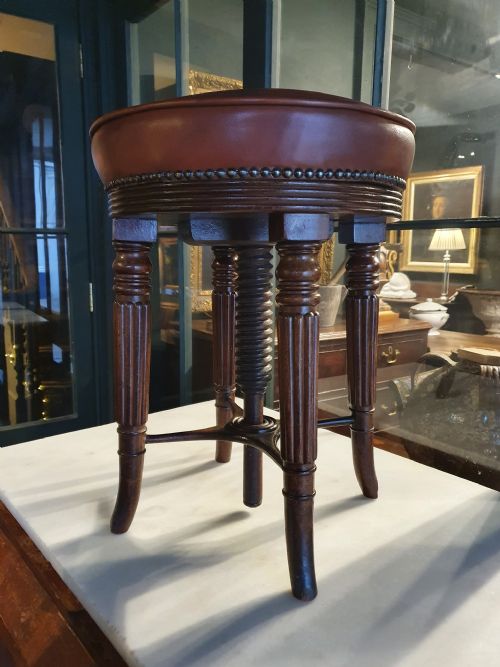
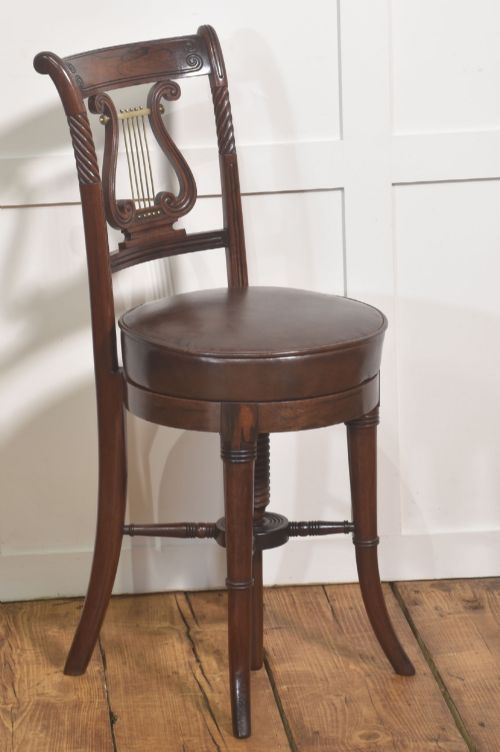


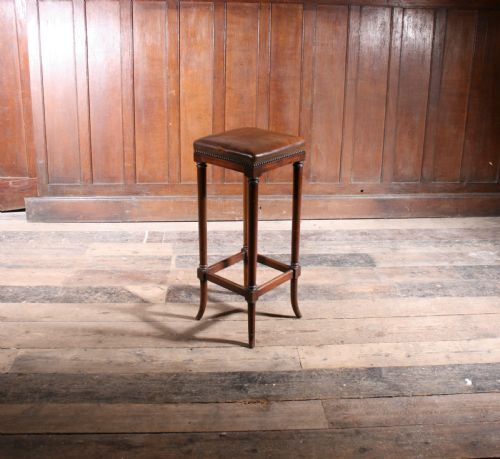


Victorian Leather Stool
When you search for a victorian leather stool, you find seating that combines solid timber frames with durable animal hides for daily utility and comfort.
Victorian Leather Stool
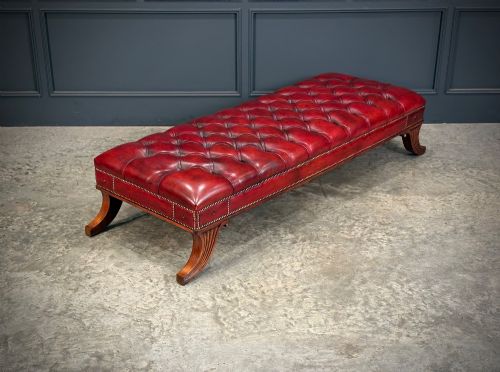
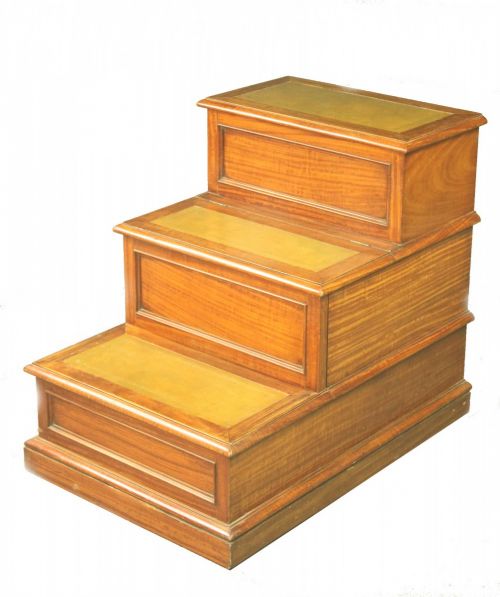
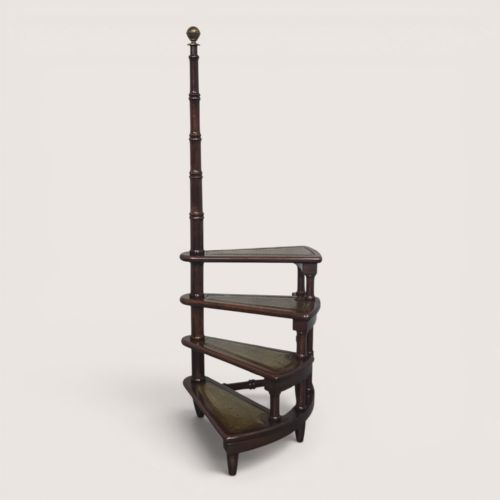
A victorian leather stool encompasses a wide range of seating forms, from low footstools and ottomans to piano stools and tall library variants. These pieces serve multiple domestic functions within a traditional interior scheme.
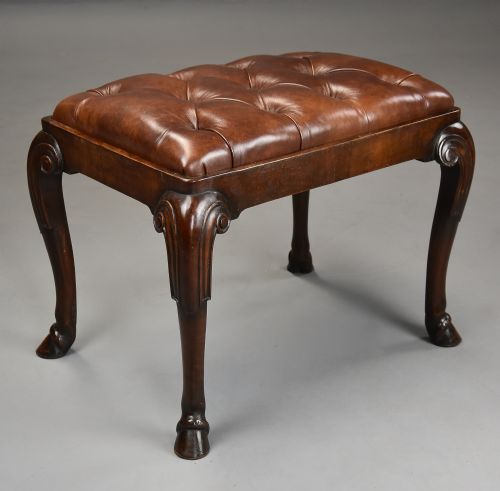
The most common examples encountered on this page feature walnut or mahogany frames paired with buttoned or plain leather upholstery. Such pieces reflect the heavy use of animal hides in nineteenth-century domestic settings.
Makers often adapted these seats for specific rooms, creating items that double as music chairs, gout stools, or dressing table seats. Their survival demonstrates the robust construction methods of the period.
Materials and Construction
Frames are built primarily from dense hardwoods such as walnut, mahogany, and oak, occasionally utilising rosewood, satinwood, or light oak for decorative effect. Turners and cabinet makers shaped these timbers into cabriole legs, spiral supports, and X-frame structures.
Upholsters applied hand-dyed leather, ox blood leather, and green leather over stuffing, often securing the hide with deep buttoning. Metal brass components, including adjustable screws and castors, allowed mechanical height variation in piano and library seating.
Victorian Leather Stool Retail Price Guide 2026
Typical asking prices for victorian leather stool among the pieces listed under this phrase on Sellingantiques today, from the lower quarter to the upper quarter. They describe what is for sale here now, not the wider market.
Listings span the nineteenth century into the 1930s, featuring woods like mahogany, walnut, oak, satinwood, and rosewood alongside leather and brass.
Assessing Quality and Craftsmanship
The calibre of a piece rests heavily on the selection of timber and the complexity of the frame carving, such as intricate cabriole legs or solid brass fittings. Finer items exhibit superior joinery and thoughtful proportions that balance the weight of the timber with the hide upholstery.
The treatment of the leather upholstery also defines the upper tier of pieces, particularly where hand-dyeing and careful buttoning create a tactile surface. Mechanical elements, such as revolving screws on piano stools, operate with smooth precision in higher quality examples.
Liberty·James Shoolbred
The Victorian Leather Stool Glossary
- Cabriole leg
- A furniture leg that curves outward and then tapers inward, mimicking an animal's limb. This shape appears frequently on walnut and mahogany seating from the period.
- Buttoning
- An upholstery technique where twine pulls the leather tight into sunken folds secured by buttons. It creates a padded, textured surface on ottomans and footstools.
- Metamorphic
- Furniture designed to transform from one form into another, such as library steps that fold into a chair. These pieces utilise clever hinges and pivots.
- X-frame
- A structural base formed by two intersecting members shaped like the letter X. This design provides sturdy cross-bracing for low stools.
- Gout stool
- An adjustable footrest designed to elevate a foot afflicted by pain. They feature pivoting platforms upholstered in leather.
Victorian Leather Stool: Frequently Asked Questions
What were leather stools used for?
These pieces served practical roles around the home, functioning as footrests for tired legs or seats at dressing tables and pianos. Tall variants assisted readers reaching high shelves in libraries.
Many examples also doubled as storage boxes or window seats, offering sturdy seating combined with enclosed space for household items.
How do I live with a leather stool?
A leather stool fits easily into modern living spaces as a coffee table substitute or an extra seat by a fireplace. The robust hide handles everyday domestic use while adding texture to a room.
Positioning the stool away from direct sunlight protects the leather from drying out over time. Regular conditioning keeps the hide supple and maintains its natural sheen.
How do I tell periods apart?
Earlier pieces from the mid-nineteenth century often display heavy mahogany frames with simple turned legs or robust buttoning. Later Victorian and Edwardian examples frequently introduce walnut timbers, cabriole legs, and revival styles.
Examining the turning techniques and secondary woods helps place a piece within the broader nineteenth-century timeline.
What is a metamorphic stool?
A metamorphic stool is a dual-purpose piece that transforms from a low seat into a set of library steps. Mechanics involving wooden pivots and brass hinges allow the transition.
These clever items allowed Victorians to maximise space in studies and libraries without sacrificing comfortable seating.