
Victorian Kitchen Cupboard
When searching for a victorian kitchen cupboard, one encounters practical storage furniture from the nineteenth century built for domestic utility.
Victorian Kitchen Cupboard
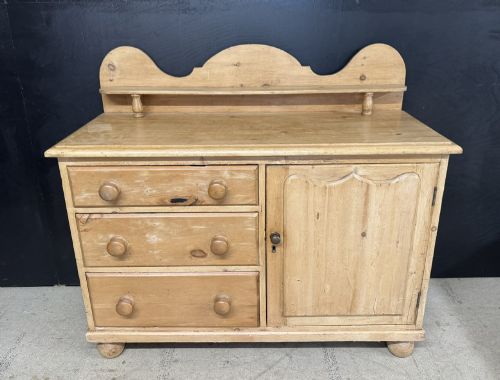
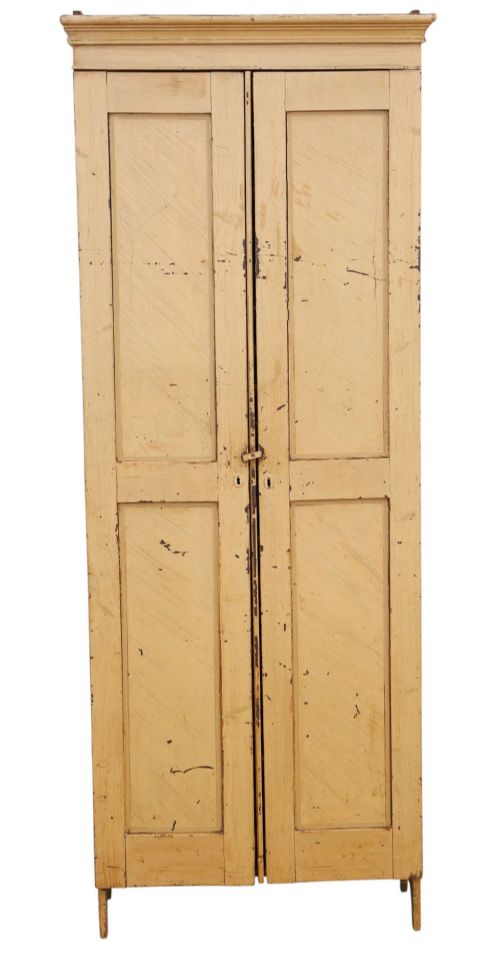
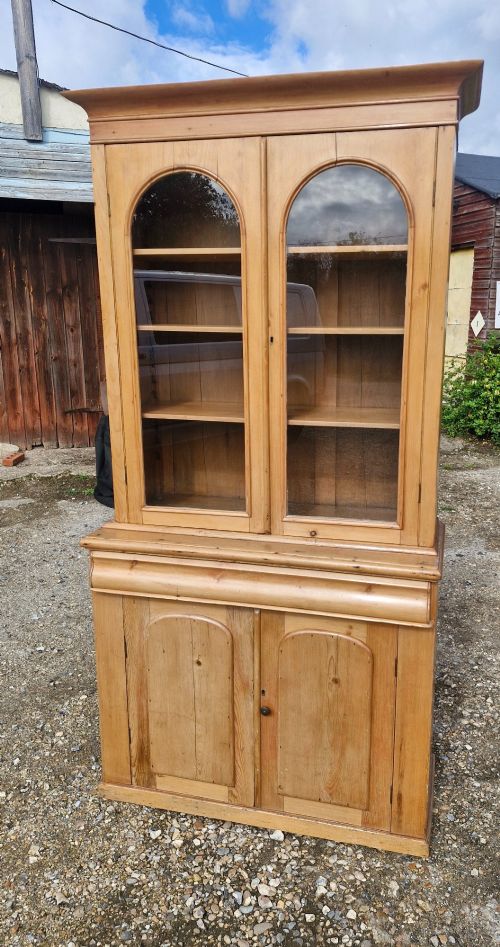
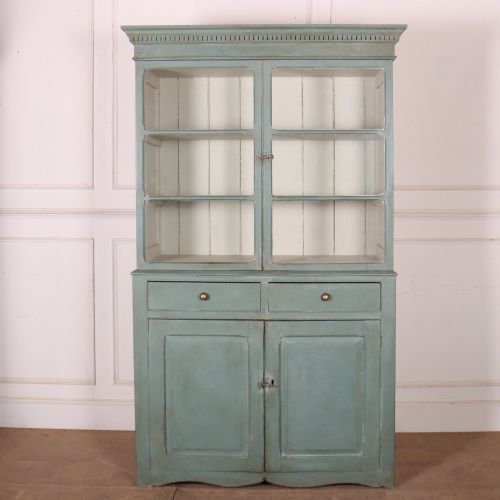
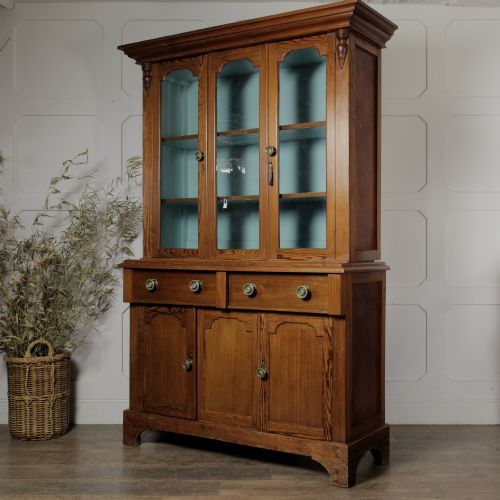
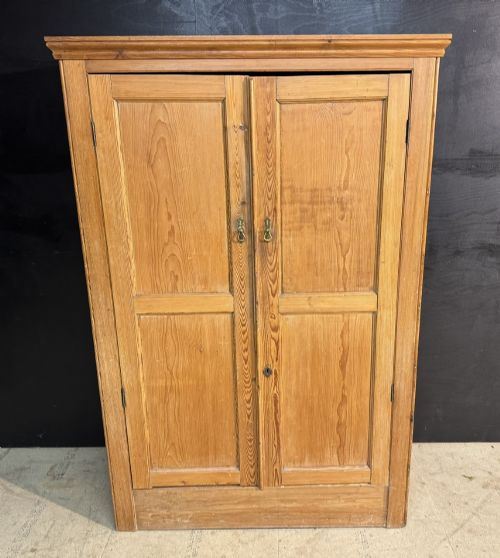
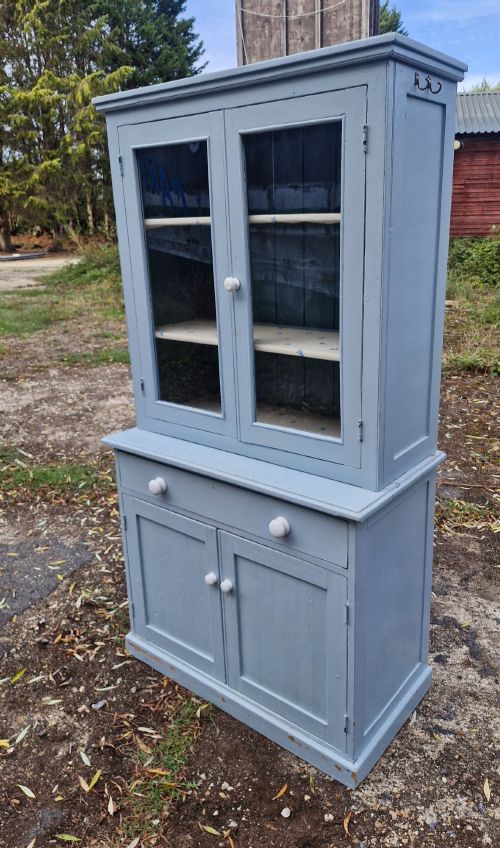
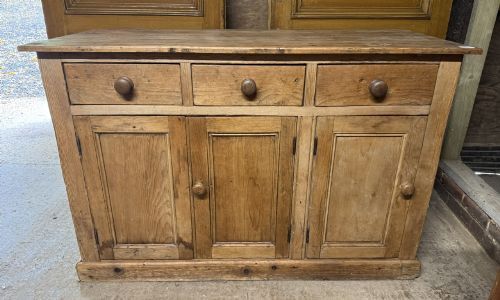
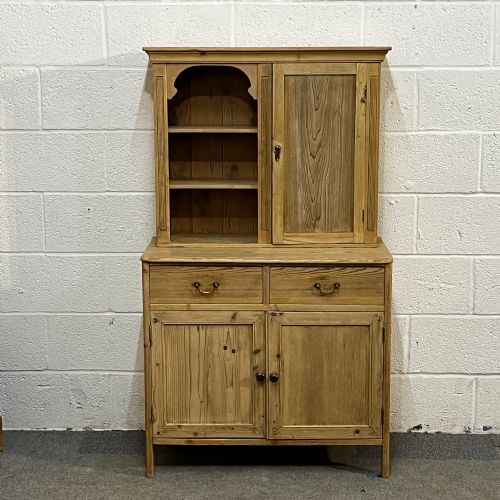
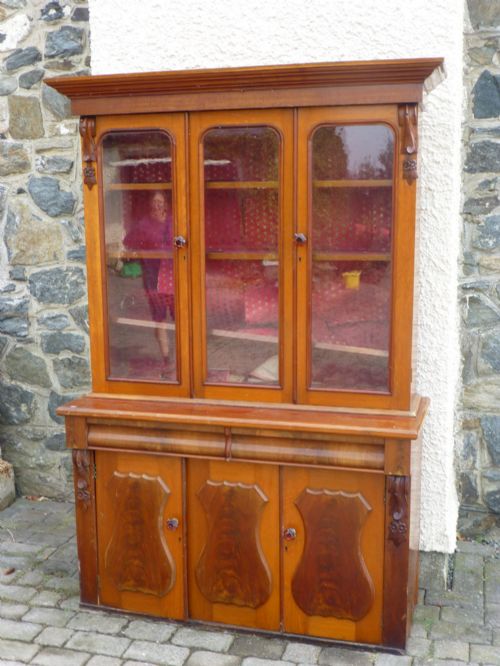
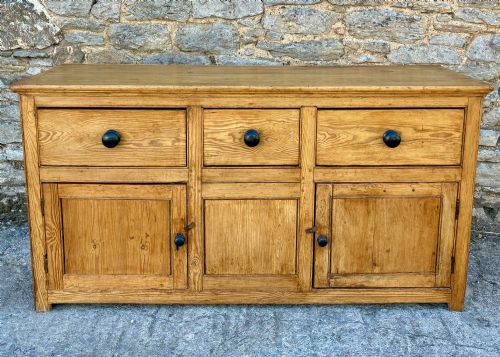
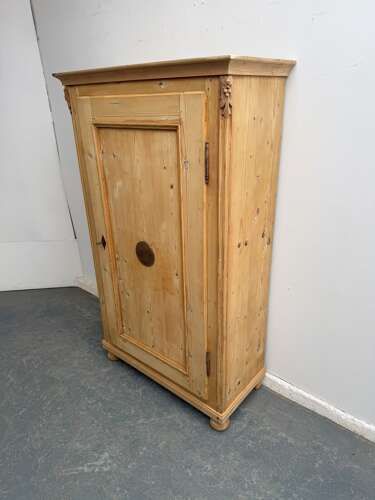
A victorian kitchen cupboard encompasses practical nineteenth-century storage furniture built for domestic use, ranging from simple single-door pantries to large housekeeper variants. These utilitarian pieces originate primarily from domestic farmhouse and country settings across England, Scotland, and Wales.
Materials and Construction
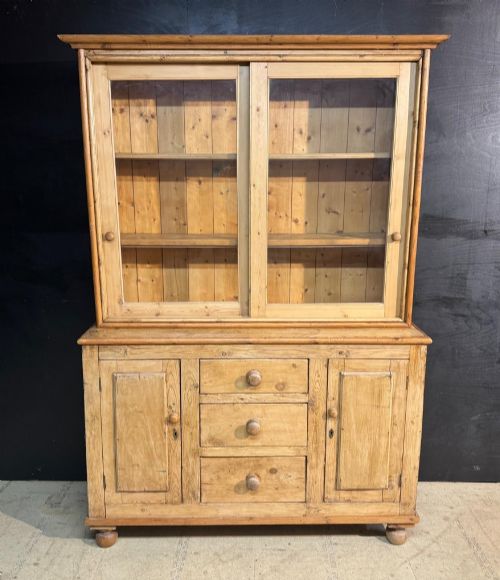
Makers relied heavily on softwoods and hardwoods like pine, oak, and pitch pine, supplemented by glass panels, iron hinges, and brass fittings. Surfaces often retain original layers of paint, scumble finishes, or waxed treatments developed through decades of domestic service.
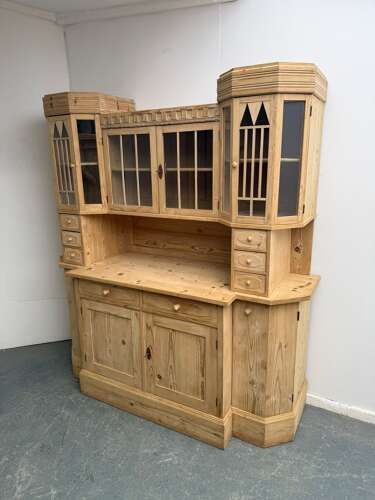
Joinery techniques prioritised sturdy daily use, employing tongue-and-groove planking, pegged joints, and dovetailed drawers. Glazed upper sections featured delicate wooden framing to display contents safely while keeping provisions ventilated.
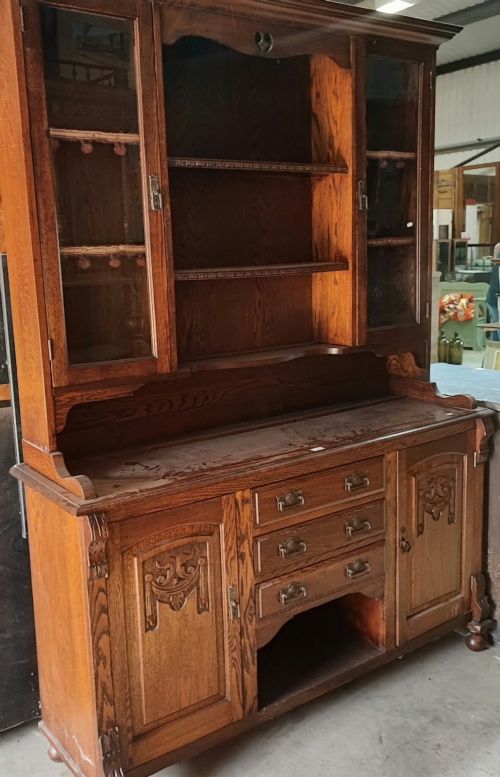
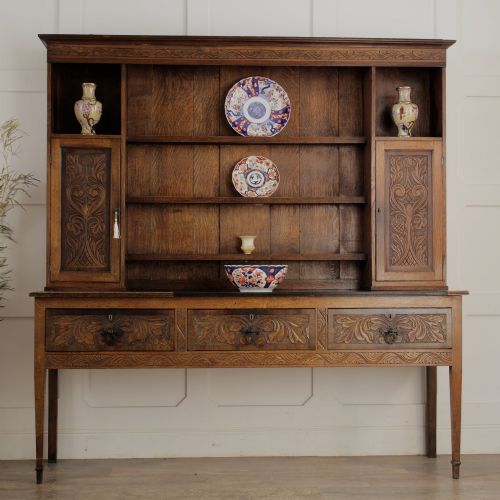
Green man carvings peer unexpectedly from late Victorian oak woodwork.
Distinctions in Manufacture
Quality rests in the integrity of the timber selection and the retention of original surface treatments, such as early paint or scumble effects, rather than decorative excess. Superior examples maintain uncompromised structural proportions, such as narrow footprints or well-balanced multi-door configurations.
Finer pieces demonstrate thoughtful regional detailing, including carved accents, shaped cornices, or original brass hardware that has survived centuries of functional service in the kitchen.
The Victorian Kitchen Cupboard Glossary
- Housekeeper's cupboard
- A large tall storage unit traditionally used for linen or provisions in domestic service.
- Scumble
- A decorative paint technique applied over a base coat to simulate the grain of more expensive hardwoods.
- Dresser base
- The lower sideboard portion of a kitchen dresser, often fitted with drawers and cupboards beneath a work surface.
- Cornish dresser
- A regional furniture form distinguished by specific proportions and local cabinet-making traits found in southwest England.
- Larder cupboard
- A ventilated storage cabinet designed specifically for keeping food cool and fresh before refrigeration.
Victorian Kitchen Cupboard: Frequently Asked Questions
What is a housekeeper's cupboard?
A housekeeper's cupboard is a tall, substantial storage piece historically kept in large homes to store household linens, dry goods, or china. These units often feature deep cupboards and banks of drawers designed for heavy domestic utility.
In modern homes, they function well as standalone pantries or wardrobe storage, offering deep shelving enclosed by sturdy wooden doors.
How do I care for waxed pine?
Waxed pine surfaces benefit from occasional applications of natural beeswax to nourish the timber and maintain a soft sheen. Avoid placing these pieces near direct heat sources or in damp environments to prevent the wood from warping.
Regular dusting with a dry cloth keeps the finish intact without stripping the accumulated character of the wood.
Were these cupboards always painted?
Many utility cupboards received coats of paint or scumble finishes for hygiene and protection during the nineteenth century. Stripped pine finishes seen today often result from later restoration work exposing the raw softwood underneath.
Original painted surfaces remain valued for showing the authentic decorative history of the piece.
How do I distinguish regional styles?
Regional pieces often display distinct characteristics, such as the oak and mahogany combinations found in Welsh dressers or the specific proportions typical of Scottish cabinets. Local timber availability and cabinet-making traditions dictated these subtle variations in form.
Examining the secondary woods inside drawers and backing boards helps identify where a piece was constructed.