

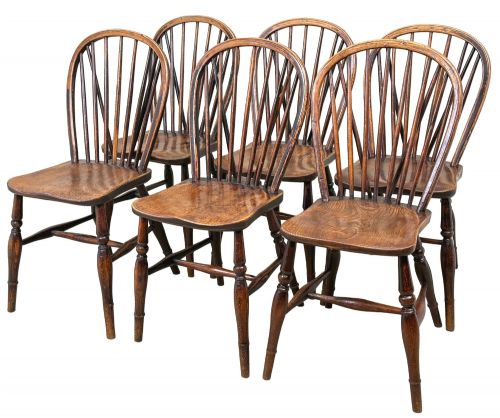


Victorian Hoop Back Chair
When hunting for a victorian hoop back chair, you meet substantial country seating shaped by steam and hand tools.
Victorian Hoop Back Chair
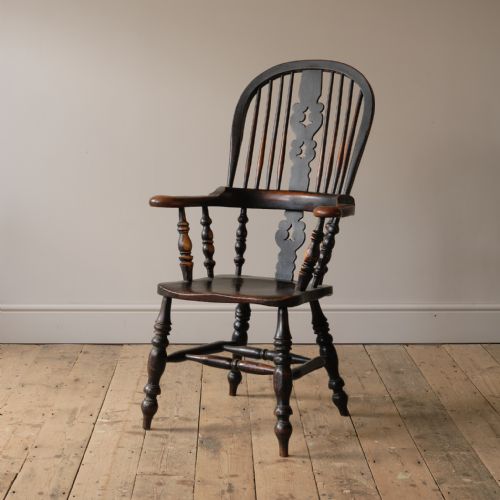
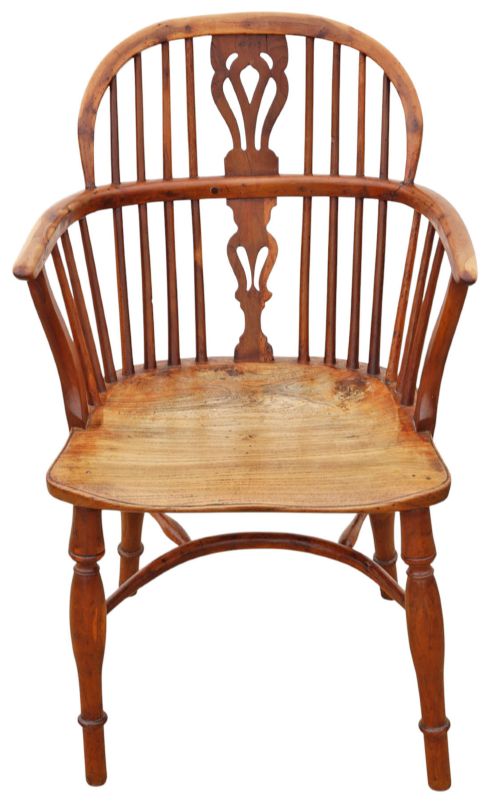
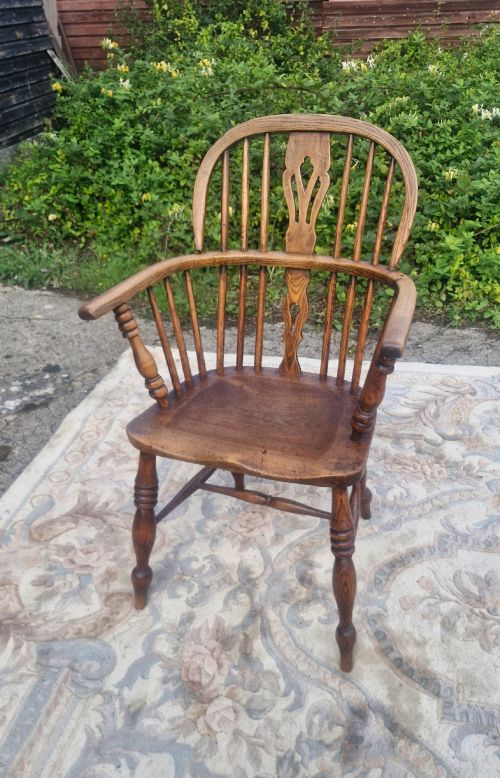
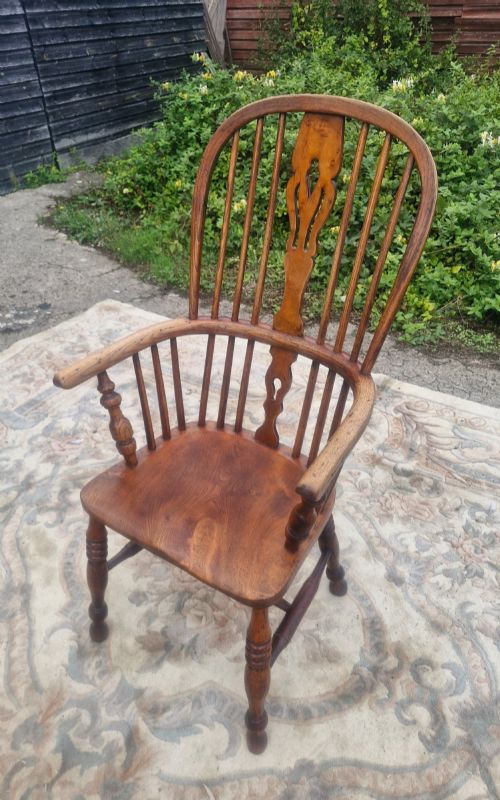
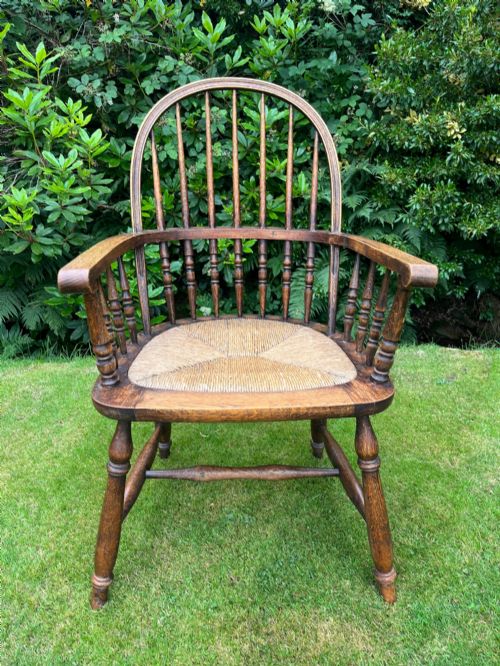
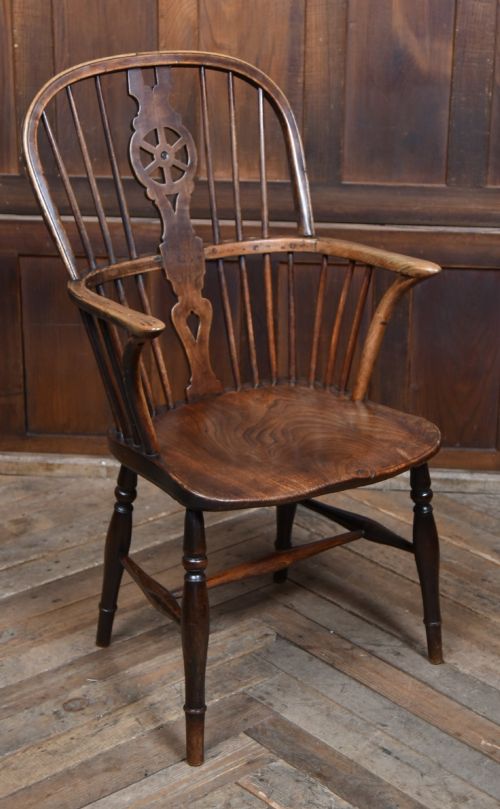
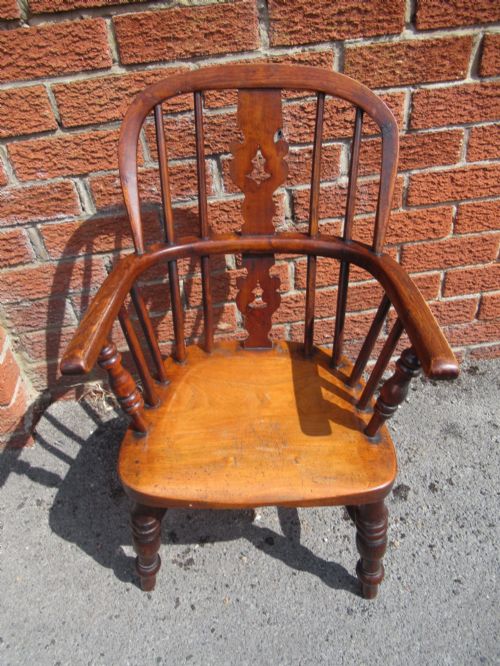
A victorian hoop back chair brings solid vernacular form into domestic spaces, appearing primarily as high-back or low-back armchairs and kitchen dining sets. The search covers sturdy seating originating across the nineteenth century, reflecting regional English country traditions.
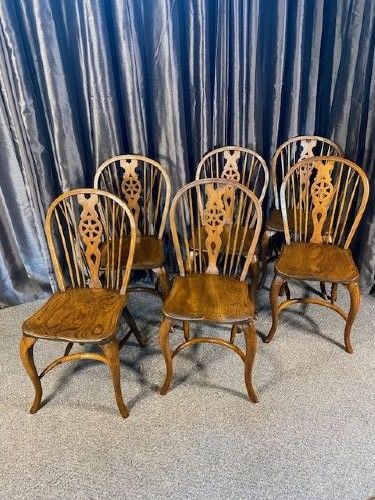
Most examples combine sturdy wood species with characteristic bentwood bows, serving multiple household roles from kitchen duties to fireside repose. Buyers encounter single pieces, pairs, and matched sets ranging from modest farmhouse seating to broad arm proportions.
Materials and construction
Maker practices relied on combining contrasting timbers for structural strength and visual depth, pairing elm seats with ash, beech, or yew for spindles and bows. Elm provided a tough, interlocking grain for the carved seat saddle that resisted splitting under daily use.
Green woodworking techniques allowed craftsmen to steam-bend straight timber billets into continuous curved hoops, securing them directly into the heavy wooden seat base with wedged tenons.
Listings feature ash, elm, yew, beech, and oak across nineteenth-century periods.
Distinctions in standard
Quality rests on the selection of timber and the harmony of proportion, where figured yew wood or generous broad arms elevate simple utility into accomplished cabinet work. Well-defined turnings on legs and stretchers display the maker's precision against purely functional production.
Structural integrity depends on the tightness of original joints and the preservation of the sculpted seat depth, whereas heavy replacement parts diminish the historical continuity of the piece.
J SPENCER
The Victorian Hoop Back Chair Glossary
- Hoop back
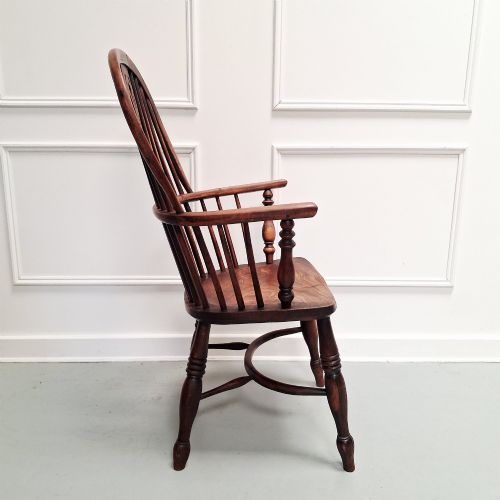
- A continuous bentwood bow forming the upper backrest and arm support of the chair. This steam-bent member defines the characteristic rounded silhouette.
- Carver
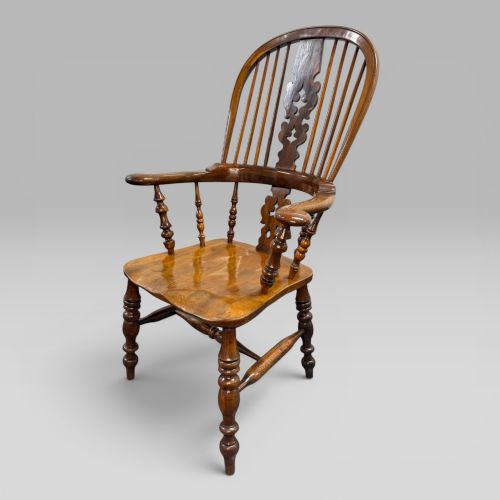
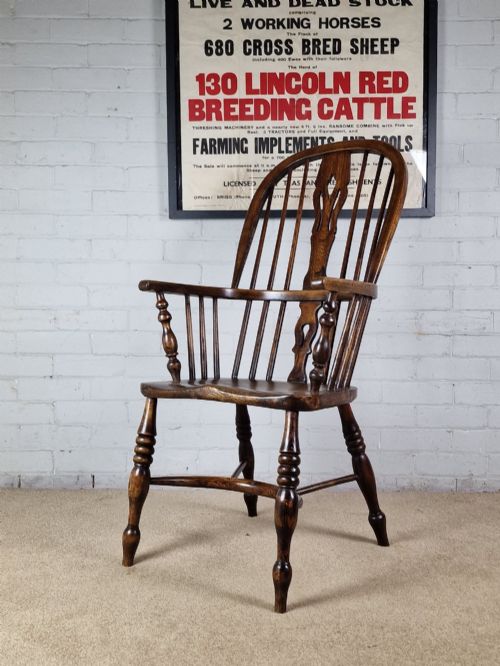
- An armchair version designed with elbow rests, often used at the head of a dining table. These substantial pieces complement sets of smaller side chairs.
- Crinoline stretcher
- An arched underframe connecting the legs of a Windsor chair to provide lateral stability. It curves outward beneath the seat like a hooped petticoat.
- Wheelback
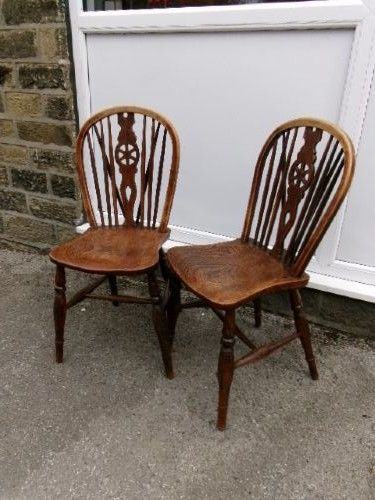
- A chair back design incorporating a pierced wooden disc resembling a wheel spoke arrangement. This decorative motif appears frequently on nineteenth-century kitchen seating.
Victorian Hoop Back Chair: Frequently Asked Questions
How were Windsor chairs constructed?
The construction method involves boring legs and back spindles directly into a solid carved wooden seat block.
Green wood components locked together tightly as the timber dried and seasoned over time.
Where were these chairs used?
Households placed them around farmhouse dining tables, in kitchens, and beside firesides for everyday use.
Their practical design suited heavy domestic environments across the nineteenth century.
How do I identify a Victorian period piece?
Examination of tool marks, timber ageing, and construction wear reveals the historical manufacturing methods.
Nineteenth-century examples combine hand-carved saddle seats with steam-bent framework.