


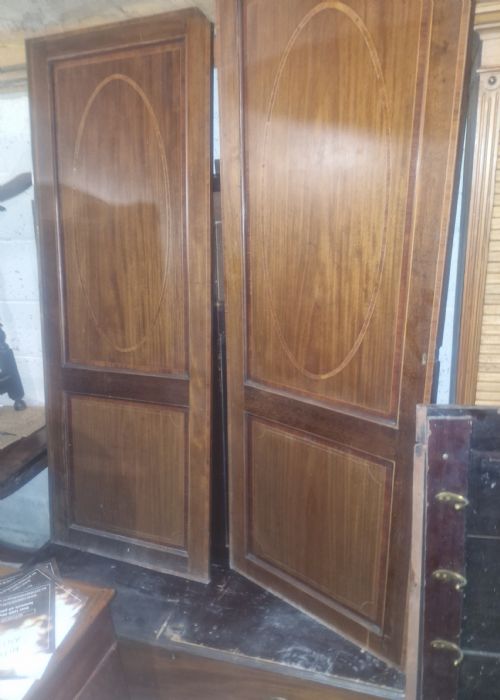


Victorian Hanging Cupboard
A victorian hanging cupboard provides practical wall storage with period character, saving floor space while displaying timber grain.
What they are
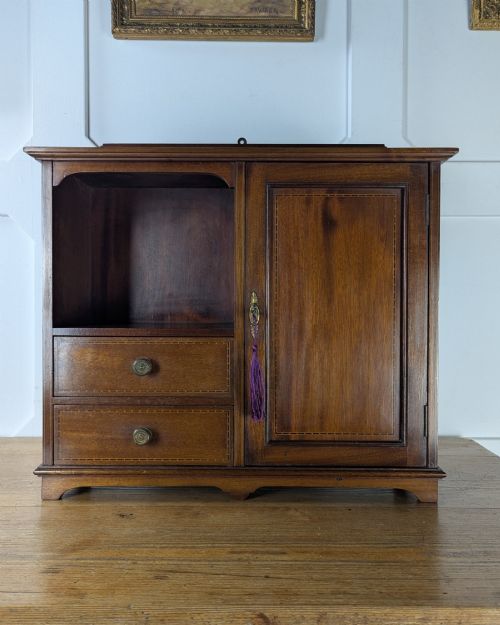
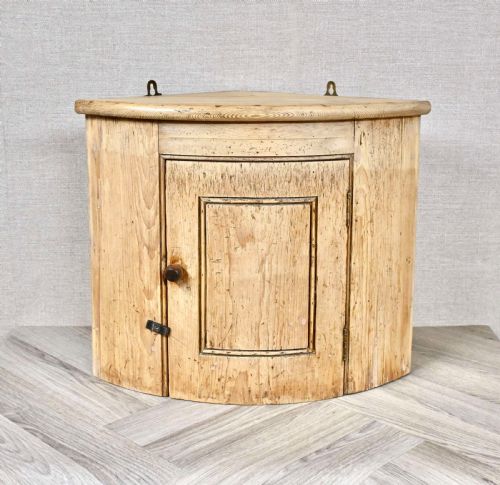
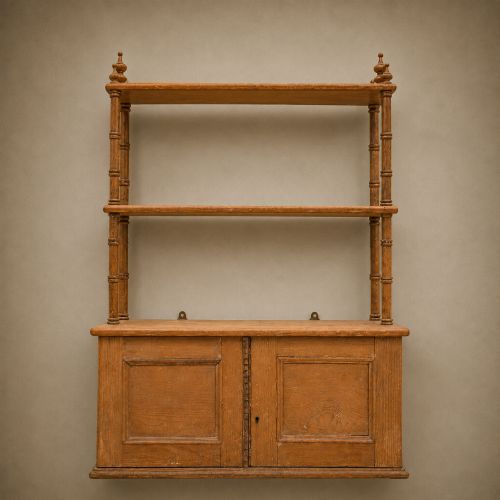
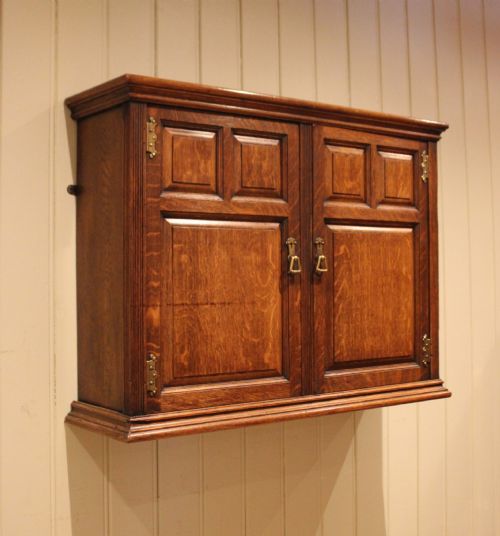
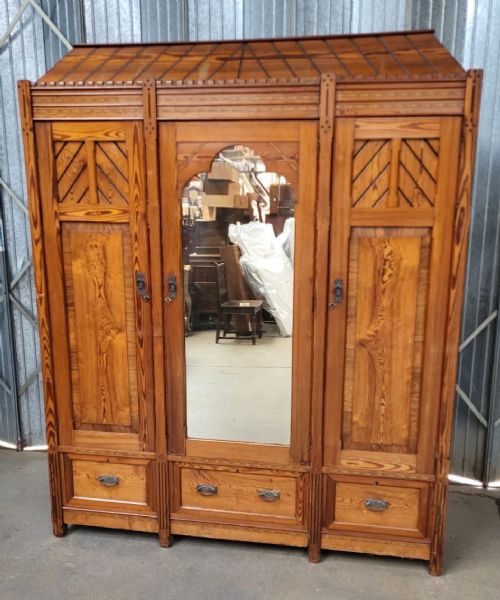
A victorian hanging cupboard is a wall-mounted storage piece designed to keep rooms tidy without consuming valuable floor space. The selection spans compact corner units, single-door wardrobes, and flat wall cabinets suited to various domestic settings.
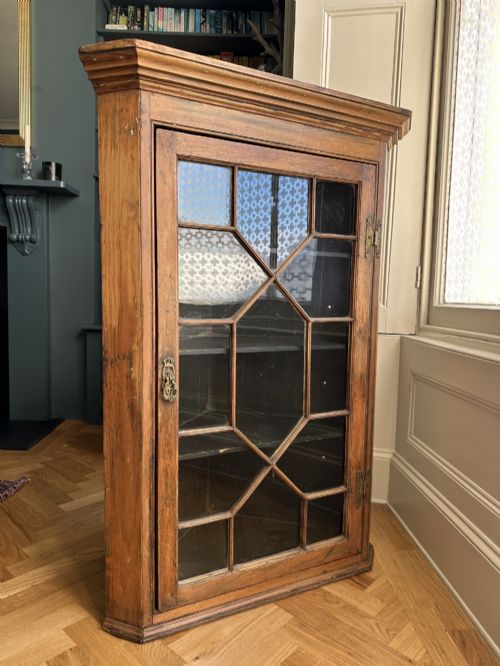
Pine and mahogany dominate the available forms, alongside walnut, oak, ash, and rosewood. Makers configured these wall pieces as corner cupboards, linen presses, chemists' cabinets, and glazed display units.
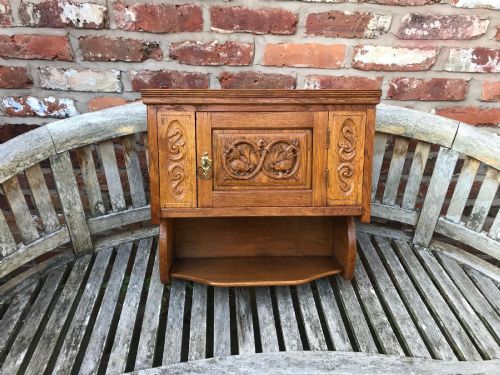
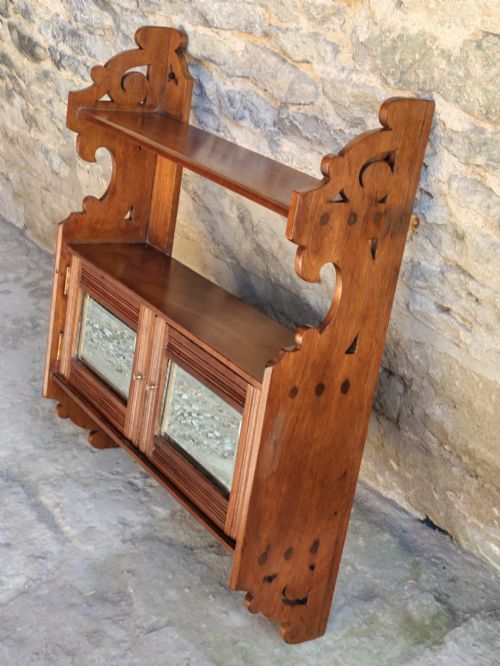
The aesthetic reaches from plain utilitarian pine to decorative Aesthetic Movement designs and Gothic Revival carvings. Buyers encounter both simple domestic cupboards and glazed cabinets intended to showcase collections.
How they were made
Cabinet makers utilised solid timbers such as mahogany, pine, oak, walnut, and ash, frequently applying flame mahogany veneer or intricate inlay. Brass hardware, including hinges and escutcheons, provides structural support and closure.
Construction methods involve hand-carved details, raised panels, and fitted shelves or hanging rails. Glazed doors incorporate glass panes, while specific variants feature stained glass or hand-painted surfaces.
Retail Price Guide 2026
Typical UK retail prices for victorian hanging cupboard, calculated from the Sellingantiques database of over a million retail prices indexed since 2003. This retail price guide relies exclusively on Sellingantiques data; no external sources or auction records are used, so the figures do not describe the wider market.
Listings feature woods like pine, mahogany, walnut, oak, ash, and rosewood, alongside brass and glass elements.
What varies in quality
Timber selection dictates the distinction between standard utilitarian pine and highly figured flame mahogany or walnut. The depth of hand-carving and the precision of inlaid details separate basic production from accomplished craftsmanship.
Original brass fittings, intact glass panes, and sound structural joinery indicate superior manufacture. The integration of complex forms like bowfronts or Gothic Revival elements also defines the finer examples.
The Victorian Hanging Cupboard Glossary
- Hanging cupboard
- A wall-mounted storage unit enclosed by doors. These pieces secure directly to walls to utilise vertical space.
- Corner cupboard
- A triangular storage cabinet engineered to fit snugly into room angles. They maximise otherwise unused spatial junctures.
- Aesthetic Movement
- A late nineteenth-century design style emphasising visual beauty over narrative content. Anglo-Japanese influences frequently appear in these walnut pieces.
- Flame mahogany veneer
- A thin slice of wood cut from where branches join the trunk, displaying a fiery, rippling grain pattern. Cabinet makers applied this to elevate the visual impact of mahogany surfaces.
- Gothic Revival
- An architectural and decorative style drawing on medieval forms. Carved tracery and pointed arches typify this aesthetic.
Frequently Asked Questions
How do I hang a heavy cupboard?
Secure the piece directly into wall studs using appropriate heavy-duty fixings. Distribute weight evenly across the internal shelves once mounted.
Verify that the backboards and hanging brackets remain structurally sound before loading the interior with heavy items.
Were these used in kitchens?
Many pine and oak variants served in kitchens or pantries for food and utensil storage. Others functioned as medicine cabinets or linen presses.
Chemists' cabinets and collectors' cupboards offered specialised compartments for small containers and specimens.
How do I identify a corner cupboard?
Corner cupboards feature angled sides designed to fit precisely into room corners. Their doors open outward from a triangular footprint.
This specific geometry distinguishes them from flat wall cabinets intended for straight wall surfaces.
What is the difference between pine and mahogany?
Pine offers a softer, lighter timber often associated with utilitarian or country domestic use. Mahogany provides a dense, darker hardwood favoured for formal reception rooms.
Mahogany examples frequently incorporate finer veneers and decorative carving compared to pine equivalents.
Can these hold heavy clothing?
Single-door wardrobes and pieces equipped with internal hanging rails accommodate garments. Check the depth of the cabinet to ensure hangers fit without crushing.
Lighter items hang safely, while bulkier coats may require deeper wardrobe variants.