
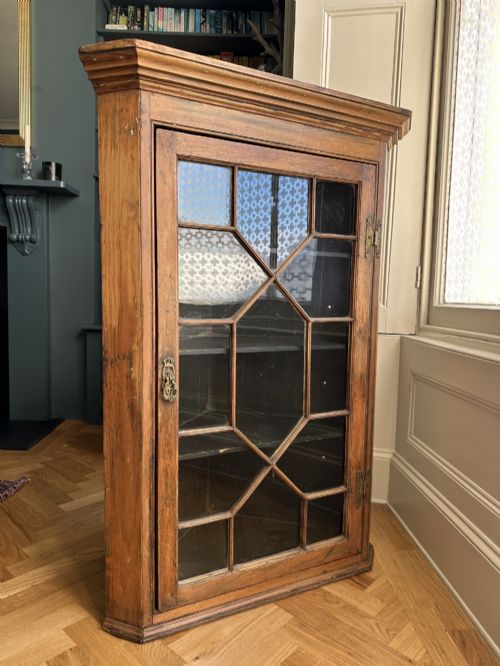

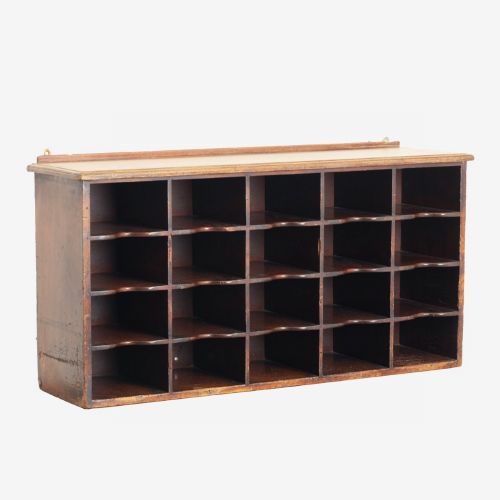


Victorian Hanging Cabinet
A victorian hanging cabinet frees floor space while displaying cherished objects at eye level.
Victorian Hanging Cabinet
A victorian hanging cabinet satisfies the demand for compact wall storage, emerging in various domestic formats across the nineteenth century.
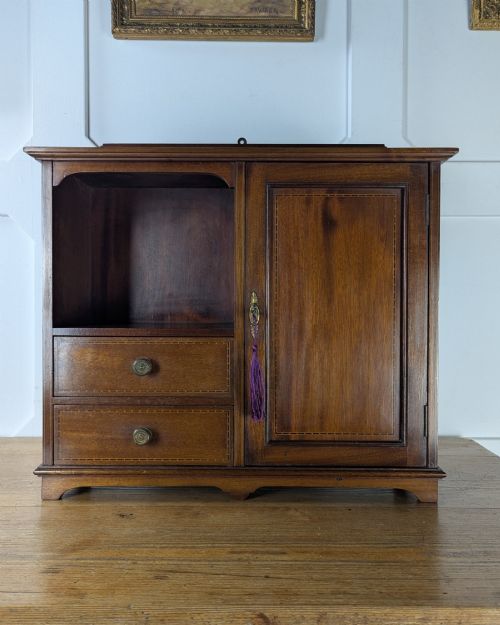
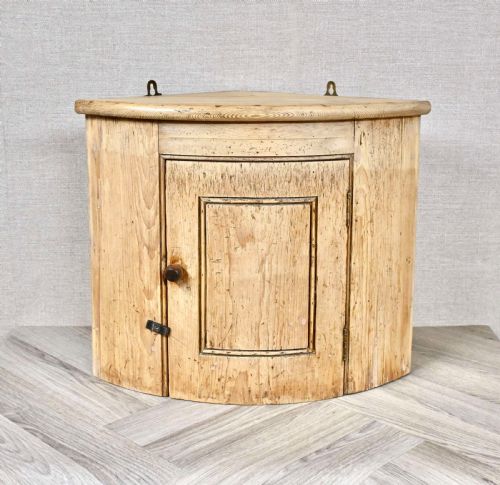
The buyer encounters straightforward pine corner cupboards, mahogany display cabinets, and walnut wall units designed to hold everything from pharmacy bottles to kitchen spices.
These pieces reflect the domestic priorities of the period, offering enclosed shelving and glazed doors to protect contents from soot and dust.
Materials and Construction
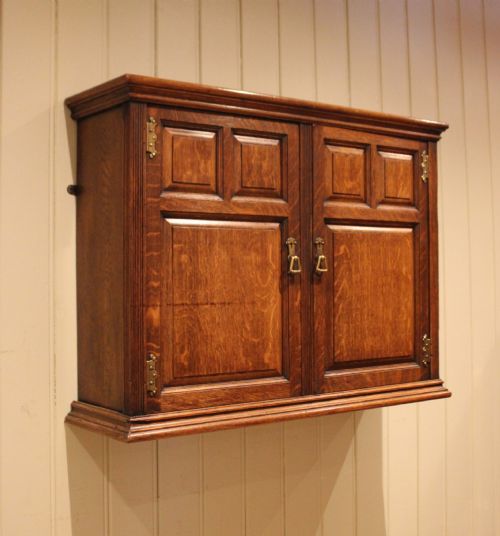
Cabinet makers utilised dense hardwoods such as mahogany and walnut alongside structural pine and oak, often adding brass hinges and glass panels.
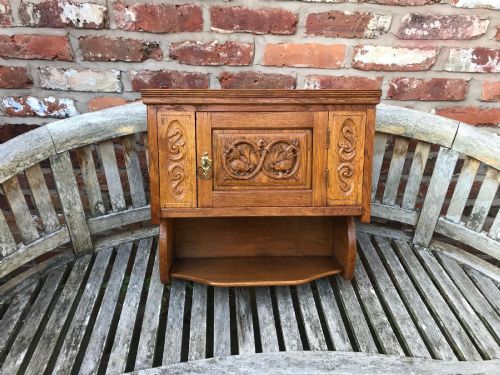
Joinery techniques ranged from dovetail drawers to carved door panels and applied veneers, reflecting the diverse stylistic influences of the era.
The listings demonstrate a heavy reliance on native oak and pine alongside imported mahogany and walnut.
Assessing Standard
The distinction between standard and superior pieces rests upon the precision of the cabinetwork and the selection of timber.
Original brass hardware, intact glazed doors, and sophisticated details like fine inlay elevate certain examples above utility items made for simple service.
George Edmund Street·William Yale·John Moyr Smith
The Victorian Hanging Cabinet Glossary
- Aesthetic Movement
- A late nineteenth century design style emphasising simplicity, Japanese influence, and ebonised or walnut surfaces.
- Bow Front
- A convex curved cabinet front that projects outward from the corners, common in mahogany and pine pieces.
- Compactum
- A multi-functional wardrobe or large storage cabinet combining hanging space with drawers and shelves.
- Glazed Door
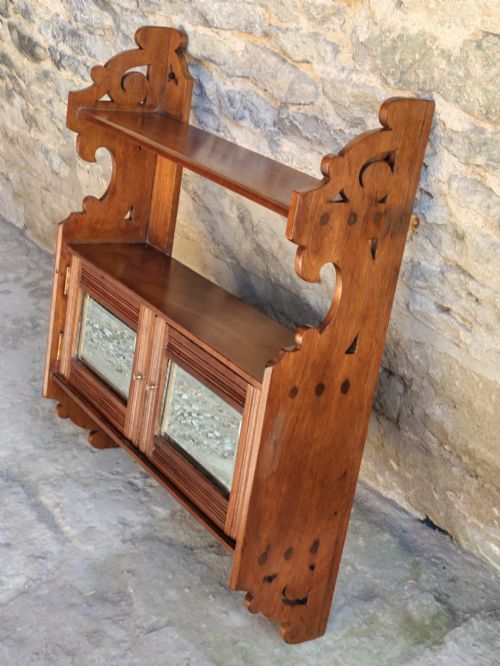
- A door fitted with glass panes to allow the contents of the cabinet to remain visible while protected.
- Whatnot
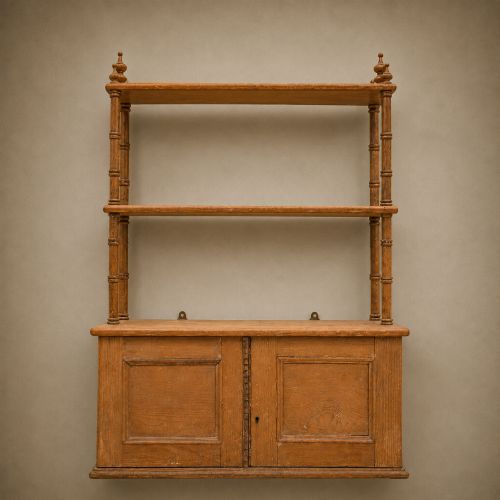
- An open set of tiered wall or floor shelves designed for displaying ornaments and small possessions.
Victorian Hanging Cabinet: Frequently Asked Questions
How were these cabinets originally mounted to walls?
These cabinets typically rely on sturdy brass mounting brackets or strong internal screw points fixed directly through the backboards into wall studs.
Given their weight, particularly when filled with books or ceramics, secure wall attachment remains essential for safe display.
What rooms suit a hanging wall cabinet best?
Bathrooms, kitchens, and hallways suit these compact storage units well, as they utilise vertical wall space without crowding the floor.
Display models find natural placement in living spaces to showcase collections behind glass doors.
How do I distinguish Gothic Revival from Aesthetic styles?
Gothic Revival pieces display heavy oak construction, pointed arches, and deep carved motifs reminiscent of medieval architecture.
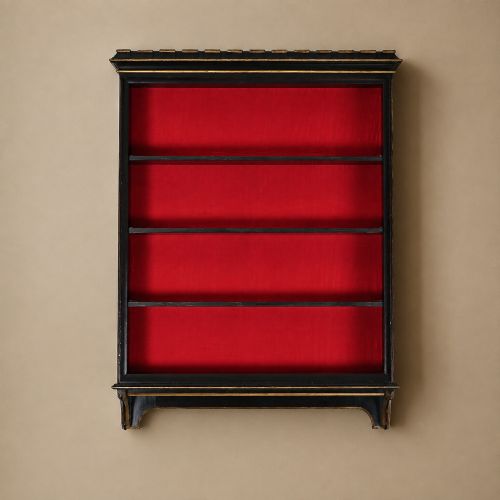
By contrast, Aesthetic style cabinets favour ebonised wood, clean lines, and subtle ornamentation inspired by Japanese design.
Are painted finishes on pine cabinets original?
Original painted surfaces survive on specific nineteenth century pine cupboards, showing natural wear and authentic patination over time.
Many other pieces received later coats of paint or were stripped down to bare wood during twentieth century restoration trends.