
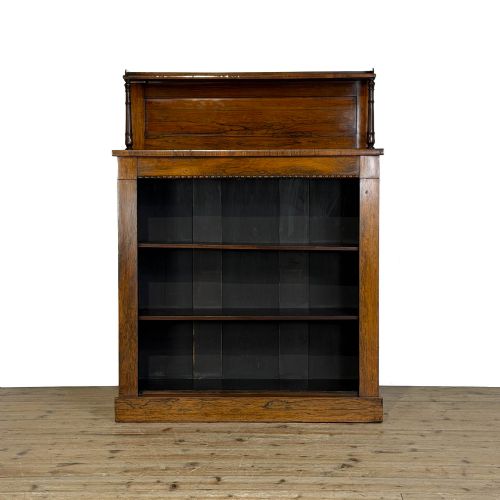
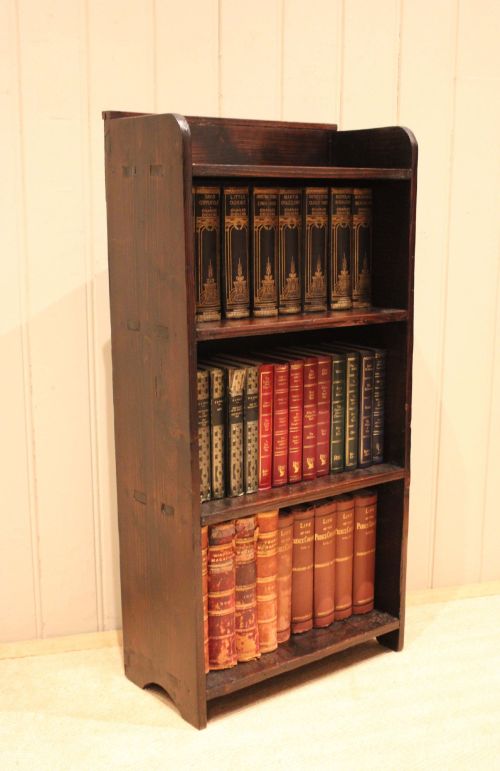
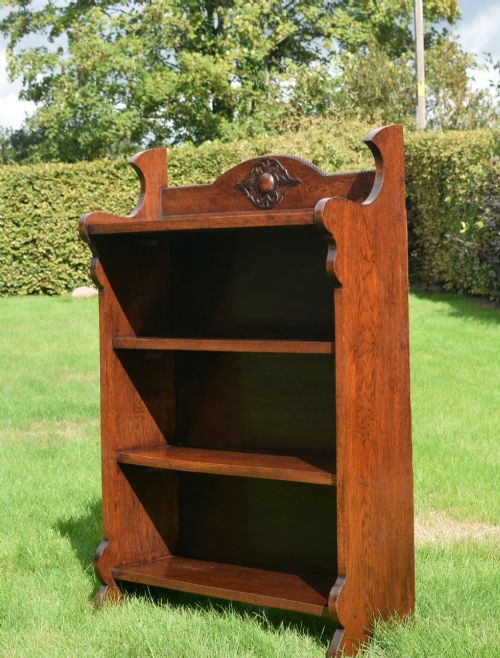
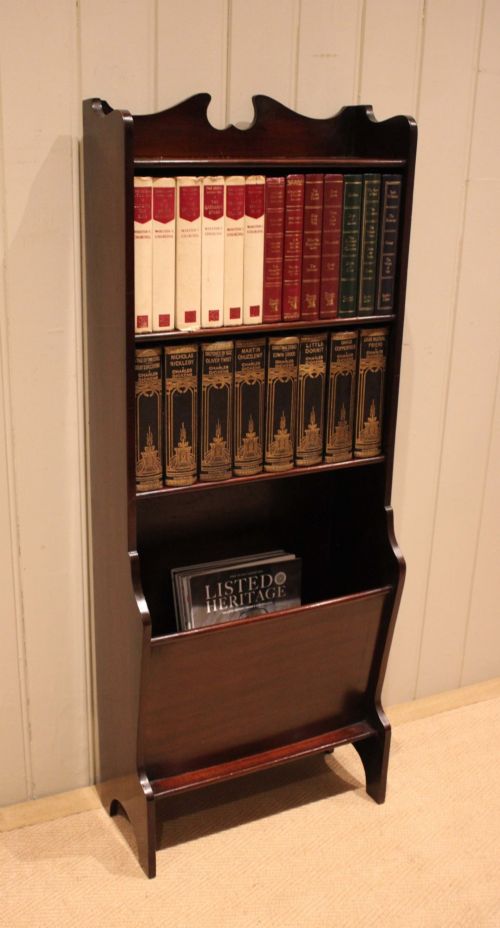
Dark Wood Shelf Unit
A dark wood shelf unit brings warmth and architectural order to a room, holding everything from heavy volumes to small treasures.
Dark Wood Shelf Unit
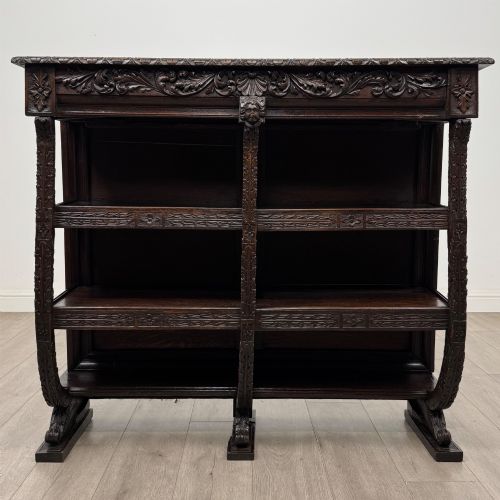
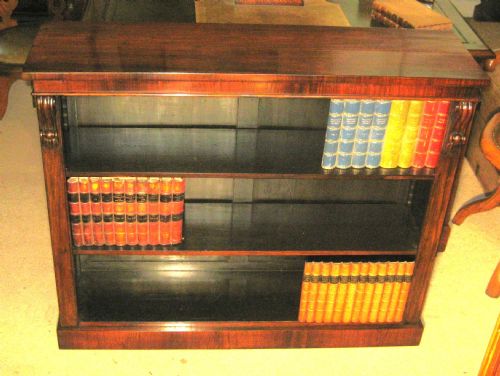
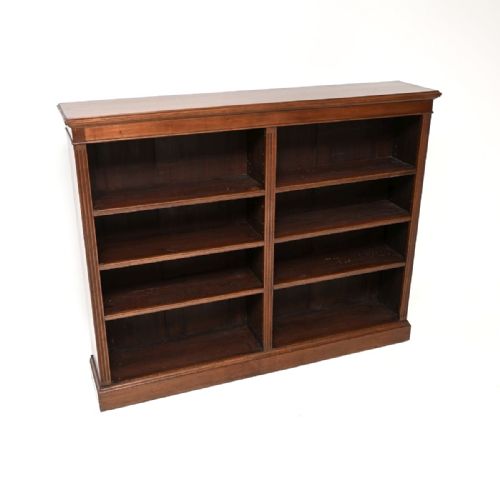
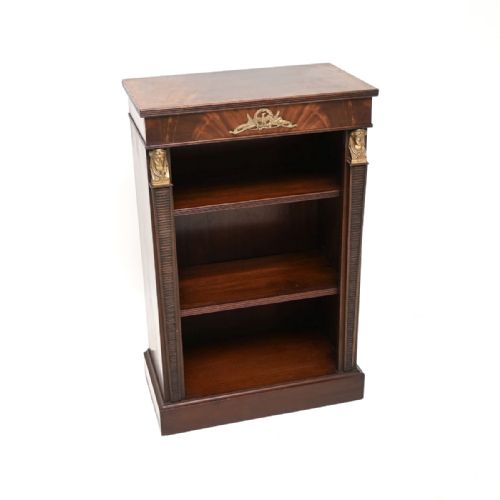
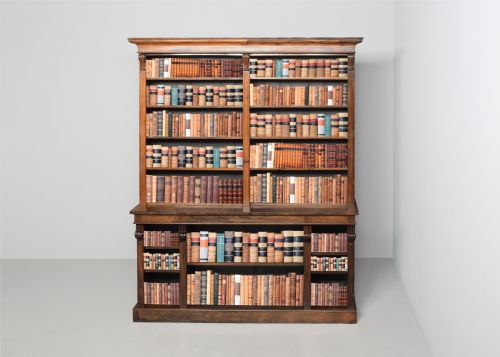
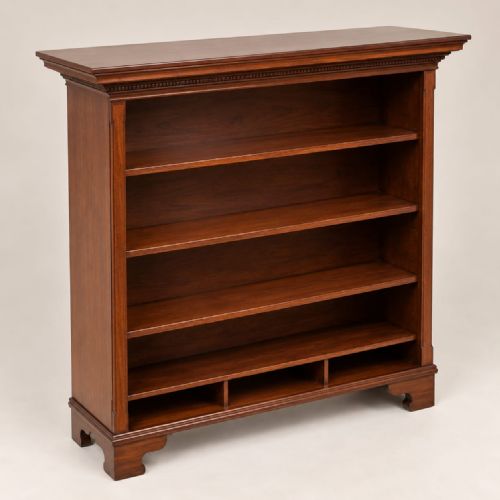
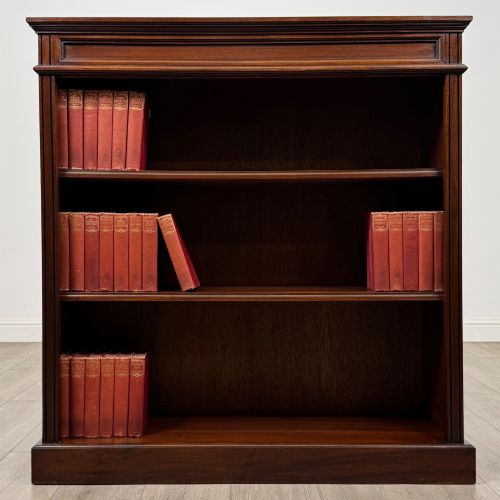
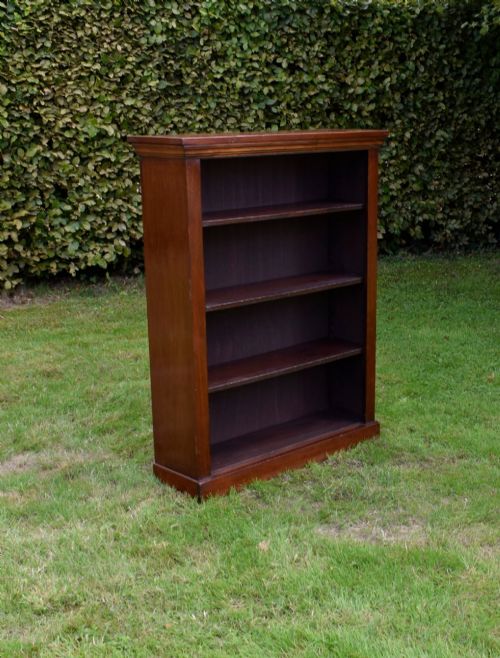
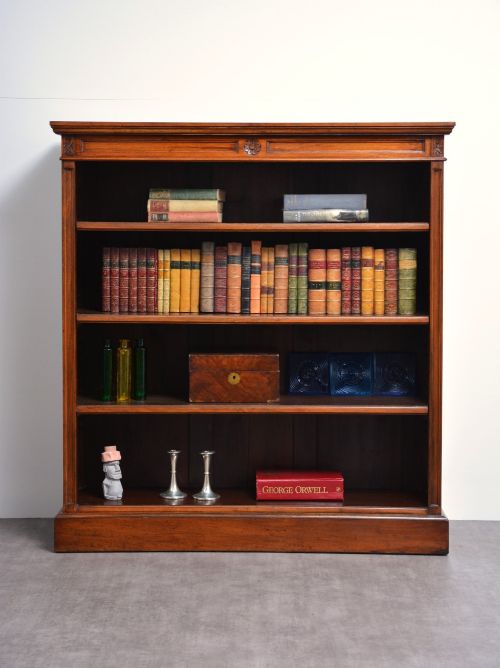
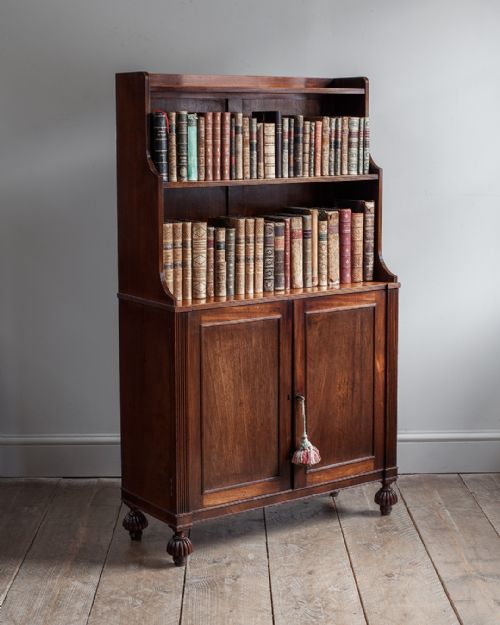
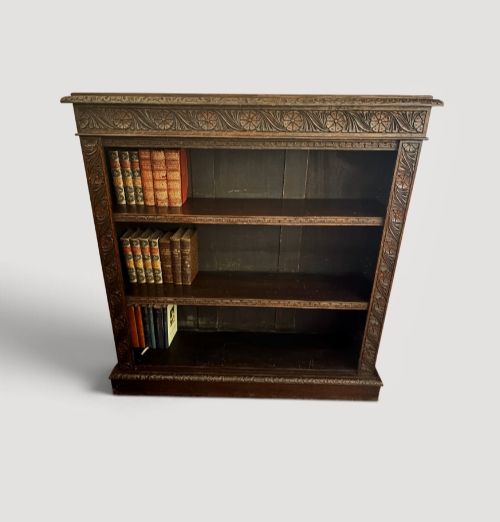
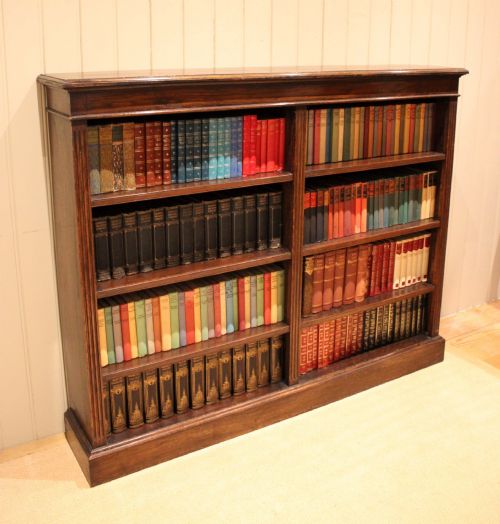
A dark wood shelf unit spans open bookcases, wall shelves, and multi-tiered whatnots originating from the nineteenth and early twentieth centuries. These pieces emerge in varied regional interpretations, ranging from formal Regency designs to rustic 1920s formats.
Victorian and Edwardian iterations dominate the selection, offering substantial proportions in mahogany, oak, and rosewood. Buyers encounter low dwarf cases alongside towering library bookcases, many featuring adjustable shelving or integrated compartments.
Specialised variations include étagères, hanging shelves, and Anglo-Indian padauk furniture alongside distinct styles like Art Deco and Jacobean Revival. These items serve functional storage needs while introducing deep timber tones to interior spaces.
Materials and Technique
Cabinetmakers utilised dense hardwoods such as mahogany, rosewood, walnut, and oak to construct these robust shelving units. Selected timbers often display pronounced grain patterns, sometimes accented with paint, ebonising, or brass details.
Joinery methods reflect the period of production, incorporating carved decoration, beaded edges, and structured stepped tiers. Many cases include mechanical provisions for adjustable shelves, demonstrating practical ingenuity alongside traditional carpentry.
Listings feature timbers including mahogany, oak, rosewood, walnut, pine, and padauk across the nineteenth and twentieth centuries.
Distinctions in Quality
Superior examples rely on choice timber selections, such as figured rosewood or dense mahogany, paired with crisp, hand-carved ornamentation. The handling of mouldings and the precision of adjustable shelf mechanisms separate utilitarian pieces from finer cabinetwork.
Proportion and structural integrity dictate the standing of a shelf unit, where balanced sightlines and stable frames indicate disciplined construction. Finer pieces maintain uniform timber colour and subtle decorative restraint rather than excessive embellishment.
The Dark Wood Shelf Unit Glossary
- Bookcase
- A piece of furniture with horizontal shelves for storing books. These often feature open fronts or enclosed cabinets beneath the upper tier.
- Whatnot
- A multi-tiered piece of freestanding furniture used for displaying ornaments and small objects. These typically date from the nineteenth century.
- Étagère
- A set of open shelves for displaying small articles and curiosities. The form shares similarities with the traditional whatnot.
- Breakfront
- A piece of furniture where the central section projects forward from the flanking wings. This architectural arrangement creates depth and visual interest in larger bookcases.
- Ebonised
- Wood finished with a dark stain or black coating to imitate ebony. This treatment appears on nineteenth-century decorative items.
Dark Wood Shelf Unit: Frequently Asked Questions
What periods do these shelves come from?
The available pieces span the nineteenth and early twentieth centuries, encompassing Victorian, Edwardian, Regency, and Art Deco eras.
Craftsmanship reflects the prevailing aesthetic movements of each decade, from formal Regency lines to rustic 1920s interpretations.
Are the shelves adjustable?
Many of the open bookcases and shelving units feature adjustable shelves to accommodate books of varying heights.
This practical adaptation became increasingly common in nineteenth-century library furniture and taller display formats.
What types of wood are used?
Construction relies heavily on dense hardwoods, with mahogany, oak, rosewood, and walnut appearing frequently across the listings.
Selected items also incorporate exotic timbers like padauk alongside painted, ebonised, or brass-accented surfaces.
How do I choose between a whatnot and an open bookcase?
Open bookcases prioritise vertical book storage and substantial timber presence, often including adjustable tiers for heavy volumes.
Whatnots and étagères offer stepped or multi-tiered platforms specifically designed for displaying ornaments and decorative objects.