


Victorian Hand Painted Miniature
These Victorian hand painted miniature pieces offer intricate artistry on a small scale, bringing domestic portraits and delicate scenes into the palm of your hand.
Victorian Hand Painted Miniature
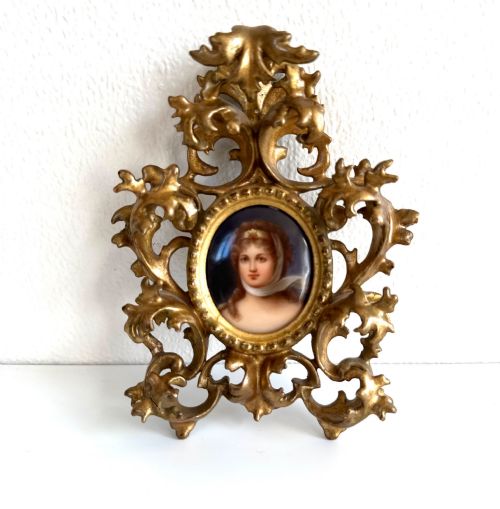
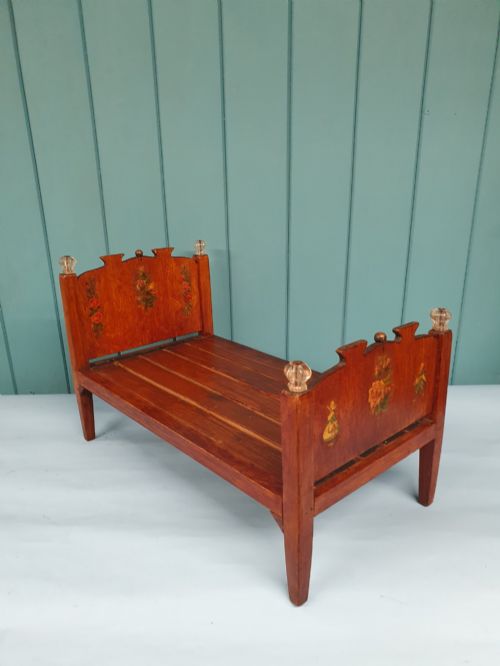
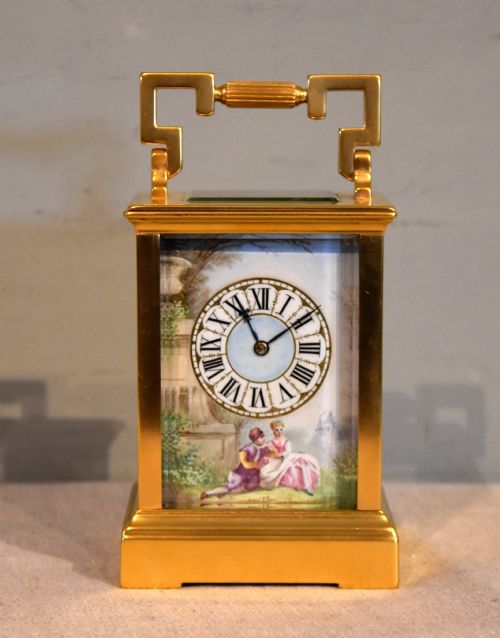
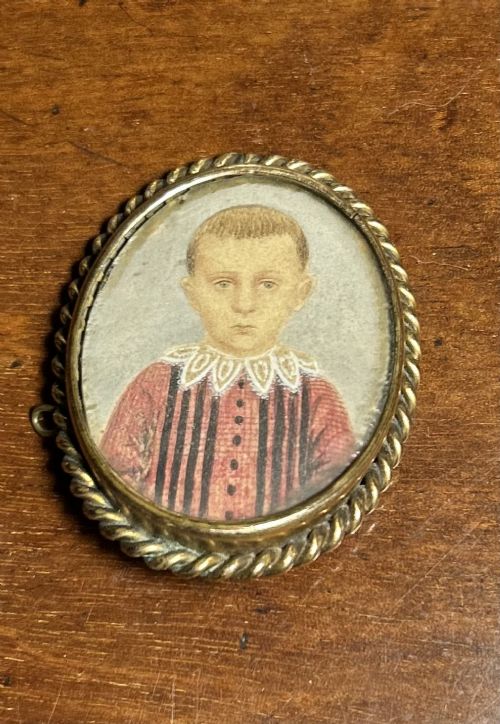
When searching for a victorian hand painted miniature, buyers encounter a diverse range of intimate artworks, functional objects, and decorative items spanning the nineteenth century. These pieces encompass portrait miniatures in brooches and frames, painted porcelain plaques, small furniture models, and carriage clocks.
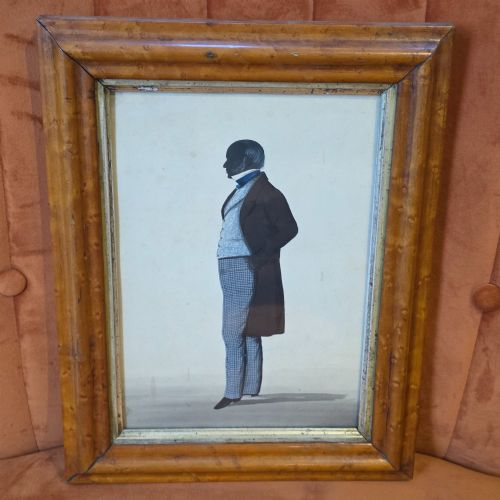
The items most frequently met on this page date from the Victorian era and the broader nineteenth century, often reflecting Revival, Rococo, or Continental European styles. Subjects range from individual portraits of gentlemen and ladies to pastoral scenes, religious interpretations, and decorative motifs.
Forms extend beyond framed wall art into wearable jewellery such as portrait rings and stick pins, alongside three-dimensional objects like painted brass drums and ceramic figures. Each piece demonstrates a high degree of precision executed on a remarkably restricted scale.
Materials and Techniques
Makers utilised a variety of fine substrates including porcelain, enamel, glass, paper, and watercolour, often housing the finished work within fitted brass, gilt, or ormolu frames. Metalwork components such as gold, silver, and tinplate provide structural integrity and mounting for wearable or decorative items.
The application of paint required exceptional dexterity, using fine brushes to execute detailed portraiture and pastoral scenes on diminutive surfaces. Many pieces combine painted elements with fired ceramics, carved wooden housings, or cast metal frames.
A tiny painted snare drum exists solely to remind us that nineteenth-century artisans scaled down everything from militaria to miniature dogs.
Assessing Quality
The distinction between tiers of quality rests upon the fineness of the brushwork and the clarity of the painted detail within the miniature. Superior examples display precise facial expressions, controlled lines, and careful tonal gradation that remain legible under close inspection.
The quality of the housing or mount also indicates the original standard of the piece, with heavier cast frames, precious metals, and well-fitted wooden cabinetry matching the ambition of the artwork within. Harmonious integration between the painted surface and its setting separates standard production from exceptional execution.
Doulton Lambeth·Coalport·Royal Worcester·Berlin·Frith
The Victorian Hand Painted Miniature Glossary
- Portrait Miniature
- A small-scale painting depicting a specific person, commonly executed on ivory, vellum, card, or porcelain. These items were often worn as jewellery or kept in protective folding cases.
- Porcelain Plaque
- A flat or slightly curved ceramic tablet intended for display, frequently decorated with hand-painted scenes after master painters or original compositions. They are often set into carved wooden or ormolu frames.
- Apprentice Chest
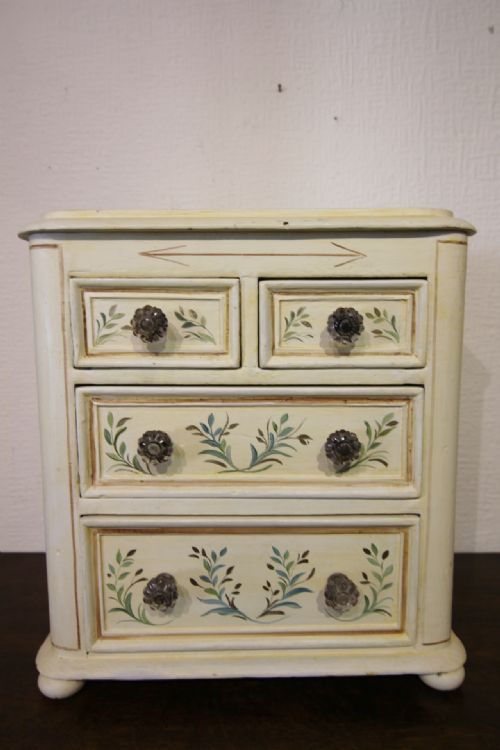
- A small-scale model of a chest of drawers, traditionally made by a young tradesman to demonstrate proficiency before joining a guild. They frequently mirror the joinery and timber choices of full-sized furniture.
- Carriage Timepiece
- A portable clock designed for travel during the nineteenth century, sometimes featuring painted enamel panels or porcelain mounts. They combine precision clockwork with decorative exterior housings.
- Tyg
- A large drinking vessel with multiple handles, produced in miniature formats by potteries for display or collection. These ceramic pieces showcase specific regional glazing and decorative painting techniques.
Victorian Hand Painted Miniature: Frequently Asked Questions
What subjects appear on these painted miniatures?
Portraits of gentlemen and ladies form a significant portion of the painted subjects, often rendered as individual likenesses for personal keepsakes or mourning jewellery.
Other examples depict pastoral landscapes, religious scenes after masters, and decorative motifs on ceramic plaques or furniture models.
What materials support the painted artwork?
Artists painted on porcelain plaques, glass surfaces, paper, and watercolour panels depending on the intended format of the object. Ceramic bodies and enamel plates provided durable foundations for detailed firing and pigment application.
Precious metals, brass, and timber were subsequently employed to frame, mount, or house the finished paintings.
How do I care for a painted miniature?
These delicate items require protection from direct sunlight to prevent the fading of watercolours and pigments. Keeping them in stable environmental conditions avoids thermal shock to fragile glass, porcelain, and metal mountings.
Handling should be minimised, and cleaning should be restricted to gentle dusting of the outer frames without touching the painted surface.