






Portrait Miniature Pendant
A portrait miniature pendant packs an individual likeness and personal history into a wearable piece of gold or enamel.
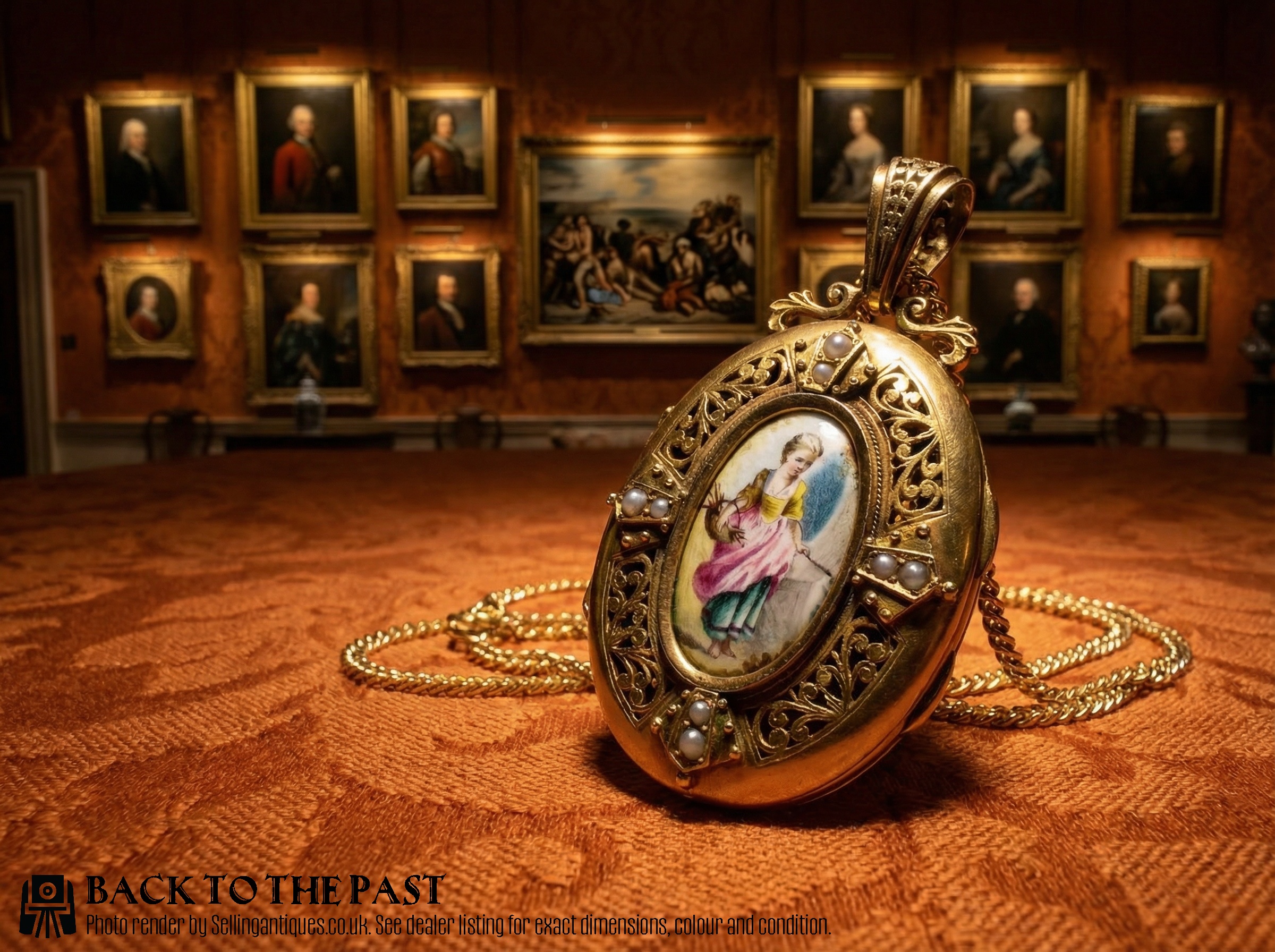
Portrait Miniature Pendant
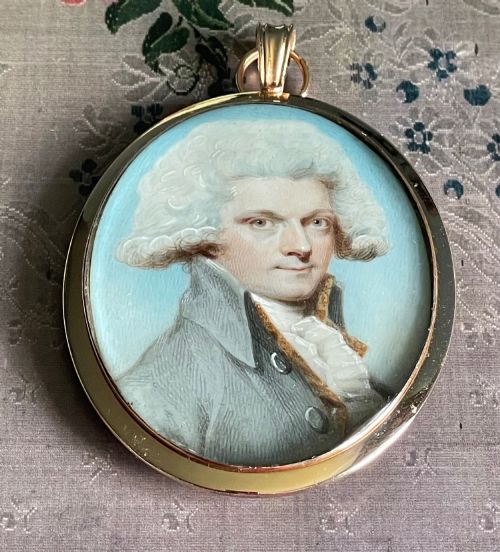
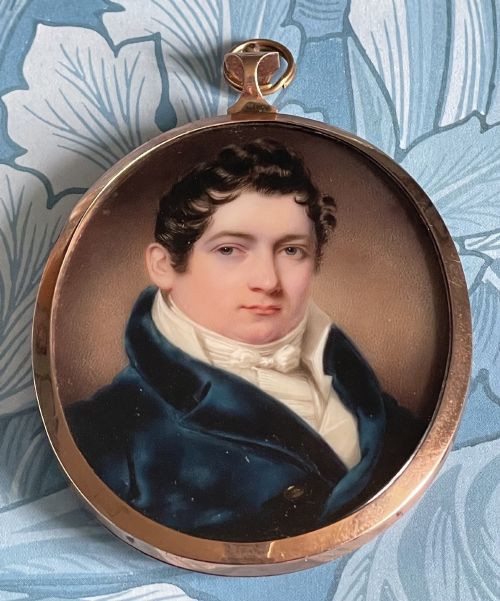
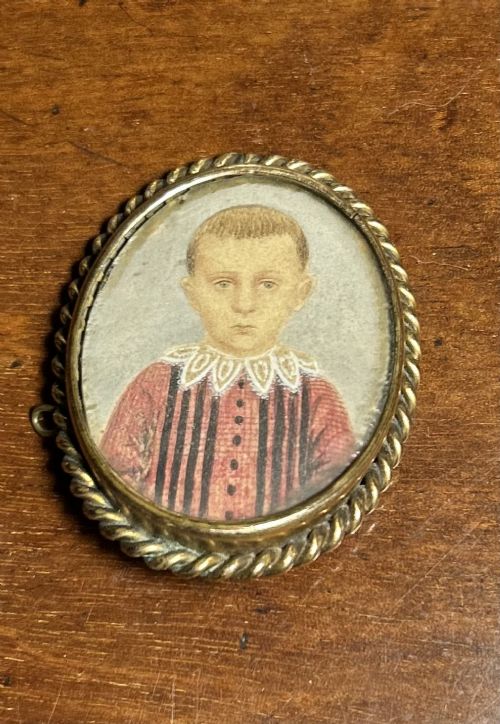
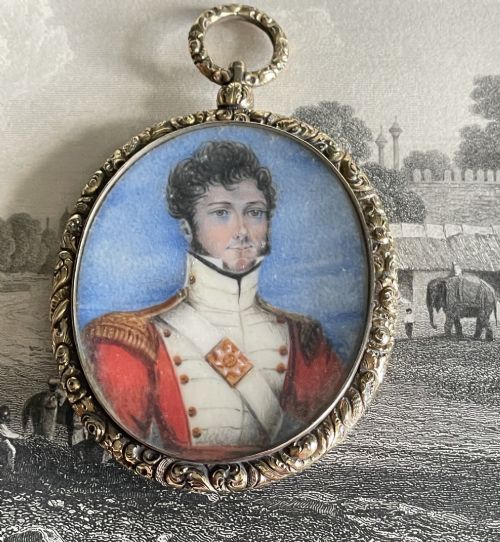
A portrait miniature pendant serves as both miniature art and personal ornament, designed to be worn close to the heart or displayed in a private setting. When exploring a portrait miniature pendant selection, pieces range from Georgian gold frames to Victorian brooches and later lockets.
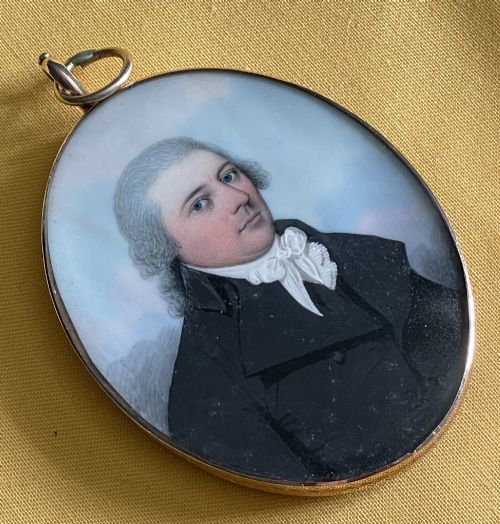
The objects frequently combine painting with jewellery, functioning as pendants, necklaces or convertible brooch-pendants. Originating largely from British, French and American makers, these pieces capture subjects from naval officers to named gentlemen and young children.
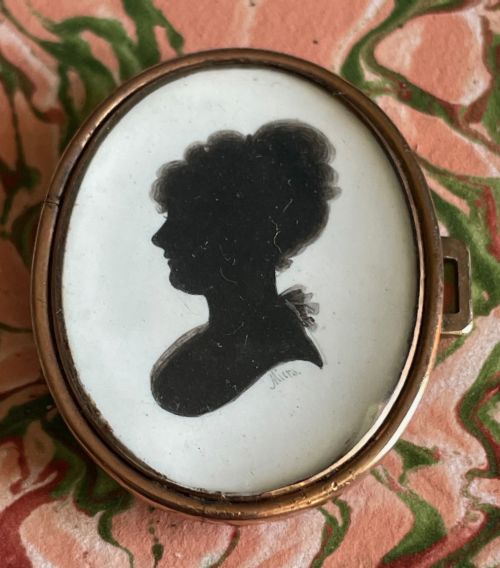
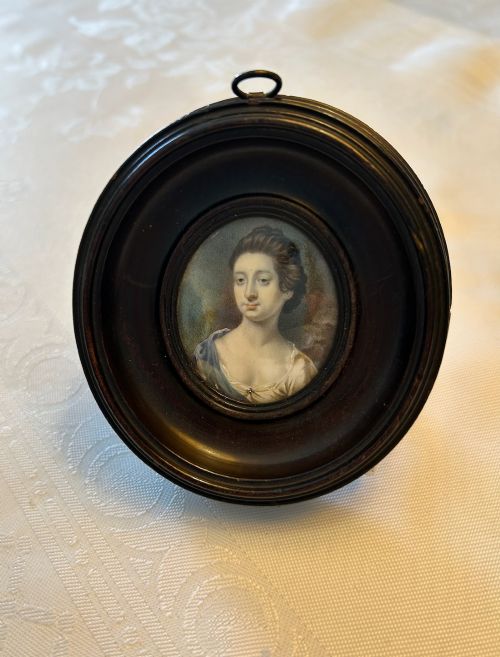
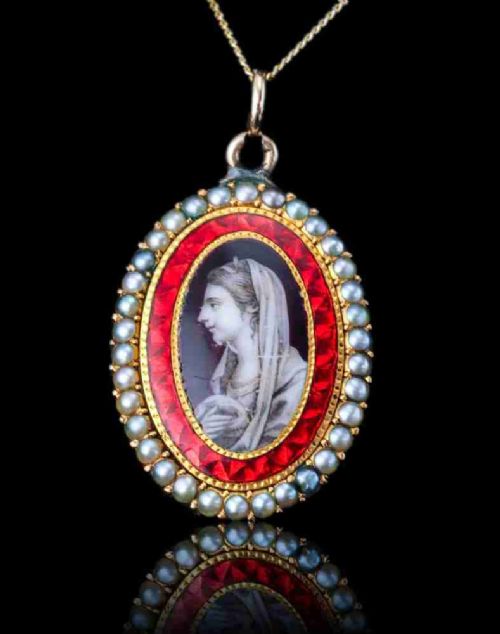
Georgian and Victorian examples dominate the available selection, often housing hand-painted watercolours on ivory, enamel panels or silhouette profiles behind glass. Each format reflects the personal sentimental customs of its original period.
Materials and construction methods
Makers utilised watercolours on ivory or vellum, vitreous enamel on copper, and delicate pigments laid down with fine brushes to achieve lifelike facial details. Many portraits incorporate glass panels to protect the fragile painted surface from moisture and wear.
Frames and mounts rely on precious metals such as gold, silver, gilt metal and enamel work, often augmented by pearls set around the bezel. Artisans combined miniature painting with goldsmithing, mounting the artworks into hinged lockets or secure pendant settings.
Listings span the eighteenth, nineteenth and twentieth centuries, incorporating gold, enamel, ivory, glass and watercolour across diverse portrait forms.
Distinguishing execution and preservation
The integrity of the frame and the preservation of the delicate paint beneath the glass dictate overall desirability. Original mountings, intact enamel work and well-preserved ivory panels elevate a piece above those suffering from later alterations or pigment fading.
Henry Bone ARA·Charles Shirreff·John Miers·John C D Engleheart·Frederick Buck·Charles Hayter·Christian Friedrich Zincke·William Naish·James Ferguson·George Engleheart·William Grimaldi·Samuel Cotes·AE Chalon·Meyle & Mayer
The Portrait Miniature Pendant Glossary
- Miniature painting
- A detailed artwork executed on a small scale, often requiring magnification to appreciate the fine stippling and hatching techniques.
- Silhouette
- A solid black profile portrait cut from paper or painted on glass or card, popularised in profile jewellery.
- Vitreous enamel
- Glass powder fused to a metal base through high-temperature firing, creating a durable and glossy painted surface.
- Vellum
- A fine parchment made from calfskin, utilised as a smooth painting surface for detailed portraiture.
- Bezel
- The grooved metal rim that holds the glass or portrait panel securely within the pendant frame.
Portrait Miniature Pendant: Frequently Asked Questions
How were portrait miniature pendants worn?
These pieces hung from ribbons or chains around the neck, allowing the wearer to keep the likeness of a relative or spouse concealed against clothing.
Many designs also featured integrated pin mechanisms, enabling owners to wear the same piece as a brooch on a lapel.
What materials protect the painted portraits?
Glazing made from clear glass or rock crystal was fitted directly over the delicate watercolour or enamel surface to prevent accidental touching or moisture damage.
Behind the painted panel, makers often inserted woven hair, monograms or memorial inscriptions protected by a secondary glass layer.
How do you distinguish Georgian from Victorian pieces?
Georgian examples typically feature thinner gold frames, often with closed-back settings and hairwork compartments framing the miniature.
Victorian pieces introduce heavier cast mountings, richer chased decoration, and different pin attachments reflecting mid-century jewellery conventions.
Can silhouettes be considered portrait miniatures?
Profile silhouettes painted on glass, card or plaster served as an accessible alternative to full-colour watercolour paintings during the same eras.
These black-and-paper or painted profiles shared identical pendant and locket mountings with their polychrome counterparts.