


19th Century Gold Locket
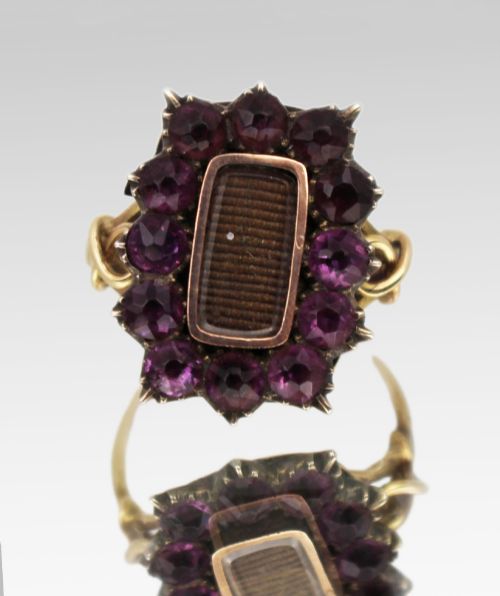
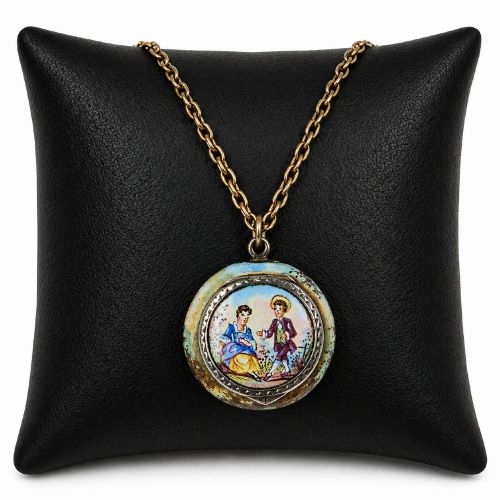
A 19th century gold locket carries painted portraits, woven hair or personal mementoes within precious metal.
19th Century Gold Locket
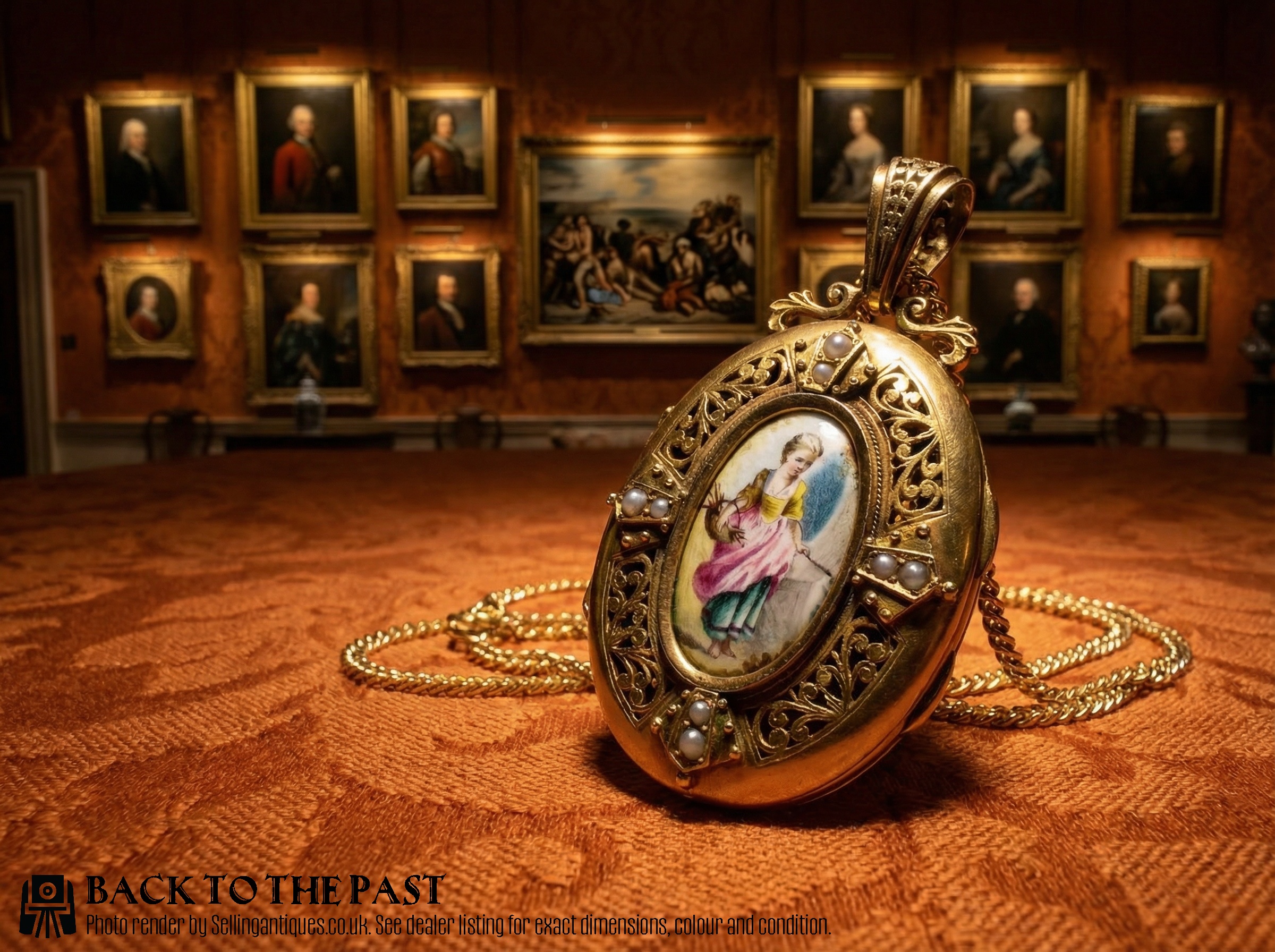
When you search for a 19th century gold locket, you find pendant items made during the Georgian, Regency and Victorian eras, often rendered in yellow gold or gilt metal.
The pieces on this page include double-sided designs and mourning variants, frequently paired with portrait miniatures, glass, enamel and pearl details.
These items served as personal keepsakes or wearable tributes, preserving miniature watercolours and delicate hairwork close to the heart.
How they were made
Goldsmiths shaped precious metals including gold, 14K gold, 18K gold and 15CT gold into hinged or double-sided cases designed to hold portraits and hair.
Artisans decorated these metal housings using coloured enamel, pearls and glass stones, while portrait painters created detailed watercolours and gouache miniatures on paper or ivory.
This selection spans the Georgian, Regency, 1860 and Victorian periods, utilising gold, silver, gilt metal, glass, enamel and pearl.
What varies in quality
The fineness of the gold, ranging from lower carat metals to 18ct gold, sets the baseline for material value in these objects.
The skill of the miniature painter dictates the artistry of the piece, distinguishing finely rendered portraits by named artists from simpler decorative inserts.
Emma Kendrick·Henry Jacob Burch·John Inigo Wright·Isaac Wane Slater·AE Chalon
The 19th Century Gold Locket Glossary
- Gold locket
- A hinged pendant made of precious metal designed to open and reveal a private compartment for a portrait or hair keepsake.
- Miniature portrait
- A small painting executed in watercolour or gouache, frequently depicting a specific person from the Georgian or Victorian period.
- Mourning jewellery
- Personal adornment worn to commemorate a deceased loved one, often incorporating woven hair, enamel or dark stones.
- Double sided
- A locket or pendant engineered with viewing compartments on both the front and the reverse.
19th Century Gold Locket: Frequently Asked Questions
What is inside a 19th century gold locket?
These lockets typically contain hand-painted portrait miniatures on watercolour or gouache, alongside delicate arrangements of human hair preserved behind glass.
Some examples use the double-sided format to display both a painted likeness and a memorial keepsake simultaneously.
How do I date a gold locket?
Dating relies on stylistic clues, such as the Georgian, Regency or Victorian dress and hair of the painted subject, combined with metal hallmarks.
Materials like purple glass stones, seed pearls and specific enamel techniques also point to exact decades within the nineteenth century.
What is a mourning locket?
A mourning locket is a commemorative piece of jewellery created to remember a deceased individual during the Victorian or earlier eras.
These pieces frequently incorporate woven hair samples alongside gold settings and dark enamel work.
Are these lockets meant to be worn?
Most of these gold pieces function as pendants or necklaces intended for daily or occasional wear on a chain.
Their robust gold and gilt metal construction protects the internal miniature paintings and hairwork during normal handling.