




Antique Gold Mourning Pendant
An antique gold mourning pendant is a memorial jewel holding hair, enamel, or portrait miniature, designed to keep a deceased loved one close.
Antique Gold Mourning Pendant
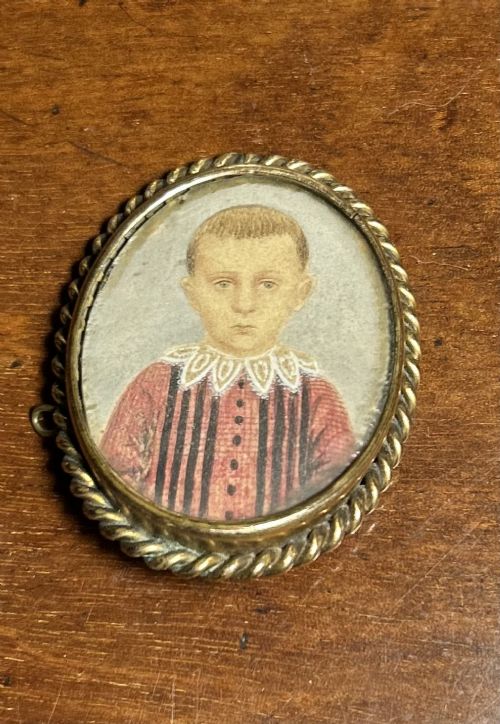
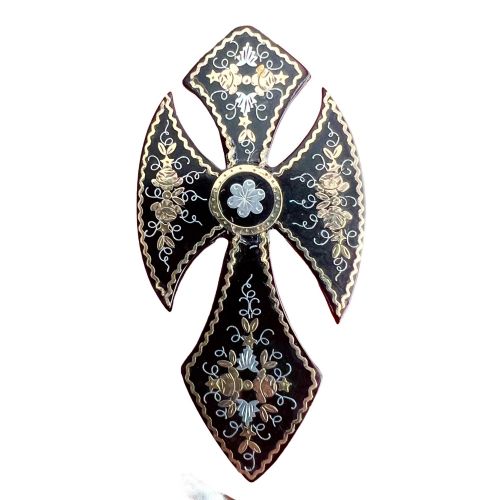
An antique gold mourning pendant serves as a personal memorial, taking the form of lockets, cross pendants, and framed portraits that commemorate the dead. These pieces emerge from the Georgian and Victorian eras, carrying deep sentimental value through integrated hair work and glazed compartments.
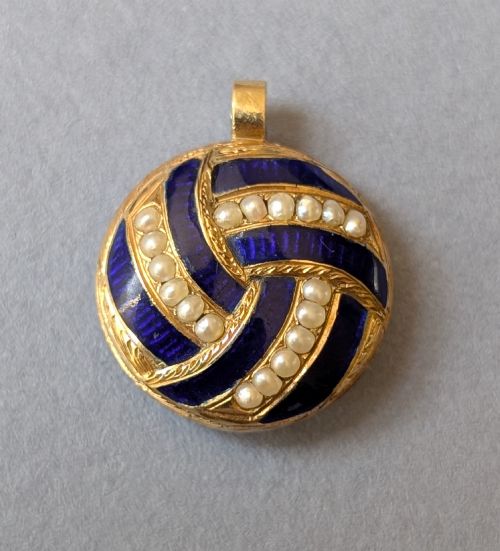
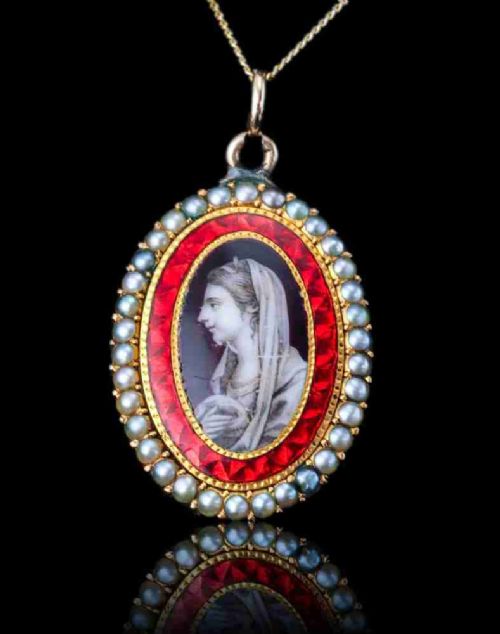
The versions most commonly met on this page span the 19th Century, utilising high carat gold alongside silver, enamel, and seed pearls. Many pieces combine functions, serving simultaneously as lockets, brooches, and watch fobs for everyday wear.
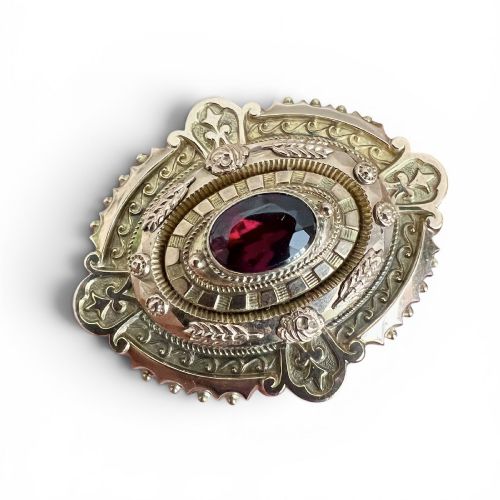
Mourning jewellery bridges fashion and remembrance, reflecting changing social attitudes toward grief across the Georgian and Victorian periods. Collectors encounter diverse structural formats, from simple engine-turned cases to elaborate Etruscan Revival designs set with garnets and diamonds.
How they were made
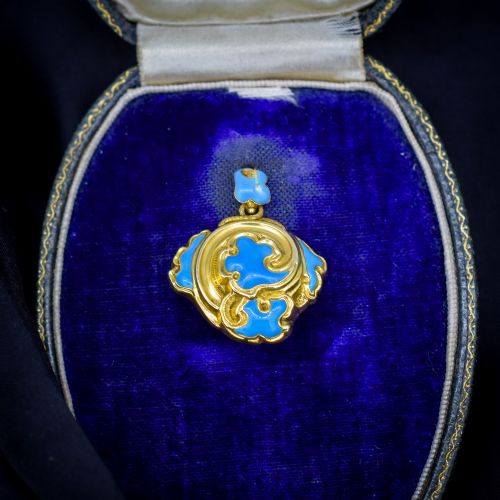
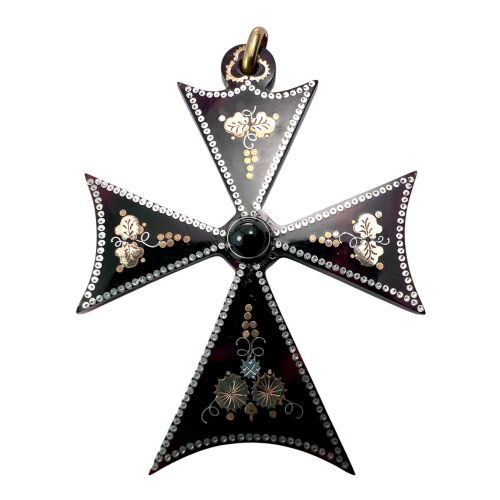
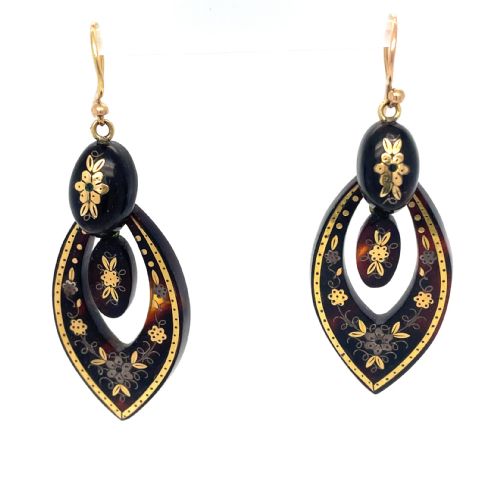
Maker's hands shaped these items using 9ct, 15ct, and 18ct gold, often combining silver overlays and tortoiseshell pique work to create contrast. Enamel in blue and black tones frequently frames glazed apertures designed to hold delicate hair work.
Goldsmiths employed techniques such as engine-turning to engrave geometric patterns onto metal surfaces, while hair was meticulously braided or arranged beneath glass. Pearls and diamonds were set by hand to embellish heart, cross, and round locket forms.
Listings feature items spanning the Georgian, Victorian, and wider 19th Century periods, constructed in gold, tortoiseshell, enamel, and silver.
What varies in quality
Quality rests in the complexity of the goldsmith's work, the purity of the gold, and the preservation of internal hair compartments or miniature portraits. Pieces featuring detailed enamel work and multiple gemstone settings command attention for their intricate execution.
The condition of the glazed panel and the structural integrity of the hinge and clasp dictate the piece's durability. Finer examples display precise hand engraving and secure stone settings that remain intact after generations of handling.
The Antique Gold Mourning Pendant Glossary
- Mourning locket
- A hinged pendant designed to hold a lock of hair, a miniature photograph, or a painted portrait of someone who has died. These receptacles often feature glazed reverse compartments.
- Hair work
- The Victorian craft of arranging human hair into intricate floral or geometric patterns to place inside memorial jewellery. It serves as a direct physical relic of the deceased.
- Engine-turned
- A mechanical method of engraving precise geometric patterns onto metal surfaces using a lathe. This technique adds texture and catches the light on gold locket backs.
- Etruscan Revival
- A 19th-century design style inspired by archaeological discoveries of ancient Greek and Etruscan goldwork. It relies heavily on granulation and applied wirework.
- Vinaigrette
- A small container holding a sponge soaked in aromatic vinegar, used to counter unpleasant smells. Some examples double as mourning compartments for hair.
Antique Gold Mourning Pendant: Frequently Asked Questions
What is inside an antique gold mourning pendant?
These pendants typically contain braided human hair, miniature portraits, or preserved photographs behind glass panels. Some pieces also incorporate woven silk or small inscriptions naming the departed.
Such contents transform the jewellery from a decorative accessory into a personal shrine. Collectors often find handwritten paper notes tucked securely inside the reverse compartments.
How do I date an antique gold mourning pendant?
Dating relies on material testing, stylistic markers, and the construction methods used in the gold mounts. Georgian pieces often display closed-back gemstone settings and sepia miniatures, while Victorian items lean towards heavy gold work and elaborate hair braiding.
Hallmarks, where present, offer precise year and maker identification. Examining the style of the script and the portrait clothing provides further clues to the decade of creation.
Can I wear an antique gold mourning pendant daily?
Daily wear is possible with careful handling, given the delicate nature of glass panels and internal hair arrangements. Owners should avoid exposing the piece to water, perfumes, and harsh chemicals that might damage the enamel or gold.
Secure clasps and sturdy chains ensure the pendant stays safe during movement. Regular checks of the hinge and glass bezel prevent accidental loss of the memorial contents.
What does blue enamel signify on mourning jewellery?
Blue enamel on memorial pieces traditionally symbolises eternity, heaven, and the memory of the departed. It frequently appears alongside white enamel, which denoted the death of an unmarried person or child.
This coloration offered a refined way to display grief within Victorian society. The vibrancy of the enamel often highlights the social status and wealth of the commissioning family.