




Blue Enamel Locket
A blue enamel locket offers a tangible connection to the past, combining precious metals with vivid vitreous colour to hold personal mementos close to the heart.
Blue Enamel Locket
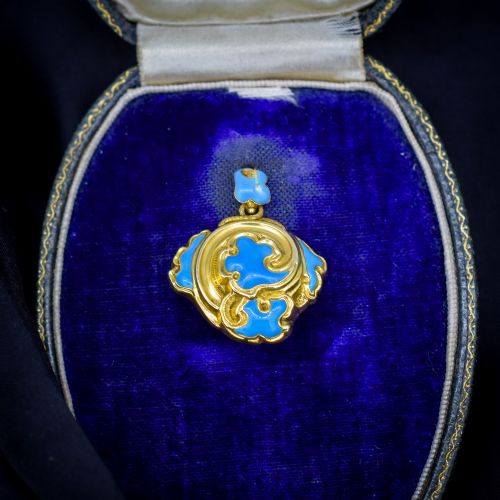
When searching for a blue enamel locket, buyers encounter a diverse selection of pieces spanning the Georgian, Victorian, Edwardian and Art Deco periods. These items primarily function as pendants, necklaces, and charms designed to open and secure small portraits, locks of hair, or photographs.
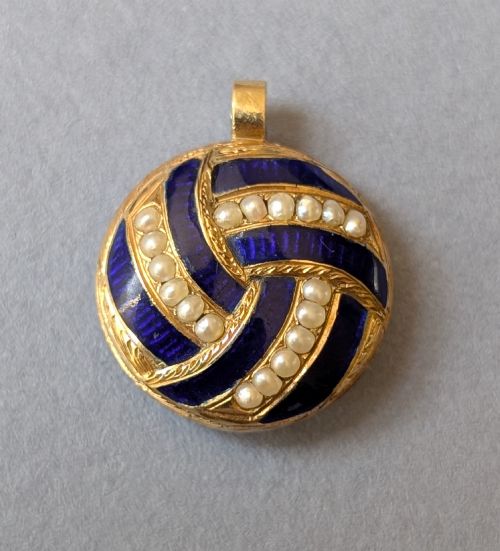
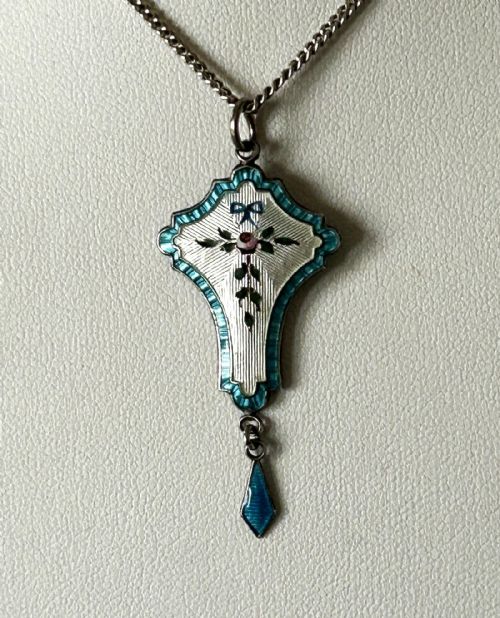
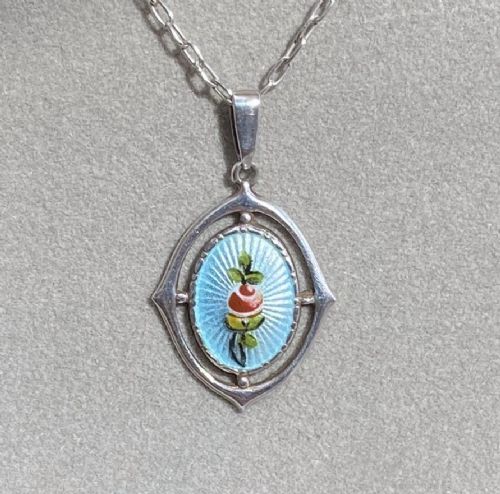
The Victorian era is heavily represented on this page, yielding gold lockets embellished with seed pearls, star motifs, and mourning hair work alongside high-carat heart pendants. Alongside these, early twentieth-century examples introduce silver guilloché and striking Art Nouveau or French Belle Epoque designs.
Materials and Techniques
Craftsmen built these pieces using gold of various purities, including 9ct, 15ct, and 18ct, as well as silver and rolled gold. Vitreous enamel provides the distinctive blue surface, fused directly to the metal substrate through high-temperature firing.
Many items incorporate additional decorative elements such as seed pearls, rose-cut diamonds, turquoise, and paste stones. Specialised techniques like plique-à-jour and guilloché appear on specific French and silver pieces, creating translucent cells or patterned engine-turned backgrounds beneath the glaze.
Listings feature items from the Georgian, Victorian, Edwardian, and Art Deco eras, constructed in gold, silver, and enamel.
Factors of Quality
Quality in these items rests on the complexity of the metalwork and the precision of the enamel application. Superior examples demonstrate smooth, uninterrupted enamel surfaces free from extensive chipping or clumsy repairs, paired with secure hinges and clasps that function as originally intended.
The artistic ambition of the design further distinguishes finer pieces. Work featuring hand-set pearls, intricate diamond configurations, or detailed hair work elevates a simple container into a refined example of period goldsmithing.
Christian Friedrich Zincke·Henry Perkins and Sons·Charles Horner·Marius Hammer
The Blue Enamel Locket Glossary
- Guilloché
- A decorative technique involving precise mechanical engraving on a metal surface beneath a translucent enamel layer. This creates repetitive geometric patterns that catch the light.
- Plique-à-jour
- An enamelling technique resembling stained glass, where enamel is fired in open metal cells without a backing. This allows light to pass directly through the coloured glaze.
- Mourning jewellery
- Pieces created to commemorate a deceased person, frequently incorporating black or blue enamel, pearls, and enclosed locks of human hair. They served as physical reminders of remembrance during the Georgian and Victorian periods.
- Vitreous enamel
- A material made by fusing powdered glass to a metallic base at high temperatures. The resulting glossy coating provides durable colour.
- Rose-cut
- An antique diamond cut featuring a flat base and a domed crown composed of triangular facets. It was popular in jewellery before the advent of modern brilliant cuts.
Blue Enamel Locket: Frequently Asked Questions
How do I open a vintage locket?
Most lockets rely on a small side hinge or a fingernail notch near the edge to release the cover. Patience and gentle pressure prevent strain on the historical metalwork.
Avoid using metal tools to pry open stubborn cases, as this often scratches the enamel or distorts the gold and silver rims.
Can I put a modern photo inside?
Original bezels and paper frames inside antique pieces frequently accommodate trimmed photographs. You can measure the interior space carefully before cutting modern prints to fit.
Original glass covers and hair work should remain undisturbed to preserve the historical integrity of the piece.
How do I date a blue enamel piece?
Stylistic clues, such as the use of star motifs with seed pearls, point directly to the Victorian era. Hallmarks on gold and silver components provide official assay marks and year letters for precise dating.
Enamelling styles and pendant shapes also shift across decades, moving from heavy Georgian mourning pieces to airy Edwardian and Art Deco silver designs.
Are these pieces suitable for daily wear?
While gold and silver provide structural durability, enamel requires careful handling to prevent impact damage. Removing the pendant during physical activity protects the glass surface from chipping.
Regular checks on the suspension loop and chain ensure the locket remains secure when worn throughout the day.